
Most pickleball paddles cost $30 to $250, with $100–$160 the sweet spot.
If you want the full picture on how much are pickleball paddles, you are in the right place. I have tested dozens across price tiers, coached players through upgrades, and tracked changes in materials and tech. Below, you will learn what you really pay for, how to set a smart budget, and how to avoid common buyer mistakes.
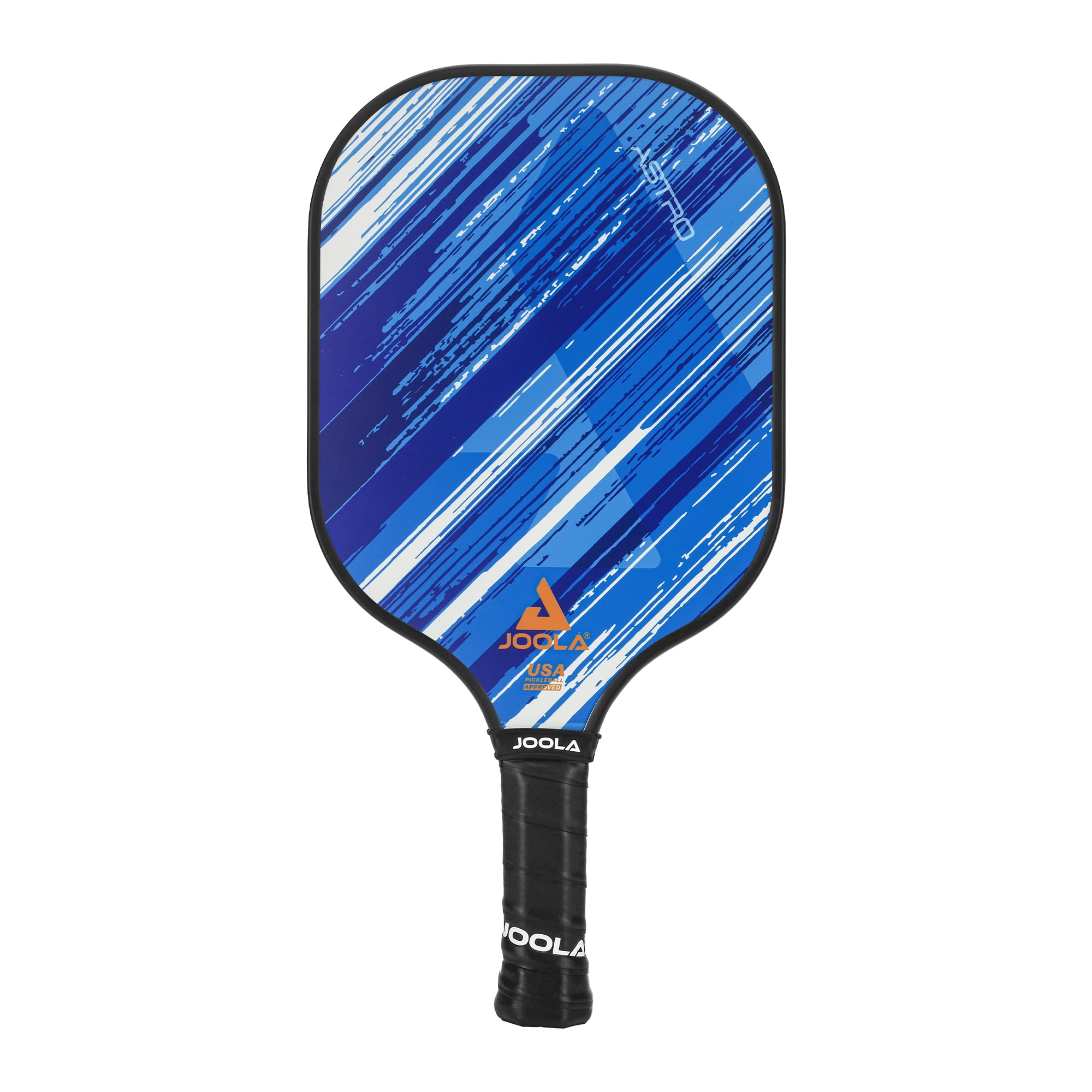
Price ranges for pickleball paddles
If you are asking how much are pickleball paddles, here is a clear breakdown. Prices reflect face material, core quality, build method, and brand support.
- Under $50. Basic paddles for casual play. Often wood or low-cost composite. Heavier and less controlled.
- $50 to $99. Entry composite or fiberglass faces. Good value for beginners. Texture wears faster.
- $100 to $160. Mid-tier sweet spot. Many raw carbon fiber faces, polymer cores, solid control and spin.
- $160 to $220. Advanced build quality. Better feel, stability, and surface grit that lasts longer.
- $220 to $300. Flagship pro models. Thermoformed or unibody builds, premium carbon, tight quality control.
In my coaching groups, most new players land happy at $100 to $160. Competitive players often step up to $160 to $220 for more spin, pop, and stability.

What drives the price of a paddle
People ask how much are pickleball paddles, but the real question is why. Here is what raises or lowers the price.
- Face material. Raw carbon fiber grips the ball better and stays textured longer than fiberglass. Fiberglass feels lively but can lose spin faster with heavy use.
- Core type and thickness. Polymer honeycomb is the norm. Thicker cores add control and reduce vibration. Thin cores feel faster but are less stable on mishits.
- Build method. Thermoformed and unibody designs improve edge strength and consistency, but they cost more to make.
- Weight balance. Even balance is forgiving. Head-heavy adds power but can stress your arm. Fine tuning adds cost.
- Surface texture. True mechanical texture lasts longer than sprayed grit. Durable texture costs more.
- Quality control. Tighter tolerances lead to better feel from paddle to paddle. That adds labor and price.
- Warranty and support. Strong warranties and demo programs cost brands money, but add value for you.
- USA Pickleball approval. Approved paddles are tested to meet standards. Most players want that.
Industry tests and pro feedback show that raw carbon fiber holds texture longer, while good fiberglass gives extra pop. That is why mid and high tier paddles often use premium carbon weaves.

Set your budget by skill and play style
How much are pickleball paddles for you? Match the budget to your stage and goals.
- New to the sport. Spend $60 to $120. Look for a raw carbon face if possible. It helps with spin and control while you learn.
- Recreational regular. Spend $100 to $160. Balance control and pop. Seek a 14 to 16 mm core for stability.
- League and tournament player. Spend $160 to $220. Aim for premium carbon, strong edges, and reliable spin.
- Singles or power hitter. Consider 8.2 to 8.6 oz with a head-balanced feel. Plan $150 to $220 for stability and put-away power.
- Control-first doubles. Consider 7.8 to 8.2 oz with a 16 mm core. Plan $120 to $200 for touch and reset control.
My rule of thumb from lessons: invest when your paddle limits your shots. If you feel the ball slips, or your blocks wobble, it is time to upgrade.
Value, durability, and cost per hour
A fair way to answer how much are pickleball paddles is to look at cost over time. A good mid-tier paddle can last 9 to 18 months with regular play. Many players log 150 to 400 hours before losing spin or pop.
- Entry paddles. Lower price, shorter lifespan. Cost per hour can be similar to mid-tier due to faster wear.
- Mid-tier carbon paddles. Best blend of lifespan and price for most players.
- High-end paddles. Best feel and spin when new. Great if you play many hours per week.
Quick math example. Spend $150 and play 200 hours. That is 75 cents per hour. If you play twice a week, that is a strong value.
Where to buy and how to save
Another way to think about how much are pickleball paddles is where you shop and how you time the buy.
- Try demo programs. Many shops let you test for a small fee. It saves you from buying twice.
- Shop sales windows. Big holidays often mean 10 to 25 percent off. New model launches also drop older prices.
- Use trade-in or used markets. Lightly used paddles can be 20 to 40 percent less. Check edges and face texture before you buy.
- Check return policies. A 30-day play guarantee reduces risk and stress.
- Buy bundles. Sets with balls and a bag can stretch your budget.
I saved a student $60 by steering them to a last-year model with the same layup. Same feel, less money.

Real-world price examples
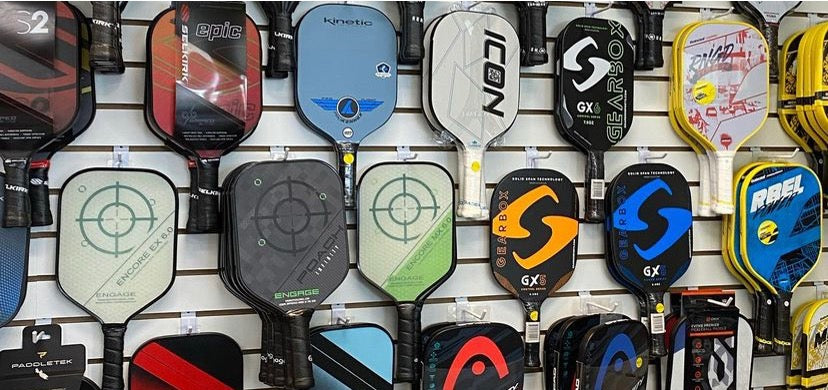
If you still wonder how much are pickleball paddles, these examples show what you get by tier. Prices are typical, not fixed.
- Budget composite, 13 mm core, 7.8 to 8.4 oz. $40 to $70. Great starter, limited spin.
- Fiberglass face, 14 mm core, cushioned grip. $70 to $120. Lively feel, decent control.
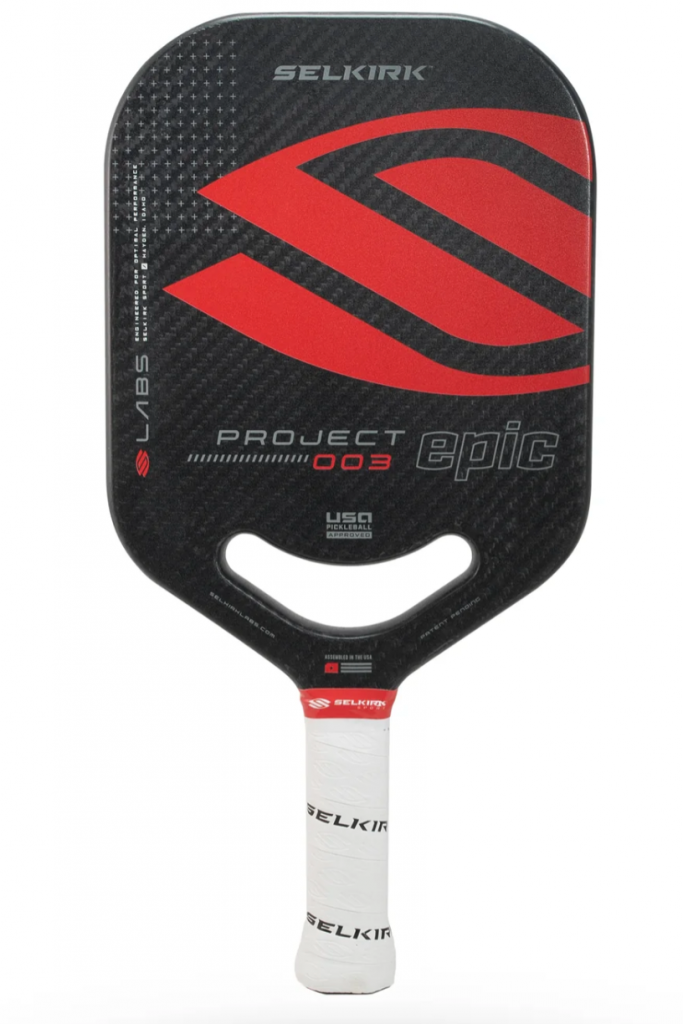
- Raw carbon fiber, 16 mm core, standard shape. $110 to $160. Strong spin and stability.
- Raw carbon fiber, thermoformed, elongated face. $160 to $220. More pop, better sweet spot, firmer feel.
- Pro-level, unibody, premium carbon weave. $220 to $300. Best balance of spin, power, and build.
In blind tests with club players, many picked the $130 to $180 range as the best feel-to-cost choice.
How to test before you buy
Testing helps you answer how much are pickleball paddles worth for your hands and style. Use this quick plan.
- Hit third-shot drops for five minutes. Check height control and touch.
- Block hard drives. Watch for twist on mishits. Stable paddles do not wobble.
- Spin serves and roll volleys. Note how easy it is to grab the ball.
- Dink cross-court. You should feel feedback without harsh sting.
- Play one full game. Fatigue or elbow pain means the weight or balance is wrong.
If you feel wrist strain, the paddle is likely too head-heavy. If your resets float high, you may need a thicker core or softer face.
Common mistakes to avoid
I have seen these errors many times. They can skew how much are pickleball paddles for your needs.
- Buying on hype alone. Not every new model fits your game.
- Ignoring grip size. A grip too small or big can cause arm pain.
- Chasing only power. Power without control loses points.
- Overpaying without a warranty. Support matters if the face delaminates or the edge lifts.
- Skipping the demo. Ten minutes on court beats ten hours of reviews.
When in doubt, pick control first. You can always add power with lead tape or technique.
How materials and tech change price and play
To go deeper on how much are pickleball paddles, it helps to know the tech in plain terms.
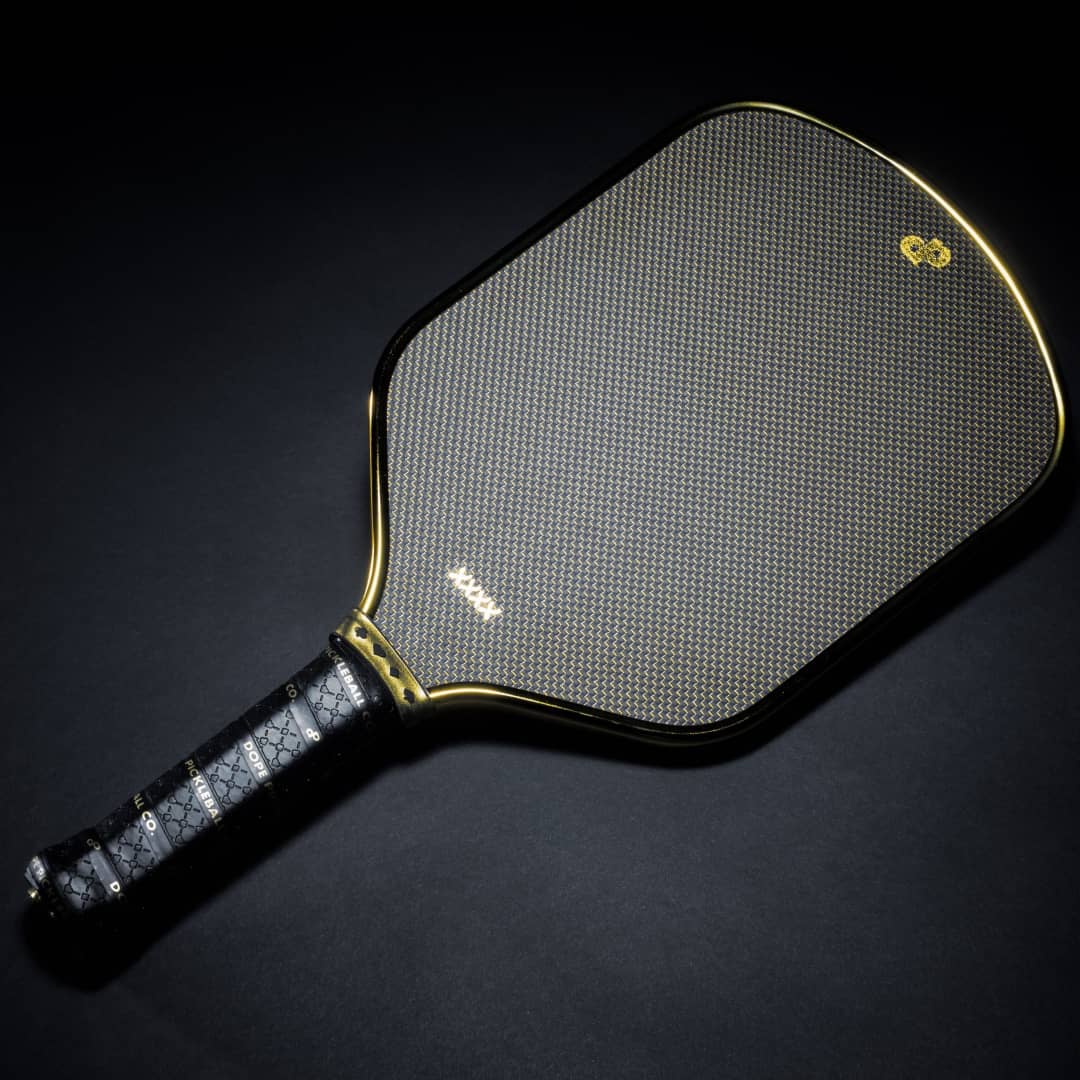
- Carbon grades. Higher grade carbon often means stronger texture and better feel. It costs more to source and to mold.
- Core thickness. 16 mm gives a plush, stable bed. 13 to 14 mm feels quicker but can be twitchy.
- Edge design. Edgeless models feel fast but need stronger builds to resist chips. That can raise cost.
- Sound and feel. Softer faces reduce noise. Many communities like that. It can be worth a small premium.
Independent lab data and coach feedback point to one theme. Consistency across the face helps you win the soft game. That is where mid and high tier paddles shine.
Total budget checklist
If you plan your full spend, the question how much are pickleball paddles becomes part of a simple kit plan.
- Paddle. $100 to $200 for most players.
- Grip overwraps. $8 to $12. Replace when slick.
- Edge guard tape. $8 to $15. Protects the rim on rough courts.
- Balls. $10 to $20 for a pack. Outdoor balls crack faster.
- Bag or sling. $20 to $60. Protects gear and keeps it dry.
Think long term. A small spend on care can add months to paddle life.
Frequently Asked Questions of how much are pickleball paddles
How much are pickleball paddles for beginners?
Beginner paddles usually cost $50 to $120. That price gets you a good starter with enough control to learn.
How much are pickleball paddles with carbon fiber?
Most carbon fiber paddles cost $110 to $220. Premium builds with advanced molding can reach $250 or more.
How much are pickleball paddles if I buy used?
Used paddles are often 20 to 40 percent less than new. Check for worn texture, edge chips, and soft spots before you buy.
How much are pickleball paddles that pros use?
Pro-level paddles range from $200 to $300. You pay for tight quality control, strong spin, and stable builds.
How much are pickleball paddles during sales?
Holiday or model-change sales can drop prices by 10 to 25 percent. Last-year models can be the best value.
How much are pickleball paddles with a thick core?
Paddles with a 16 mm core usually run $100 to $220. You get more control and less shock to the arm.
How much are pickleball paddles for kids?
Junior or lighter models often cost $30 to $80. Focus on weight and grip size for comfort.
Conclusion
Price is only part of the story. The right paddle matches your skill, style, and budget, and it should help you play longer with less strain. Use the ranges above, test on court, and choose the build that supports your goals.
Ready to pick your next paddle? Set your budget, try a demo, and compare feel side by side. If this guide helped, share it with a teammate, subscribe for more gear tips, or drop your questions in the comments.