Most pickleball paddles cost $30 to $250; pro carbon models run $180–$300.
If you’ve wondered how much is a pickleball paddle, you’re in the right place. I test paddles for coaching and gear reviews, and I buy them with my own money. This guide breaks down prices, value, and smart picks so you can shop with confidence and avoid hype.

How much is a pickleball paddle? Price ranges explained
If you ask how much is a pickleball paddle, the answer depends on materials, build, and brand. Here is a clear range you can trust.
- Entry-level: $30–$60. Often wood or basic composite. Good for new players.
- Mid-range: $60–$120. Polymer core with fiberglass or graphite face. Best value for most.
- Performance: $120–$180. Better control, more pop, and stronger edges.
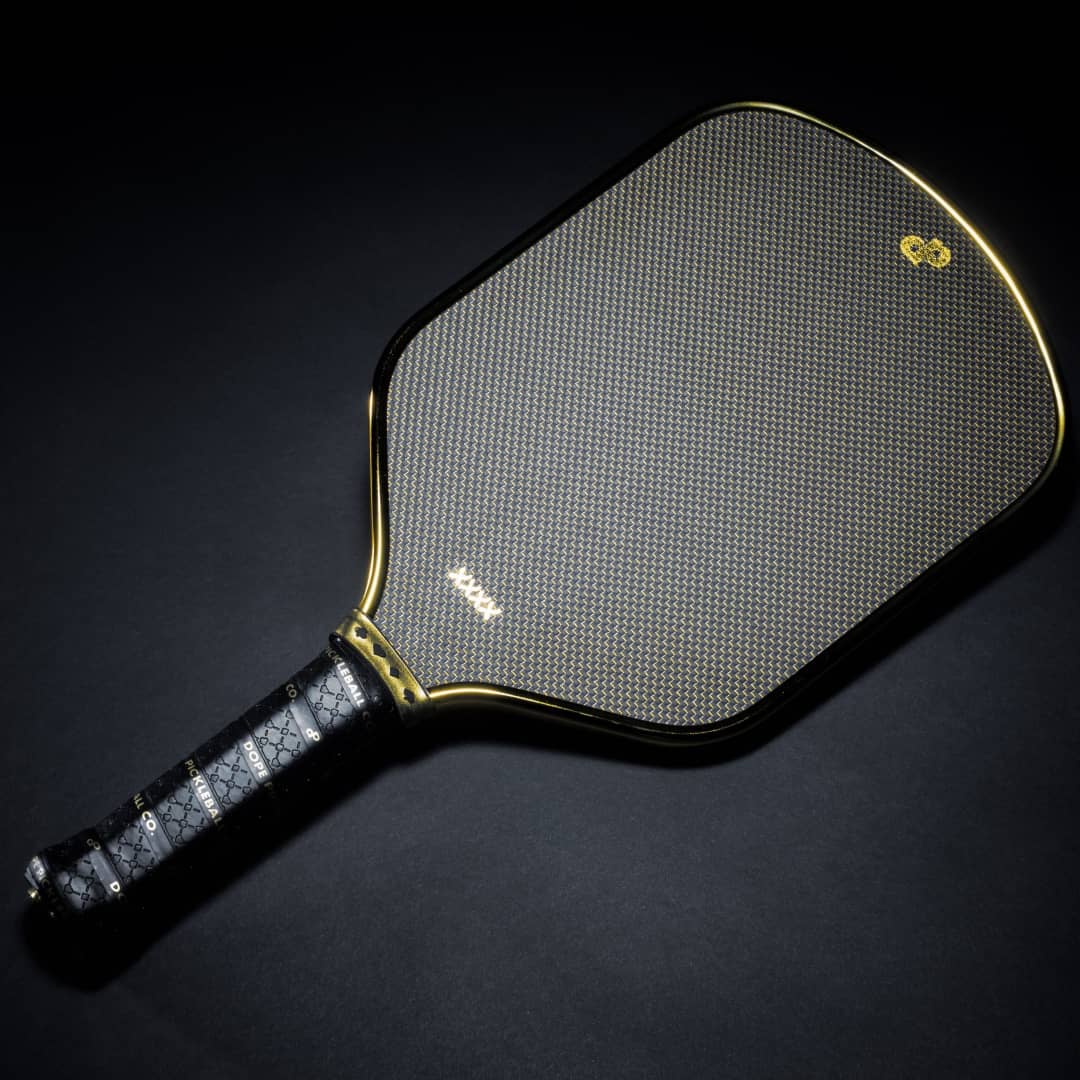
- Premium and pro: $180–$300. Raw carbon fiber faces and thermoformed builds.
- Kids or practice sets: $20–$40 per paddle in bundles. Lower durability.
Most adult players find the sweet spot at $80–$150. When friends ask how much is a pickleball paddle for serious rec play, I point them to $100–$150. That price buys feel, power, and a solid warranty.
Prices can swing with sales and supply. Holiday deals and last year’s models can drop 15–40%. Expect higher prices in pro-signature lines and with new tech.
What drives the price of a paddle
Several parts add cost and performance. Knowing them helps you answer how much is a pickleball paddle for your needs.
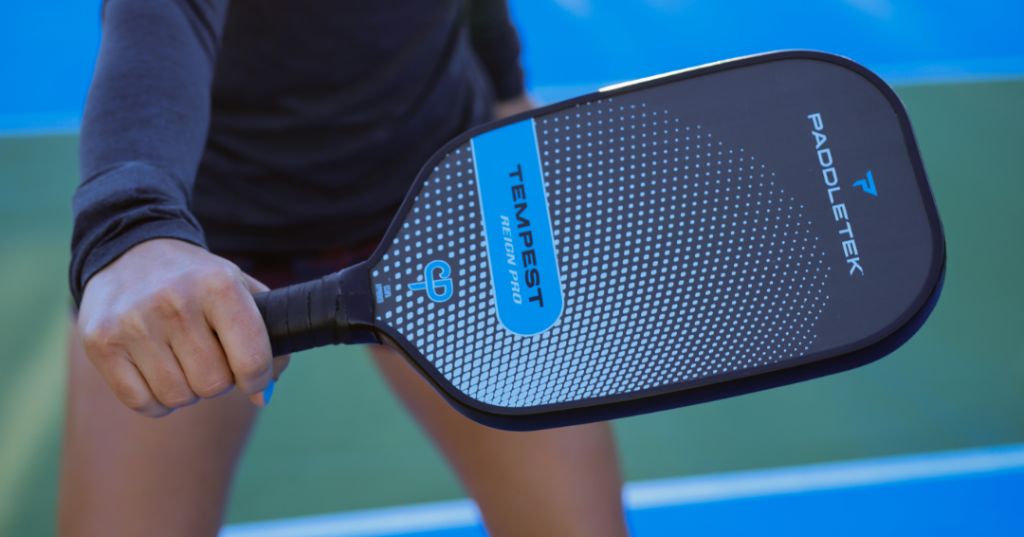
- Face material. Fiberglass adds pop. Graphite is light and quick. Raw carbon grips the ball for spin and often costs more.
- Core material and thickness. Most use a polymer honeycomb core. Thicker cores (14–16 mm) add control and feel.
- Build method. Thermoformed carbon paddles cost more and feel stiffer. One-piece builds are pricier than two-piece.
- Weight and balance. Lighter paddles need stronger layups to avoid flutter. That can raise price.
- Shape and edge tech. Elongated heads, edgeless frames, and foam-injected rails add cost.
- Brand R&D and warranty. Strong support and 6–12 month warranties often sit in the $120–$200 band.
- Approval and testing. USA Pickleball approval and quality control can add to the final price.
From my testing, the jump from $50 to $100 is huge in control and touch. The jump from $150 to $250 is real, but smaller, and often about feel and spin.
Paddle types and real-world value
Here is how common types stack up for price and play.
- Wood. $20–$40. Durable and cheap. Heavy and less control. Good for gym sets.
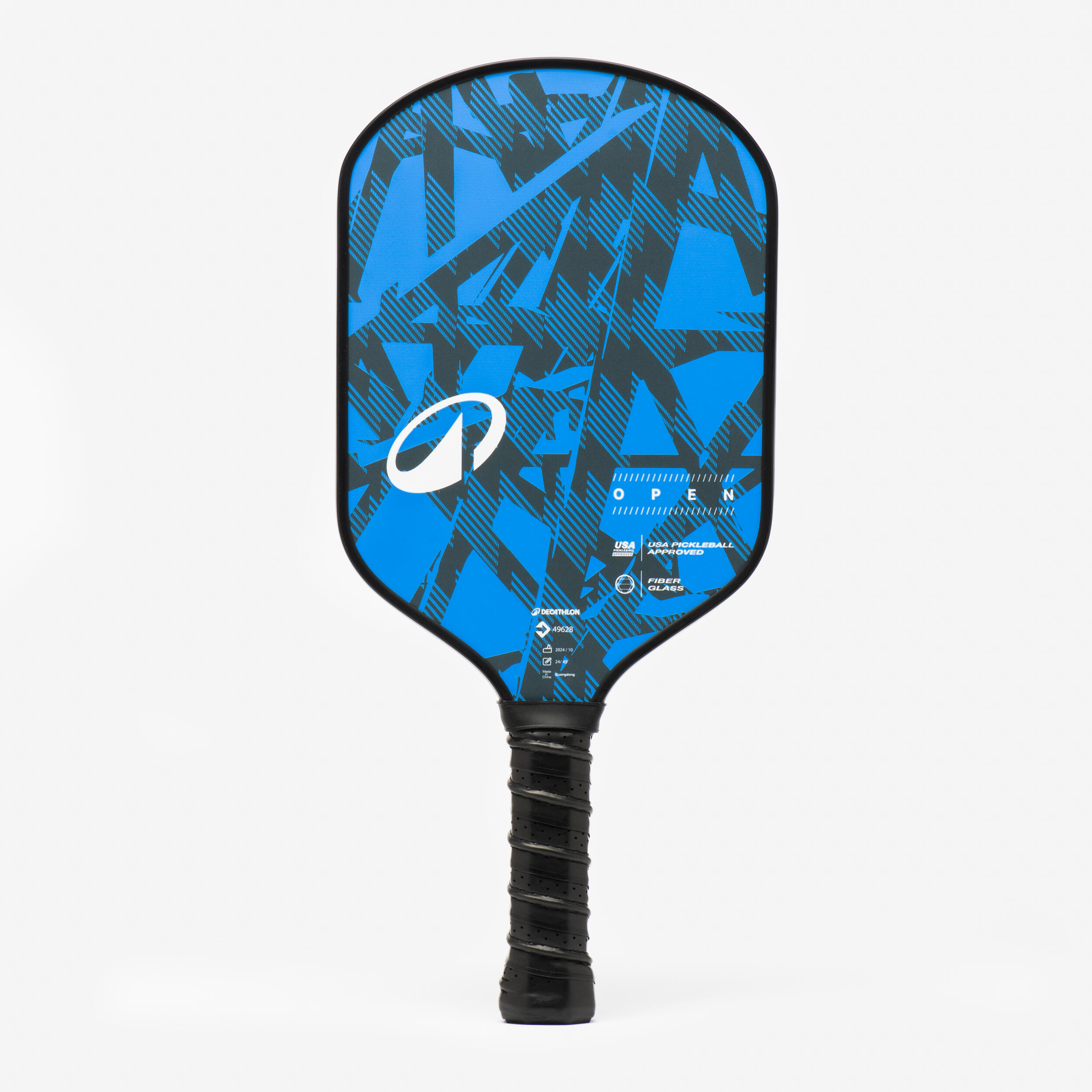
- Basic composite (fiberglass face, polymer core). $60–$120. Great all-around. Best value for most players.
- Graphite face. $80–$150. Light and quick at the net. Nice for doubles and control.
- Raw carbon fiber face. $120–$220. High spin and stable blocks. Popular with advancing players.
- Thermoformed carbon. $150–$300. Stiff, powerful, and durable edges. Can feel lively off the face.
If your main question is how much is a pickleball paddle that can grow with you, start at $100–$150. That tier balances cost and long-term use.

Budget guide by skill level and goals
Pick a budget based on how often you play and what you need.
- First-time player. $40–$80. Choose a light composite at 7.5–8.0 oz. Avoid wood unless it is for a class set.
- Casual rec, once a week. $80–$120. Go for a polymer core with fiberglass or graphite face.
- Improving player, drills and leagues. $120–$180. Raw carbon fiber face with 14–16 mm core is a safe bet.
- Power-seeker or singles. $140–$220. Elongated, thermoformed carbon can add pace and reach.
- Control-first doubles. $100–$180. Thicker core, wide body, medium weight, and a tacky grip.
When students ask how much is a pickleball paddle for league play, I suggest $120–$160. That range hits performance without paying pro-model tax.

Where and when to buy for the best price
You can save a lot with smart timing.
- Buy during big sale windows. Black Friday, Cyber Monday, Memorial Day, and end-of-season.
- Look for previous-year models. New graphics drop, old stock gets marked down.
- Use demos. Many shops and clubs let you test. Some apply demo fees to purchase.
- Consider certified used or open-box. Savings of 20–40% for near-new gear.
- Check return policies. A 30-day playability guarantee lowers your risk.
If you are searching how much is a pickleball paddle during sales, expect $20–$60 off in the mid-range, and sometimes $80+ off top models.
Price vs performance: what matters most
Spending more helps, but only to a point. Focus on fit first.
- Weight and swing weight. A balanced paddle keeps your hand quick at the net.
- Shape. Elongated aids reach and power. Wide body boosts forgiveness.
- Core thickness. Thicker cores add dwell time and control.
- Face material. Raw carbon boosts spin. Fiberglass adds pop. Graphite is crisp and light.
- Grip size. Too big hurts touch; too small strains the hand.
One of my players moved from a $60 fiberglass paddle to a $130 raw carbon model. The biggest gains were softer resets and slice returns, not raw power. The right match matters more than the highest price.

Care, durability, and hidden costs
Total cost is more than the sticker.
- Overgrips. $6–$12 per pack. Replace often for tack and comfort.
- Edge guard tape. $5–$10. Protects your frame and helps resale value.
- Lead or tungsten tape. $8–$15. Fine-tune stability and swing weight.
- Balls and bag. Balls wear fast. Budget a few dollars per session if you host.
- Lifespan. Heavy play can wear a face in 4–8 months. Light rec play can get 12–18 months.
Ask about warranty length and terms. Keep proof of purchase. A good warranty stretches value even if the initial price is higher.
How to test and choose within your price range
Use this simple plan to buy with confidence.
- Set your budget ceiling first. Decide how much is a pickleball paddle for you right now.
- Pick specs that fit your style. Weight, shape, face, and core thickness.
- Shortlist three paddles. Include one below and one above your target price.
- Demo or borrow for a full session. Note control, spin, and fatigue.
- Check return policy and warranty. Aim for at least 30 days and 6–12 months.
- Buy when it feels right, not when it sounds loud. Trust your results, not the marketing.
If you still wonder how much is a pickleball paddle that will last, aim for models with solid edges, a known core, and steady grip quality.

Frequently Asked Questions of how much is a pickleball paddle
How much is a pickleball paddle for beginners?
Plan on $40–$100. Look for a polymer core and a light to mid weight for easy control.
How much is a pickleball paddle with carbon fiber?
Raw carbon fiber paddles usually cost $120–$220. Thermoformed builds can push $180–$300.
Does an expensive paddle make me better?
It can help, but only if it fits your game. Good technique and smart practice beat price every time.
How long should a paddle last?
Light rec players can get a year or more. Daily players may need a new paddle in 4–8 months as the face wears.
Is USA Pickleball approval worth paying for?
Yes if you play events. Approval ensures the paddle meets rules and often reflects consistent quality.
How much is a pickleball paddle for kids?
Kids can start with $20–$50 paddles. Pick light models with smaller grips for comfort.
Are bundle packs a good value?
For families or classes, yes. You get balls and a bag, but paddle quality is basic.
Conclusion
You now know how much is a pickleball paddle across the market, and what drives those prices. Start with a clear budget, match specs to your style, and test when you can. The best paddle is the one that helps you play more, smile more, and improve week by week.
Ready to find your match? Set your budget, save this guide, and grab a demo today. If you found this helpful, subscribe for more gear tips or drop a question in the comments.