Expect $25,000–$65,000 for outdoor asphalt; $40,000–$95,000 for post‑tension concrete.
If you’re wondering how much to build pickleball court, you’re in the right place. I’ve planned, bid, and overseen courts from backyard builds to club complexes. In this guide, I’ll break down every cost, explain what drives the price, and share the smart moves that stretch your budget without regrets. Stick with me to learn how much to build pickleball court, what to expect in each phase, and how to avoid the most common mistakes.

What drives the total cost
If you are pricing how much to build pickleball court, start with the basics. Your site and your surface choice set most of the budget. Then add fencing, lights, and extras.
Typical line items and ranges for one outdoor court:
- Survey and design: $500–$3,000
- Permits and fees: $300–$5,000
- Excavation and grading: $3,000–$12,000
- Drainage (French drains, catch basins): $1,500–$10,000
- Base and paving:
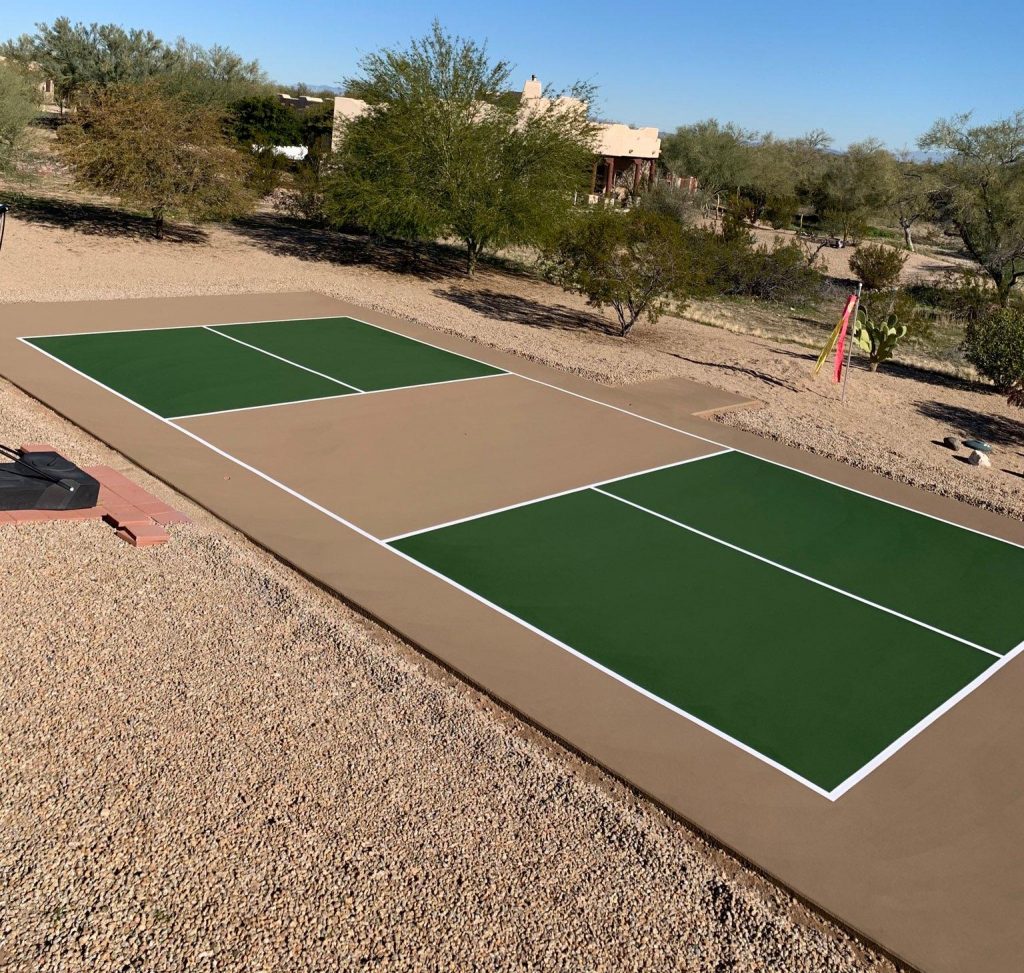
- Asphalt (30×60 to 34×64 pad): $3–$8 per sq ft, or $12,000–$28,000
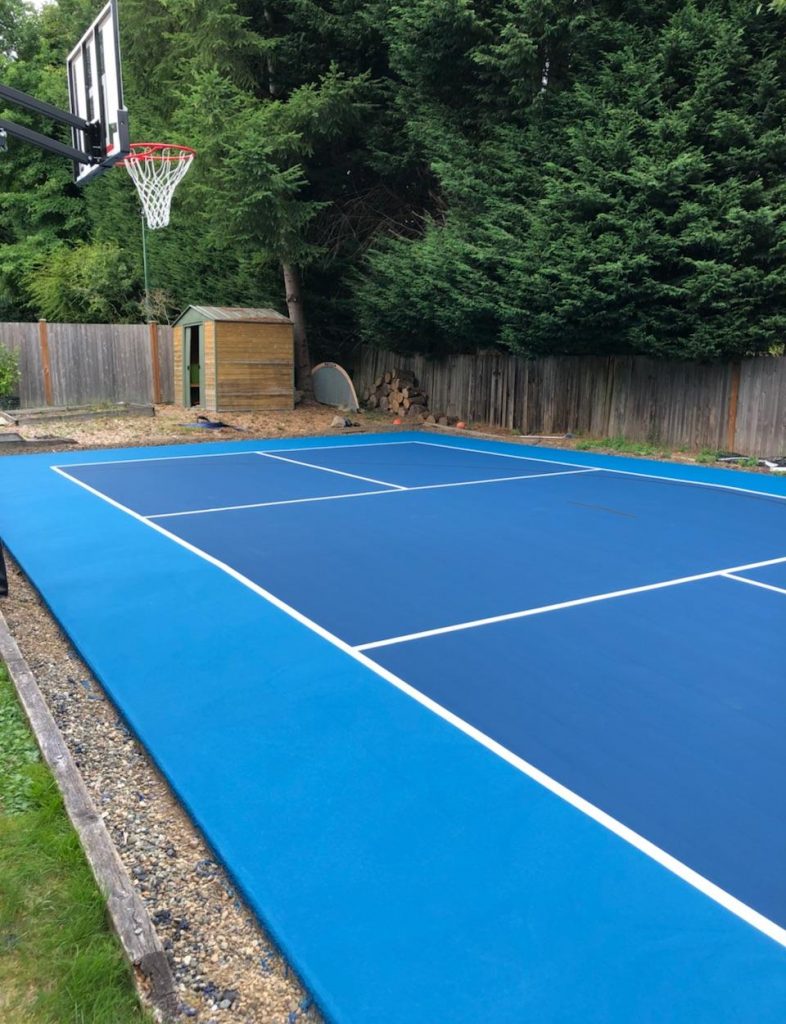
- Post‑tension concrete: $8–$16 per sq ft, or $25,000–$55,000
- Acrylic color/surfacing: $1.50–$3 per sq ft, or $3,000–$6,500
- Layout and line paint: $300–$800
- Net posts, sleeves, and center strap: $350–$900
- Tournament net: $150–$300
- Perimeter fencing (9–10 ft, 196 linear ft): $25–$50 per ft, or $5,000–$11,000
- LED lighting (2–4 poles): $8,000–$25,000
- Windscreens and gates: $600–$2,500
- Benches, shade, amenities: $1,000–$7,500
- Sidewalks and ADA access: $1,000–$5,000
- Builder overhead and profit: 10%–20%
- Contingency: 10%–15%
Costs swing with soil, access for equipment, labor rates, and code rules. In my builds, soil and drainage are the biggest wild cards. If you want to understand how much to build pickleball court, test the soil early and plan water management well.
Typical budgets by scenario
Here is how much to build pickleball court across common tiers. These ballpark totals include everything except land.
Good (value asphalt, no lights)
- Total: $25,000–$40,000
- Who it fits: Homeowners, HOAs, parks with daytime play
- Trade‑offs: Shorter surface life; may crack sooner in freeze zones
Better (asphalt or concrete, lights, nice fence)
- Total: $45,000–$80,000
- Who it fits: Active clubs and cities
- Trade‑offs: Higher upfront; lower long‑term fixes
Best (post‑tension concrete, pro lights, shade)
- Total: $75,000–$120,000
- Who it fits: Tournament sites and premium communities
- Trade‑offs: Few; it’s a long‑life setup
If your core question is how much to build pickleball court for real‑world use, most outdoor projects land in the $40,000–$90,000 band.

New build vs. conversion and multi‑court savings
If you have a tennis court, you can convert it into two to four pickleball courts at a big discount. For many buyers asking how much to build pickleball court, conversion is the cheapest path.
Tennis court conversion costs:
- Clean, patch, and resurface: $6,000–$20,000
- New lines and two to four nets: $1,200–$4,000
- Divider fencing and gates: $3,000–$10,000
- Optional acoustic panels: $3,000–$15,000
- Typical total: $10,000–$35,000
Multi‑court economies:
- Shared fencing lines, lights, and mobilization cut cost per court
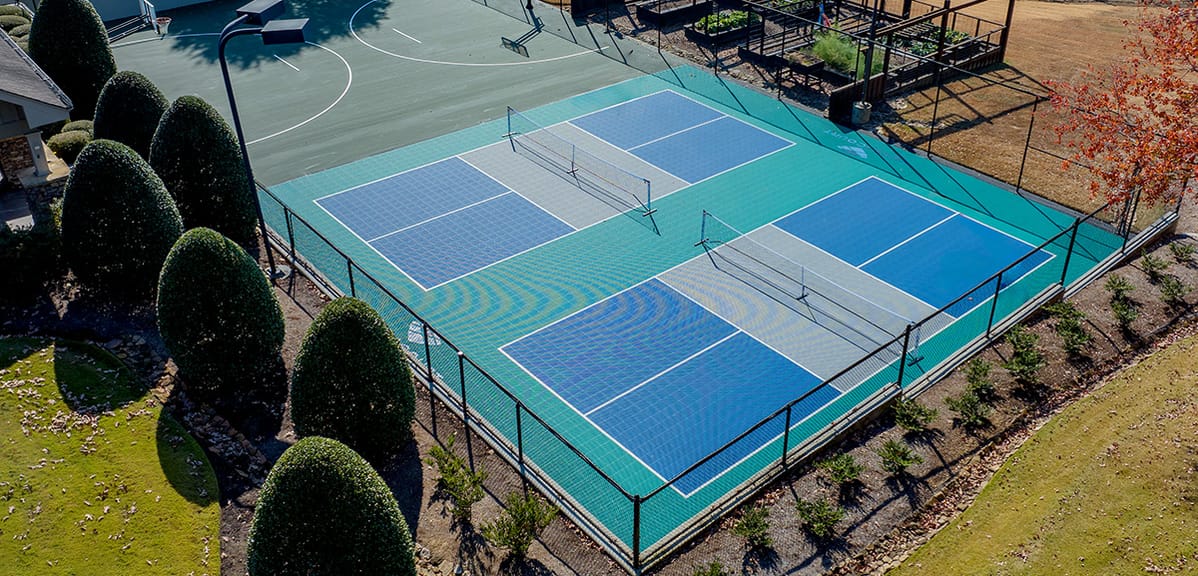
- Two courts: 10%–20% savings per court
- Four courts: 20%–35% savings per court
If you plan a complex, ask your contractor to price alternates for 2, 4, and 6 courts. It is the best way to see how much to build pickleball court at scale and where the per‑court price drops.
Outdoor vs. indoor costs
Your climate and use hours matter. If you need year‑round play or want evening leagues, plan for lights or an indoor solution.
Outdoor highlights:
- Lowest upfront
- Weather limits play in some seasons
- Lights add $8,000–$25,000 per court
Indoor options:
- Mark lines in an existing gym, use portable nets: $1,500–$6,000 per court
- Build a new metal building (about 40×70 ft for one court): $60–$140 per sq ft for shell and MEP, or $170,000–$390,000 total with slab, insulation, HVAC; add $15,000–$30,000 for sport floor and lines
If your search is how much to build pickleball court indoors, costs vary most with the building shell and HVAC. Heating and cooling a tall space can be a major share of the budget.

Step‑by‑step process and timeline
A smooth plan protects your budget. If you want to pin down how much to build pickleball court, map these steps and hold to them.
Typical timeline:
- Weeks 1–3: Site walk, survey, soil test, concept budget
- Weeks 4–6: Design, drainage plan, permits submitted
- Weeks 7–10: Grading, subbase, drainage installed
- Weeks 11–12: Paving or concrete pour and cure
- Weeks 13–14: Color coat and lines
- Weeks 15–16: Fencing, lights, and punch list
Hidden costs to watch:
- Rock removal, unsuitable soils, or tree roots
- Limited access for trucks or pavers
- Stormwater rules and detention
- Power upgrades for lighting
I keep a 10%–15% contingency until paving day. That habit saved two of my projects. It is also the honest answer when people ask how much to build pickleball court with fewer budget surprises.
Noise, lighting, and neighbor concerns
Pickleball is fun and, yes, louder than tennis at the paddle‑ball strike. Plan for it early.
Noise tips:
- Place courts 100+ feet from bedrooms when you can
- Use acoustic windscreens or panels along the nearest side
- Plant dense hedges outside the fence line
Lighting tips:
- Choose full‑cutoff LED heads to reduce glare
- Use timers and dimming to meet curfew rules
- Aim for 20–30 foot‑candles with even coverage
Checking local code before design is the polite and smart way to handle how much to build pickleball court without extra rework.

Maintenance, lifespan, and annual costs
Your court will last longer with routine care. Plan small, steady costs.
Annual and lifecycle:
- Cleaning and crack seal: $200–$600 per year
- Net replacements: $150–$300 every 3–5 years
- Windscreens: $400–$1,000 every 3–6 years
- Recoat surface: $3,000–$6,500 every 4–7 years
- Lights: LED drivers or heads last 50,000+ hours; little upkeep
Post‑tension concrete resists cracking better than asphalt in freeze‑thaw zones. If you are framing how much to build pickleball court over 15 years, PT concrete can win on total cost of ownership.
Ways to save money without regret
You can trim cost without hurting play. Cut in the right places, not the wrong ones.
Smart savings:
- Convert an existing court if you have one
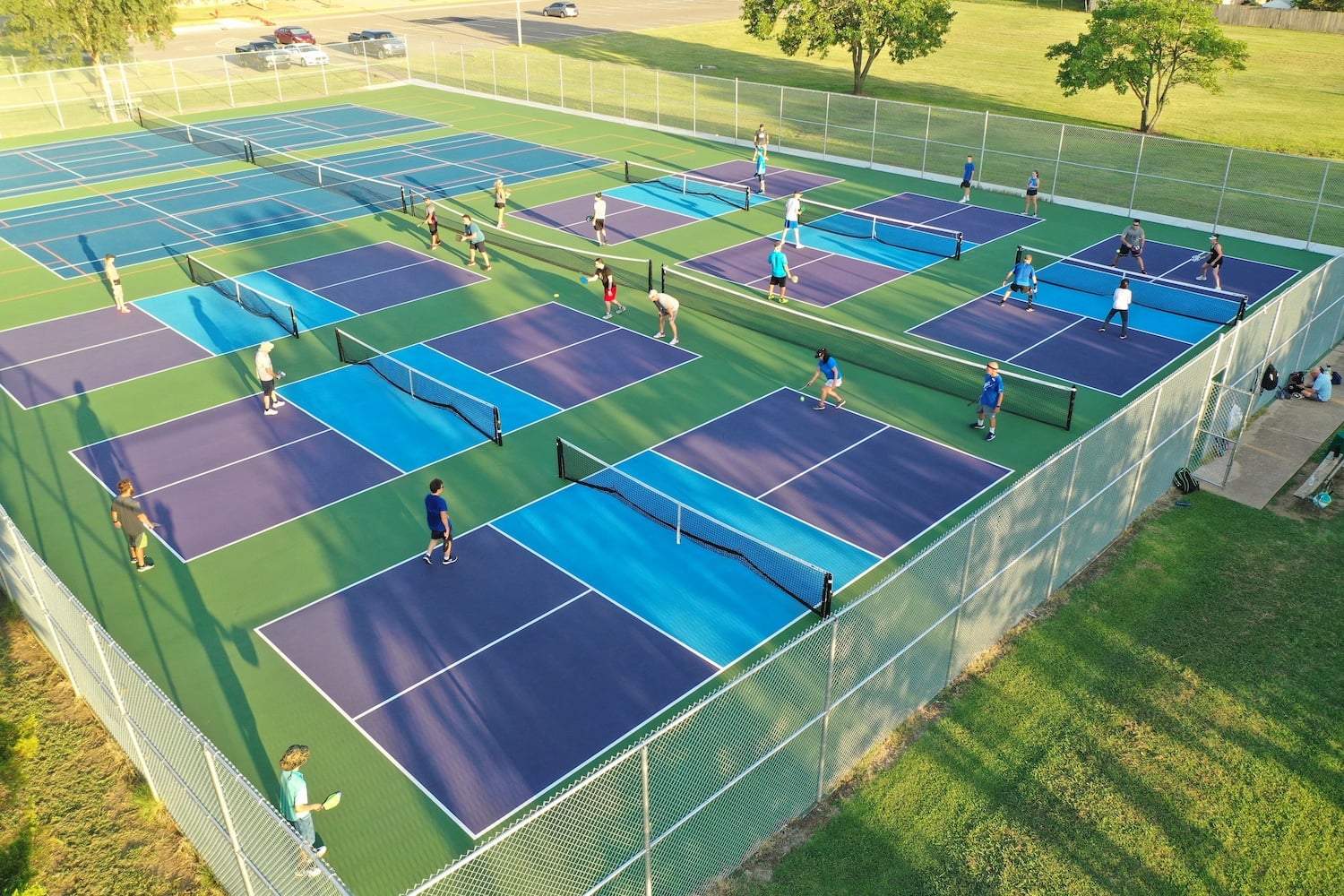
- Share fencing lines with side‑by‑side courts
- Use two higher poles with better LEDs instead of four weaker poles
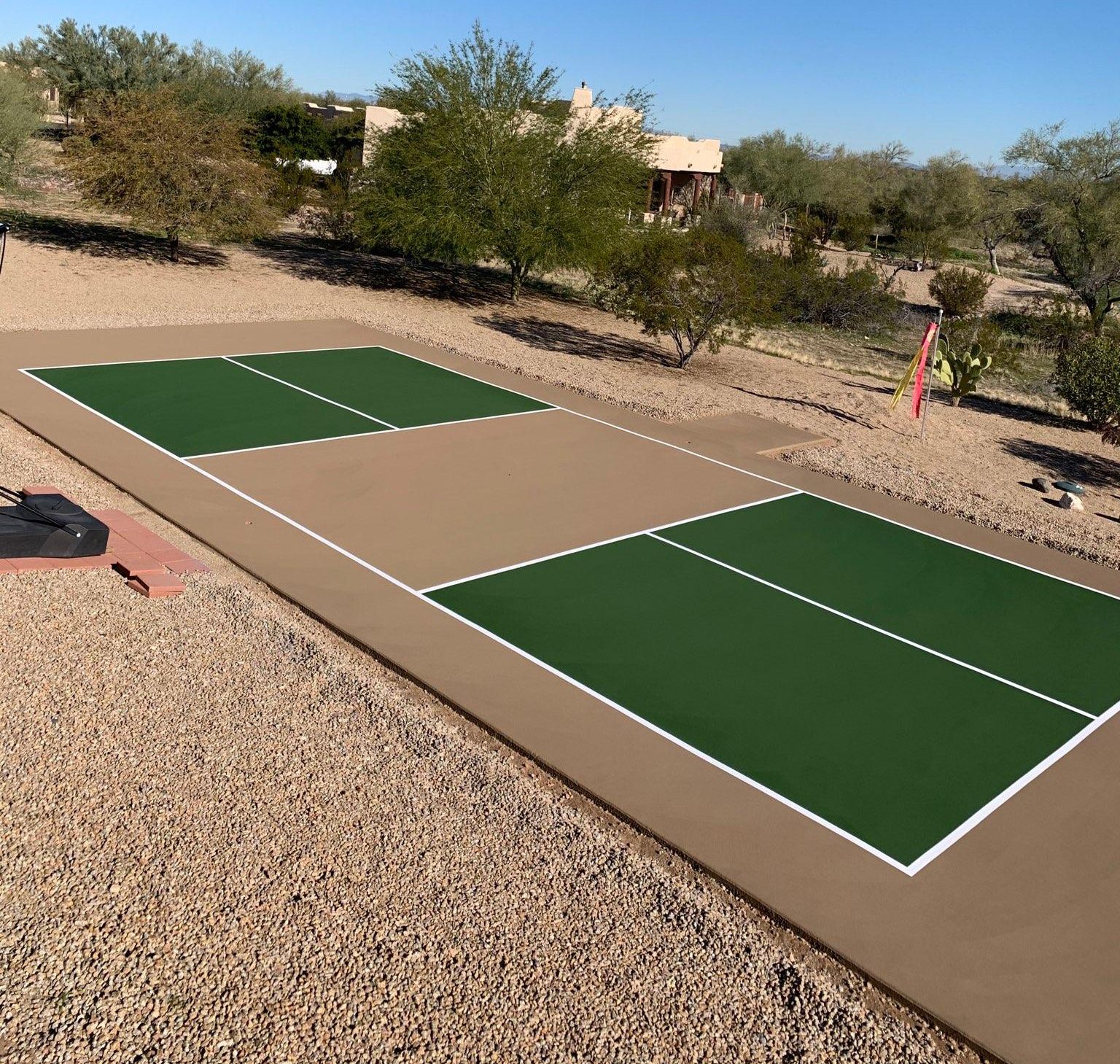
- Keep the pad to 34×64 and avoid unneeded extra apron
- Get three bids with the same spec sheets
Do not skimp on base, drainage, or surfacing. Those are the bones. If you want a lower number for how much to build pickleball court, cut extras like shade or windscreens first and add later.
Permits, insurance, and risk
Paperwork is part of the plan. It also keeps your project safe.
What to check:
- Zoning, setbacks, stormwater, and lighting rules
- HOA by‑laws and neighbor notice steps
- Builder license, references, and insurance certificates
- Written warranty for surface and lights
I always ask for a one‑year workmanship warranty at minimum. If you care about how much to build pickleball court that lasts, a solid warranty is worth a small premium.
Funding, grants, and ROI
Courts pay off in community use and health. They can also produce revenue.
Funding ideas:
- City recreation grants or health grants
- Corporate wellness sponsors
- HOA special assessments by vote
- Club memberships, lessons, and leagues
ROI thoughts:
- Weekend events drive food truck and sponsor money
- Learn‑to‑play clinics fill fast
- Multi‑court sites attract regional tournaments
If your board is asking how much to build pickleball court and why, show value in usage hours and programs, not just the build number.
Real‑world lessons from the field
On one HOA job, rock under the subgrade blew the budget by $7,800. We paused, value‑engineered fencing, and kept the plan. On a school court, we added a simple French drain that saved the surface from puddles and early cracks.
Practical takeaways:
- Pay for a soil test; it is cheap insurance
- Walk runoff paths during a rain if you can
- Keep a clean spec list to compare bids apples‑to‑apples
These small steps shape how much to build pickleball court more than people expect.
Budget calculator: sample math
Here is a quick napkin math for one lighted, outdoor court.
Example build:
- Asphalt pad: $20,000
- Surfacing and lines: $5,000
- Fence and gates: $8,500
- Lights: $14,000
- Drainage and grading: $8,000
- Permits and design: $2,500
- Amenities: $2,000
- Overhead, profit, contingency: $9,500
- Rough total: $69,500
If you are still asking how much to build pickleball court for a quality lighted setup, this example is a fair mid‑range target.
Frequently Asked Questions of how much to build pickleball court
What is the cheapest way to build a pickleball court?
Convert an existing tennis or basketball court. Expect $10,000–$35,000 for patching, surfacing, lines, nets, and some fence work.
Asphalt or concrete: which is better?
Asphalt is cheaper upfront. Post‑tension concrete costs more but resists cracks better and can be cheaper over 15–20 years in harsh climates.
How much space do I need?
The playing area is 20×44 feet. Plan about 34×64 feet for safe run‑off, fencing, and comfortable play.
Do I need lights?
Not if you play only in daylight. LED lights add $8,000–$25,000 but double your usable hours and boost program revenue.
How long does it take to build?
Two to four months for a new outdoor court is common. Weather, permits, and curing time for paving or concrete affect the schedule.
What ongoing maintenance should I plan for?
Clean the surface, clear drains, and seal small cracks each year. Recoat the color surface every 4–7 years for grip and look.
Will neighbors complain about noise?
They might if you are close to homes. Use acoustic windscreens, smart hours, and plantings to reduce impact.
Conclusion
You now know what drives cost, where to invest, and where to save. With a clear plan, honest bids, and smart choices, you can control how much to build pickleball court and build a space people love to use. Ready to move forward? Sketch your scope, request three comparable bids, and set a realistic contingency. Want more tips like this? Subscribe for updates or drop your questions in the comments.