
Most single-court installs cost $18,000–$50,000; premium builds can reach $85,000+.
If you are pricing out how much to install a pickleball court, you are in the right place. I build and manage sport court projects, and I know the real costs, the traps, and the savings. This guide breaks down every line item, with clear ranges, so you can budget with confidence and avoid surprises.

Cost at a glance
A full outdoor court with base, acrylic surface, fencing, and lines often lands between $25,000 and $65,000. A simple backyard build can come in near $18,000 to $35,000. A high-end club court with lights and shade can hit $85,000 or more.
What about indoor? If you already have a good slab, indoor striping and systems can be $8,000 to $25,000. Converting a tennis court can be cheaper. You can restripe and add portable nets for $4,000 to $15,000.
If you are asking how much to install a pickleball court, the truth is that site work and features drive most of the total. The surface is only part of the bill.
What drives the price
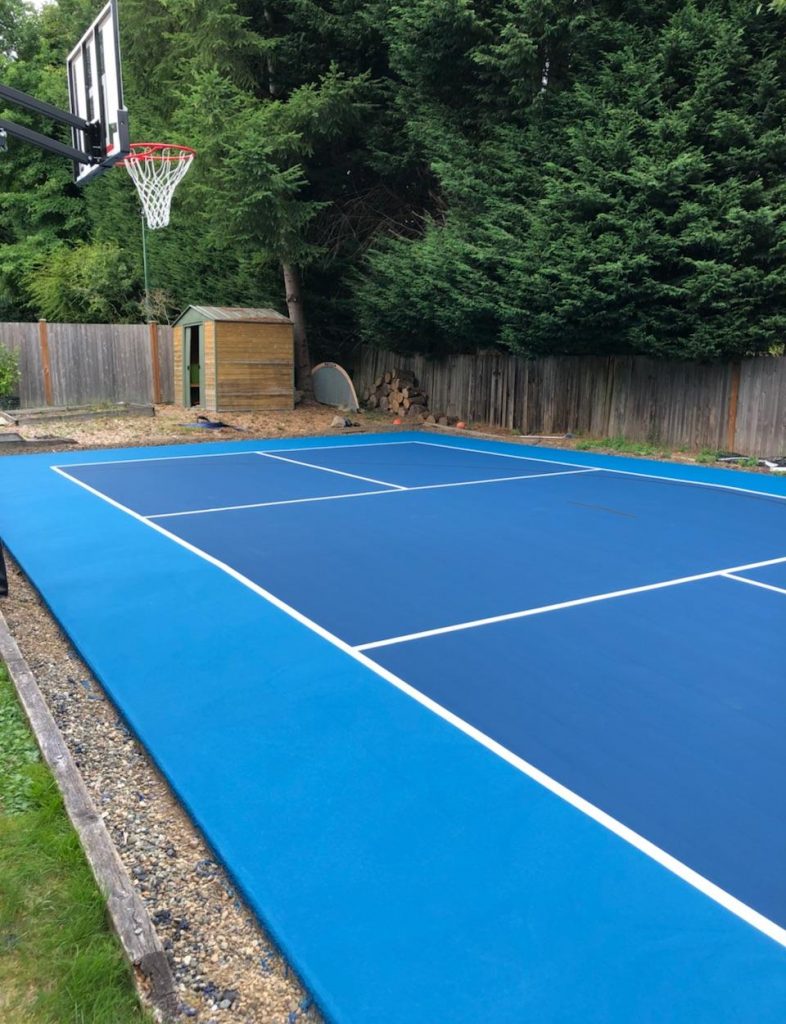
Many small choices change how much to install a pickleball court. These are the main drivers.
- Site prep and access. Flat, dry sites cost less. Steep grades, rock, or long hauls raise cost.
- Base type. Asphalt costs less up front. Post-tension concrete costs more but lasts longer.
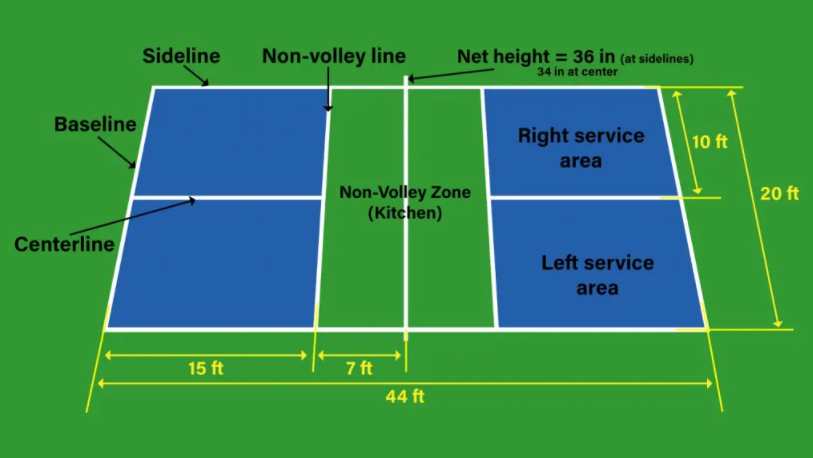
- Size of pad. Most pads are 30×60 to 34×64 feet. Larger pads add safety space and cost.
- Surfacing system. Acrylic color coatings, cushioned systems, or modular tiles vary in price.
- Fencing. Height, gates, and windscreens add cost. Corners, slopes, and footings matter too.
- Lighting. LED systems are a big ticket but add night play and value.
- Accessories. Nets, posts, benches, shade, storage, and windscreens add up.
- Drainage. French drains or swales can save the court later. They add cost today.
- Labor and region. Prices shift by market and season. Remote sites cost more.
- Permits and engineering. Local rules, HOA reviews, and stamped plans can be required.
I have seen tight sites add weeks and thousands. Good access, simple drainage, and clear plans save money and stress.

Detailed cost breakdown
Numbers vary by region. These ranges reflect recent bids and completed jobs.
- Site clearing and grading. $2,000 to $10,000. Add $5,000 to $25,000 for rock, export, or complex drainage.
- Base, compacted stone. $2 to $4 per sq ft. Often included with asphalt or concrete bids.
- Asphalt slab, 2 to 3 lifts. $5 to $10 per sq ft.
- Post-tension concrete slab. $8 to $14 per sq ft. Higher up front, lower long-term cracking.
- Acrylic color coating system. $1.50 to $4 per sq ft. Add cushion for $3 to $6 per sq ft more.
- Modular sport tiles. $4 to $9 per sq ft for tiles only. Needs a sound slab below.
- Court striping. $300 to $1,000 per court.
- Net posts and net. $600 to $1,500. Portable nets are $150 to $400.
- Perimeter fencing, 10 feet high chain-link. $40 to $75 per linear foot. One court often needs 160 to 200 feet.
- Windscreens. $4 to $8 per linear foot. Hardware extra.
- Sports lighting, LED, poles, bases, wiring. $10,000 to $30,000 for a single court.
- Seating and shade. $1,000 to $8,000.
- Permits, surveys, engineering. $200 to $7,000, based on local rules.
- Contingency. Plan 10% to 15% for unknowns.
Put it together, and you can see how much to install a pickleball court depends on extra features. A fence and lights alone can double the base build cost.
Outdoor vs indoor vs conversion
Outdoor new build is the most common path. It gives full control over base, slope, and drains. It also brings the largest spread in price.
Indoor on an existing slab can be fast and clean. If the slab is level and dry, costs drop. You may pay for floor coating, posts, and acoustics.
Tennis court conversions are budget friendly. You can restripe and use portable nets to test demand. Permanent posts, divider nets, and partial fences cost more but feel better.
- Outdoor new build. $25,000 to $85,000+.
- Indoor, slab in place. $8,000 to $25,000.
- Tennis conversion, basic. $4,000 to $15,000.
- Tennis conversion, premium. $20,000 to $60,000 with posts, mini-fence, and lights.
When you ask how much to install a pickleball court, check what you already have. A good slab or an old tennis court can save a lot.
Backyard budgets: example scenarios
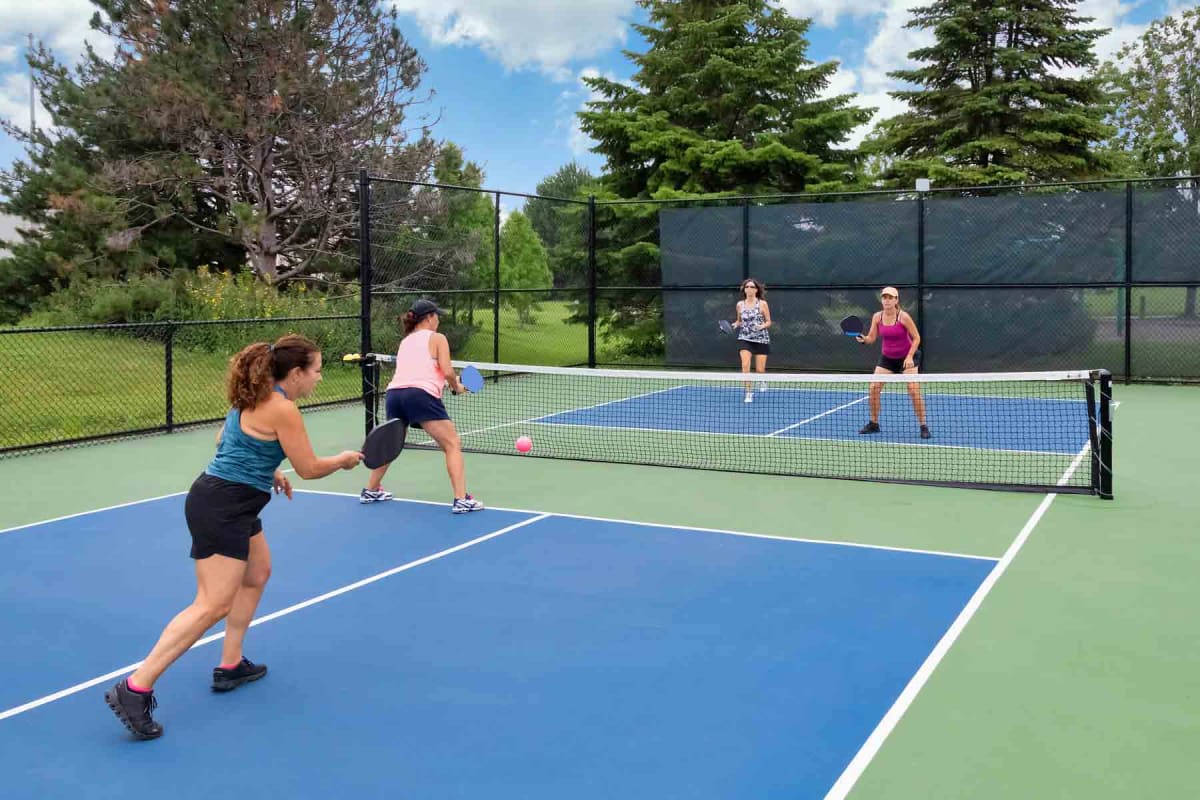
Here are simple budgets I see most often. Costs assume a single court pad around 30×60 feet.
- Starter backyard court. Asphalt base, acrylic color, lines, portable net. $18,000 to $28,000.
- Mid-tier backyard court. Asphalt, acrylic color, 10-foot fence on ends, windscreens, fixed posts. $28,000 to $45,000.
- Premium backyard court. Post-tension concrete, cushioned acrylic, full fence, LED lights, shade. $55,000 to $85,000.
I use these as planning anchors. Then we fine-tune for site, access, and your must-haves. This helps set clear expectations on how much to install a pickleball court before we break ground.
DIY vs professional installation
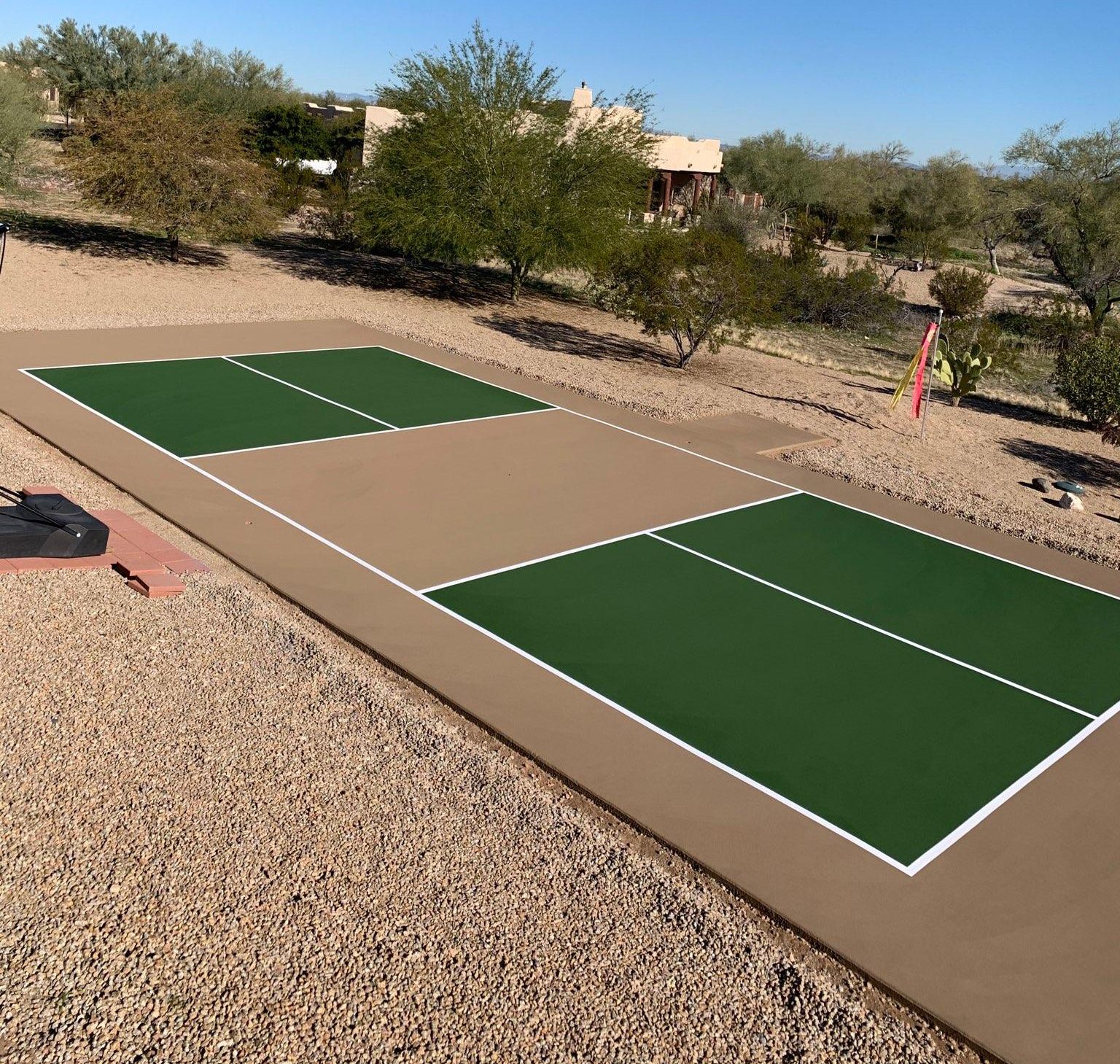
DIY can work for simple courts. It shines when the slab already exists. You can paint, stripe, and set up a portable net in a weekend.
Where DIY falls short is base work. Grading, compaction, and drainage set the life of the court. I have fixed many DIY pads that cracked or held water. Those fixes cost more than hiring a pro from the start.
A hybrid plan can work well. Hire pros for earthwork and slab. DIY the color coats, lines, and nets. This can shave 10% to 25% off how much to install a pickleball court.
Timeline, permits, and zoning
Most single courts take 2 to 6 weeks of field time. Weather and lead times can stretch that. Supply for lights and windscreens can add weeks.
Check your zoning early. Some areas limit fence height, lights, or noise. HOAs often require a review. Permits can be simple, but not always. Ask the city about stormwater, erosion control, and setbacks before you order materials.
A fast permit plan reduces how much to install a pickleball court by avoiding delays. Time is money in every build.
Mistakes to avoid and pro tips
I have seen the same mistakes again and again. Here is how to skip them.
- Skipping drainage. Courts that pond will fail. Pitch the pad and direct the water.
- Thin base or poor compaction. Cracks and dips show up fast. Do not rush this step.
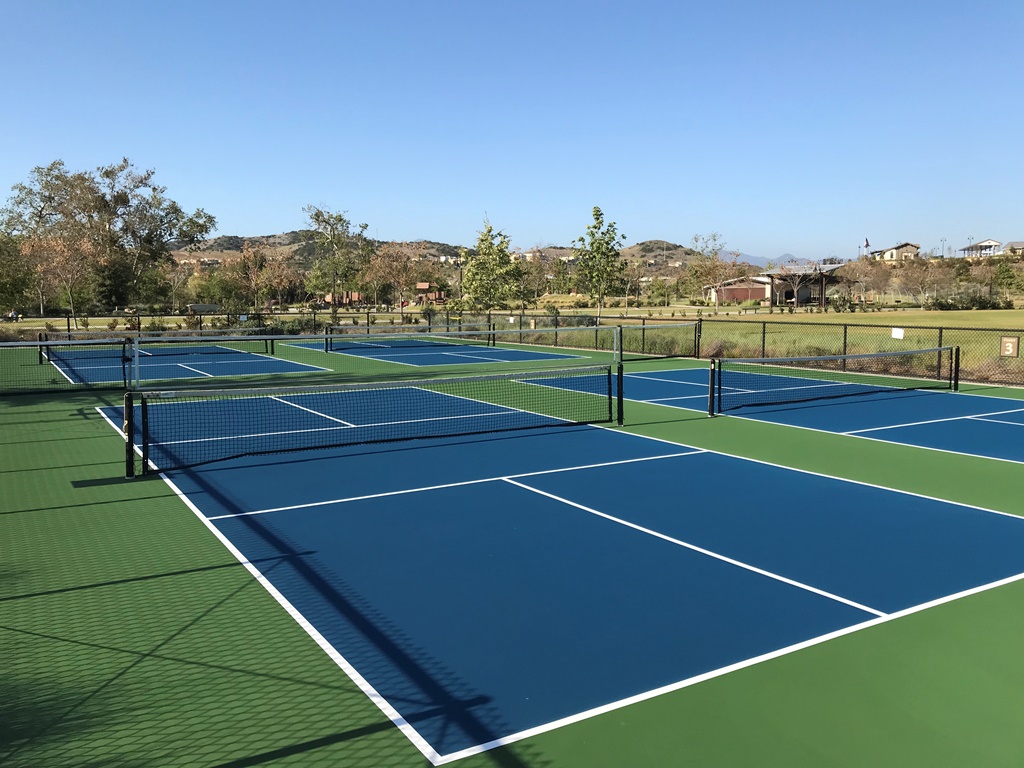
- Ignoring sun and wind. Align the long axis north–south. Plan windbreaks and shade.
- Underlighting. Two poles feel dark. Four poles with LED optics play better.
- No contingency. Set 10% to 15% aside. Surprises happen.
Smart moves save money and stress. They also reduce how much to install a pickleball court across the life of the court, not just on day one.
Ongoing maintenance costs and lifespan
Plan for small yearly costs. Courts last longer with care.
- Clean and blow off debris. $0 if DIY. A few hours each month.
- Recoat acrylic color. Every 4 to 7 years. $3 to $6 per sq ft.
- Crack repair on asphalt. Budget $200 to $1,000 per year.
- Net and windscreens. Replace every 3 to 5 years. $300 to $1,500.
Post-tension concrete has fewer cracks over time. Modular tiles move water fast but need clean slabs below. Good care lowers the lifetime cost of how much to install a pickleball court.
How to hire a contractor and get quotes
Good bids are clear and complete. Ask each bidder to include the same scope so you can compare apples to apples.
- Ask for recent photos and references for courts built in your climate.
- Request line-item pricing for base, surface, fence, lights, and accessories.
- Confirm slope, joints, and coating specs in writing.
- Check warranty terms. Ask how cracks and ponding are handled.
- Verify insurance and permits.
Get at least three bids. Give each the site plan and the same spec sheet. This cuts fluff and can lower how much to install a pickleball court by reducing change orders.
ROI for clubs, HOAs, and schools
Courts can pay for themselves. The math is simple.
- Open play passes and memberships bring steady cash.
- Court rentals, lessons, and leagues fill off-peak hours.
- Events and small tournaments boost community and revenue.
A well-lit court can earn after work hours. Higher use spreads fixed costs. This can change how much to install a pickleball court feels over time. It shifts from a cost to an asset.
Frequently Asked Questions of how much to install a pickleball court
How much space do I need for one court?
A 30×60 foot pad works for most homes. Many pros prefer 34×64 feet for more safe run-off.
What is the cheapest way to build a court?
Use an existing slab and add acrylic color and lines. A portable net keeps cost low and flexible.
Is asphalt or concrete better?
Asphalt is cheaper up front. Post-tension concrete costs more, but it resists cracks and lasts longer.
Can I put a court on my driveway?
Yes, if it is flat, sound, and drained. Use a portable net and tape or paint lines.
How long does it take to install a court?
Most builds take 2 to 6 weeks, plus permits. Weather and special orders can add time.
Do I need lights?
No, but lights extend play hours and boost value. LEDs cost more at first but save power over time.
Conclusion
Now you have a clear view of how much to install a pickleball court and why costs vary. Start with your site, pick the right base, and add features that matter to you. Get three solid bids with the same scope, and keep a small contingency to stay calm when surprises pop up.
Ready to move forward? Use this guide to map your budget, then request quotes from local sport court pros. If you found this helpful, subscribe for more build guides, or drop a comment with your project details so I can help you plan the next steps.