How to become a pickleball coach: gain certification, teach often, secure insurance, and market smart.
If you want a clear, practical roadmap on how to become a pickleball coach, you’re in the right place. I’ve coached players from first-time dinks to tournament finals, and I’ll show you what works in the real world. You’ll learn the exact steps, from training and certifications to pricing, marketing, and building a steady calendar of clients. Let’s get you court-ready.
What a pickleball coach actually does
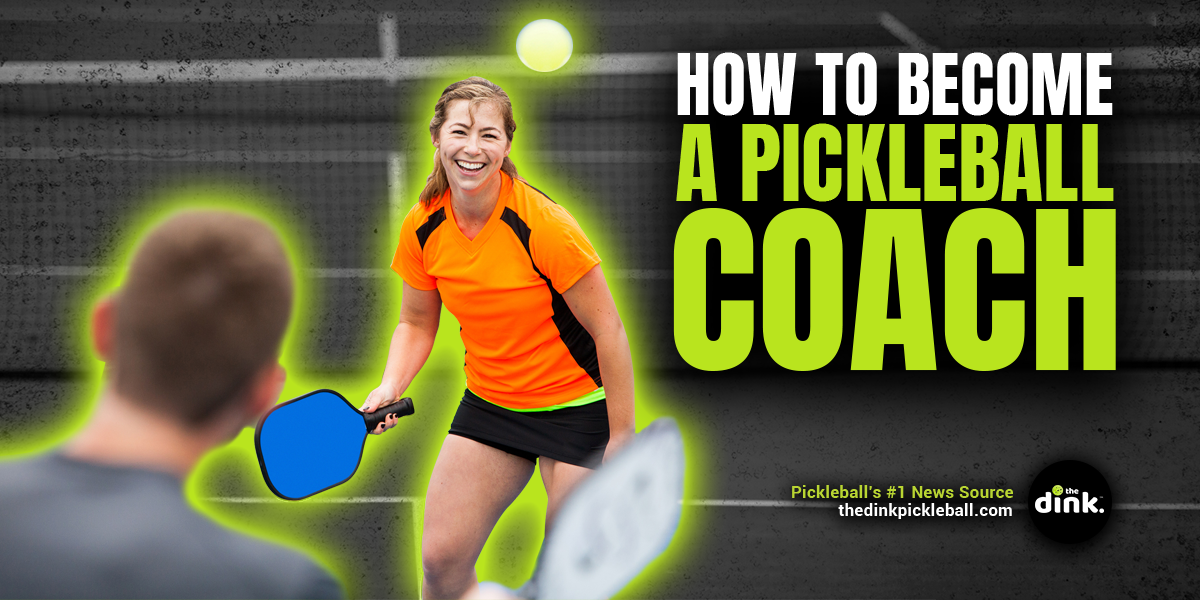
A pickleball coach helps players learn faster and feel confident on court. You design sessions, pick the right drills, and give simple cues that stick. You also keep players safe and motivated.
In my early coaching days, I found that one clear focus per session was key. If we worked on the third shot, we did nothing else. Clients improved, stayed happy, and booked more sessions. That is the heart of how to become a pickleball coach who gets results.
What you handle day to day:
- Assess player levels with a short warm-up and rally.
- Teach core skills like serve, return, dinks, and drops.
- Build game sense with positioning, shot choices, and footwork.
- Use progressions that go from easy to live play.
- Give feedback that is short, positive, and specific.
- Track progress and plan the next session.

How to become a pickleball coach: a step-by-step roadmap
Here is a clear path you can follow. It works whether you coach part-time or full-time.
-
Audit your own game
Film a short match. Note your strengths and gaps. You do not need to be a pro, but you should model sound basics. -
Learn the rules and ratings
Study rules and how ratings work. This helps you place players in the right drills and groups. -
Shadow a local coach
Watch sessions. Take notes on flow, safety, and cues. Ask to help feed balls or set targets. -
Choose a certification path
Most coach bodies offer beginner and advanced levels. Pick one that fits your goals and timeline. -
Get First Aid, CPR, and safety training
This builds trust with venues and clients. It also keeps players safe in heat and high pace drills. -
Secure insurance and a venue
Obtain liability insurance. Get a permit or partner with a local club, school, or HOA. -
Build a simple starter curriculum
Plan four to six sessions. Each session has one clear goal, one drill, and one game. -
Set pricing and packages
Offer private, semi-private, and small clinics. Add a first-timer promo to reduce risk for new clients. -
Market and book sessions
Create a clean profile, a simple website, and social pages. Post short tips and client wins. -
Track results and refine
Use a one-page player log. Note two wins and one focus for next time.
This is the core of how to become a pickleball coach with a steady stream of happy players. Start lean, then improve as you learn.

Pick your coaching niche and pathway
Choosing a niche speeds up your growth. It also helps your marketing. When people know what you do best, they come to you.
Youth beginners
Make it fun, fast, and safe. Use targets and short games. Keep instructions very short.
Adult recreational
Focus on consistency and simple strategy. Small groups work great here.
Competitive and tournament prep
Add video, structured progressions, and match plans. Work on serve plus-1, third shot patterns, and counters.
Adaptive and inclusive coaching
Use softer balls, low nets, or lighter paddles. Keep drills short and build rest into the plan.
If you want to know how to become a pickleball coach who stands out, pick a lane. Then become the best in that lane.
Certifications, insurance, and legal basics
Certifications help you learn standards and gain trust. Most programs include online study, on-court testing, and continuing education. You can start with a base level, then add advanced or specialty badges.
Insurance is not optional. Secure general and professional liability coverage. Typical limits are one million per claim and higher in total. Many venues require you to list them on your policy.
Legal basics to cover:
- Business structure. Many start as sole proprietors, then move to an LLC as they grow.
- Agreements. Use a simple waiver and a clear cancellation policy.
- Background checks. Many facilities require them, especially for youth sessions.
- Safety education. Complete a recognized course on abuse prevention and safe coaching practices.
These steps are vital in how to become a pickleball coach people can trust with their time and well-being.

Build a simple, proven curriculum
A good curriculum is clear and repeatable. It keeps sessions focused and results steady.
Core skills by level
Beginner focus:
- Continental grip, ready stance, and split step
- Serve and return to deep targets
- Dinks with soft hands and compact swings
Intermediate focus:
- Third shot drop and drive decision
- Transition footwork and resets
- Lob defense and overheads
Advanced focus:
- Pattern play and pressure drills
- Speed-up recognition and counters
- Poach timing and signals
My go-to drills
- Dink ladder. Two players climb from NVZ to cross-court angles with targets.
- Serve plus-1. Serve deep, return deep, third shot to space. Repeat with score.
- Transition lane. Start at baseline, drop or reset into the kitchen under live feed.
- Chaos box. Feed random balls. Player calls “drop,” “drive,” or “reset” out loud.
Write one-page lesson plans with the goal, two key cues, and one scoring game. This is how to become a pickleball coach who looks prepared and calm on court.
Coaching tools and technology that save time
You do not need much to start. A few tools can boost quality fast.
Essentials:
- Cones, tape, and flat markers for targets
- A simple video app on your phone
- A ball hopper and extra indoor and outdoor balls
- A portable net if you teach in parks
- A whiteboard or clipboard for quick plans
Time-savers:
- Scheduling software for bookings and payments
- A shared note for each client with goals and drills
- Short video clips to show ideal form and footwork
With smart tools, you make sessions smoother. That is a big part of how to become a pickleball coach clients recommend to friends.

Pricing, packages, and marketing
Start simple and fair. Adjust with demand and results.
Suggested pricing framework:
- Private sessions. Set a base hourly rate that fits your area.
- Semi-private. Slightly higher total, lower per person.
- Small clinics. Lower per person, clear theme, and capped numbers.
- Packages. Offer bundles of four or eight with a small discount.
Marketing that works:
- Create a basic website with your story, services, and booking link.
- Set up a business profile so you show in local searches.
- Post short tip videos and client wins twice a week.
- Partner with local clubs, gyms, HOAs, and schools.
- Collect testimonials and add them to your site.
If you need to explain how to become a pickleball coach to a friend, show them this mix: fair pricing, clear offers, and steady posting.

Build experience fast: from volunteer to paid
When I started, I hosted a free Saturday intro clinic. I capped it at eight players. I gave everyone one clear win to take home. Half of them booked paid lessons.
Ways to grow your hours:
- Run pilot clinics for a local group or office team.
- Offer a first-lesson guarantee for new players.
- Ask for a short testimonial after three sessions.
- Create before-and-after clips to show progress.
- Start a referral reward for clients.
Experience compounds. This momentum is the “secret sauce” in how to become a pickleball coach with a full calendar.

Safety, ethics, and athlete well-being
Safety starts before the first ball. Do a fast warm-up, check the court, and set rest breaks. Watch for heat stress and slip risks.
Ethics in practice:
- Keep clear boundaries and communicate with respect.
- Use age-appropriate drills and loads.
- Get consent before filming or sharing content.
- Match players by level to reduce injury risk.
A safe space keeps players coming back. It is central to how to become a pickleball coach who earns long-term trust.
A 90-day launch plan
Week 1 to 2
- Choose your niche and draft your offer.
- Outline four lesson plans and your safety checklist.
- Price your services and set a cancellation policy.
Week 3 to 4
- Complete a certification module and safety training.
- Buy essentials: cones, balls, hopper, and video app.
- Set up insurance and confirm your venue.
Week 5 to 6
- Shadow a coach and run one free clinic.
- Collect feedback and one testimonial.
- Open bookings on your website and socials.
Week 7 to 8
- Launch two themed clinics per week.
- Add private and semi-private sessions.
- Post short tips and client wins twice a week.
Week 9 to 10
- Review pricing and fill slow times with promo bundles.
- Film three clients and send simple feedback clips.
- Ask for reviews on your business profile.
Week 11 to 12
- Track revenue, hours, and client retention.
- Refine your curriculum and next clinic themes.
- Plan your next certification or specialty course.
This plan shows how to become a pickleball coach in a structured, low-stress way.
Frequently Asked Questions
Do I need to be an advanced player to coach?
No. You need solid basics, clear teaching, and safe progressions. Keep learning and stay one step ahead of your players.
How long does it take to become a coach?
You can start in 60 to 90 days with focus. Certifications, safety training, and real court hours speed it up.
How much can a pickleball coach earn?
It varies by area and offer. With clinics and privates, part-time coaches can earn steady side income, and full-time coaches can scale well.
Do I need certification to coach?
Not always, but it helps you learn standards and land venues. Many facilities and schools prefer certified coaches.
What gear do I need to start?
A hopper, cones, spare balls, and a simple video app are enough. Add a portable net and targets as you grow.
How do I get my first clients?
Run a free intro clinic and collect emails. Post tips and wins, and ask for referrals from happy players.
Should I get insurance before coaching?
Yes. Insurance protects you and your clients and is often required by venues. Get coverage before your first session.
Conclusion
You now have a clear playbook for how to become a pickleball coach. Start lean, focus each session on one goal, and build trust with safety and simple wins. With steady practice, smart marketing, and ongoing learning, you can turn passion into a real coaching career.
Ready to take the first step? Pick your niche, plan your first clinic, and open bookings this week. Want more guides like this? Subscribe, share your questions, or drop a comment with your coaching goals.