Earn a respected certification, master coaching skills, build clientele, and market smartly.
Ready to turn your passion for pickleball into a real coaching career? This guide shows how to become a pickleball instructor from start to finish. You will learn the skills, certifications, business steps, and simple tactics that work in the real world. I’ll share lessons from the court, so you avoid common mistakes and start fast with confidence.
What a Pickleball Instructor Really Does
A pickleball instructor teaches people how to play with skill and joy. You plan lessons, fix form, explain strategy, and keep things safe. You also build a clear path for growth, so players know what to practice next. If you want to know how to become a pickleball instructor, start by seeing it as both teaching and service.
Great instructors do more than feed balls. They analyze footwork, paddle angles, and court choices. They manage groups, listen well, and make drills feel fun. They also run a small business, even if they work in a club.
The Skills You Need Before You Coach
You do not need to be a pro. But you should play at a solid level. Aim to rally with control, place serves and returns, and hold a dink exchange. Your goal is to model good habits, not flash.
Key coaching skills help you stand out:
- Clear cues that are short and easy to remember
- An eye for small fixes, like contact point or split step timing
- Simple progressions that build one skill at a time
- Patience, safety awareness, and a friendly tone
If you want to learn how to become a pickleball instructor, build these skills before you teach strangers. Offer a few free sessions to friends first. Track what works and what does not.
Step-by-Step: How to Become a Pickleball Instructor
-
Play and study the game
Learn the rules, court zones, and high-percentage shots. Record your play to spot habits. If a friend films you, you will see more than you feel. -
Shadow a coach
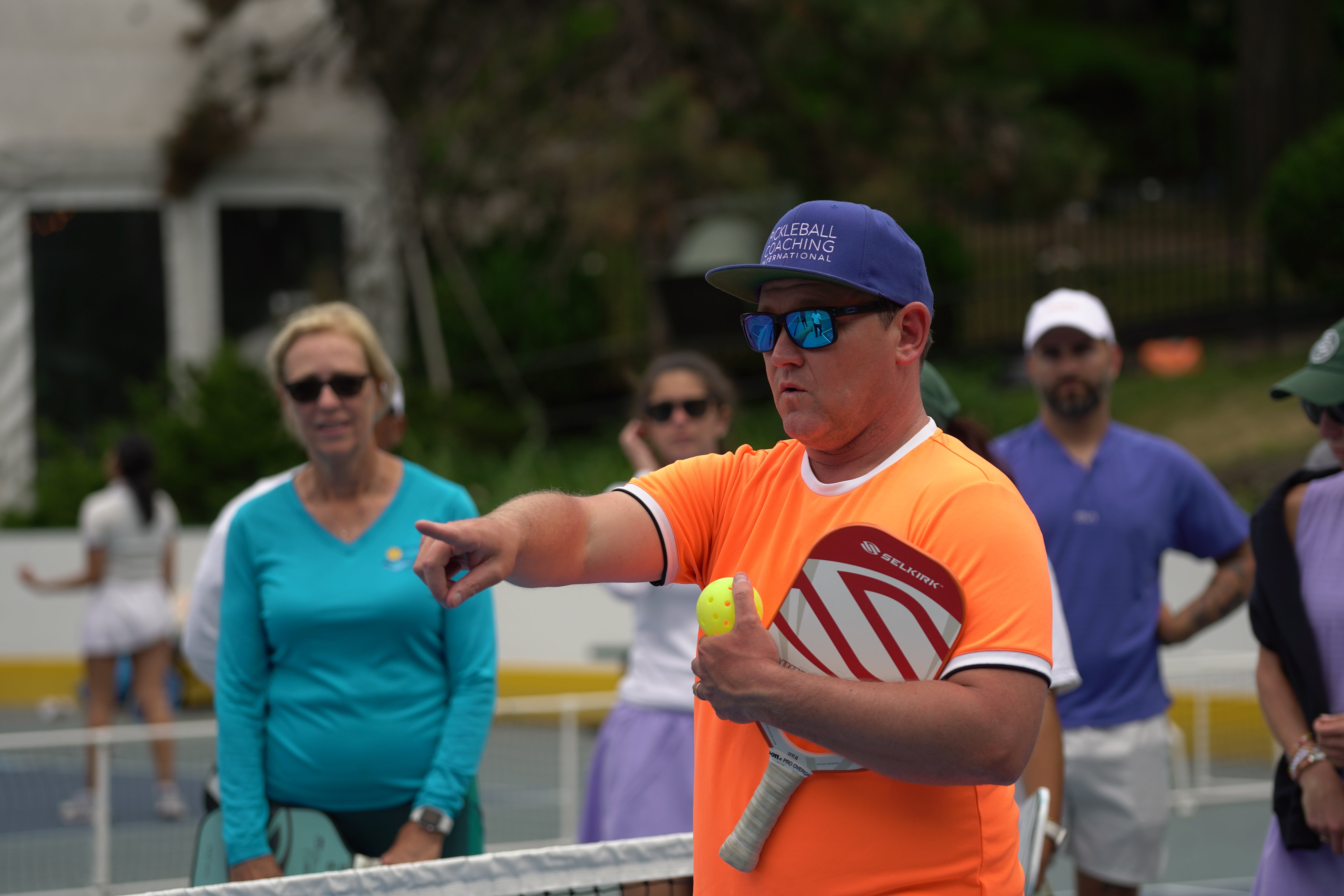
Watch a good coach run a clinic. Note drill flow, cues, and how they manage mixed levels. This is the fastest way to see how to become a pickleball instructor in action. -
Get certified
Choose a recognized program with a skills test and teaching exam. A respected badge builds trust with clubs and players. -
Earn CPR/AED and first aid
Safety builds trust. Many facilities require it. It is good for you and your players. -
Get insured
Coaching without liability insurance is risky. Get coverage before your first paid lesson. -
Set up your business basics
Pick a name, track income and costs, and get an EIN if needed. Ask a tax pro if you should be a sole proprietor or LLC. -
Create lesson plans and packages
Plan single lessons, series, and clinics for each level. Use clear goals for each session. -
Market and fill your calendar
Build a simple website or booking page. Post tips on social media. Partner with local courts, gyms, and HOAs. -
Measure and improve
Ask for feedback. Track results. Update your drills. This is how to become a pickleball instructor who stays booked.
Certifications and What They Cost
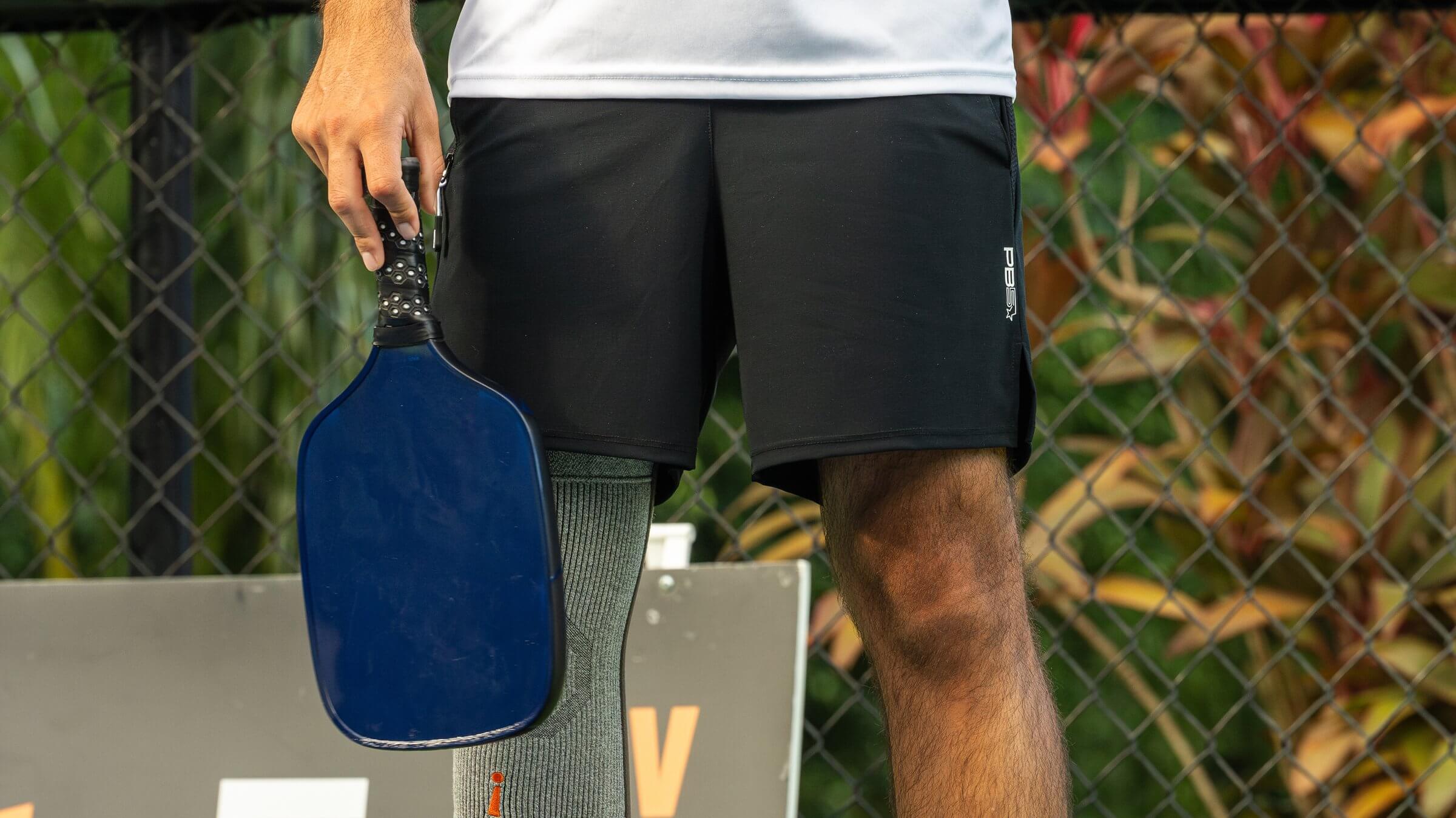
Certification shows you can teach, not just play. Look for programs that test both skills and coaching. Many include rules, safety, and on-court evaluations. Top programs also offer ongoing education and a coach directory.
Typical costs include:
- Course fee and exam
- Annual dues for renewal
- Optional workshops for specialty topics
The return is strong. Facilities trust certified coaches. Players see you as a pro. If you are serious about how to become a pickleball instructor, put certification near the top of your list.
Safety, Insurance, and Legal Basics
Protect yourself before you teach. Liability insurance is a must. It covers you if someone gets hurt during your lesson. Many cert programs offer access to group rates.
Keep a few basics on hand:
- First aid kit and ice packs
- Extra water and sunscreen
- Waivers for private and group sessions
Know your facility rules. Some venues require permits or background checks. If you plan to coach often, ask a tax pro about tracking income. These steps may not be flashy, but they are key in how to become a pickleball instructor with a stable business.
Build Lessons That Players Love
Great lessons feel clear, fast, and fun. Use short demos and short reps. Keep most drills live or semi-live. Add simple targets or zones to aim at. Players learn faster when they get lots of quality reps.
A simple lesson flow:
- Warm-up with a purpose, like dink control to crosscourt
- One core skill focus, like third-shot drop or reset
- A game-like drill to test it under light pressure
- A short challenge or mini-game to lock it in
My first clinic tried to teach three skills at once. It flopped. Now I teach one focus per session. Players leave happier and improve faster. This is a big key in how to become a pickleball instructor who gets referrals.

Pricing, Packages, and Income Models
Price by value, not by minutes. Your plan, eye, and results are what clients buy. Offer tiers for solo, semi-private, and small groups.
Simple options:
- Private lesson, 60 minutes
- Semi-private, 2 players
- Small group clinic, 4–8 players
- Series package, like 4 sessions at a small discount
Group clinics can raise your hourly rate while keeping per-person costs low. Use packages to boost commitment and results. If you track your time and travel, you will find the best fit for your market.
Marketing That Works Without Feeling Salesy
You do not need to shout. Share value. Post one short tip video each week. Share before-and-after stories with permission. Teach a free intro clinic at a local court to meet players.
High-return tactics:
- A simple website with bio, services, prices, and booking
- Google Business Profile with photos and reviews
- Partner with clubs, HOAs, and rec centers
- Email list with practice plans and clinic updates
Here is the heart of how to become a pickleball instructor who stays busy: help first, sell second. When people learn from you, they want more.

Tools and Tech to Run Your Coaching Business
Keep admin light so you can coach more. Use a booking app to handle slots, reminders, and payments. Auto texts cut no-shows. A simple spreadsheet tracks revenue and costs.
Helpful tools:
- Calendar and booking platform
- Mobile payment app
- Note app for player goals and drills
- Tripod and phone for swing video
I film two clips per player per session. One early, one late. They can see the change. It keeps them fired up and shows clear value.
Common Mistakes to Avoid
Do not overload players with cues. One or two at a time is enough. Do not lecture. Keep them moving. Avoid drills that are not game-like. If it will not show up in a match, skip it.
Other traps to watch:
- No safety plan or waiver
- Vague goals and random drills
- Pricing that does not match your market
- No follow-up. Send a short recap and homework.
If you want to know how to become a pickleball instructor that players trust, keep it simple and repeatable. That is what scales.
Measure Results and Grow Your Career
Track wins you can see. Serve targets hit. Dink streaks. Third-shot drops that land in the kitchen. Note progress and share it. Players love proof.
Growth ideas:
- Add level-specific clinics
- Offer doubles strategy workshops
- Host mini leagues or bootcamps
- Build a referral program with small perks
When people ask you how to become a pickleball instructor, show them your system. Clear plans, steady results, and kind service. That mix keeps your calendar full.
Frequently Asked Questions of how to become a pickleball instructor
Do I need certification to start teaching?
Certification is not always required, but it helps a lot. It builds trust with clubs and players and gives you a clear framework.
What skill level should I be to coach?
You should control rallies and demo core shots with good form. You do not need to be elite, but you should model solid habits.
How much can instructors earn?
Income varies by city and format. Many coaches raise their hourly rate with group clinics and packages.
What insurance do I need?
Get professional liability insurance for instructors. Many facilities require it, and it protects you if an injury happens.
How do I find my first clients?
Start with a free intro clinic, then offer a discount for the first lesson. Ask for reviews and referrals after you deliver results.
Which drills work best for beginners?
Use simple target drills and short rallies with clear cues. Keep reps high and progress to game-like play fast.
How long should a lesson be?
Most private lessons run 60 minutes. Groups often run 75–90 minutes to allow more reps and rotation.
Conclusion
You now have a simple, proven plan for how to become a pickleball instructor. Build solid skills, get certified, set up your business, and serve players with clear lessons and steady results. Keep things safe, simple, and fun.
The next step is action. Draft your first lesson plan today. Book a court, invite two friends, and practice your flow. If this guide helped, share it with a friend, subscribe for more tips, or leave a question so I can help you get started.