
Train daily, master fundamentals, compete often, and build mental toughness.
If you want to know how to become a pro pickleball player, you are in the right place. I coach, drill, and play with rising players each week. I see what works on the court and what fails under pressure. This guide shares a clear plan to go from strong rec play to real pro results. Stay with me, and I will show you a simple path you can start today.
The Pro Path: What “Pro” Really Means
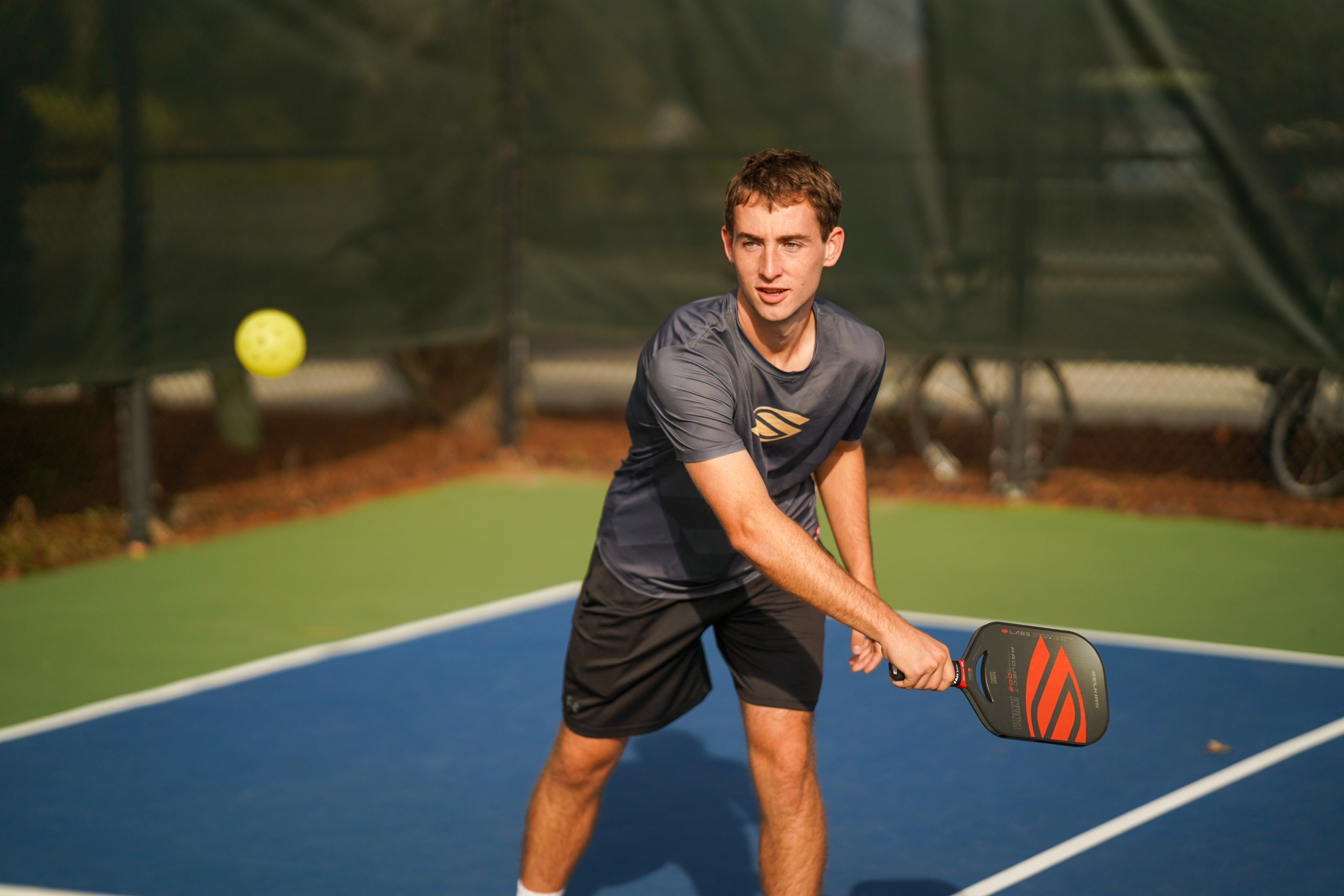
Pro in pickleball means you can win at top events and earn from it. You have a rating near the top of your region or country. You can hang with top 5.0 and open-level players. You also play on major tours and build a brand.
Here is how to become a pro pickleball player from a career view. You rise through local events first. Then you chase points and results at larger events. You build skill, a team, and a plan to travel. You learn how ratings work so your matches place you right.
Key checkpoints:
- You hold a high player rating in your area. Focus on win rate.
- You earn draws into pro or open brackets.
- You gain partners who can go deep in each draw.
- You get support from a coach or a small training group.
Pros are not just flashy. They are repeatable. They show the same level in match after match. That is what you will build here.
Skills Every Pro Needs
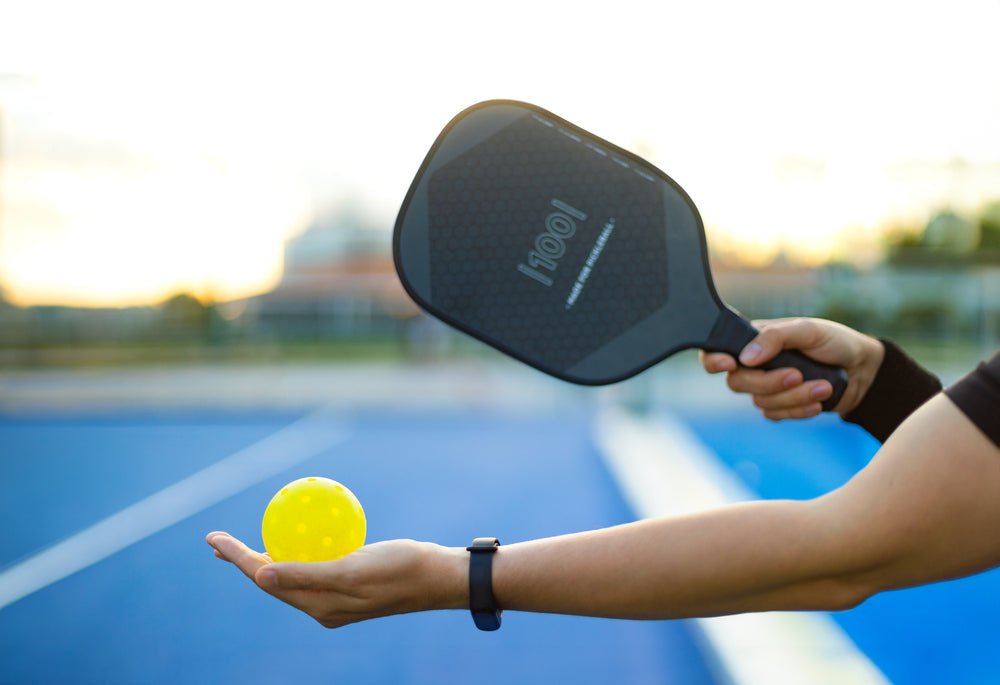
You need solid strokes that hold under stress. Your goal is to make fewer errors and force weak balls. That is how to become a pro pickleball player in real match play.
Serve and Return
- Use a deep, consistent serve. Aim three feet from lines.
- Mix pace and spin, but keep misses low.
- Return deep and cross-court. Give yourself time to reach the kitchen.
The Third Shot
- Drop the ball soft into the kitchen. Aim at feet.
- If they float, drive down the line or middle.
- Practice both drops and drives so you can read the ball.
Dinking and Hand Battles
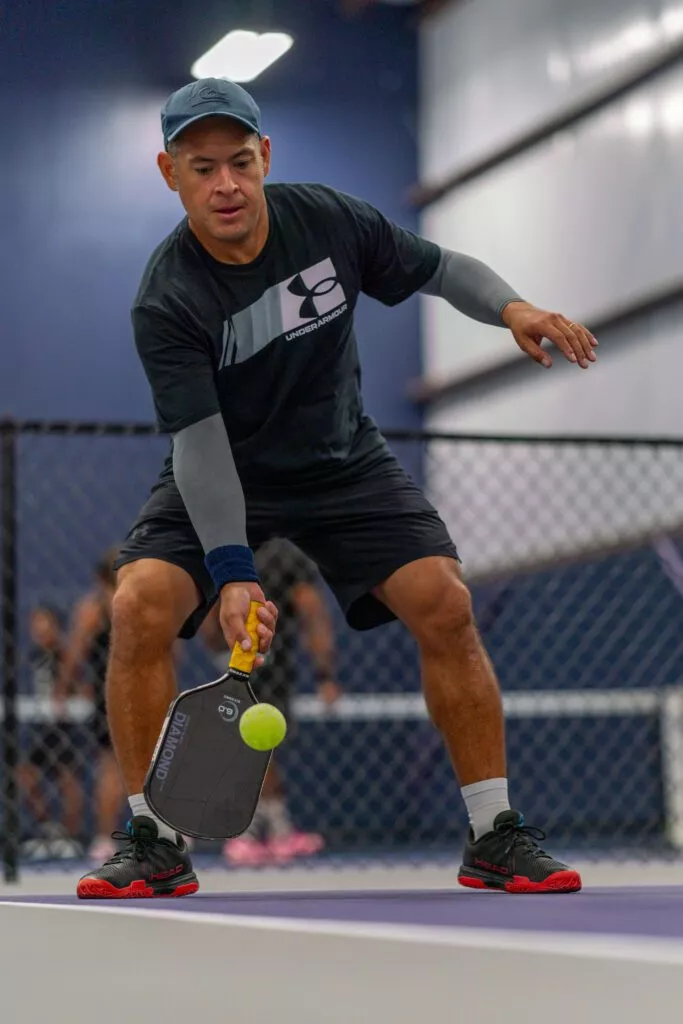
- Keep dinks unattackable. Net high, near the sideline or at toes.
- Speed up on your terms. Use a setup dink to create a pop-up.
- Work your hands. Practice volley to volley at fast speed.
Overheads and Lobs
- Overhead with balance. Aim middle to avoid errors.
- Lob when they lean in or stare at their dink.
- Learn to defend lobs with early footwork.
Personal note: I once chased speed-ups too soon. I lost points fast. When I learned to dink three extra shots and wait for a better pitch, my win rate jumped.
Tactical IQ: Patterns That Win
Pros win with patterns, not hope. They create a high-percentage plan and stick to it. This is core to how to become a pro pickleball player.
Core patterns:
- Serve deep, return deep, third drop, then press the middle.
- At the kitchen, move the ball from backhand to middle to forehand.
- Attack the weaker backhand in hand battles.
- Poach balls that float over the middle.
Smart targets:
- Feet first. Body second. Lines last.
- Middle solves many rallies. It causes mix-ups.
Scouting tips:
- Warm-up is data. Note who floats backhands or late footwork.
- In-game, track one or two plays that worked. Use them again.

Physical Training Plan: Strong, Fast, Durable
Your body is your base. You need speed, power, and joints that can last. This is often the missing piece in how to become a pro pickleball player.
Weekly plan idea:
- Two strength days. Focus on legs, core, pulling.
- Two court sprints or agility days. Short efforts, quick rest.
- Two mobility sessions. Hips, ankles, thoracic spine.
- Daily micro warm-up. Five minutes before each hit.
Key moves:
- Split squat, deadlift, row, pallof press.
- Lateral shuffles and crossover steps.
- Jump rope for feet and rhythm.
Recovery:
- Sleep seven to nine hours.
- Light stretch after play. Calves and hip flexors matter.
- Use a simple heart rate check to gauge stress.

Mental Game: Nerves, Focus, and Grit
Big points test your mind. Pros do not avoid nerves. They manage them. This is vital in how to become a pro pickleball player.
Simple tools:
- Box breathing. Four seconds in, four hold, four out, four hold.
- Two-word cues. Say “soft hands” or “see ball.”
- Between points, reset with a mark. Touch your paddle to the T-line.
Match habits:
- Accept errors fast. Next point is the only point.
- Use timeouts early to stop runs.
- Stick to your pattern. Do not chase hero shots.
I learned to write three process goals on my wrist tape. For example: deep returns, patient dinks, early prep. It kept me calm in tight sets.
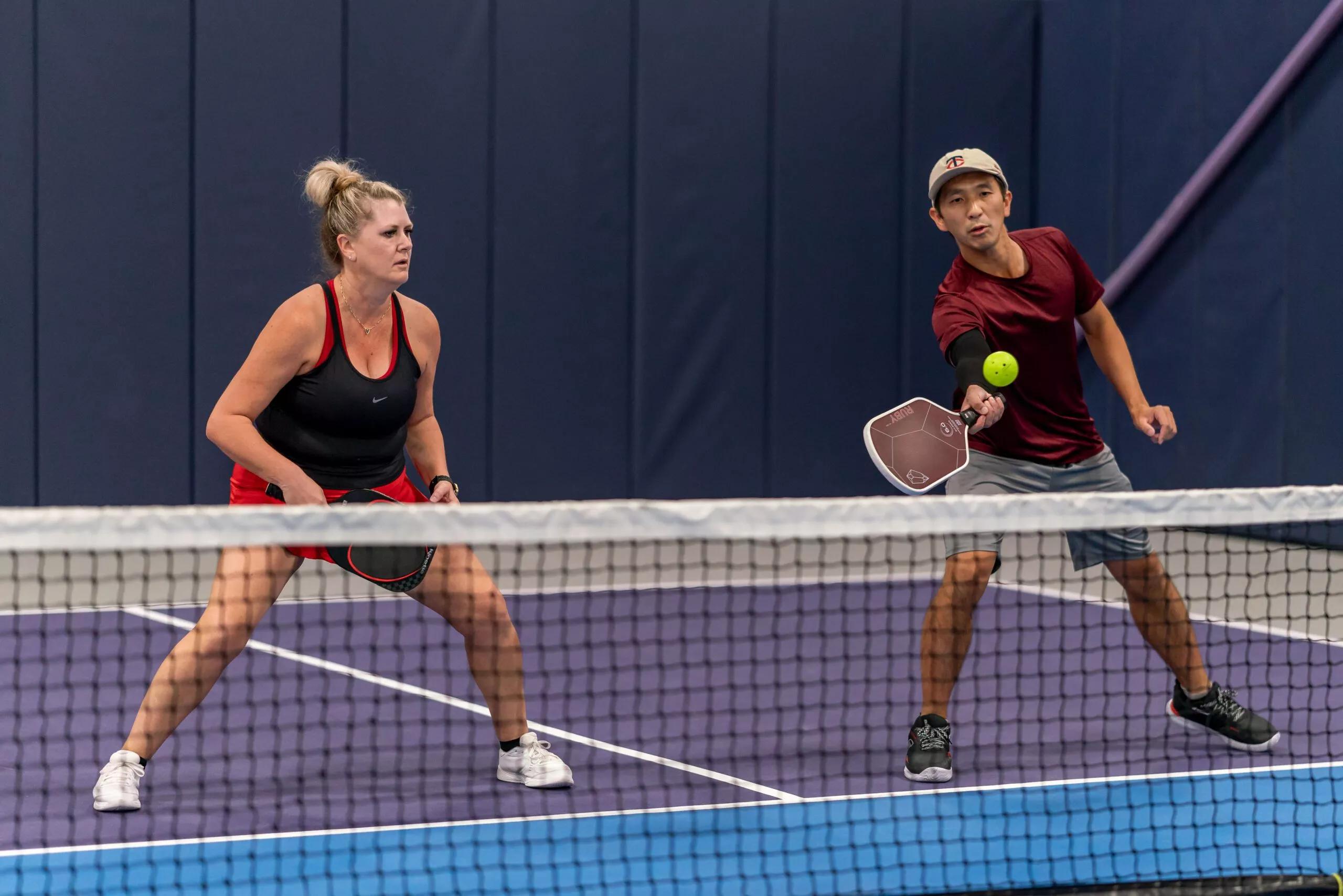
Equipment That Matches Your Game
Your gear should fit your style. It should help your control first, then power. This choice can speed up how to become a pro pickleball player.
What to look for:
- Paddle face. Grit for spin, but check control.
- Weight. Slightly head-heavy for power, even for control.
- Grip size. If too big, you lose hand speed.
Shoes:
- Lateral support for quick stops.
- Court tread for grip and safe slides.
- Replace when the tread fades.
Balls and courts differ. Adjust depth and height by feel. Keep notes on what ball and surface play fast or slow.

Practice System: Drills That Build Wins
Practice is your lab. Plan each session. Track results. This is the engine of how to become a pro pickleball player.
Daily structure:
- Warm-up with shadow swings and mini dinks.
- Block drills. Repeat one shot 50 to 100 times.
- Random drills. Mix targets and speeds.
- Live points with goals.
High-value drills:
- Third-shot drop ladders. Drop to zones 1, 2, 3.
- Dink to attack. Three safe dinks, then a planned speed-up.
- Hand speed volleys. One minute fire fights at the kitchen.
- Serve and return depth games. Score only on deep balls.
Track two stats each week:
- Unforced errors per game.
- Third-shot success rate.

Competition Roadmap: From Local to Pro
You rise by playing more and better events. Set a clear ladder. This is a direct path for how to become a pro pickleball player.
Steps:
- Join local leagues and round robins. Build reps.
- Enter 4.0 and 4.5 events. Aim for top finishes.
- Find a steady partner. Build trust and patterns.
- Move into open brackets and pro qualifiers.
Ratings and entries:
- Keep your match data current on rating systems.
- Video your matches. Share clips for scouting and partners.
- Travel smart. Pick events where you can gain points and experience.
Post-event review:
- List three strengths and two fixes.
- Create the next two weeks of drills from those fixes.

Nutrition, Recovery, and Injury Prevention
Small edges win long days. Eat well, hydrate, and protect your joints. This supports how to become a pro pickleball player year-round.
Fuel:
- Pre-match. Simple carbs, a bit of protein, salt.
- During. Water plus electrolytes, small bites like fruit.
- Post. Protein and carbs within one hour.
Injury guard:
- Warm up calves, Achilles, and shoulders.
- Anchor your landing with knees over toes on jumps.
- Use a light band set for rotator cuff strength.
Data shows that sleep and hydration lower soft tissue risk. You will feel it on day two of events.
Budget and Sponsorship: Play the Long Game
Money matters. Plan costs and look for support. This often decides how to become a pro pickleball player over time.
Budget items:
- Entries, travel, lodging, food.
- Coaching and court fees.
- Gear and shoes every few months.
Build your brand:
- Post short match clips and drills.
- Share honest tips and your event schedule.
- Engage with local clubs and clinics.
Approach sponsors:
- Send a short pitch with results and reach.
- Offer clinics or content in return.
- Be reliable. Deliver what you promise.
Common Mistakes and How to Fix Them
Every player hits roadblocks. Here are classic ones and fast fixes for how to become a pro pickleball player.
Mistakes and fixes:
- Going for winners too soon. Fix by using three safe dinks first.
- Floating returns. Fix by aiming deeper and clearing net by one foot.
- Poor footwork. Fix by split stepping as the opponent contacts the ball.
- No plan on serve games. Fix by pre-calling drop or drive based on returner.
My biggest change was tracking errors. When I saw backhand dinks spiking errors, I drilled just that for a week. The next event felt easy.
Frequently Asked Questions of how to become a pro pickleball player
How long does it take to go pro?
Most players need 1 to 3 years of focused work. It depends on your base sport and training time.
Do I need a coach to turn pro?
A coach speeds up progress and cuts bad habits. You can start solo, but a coach saves time.
How many hours should I train each week?
Aim for 10 to 15 hours across drills, play, and strength. Keep one full rest day.
What rating should I reach before pro events?
Aim for strong results at 5.0 level or open draws. Ratings vary, but results matter more.
Is singles or doubles better for turning pro?
Doubles offers more partner paths and events. Singles builds fitness and weapons that help doubles.
How do I find the right partner?
Look for steady skills and a clear role fit. Share goals and practice together weekly.
Conclusion
You now have a clear plan and the tools to use it. Build repeatable skills, a smart body, and a calm mind. Play events with a set pattern and track your progress. That is how to become a pro pickleball player with real results.
Start with one change this week. Pick a drill, a match plan, or a fitness habit. Then stack wins. If this helped, share it with a teammate, subscribe for more guides, or leave a question I can answer next.