Pick a paddle by matching weight, grip, core thickness, and surface to your style.
You want a paddle that fits like a glove and plays like a partner. In this guide, I show how to choose pickleball paddle with clear steps, simple tests, and real court notes. I have coached new players and tested many paddles in leagues. You will learn what matters, what does not, and what to buy with confidence. Read on to turn confusion into a smart, easy choice.
The five factors that matter most
Every paddle choice comes down to a few core traits. Master these and you can tune any paddle to you.
- Weight sets swing speed, power, and arm comfort.
- Grip size and handle length set control and wrist freedom.
- Core thickness and material set feel, touch, and pop.
- Surface face and texture set spin, dwell time, and durability.
- Shape and balance set reach, sweet spot, and maneuverability.
If you ask how to choose pickleball paddle in one line, match these traits to your goals. Want more control and soft hands? Choose a thicker core, midweight, and a raw carbon face. Want easy power? Choose a lighter core, a poppier face, and a head-heavy balance.

A simple step-by-step fit process
Here is a quick path I use with new players. It is a fast way to learn how to choose pickleball paddle without guesswork.
- Set your goal
- Control first, power first, or balanced.
- Think about your arm health and local noise rules.
- Pick a weight range
- Arm sensitive or new to the game: 7.6 to 8.0 oz.
- Balanced play: 7.8 to 8.4 oz.
- Power and drives: 8.2 to 8.8 oz.
- Choose core thickness
- 16 to 20 mm feels soft and stable for control.
- 13 to 15 mm hits lively for power and quick counters.
- Choose face material
- Raw carbon fiber for spin and control.
- Fiberglass for pop and easy pace.
- Graphite blends for a mix.
- Dial grip size and handle length
- Most adults use 4.125 to 4.375 inches.
- Two-handed backhand likes 5.25 to 5.5 inch handles.
- Choose shape
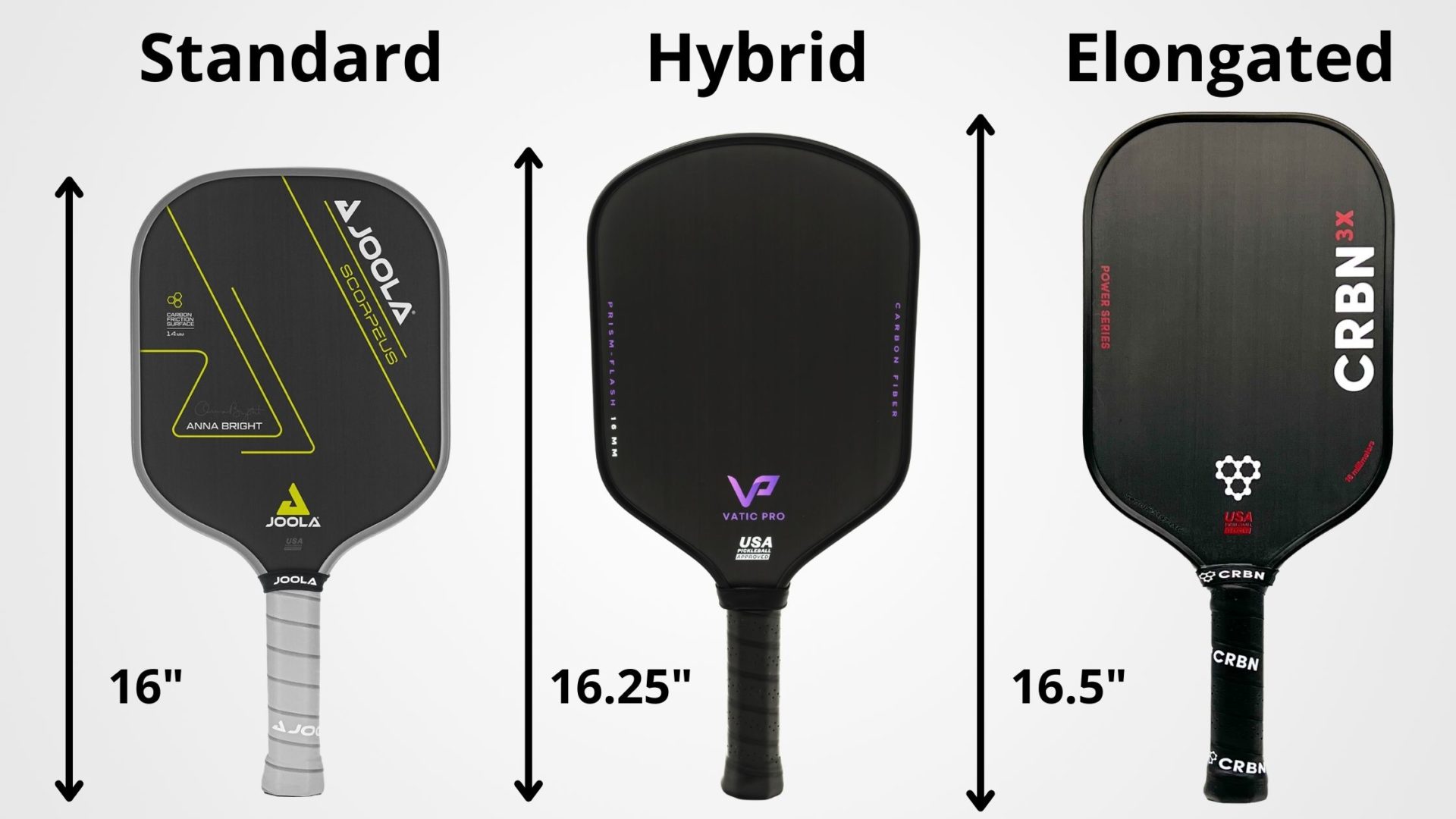
- Standard or wide body for a big sweet spot.
- Elongated for reach and serves.
- Balance and swing weight
- Head-light is quick at the kitchen.
- Head-heavy adds plow and drive depth.
- Check rules and noise
- Make sure it is approved for play.
- Some areas require quiet paddles.
- Budget and warranty
- Set a range. Check return and demo options.
- Test and tune
- Add an overgrip to adjust size and feel.
- Use lead tape at 12, 3, and 9 to fine-tune balance.
Follow this and you will know how to choose pickleball paddle that fits both your hand and your game.

Weight and balance explained
Weight controls swing speed and shock. Lighter paddles feel fast and easy on the arm. Heavier paddles add depth and stability. Many players land near 7.8 to 8.4 oz for a nice blend.
Balance is the hidden lever. Head-heavy paddles hit deeper with less effort. Head-light paddles are quick at the net and feel nimble. In my coaching, players with elbow pain often do best with a midweight, head-light setup. If you wonder how to choose pickleball paddle for sore elbows, start there and avoid extreme head-heavy builds.
Grip size and handle length
Grip size affects control and comfort. A grip that is too big locks your wrist. Too small can cause overgrip and strain. Here is a quick test that works well.
- Wrap your hand around the handle.
- Slide the index finger of your other hand between your palm and fingers.
- If it fits snug, the size is close. If there is extra space, size up. If it does not fit, size down.
Most adult hands fit 4.125 to 4.375 inches. Overgrips add about 1/16 to 1/8 inch, so you can buy small and build up. If you use two hands, pick a 5.25 to 5.5 inch handle. This gives room without crowding. Knowing this one tip helps with how to choose pickleball paddle that does not fight your stroke.
Core materials and thickness
Most modern paddles use a polymer honeycomb core. Thickness changes the feel a lot.
- 16 to 20 mm is softer and more stable. It helps drops, dinks, and blocks.
- 13 to 15 mm is thinner and livelier. It helps drives and quick counters.
- Mix your choice with weight and face to balance it out.
Older cores like Nomex or aluminum feel firm and loud. They can be fast but send more shock to the arm. If you play in a quiet zone, look for quiet tech or foam-filled builds. When people ask how to choose pickleball paddle for touch play, I point them to a 16 mm polymer core first.

Surface material, texture, and spin rules
The face matters. It sets spin, dwell time, and pop.
- Raw carbon fiber grips the ball and adds spin. It feels connected and soft.
- Fiberglass has more pop and a crisp feel. It is great for drives and serves.
- Graphite and blends sit in the middle, offering control with decent pop.
There are rules on surface roughness and size. Make sure your paddle is approved for play. Coatings can wear, so clean the face with water when it gets slick. Do not use sandpaper. If you want spin and wonder how to choose pickleball paddle that is legal, choose raw carbon from a trusted maker and check the approval list.

Paddle shape and sweet spot
Shape changes reach and sweet spot size.
- Standard or wide body feels forgiving. It helps blocks and resets.
- Elongated gives more reach and serve power. It moves the sweet spot higher.
- Edgeless builds can feel slick but may chip. Edge guards add protection.
New players often do better with wider shapes. If you like two-handed backhands or love to poach, an elongated shape may fit. This is a key piece in how to choose pickleball paddle that matches your court plan.
Budget, value, and warranty
Price does not always equal fit. Here is a simple guide.
- Under 80 dollars: starter paddles. Good to learn basics.
- 80 to 150 dollars: solid cores and faces. Great value.
- 150 to 250 dollars: premium materials and better feel.
- 250 dollars and up: pro builds and latest tech.
Look for 6 to 12 month warranties. Buy from authorized shops to avoid fakes. Ask about demos or 30 day trials. If you are unsure how to choose pickleball paddle on a budget, aim for a midweight 16 mm polymer core in the 100 to 150 dollar range. It is hard to go wrong.

Player profiles and quick picks
Use these profiles to speed up your fit. It is a handy way to think through how to choose pickleball paddle for your game.
-
New player
Choose 16 mm core, midweight, wide face, and a medium grip. It will be stable and easy. -
Control player
Choose raw carbon face, 16 to 20 mm core, head-light balance. Add a touch of lead at 3 and 9 for stability. -
Power hitter
Choose fiberglass face or thin core, 8.2 to 8.6 oz, and a slightly head-heavy feel. Add lead at 12 for plow. -
Tennis convert
Choose elongated shape, 5.25 to 5.5 inch handle, midweight. You will like the reach and leverage. -
Arm sensitive or senior
Choose 7.6 to 8.0 oz, raw carbon face, 16 mm core, head-light. Use a cushioned overgrip. -
Small hands or junior
Choose 4.0 to 4.125 inch grip, lighter weight, standard shape. Keep it easy and fun.
I learned these patterns while running community demo nights. Players swapped paddles and found fast wins by matching two or three traits. That is the heart of how to choose pickleball paddle wisely.
Care, tuning, and when to replace
Small tweaks can fix big problems.
- Add overgrips for size, tack, and sweat control.
- Add lead tape to tune swing weight and stability.
- Clean the face with water and a soft cloth.
- Keep paddles out of hot cars and direct sun.
Replace your paddle when the face feels dead, spin drops, or you hear a rattle. Heavy chips near the edge can also change the feel. If you practice often, expect 6 to 18 months of prime play. Knowing this helps you plan how to choose pickleball paddle today and when to upgrade later.
Frequently Asked Questions of how to choose pickleball paddle
What weight should a beginner choose?
Aim for 7.8 to 8.2 oz. It gives control without tiring the arm and works for most players.
How do I measure the right grip size?
Do the index finger test or start at 4.125 inches and build with overgrips. A snug fit keeps your wrist free and safe.
Which core thickness is best for control?
A 16 mm core is the sweet spot for soft play and stability. It helps with drops, dinks, and resets.
Is carbon fiber better than fiberglass?
Carbon fiber gives spin and control with a connected feel. Fiberglass gives more pop and easy power.
What shape should I pick for reach?
Choose an elongated shape for more reach on serves and overheads. A wide body is better for a bigger sweet spot.
How do I know if a paddle is legal?
Check that it is approved for play and follows size and texture rules. Buy from trusted shops to avoid altered faces.
Can I fix arm pain with paddle choice?
Yes. Use midweight, head-light balance, and a 16 mm core. Add a cushioned overgrip and avoid very stiff faces.
Conclusion
You now know the simple path to a great fit. Set your goal, pick a weight, choose a core and face, dial grip and shape, and then tune balance. That is how to choose pickleball paddle with confidence and zero stress.
Try two or three options and note how they feel on drops, blocks, and drives. Make one change at a time and trust your hands. Ready to level up? Use this checklist on your next demo day, share your results, and subscribe for more gear tips and skill drills.