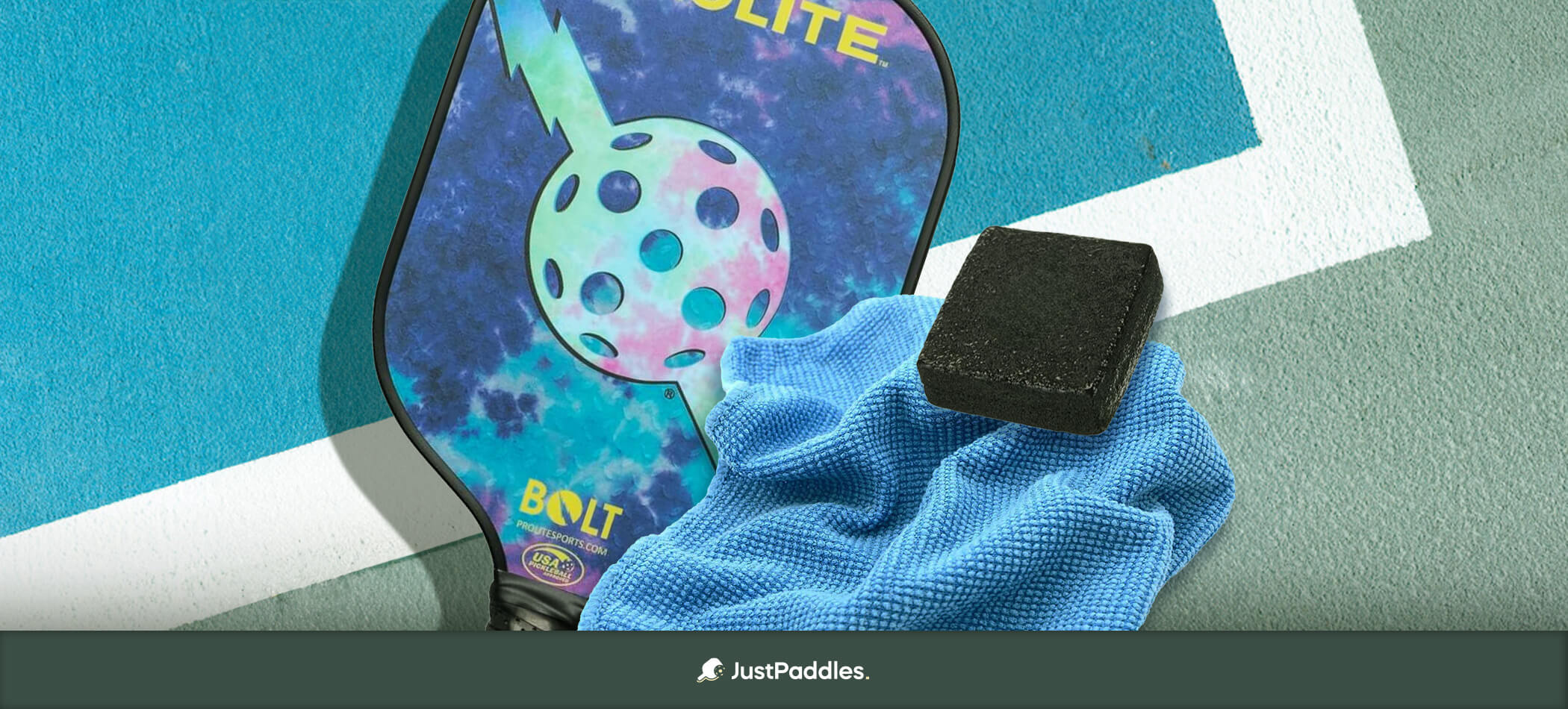
Use a damp microfiber cloth with a drop of mild soap, then dry fully.
If you play often, grime and ball residue build up fast. I’ve cleaned and maintained hundreds of paddles for players of all levels. In this guide, I’ll show you how to clean pickleball paddle the right way, keep the surface grippy, protect the core, and make your gear last longer without guesswork.
Why regular cleaning matters
A clean face bites the ball better. Dust, sweat, and ball fuzz reduce spin and control. Light cleaning also protects the edge guard and adhesives, which helps prevent early damage. If you learn how to clean pickleball paddle properly, you extend its life and improve play right away.
Most makers recommend mild methods. Harsh cleaners can strip texture and weaken glue lines. A simple routine after each session is enough for most players.

What you’ll need
Use simple, safe tools. You likely have most of these at home.
- Microfiber cloths for gentle wiping
- Warm water with a drop of mild dish soap
- Small bowl or spray bottle for soapy water
- Soft toothbrush or cotton swabs for edge guard and holes
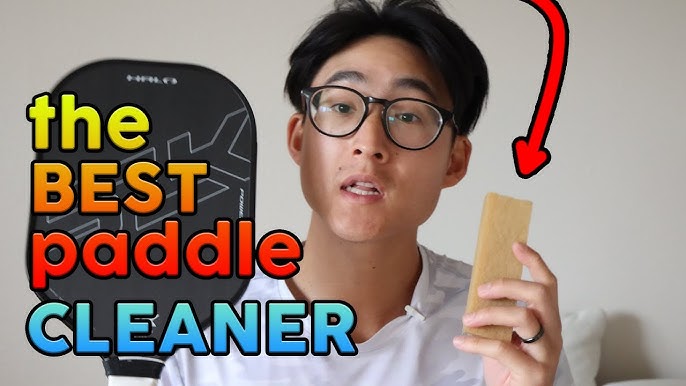
- Paddle eraser or clean rubber eraser for ball fuzz
- Lint roller for quick residue removal
- Clean towel for drying
- New overgrip if the handle is worn

Step-by-step: how to clean pickleball paddle after every session
A fast routine keeps buildup away. Follow these simple steps whenever you finish a match or drill session.
- Dry wipe first. Use a dry microfiber cloth to remove loose dust and ball fuzz.
- Lightly dampen cloth. Add a little warm water with one small drop of mild soap.
- Wipe the face. Move in small circles. Do not soak the surface.
- Clean the edge guard. Use a damp cloth or a soft toothbrush for creases.
- Remove fuzz. Use a paddle eraser or a lint roller to lift ball residue.
- Dry fully. Pat with a towel, then air dry. Keep it away from heat and sun.
- Check the grip. If slick, wipe with a barely damp cloth or replace the overgrip.
Do not use strong cleaners. This is the safest way for how to clean pickleball paddle without risking the finish or the core.
Deep clean method once a month
If you play three or more times a week, do a deeper clean every few weeks. It takes five to ten minutes and brings back a crisp feel.
- Mix solution. Use warm water with a tiny amount of mild dish soap.
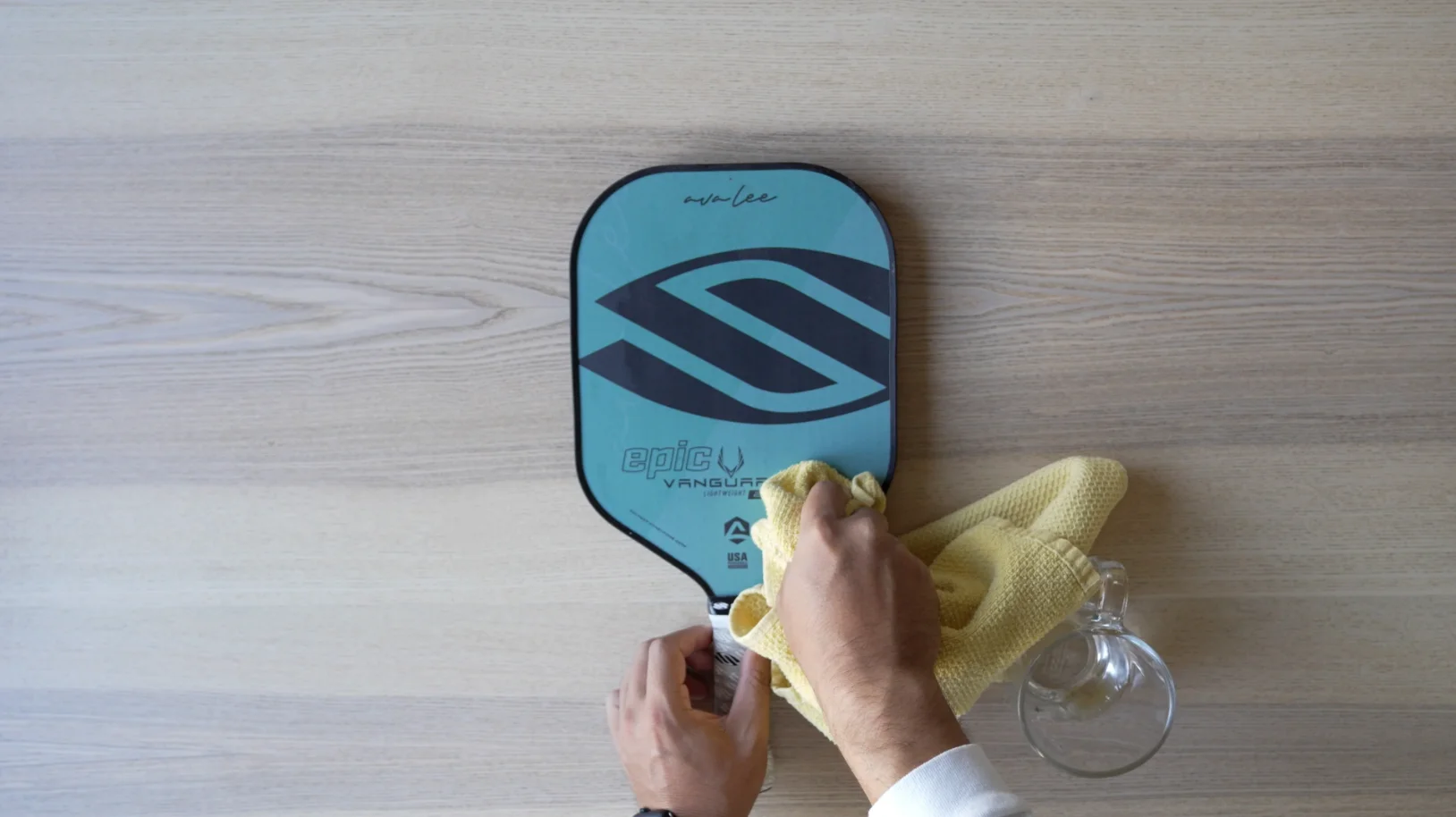
- Face wash. Dip one corner of a microfiber cloth. Wring it almost dry.
- Clean in zones. Work the face in four sections to avoid over-wetting.
- Lift stains. Use a paddle eraser with light pressure on stubborn marks.
- Crevice care. Use cotton swabs around the edge guard and throat.
- Full dry. Towel off. Air dry flat at room temperature.
- Inspect. Look for chips, soft spots, or loose edge guard. Address issues early.
This approach respects coatings and texture. It is the best practice version of how to clean pickleball paddle for regular competitors.

Material-specific tips
Not all faces are the same. Match your method to your paddle type.
- Carbon fiber or raw carbon faces. Use only water and a tiny bit of mild soap. Avoid alcohol, acetone, or abrasive pads. An eraser can remove fuzz but use light strokes.
- Graphite faces. Treat like carbon. Gentle wiping is key to keep the crisp feel.
- Fiberglass or composite faces. Mild soap and water work well. Avoid ammonia-based glass cleaners, which can dull the finish over time.
- Painted or textured coatings. Never scrub hard. Aggressive pressure can remove grit or paint.
When in doubt, check your brand’s care guide. The safest version of how to clean pickleball paddle is almost always the simplest.

Grip, edge guard, and handle care
The grip and guard matter as much as the face. They affect comfort and durability.
- Grip refresh. Wipe with a barely damp cloth, then dry at once. Replace overgrip every 10–20 hours of play for best tack.
- Sticky hands tip. Use a small towel during play. Clean hands reduce grime on the grip and face.
- Edge guard check. Look for gaps or rattles. Clean dirt from the seam with a cotton swab. If adhesive lifts, use a tiny amount of paddle-safe glue and clamp lightly with tape overnight.
- Handle moisture. Do not soak the handle. Moisture can reach the core and weaken bonds.
These small habits pair well with how to clean pickleball paddle for a full-care routine.

Stains, scuffs, and sticky residue fixes
Trouble spots happen. Here is how to treat them without harm.
- Ball fuzz buildup. Use a paddle eraser with gentle, long strokes. A lint roller works for light fuzz.
- Dark scuffs. Dab with soapy water and wipe with a microfiber cloth. If needed, use a melamine sponge very lightly and very rarely to avoid dulling the face.
- Sticker or tape residue on the guard. Use a small amount of rubbing alcohol on a cloth and avoid the face. Wipe with water after and dry fast.
- Sweat film. A quick pass with soapy water solves it. Dry fully to protect the edge guard.
Avoid bleach, solvents, or any abrasive scrub pads. Safe spot care is part of smart how to clean pickleball paddle habits.
Storage and maintenance schedule
Good storage keeps your paddle ready and reduces cleaning time.
- Use a paddle cover between sessions.
- Keep it out of hot cars and direct sun.
- Store in a dry place; avoid damp garages.
- Wipe dust before each game for better spin.
Simple schedule to remember:
- After every play. Quick dry wipe; damp wipe if needed; dry fully.
- Every 2–4 weeks. Deep clean and full check.
- As needed. Replace overgrip; touch up edge guard adhesive.
Stick with this plan, and how to clean pickleball paddle becomes quick and automatic.

Common cleaning mistakes to avoid
Small errors can cause big damage. Skip these risky moves.
- Soaking the paddle or rinsing under a faucet. Water can reach the core and loosen glue.
- Using strong chemicals. Alcohol, acetone, bleach, and ammonia can harm finishes.
- Scrubbing hard with abrasive pads. This can remove texture and dull spin.
- Heat drying. Hair dryers, radiators, or sun can warp materials.
- Ignoring the edge guard. Dirt here grinds the face and opens gaps.
Follow safe methods for how to clean pickleball paddle and you will protect your gear and your game.
Frequently Asked Questions of how to clean pickleball paddle
How often should I clean my paddle?
Wipe it after every session and deep clean every few weeks. Heavy players may need more frequent care.
Can I use alcohol or glass cleaner on the face?
Avoid them on the face. They can strip coatings and reduce texture.
What is the safest way to remove ball fuzz?
Use a paddle eraser with light pressure or a lint roller. Clean in straight, gentle strokes.
Will cleaning make my paddle last longer?
Yes. Dirt and sweat break down finishes and adhesives over time. A simple routine can add months to a paddle’s life.
Can I wash the grip with soap and water?
Use a barely damp cloth and dry right away. If it is worn or slick, replace the overgrip instead.
Does a Magic Eraser work on scuffs?
It can, but use it very lightly and rarely. Overuse can dull the surface and reduce bite.
What if the edge guard is loose after cleaning?
Dry the area and apply a small amount of paddle-safe adhesive. Tape it gently while it cures overnight.
Conclusion
Clean gear plays better and lasts longer. Use a damp microfiber cloth, mild soap, and gentle drying, and you will keep your paddle crisp and grippy. Make how to clean pickleball paddle part of your post-match routine, and your control and spin will stay sharp.
Try the quick routine after your next session and note the difference in feel. Want more gear tips and drills? Subscribe for updates, ask a question, or share your favorite cleaning trick in the comments.