Practice smart drills, polish footwork, master the soft game, and play patient.
If you want real answers on how to get better at pickleball, you are in the right place. I coach new and rising players each week, and I have tested every drill and tactic here on real courts. You will learn how to build a steady soft game, time your split step, choose the right third shot, and win more points in doubles. Keep reading for a clear plan that shows how to get better at pickleball fast and with less guesswork.

Fundamentals that scale at any level
Great pickleball starts with clean basics. Use a relaxed continental grip so you can switch from forehand to backhand without regripping. Keep your paddle up in front, elbows away from your body, and your eyes level. This improves reaction time and makes blocks, dinks, and counters easier.
Time a small split step as your opponent hits. Land on the balls of your feet and stay low. Aim your contact in front of your body and finish your swing to your target. If you keep asking how to get better at pickleball, start by doing these things every point.
Personal tip: I changed a student’s grip and paddle height in one session. Her dink errors dropped by half. Small changes compound.
:max_bytes(150000):strip_icc()/how-to-play-pickleball-tips-for-getting-started-5119213_final-bf80f980ffce4deca59039e2d83a1a1a.png)
Footwork and movement made simple
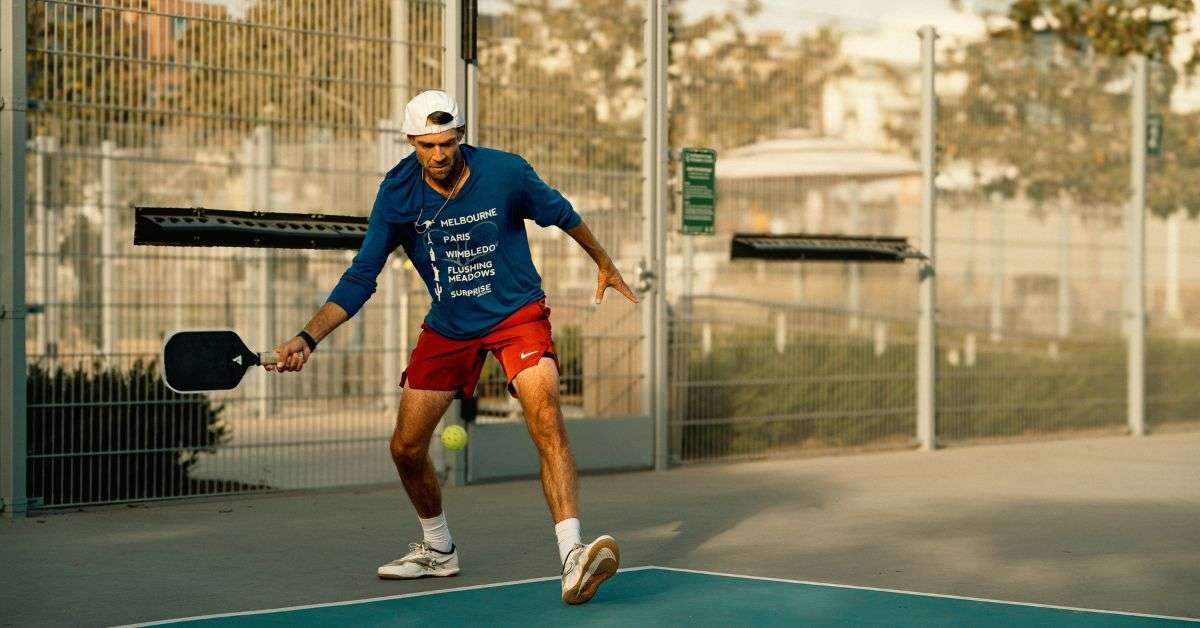
Clean footwork will save more points than a fancy shot. Stay on light feet, use small adjustment steps, and avoid crossing your feet when you can shuffle. Keep your chest to the ball and your paddle centered while you move.
Simple drills you can do in 10 minutes:
- Line hops: Forward and back for 30 seconds, rest, then side to side.
- Ladder or chalk boxes: One in each, two in each, in and out. Stay quick and low.
- Figure eights around two cones: Add a split step at each cone.
- Kitchen shadow reps: Move from baseline to kitchen, split step, shadow a dink, and recover.
Research in racquet sports shows that better footwork lowers unforced errors. If you wonder how to get better at pickleball without more power, move smarter first.
Serve and return that set the point
Your serve should be simple, deep, and steady. Aim high over the net and land near the back third of the court. Add spin only if your in-rate stays above 90 percent. Pick two targets and hit 50 serves to each in practice.
Return deep and slow to the backhand when you can. This gives you time to get to the kitchen. Move forward as you hit the return so you are not stuck in the mid court. Many players ask how to get better at pickleball with one change. Deep returns might be that change.
Try this: Serve to two targets until you make 40 out of 50. Then return crosscourt deep 30 times without missing short.
Build a reliable soft game
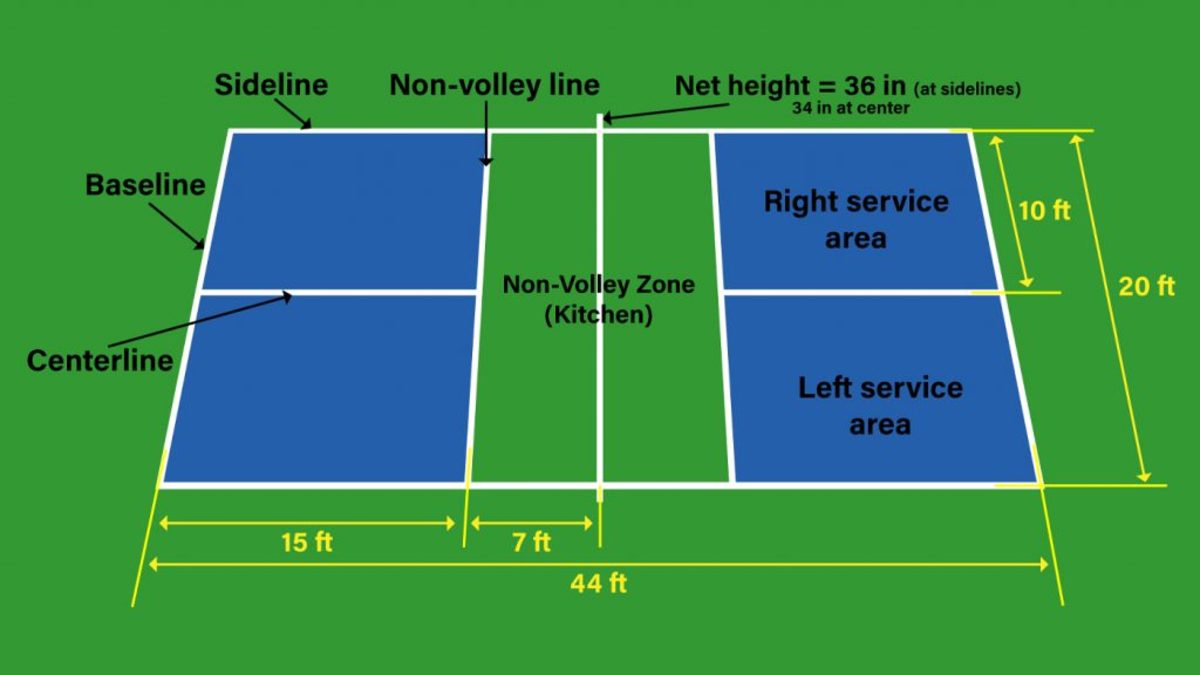
The soft game wins at every level. Dink crosscourt more than down the line. The net is lower in the middle and you have more margin. Use a relaxed wrist and a short push. Keep the ball low over the net but not so low that you clip it.
Drills that work:
- 100 dinks: Rally 100 crosscourt with a partner. Count only clean shots.
- Triangle dinks: Hit forehand, backhand, then middle. Repeat the pattern.
- Wall dinks: Stand six to eight feet from a wall and dink to a chalk box.
Block and reset with a calm hand. Hold your paddle like you are catching an egg. If you want to know how to get better at pickleball quickly, grow your dink control and reset touch.

Own the third shot and transition
Choose your third shot based on ball height and opponent position. If the return is deep and low, a soft drop is smart. If it is short or high, drive through the middle or at the body, then be ready to block the next ball.
Use a simple plan:
- Drop if you are forced back or the ball is low.
- Drive when you get a high, short, or attackable return.
- After any third, move with small steps to the kitchen and keep your paddle up.
I teach players to count three calm steps after the third shot. It slows the mind and helps you reset. If you still ask how to get better at pickleball during transition, make your first goal to arrive balanced at the kitchen.

Smart doubles strategy and positioning
In doubles, think like a team. Keep the space between you and your partner steady. Move together as if tied with a rope. Cover the middle on attack balls and talk often.
Core cues that win points:
- Aim at feet, hips, or the paddle shoulder.
- Poach on floaters that cross your zone.
- Use stacking if it helps a forehand be in the middle.
- Call mine, yours, switch, and out balls early and loud.
This is how to get better at pickleball with no extra power. Clean shape, steady targets, and clear talk will beat wild speed almost every time.

Shot selection and consistency
Do not chase winners. Win with fewer errors. Give every shot enough net clearance and depth. Aim 12 to 18 inches over the net on most balls. Take the ball out in front. Use the same swing for most pace and change only the path.
Keep score on yourself:
- Unforced errors under six per game is a great goal.
- Two to one ratio of forced errors you create to errors you make is strong.
- Most points end on a miss, not a winner.
When people ask how to get better at pickleball, I tell them to raise shot tolerance. Be the player who keeps one more ball in play.
Practice plans that actually work
Drill to build skills. Play to test them. A good rule is to spend more time on drills than games when you want fast gains. If you only have an hour, drill for 40 minutes and play for 20.
Sample three day plan:
- Day one: Serves and returns, then 100 crosscourt dinks. Finish with a short game to seven.
- Day two: Third shot drops and transition blocks. Finish with skinny singles.
- Day three: Volleys, counters, and resets. Finish with targeted doubles where you must drop on third.
Solo ideas when partners are busy:
- Wall drills for dinks and volleys.
- Serve to targets and log in-rate.
- Shadow footwork with a split step on a metronome.
If you want a simple way for how to get better at pickleball, follow a plan and track it.

Strength, mobility, and injury prevention
Pickleball rewards strong legs and a healthy shoulder. Add two short sessions each week. Focus on hips, calves, core, and rotator cuff. Do calf raises, lateral lunges, planks, and band external rotations.
Warm up with dynamic moves, not long holds. Try light jogs, high knees, arm circles, and hip openers. Cool down with slow breaths and gentle stretches. Wear court shoes that support stops and starts. Many injuries come from poor shoes, not bad luck.
Simple body care is a hidden key for how to get better at pickleball and stay on the court.
Mental game and match prep
Have a between point routine. Take one breath, say your cue word, pick a target, and commit. This resets your mind and eases nerves. When facing bangers, soften your hands and block to the middle. Make them hit one more ball.
Use these mental habits:
- Start each point with a plan, even a simple one.
- After errors, state the fix out loud. Then move on.
- Praise your partner often to keep energy high.
Players who want to learn how to get better at pickleball often need this most. Calm minds make clean swings.
Gear that helps without hype
Choose a paddle that fits your hand and swing, not a trend. Midweight paddles add control and protect your arm. Use an overgrip for comfort and a dry hold. Replace it when it feels slick. Pick indoor or outdoor balls that match your court.
Wear court shoes with good grip and support. Add socks that manage sweat. I moved to a midweight paddle and a fresh overgrip each week. My control and feel went up at once. Smart gear choices are an easy win for how to get better at pickleball.
Track progress and build your plan
What gets measured gets better. Film one game per week from the back fence. Track simple numbers in a note:
- Serve in-rate and average depth.
- Return depth and how often you reach the kitchen.
- Dink errors per 20 shots.
- Third shot drop success from the transition zone.
- Points won on your serve.
Set one skill focus each week. For example, this week is deep returns. Next week is third shot shape. If you stick to this, you will not need to ask how to get better at pickleball anymore. You will see it.
Frequently Asked Questions of how to get better at pickleball
How long does it take to get better at pickleball?
Most players see clear gains in four to six weeks with steady drills. Film your play and track two or three stats to see progress.
What are the best drills to get better fast?
Dink rallies, third shot drops, and serve to target drills are the big three. Add wall work when you are alone to double your reps.
How can I beat hard hitters?
Use soft blocks to the middle and keep the ball low. Do not swing big at their pace; let their speed work against them.
Should I focus on power or control first?
Build control first so you can keep the ball in. Add power only if your error rate stays low.
How do I improve my third shot drop consistency?
Use a calm swing, open face, and aim high over the net with depth. Practice 50 drops crosscourt, then 50 straight ahead during each session.
How important is footwork in pickleball?
Footwork is huge because it sets your balance and contact point. Better feet mean better shots and fewer errors.
What gear changes help performance the most?
A midweight paddle, fresh overgrip, and true court shoes help control and comfort. These small tweaks can cut errors and reduce strain.
Conclusion
You now have a clear plan for how to get better at pickleball. Build firm basics, steady footwork, deep serves and returns, and a soft game you trust. Add one focus each week, track your numbers, and keep reps high.
Start today. Pick one drill from this guide and do it for 15 minutes. Then share your results, subscribe for more guides, or ask a question in the comments so we can improve together.