Create a DUPR or UTPR profile, self-rate with USA Pickleball, then play verified matches.
If you want a clear, trusted number next to your name, you’re in the right place. This guide breaks down how to get rated in pickleball using DUPR, UTPR, and club systems. You’ll learn the best path for your goals, how ratings work, and exact steps to improve fast. I’ll show you how to get rated in pickleball without guesswork, and how to keep that number rising.

Understanding pickleball ratings systems
Before you take action, know the rating paths. Different systems serve different needs. This sets you up for the right choice on how to get rated in pickleball.
DUPR
- Used by many clubs, leagues, and events.
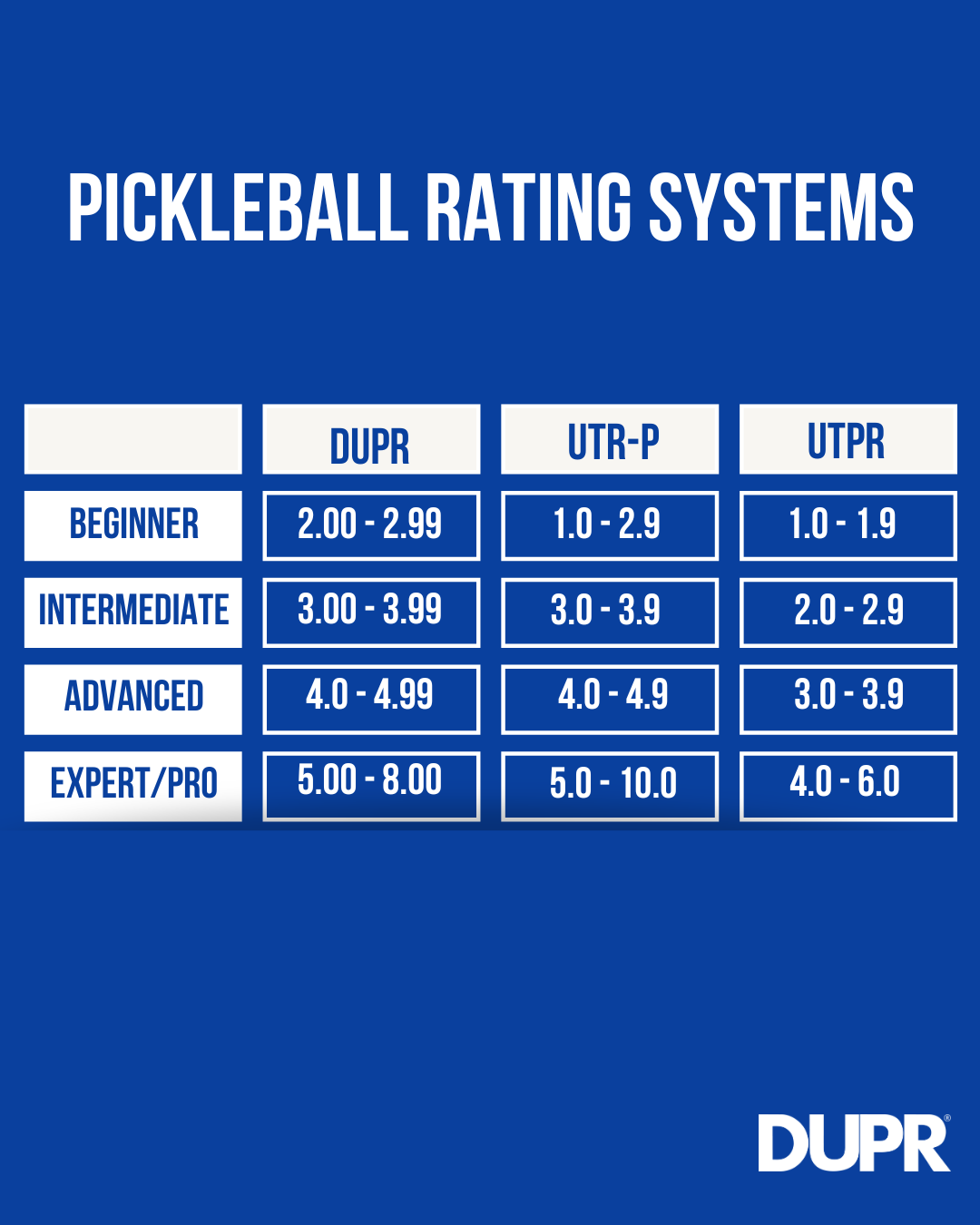
- Scale runs from about 2.000 to 8.000.
- Uses match results and scores, plus a confidence factor.
- Verified matches count more than rec scores.
UTPR
- The USA Pickleball Tournament Player Rating.
- Only uses results from sanctioned tournaments.
- Updates on a set schedule after those events.
- Best for players who compete often.
Self-rating with USA Pickleball
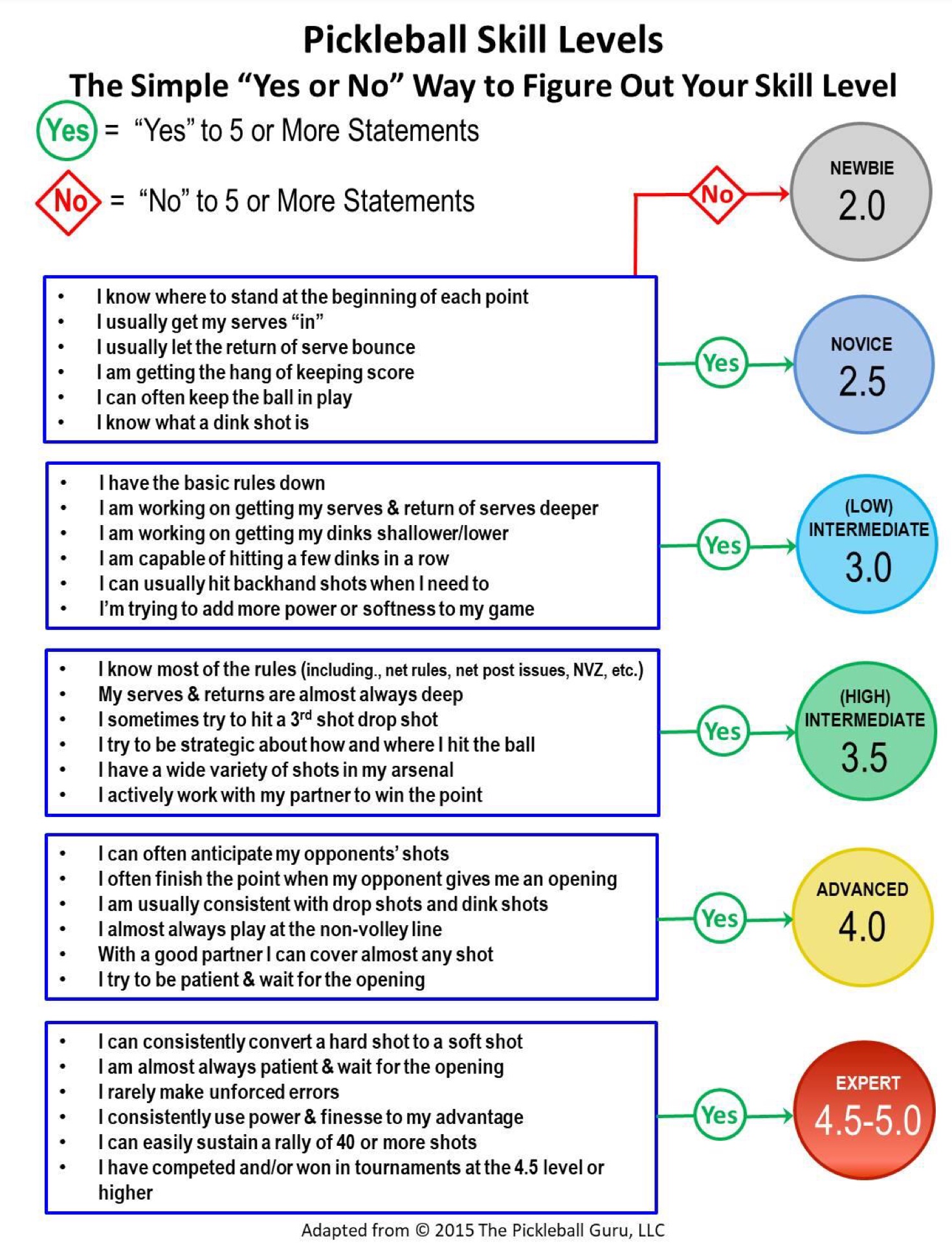
- Uses a skills rubric from 1.0 to 5.5+.
- Good for leagues and tournament sign-ups.
- You rate yourself by what you can do on court.
- Many clubs also use guided assessments.
Club or league ratings
- Local ladders and clinics may set a house rating.
- Often used for sign-ups and court grouping.
- May also sync with DUPR to track results.
For most players, DUPR is the fastest answer for how to get rated in pickleball, while UTPR is best if you play sanctioned tournaments.
Step-by-step: how to get rated in pickleball
You do not need to guess. Follow these steps to get an initial rating and make it stick.
Create your profiles
- Set up a DUPR account. Claim your profile so match results can link to you.
- If you plan to play sanctioned tournaments, join USA Pickleball and note your member number for UTPR.
Pick your rating path
- If you want a public number fast, start with DUPR. It accepts rec and league scores, with more weight for verified matches.
- If your main goal is tournaments, plan for UTPR. That means playing sanctioned events.
Self-rate with the USA Pickleball rubric
- Read the 1.0–5.5+ skill list.
- Match your skills to the list with honesty.
- Use this self-rating for early league or event sign-ups.
Get verified matches
- Join a club ladder or DUPR session that records scores.
- Enter match scores right after you play to keep data clean.
- Ask a coach or organizer to run verified sessions for higher weight.
Play a sanctioned event for UTPR
- Pick a tournament that fits your self-rating.
- You will get UTPR updates as event results post.
- Expect a small movement at first, then bigger moves as you play more.
Track and review
- Check your DUPR confidence bar. It grows as you play rated opponents often.
- Review who you played and what the score spread was.
- Use this to plan your next matches.
These steps are the core of how to get rated in pickleball. Keep them simple. Keep them steady.

How ratings are calculated
It helps to know how the engines think. This guides your match choices and practice. It also shows the logic behind how to get rated in pickleball.
DUPR basics
- Uses a model like Elo.
- Opponent strength matters a lot.
- Scores and margin matter, but blowouts are capped to avoid weird jumps.
- Verified results weigh more than unverified.
- Confidence rises with more matches against rated players.
UTPR basics
- Based on sanctioned tournament results only.
- Opponent strength and outcomes matter most.
- Updates follow the event cycle.
- No rec or club results.
Self-rating and club assessments
- Based on what skills you can show.
- Dinks, drops, resets, volleys, serves, returns, positioning, and strategy.
- A coach or rater may walk you through drills and live points.
Knowing this helps you plan how to get rated in pickleball with less stress. You can choose matches that feed the system good data.

Skill benchmarks by rating level
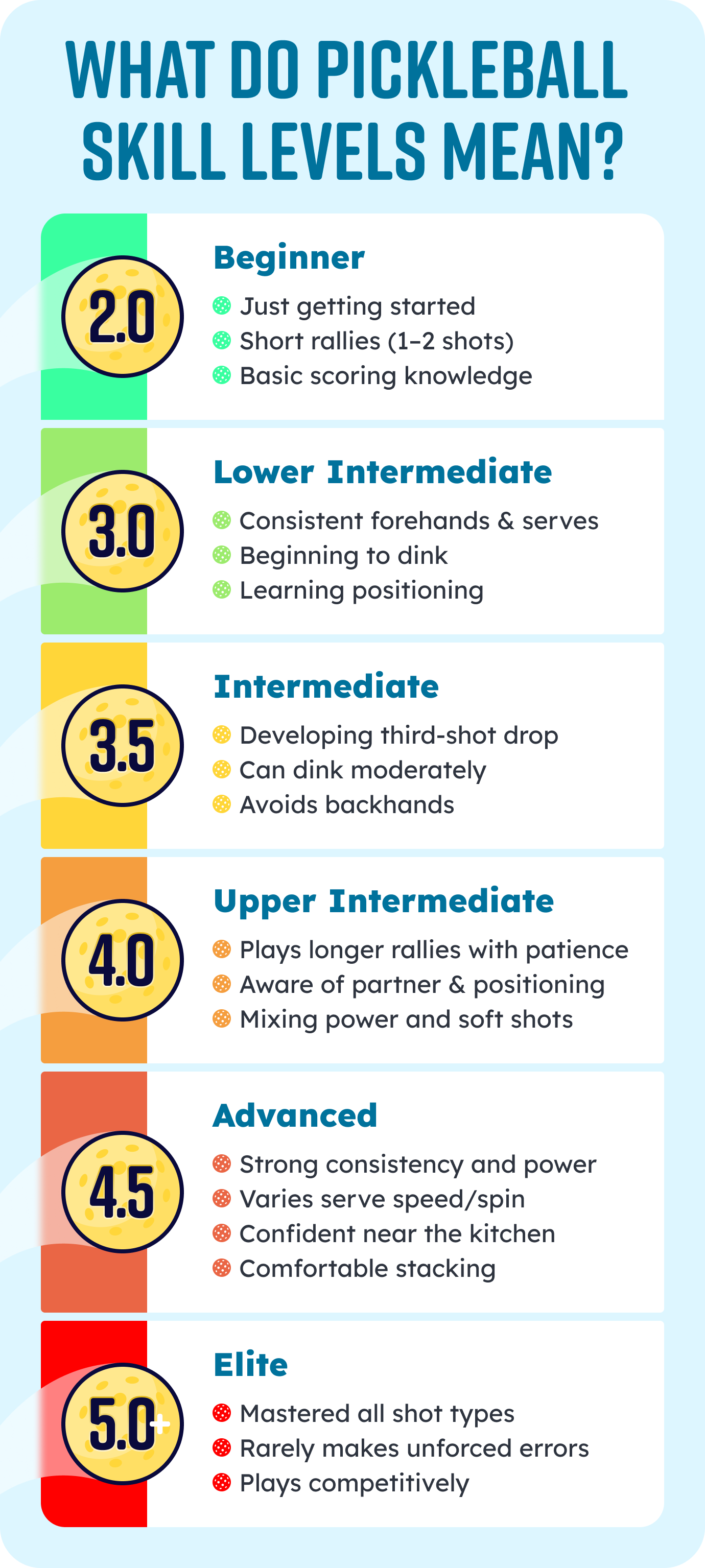
Use this to sanity-check your self-rating. It is a plain guide, not a hard rule. It will help you see how to get rated in pickleball at the right level.
At 2.5
- Can serve and return most balls.
- Can rally a few dinks.
- Many pop-ups and footwork errors.
At 3.0
- Can keep simple dinks going.
- Can hit a third shot drop sometimes.
- Starts to hold the kitchen line.
- Basic court awareness.
At 3.5
- Dinks have shape and depth.
- Third shot drop lands more often.
- Can reset under pressure.
- Starts to stack for strong sides.
At 4.0
- Controls pace and placement.
- Hand speed is solid at the kitchen.
- Targets feet and middle well.
- Poaches with a plan.
At 4.5+
- Creates and closes windows on cue.
- Reads patterns and baits errors.
- Very few free points.
- Fitness and focus hold under fire.
Use these as a mirror on your path for how to get rated in pickleball. If your skills match the band, your rating will catch up.
How to raise your rating faster
If you want to move your number, focus on actions that ratings value. This is the heart of how to get rated in pickleball and keep climbing.
Play the right mix of opponents
- Face players near your level for steadier gains.
- Sprinkle in matches with stronger players. Upsets move ratings more.
- Do not farm easy wins. Low-value wins add little.
Schedule verified play
- Join DUPR-verified sessions once or twice a week.
- Submit clean scores for every match.
- Ask two teams to confirm scores to avoid errors.
Tighten your skills that score points
- Third shot drop: Track success over 10 tries per side.
- Dink depth: Aim past the kitchen line by a foot, with slow shape.
- Resets: Practice from mid-court and from the body.
- Serve and return: Deep targets cut time and set the kitchen.
Use focused drills
- 50 third shot drops cross-court. Count clean landings.
- 5-minute dink circles to targets. Move your feet, not your arm.
- Volley-to-volley hand battles at half-speed. Build control first.
- Wall work: 100 soft touches to a tape line at net height.
Play to the math
- Close sets vs higher-rated teams help. Big wins vs much lower teams help less.
- Two to three verified sessions per week is enough volume.
- Film one session a week to catch free points you give away.
Mindset moves rating too
- Take losses when you play up. They give data and lessons.
- Reduce unforced errors before you add power.
- Make one upgrade at a time. Aim for repeatable shots.
This is the simple engine behind how to get rated in pickleball and reach your next band.

Common mistakes to avoid
Avoid these traps. They slow or stall how to get rated in pickleball.
Cherry-picking
- Only playing weaker teams gives you tiny gains.
- Seek tight matches where you must earn points.
Score entry errors
- Wrong scores twist your rating.
- Always confirm entries with all players.
Playing without a plan
- Random games give random results.
- Choose sessions that are verified and balanced.
Chasing power over control
- Big swings bring big errors.
- Build depth, height, and aim first.
Ignoring fitness and footwork
- Late feet lead to pop-ups.
- Short sessions of footwork drills pay off fast.

A 30, 60, 90-day plan for how to get rated in pickleball
Use this simple plan. It works for most players and keeps you on track.
Days 1–30
- Create DUPR. Self-rate with the USA Pickleball rubric.
- Play 12–20 scored games. Aim for two verified sessions per week.
- Drill third shot drops and dinks three times a week, 20 minutes each.
- Track one stat: unforced errors per game.
Days 31–60
- Add one stronger session per week. Try to split sets vs slightly higher teams.
- Film one match each week. Fix one habit at a time.
- Enter a local event or league so results count.
Days 61–90
- Play one sanctioned event if you want UTPR.
- Push for 0.60+ DUPR confidence with steady, verified play.
- Add serve and return depth targets. Aim for three feet from the baseline.
By 90 days, you will have a rating with a solid base. This is a proven path for how to get rated in pickleball and to see a real jump.

Frequently Asked Questions of how to get rated in pickleball
What is the fastest way to get a pickleball rating?
Create a DUPR profile and play verified club sessions. Your rating shows up fast once a few confirmed matches post.
Do I need a USA Pickleball membership to get rated?
You do not need it for DUPR. You do need it if you want an official UTPR from sanctioned tournaments.
How many matches do I need for a reliable rating?
Plan on 12 to 20 scored games against rated players. More matches increase your confidence score and stabilize your number.
Do rec games count toward my rating?
For DUPR, rec games can count, but verified results weigh more. For UTPR, only sanctioned tournament matches count.
What if my self-rating is wrong?
Adjust it as your skills improve or after a guided assessment. Your match results will also pull your number to the right level over time.
Conclusion
Getting a real rating is simple when you know the path. Pick your system, set up your profile, play verified matches, and track key skills. Then keep your sessions steady and your practice focused. That is how to get rated in pickleball and how to grow with less stress. Start today by creating your profile, booking one verified session, and logging your first scores. If this guide helped, share it with your group, subscribe for more tips, or drop your questions in the comments.