
Measure, mark, surface, stripe, and net a flat 20 by 44-foot area.
If you want to learn how to make a pickleball court, you’re in the right place. I’ve helped build and convert courts for homes, schools, and parks. This guide walks you through each step, with pro tips, costs, and fixes for common mistakes. By the end, you’ll know exactly how to make a pickleball court that plays true, looks sharp, and lasts.

Understand Court Dimensions and Clearances
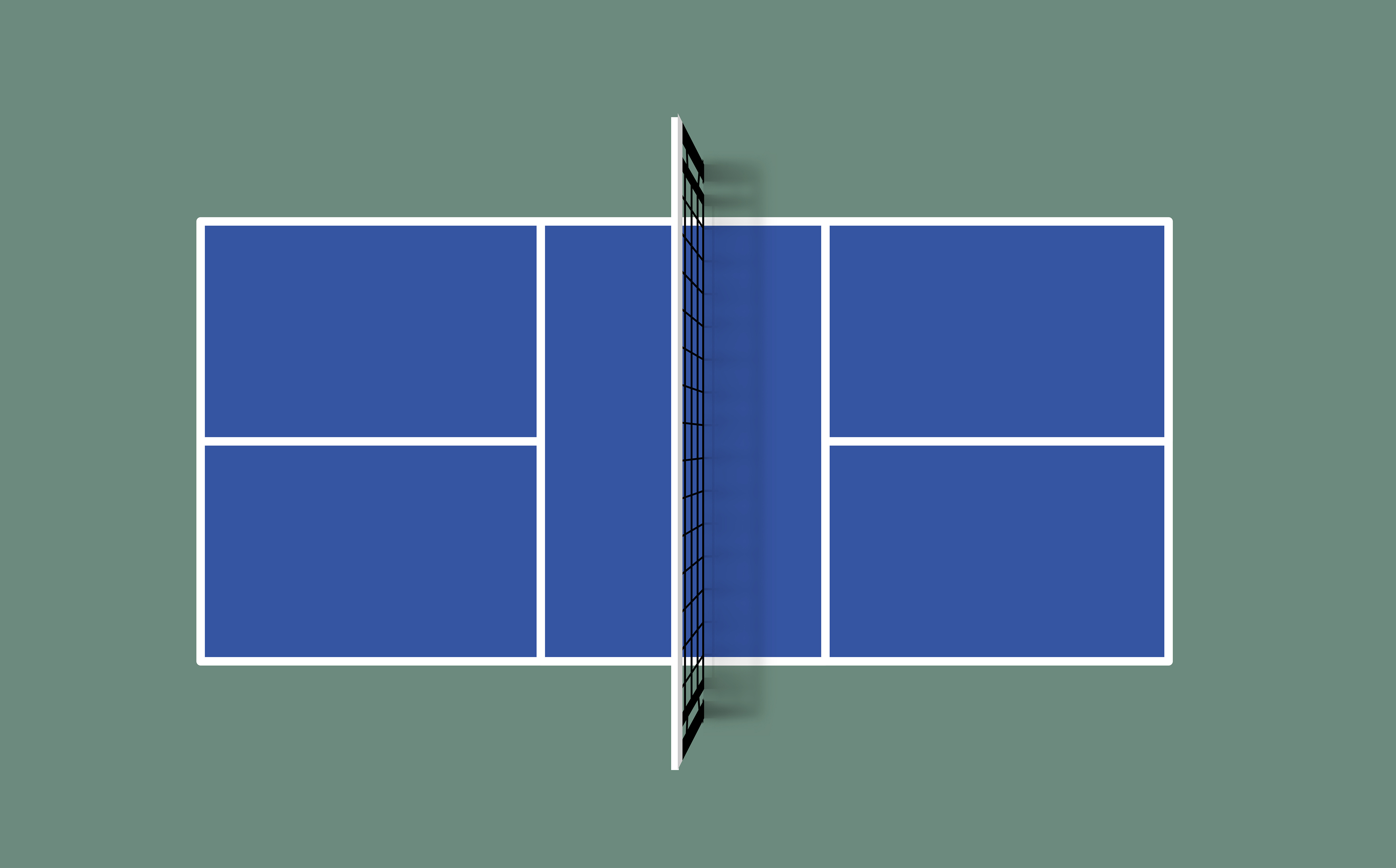
A regulation court is 20 feet wide and 44 feet long. The net is 36 inches high at the posts and 34 inches at the center. The non-volley zone, or kitchen, is 7 feet from the net on both sides. Lines are 2 inches wide and count as in.
Plan for safe runout space. The minimum play area is 30 by 60 feet. The ideal pad is 34 by 64 feet or more. This extra room helps players slow down and avoid fences or walls.
Use a north–south layout. This cuts glare at sunrise and sunset. If you must go east–west, add shade on the west side.
If you are starting from scratch on how to make a pickleball court, lock these numbers in first. Everything else builds on them.
Choose and Prepare the Site
Pick a flat spot with good drainage. Aim for a gentle slope of about 1 percent. That is about 1 inch drop per 8 to 10 feet. Avoid low pockets that hold water.
Test the soil. Soft or organic soil needs more base stone and compaction. Keep big trees back to reduce shade, roots, and leaves.
Check permits, zoning, and HOAs. Some areas limit lighting, fencing, colors, or noise. A quick call now can save weeks later.
If you are learning how to make a pickleball court in a backyard, mark utilities before you dig. Safety first, fun second.
Materials and Tools Checklist
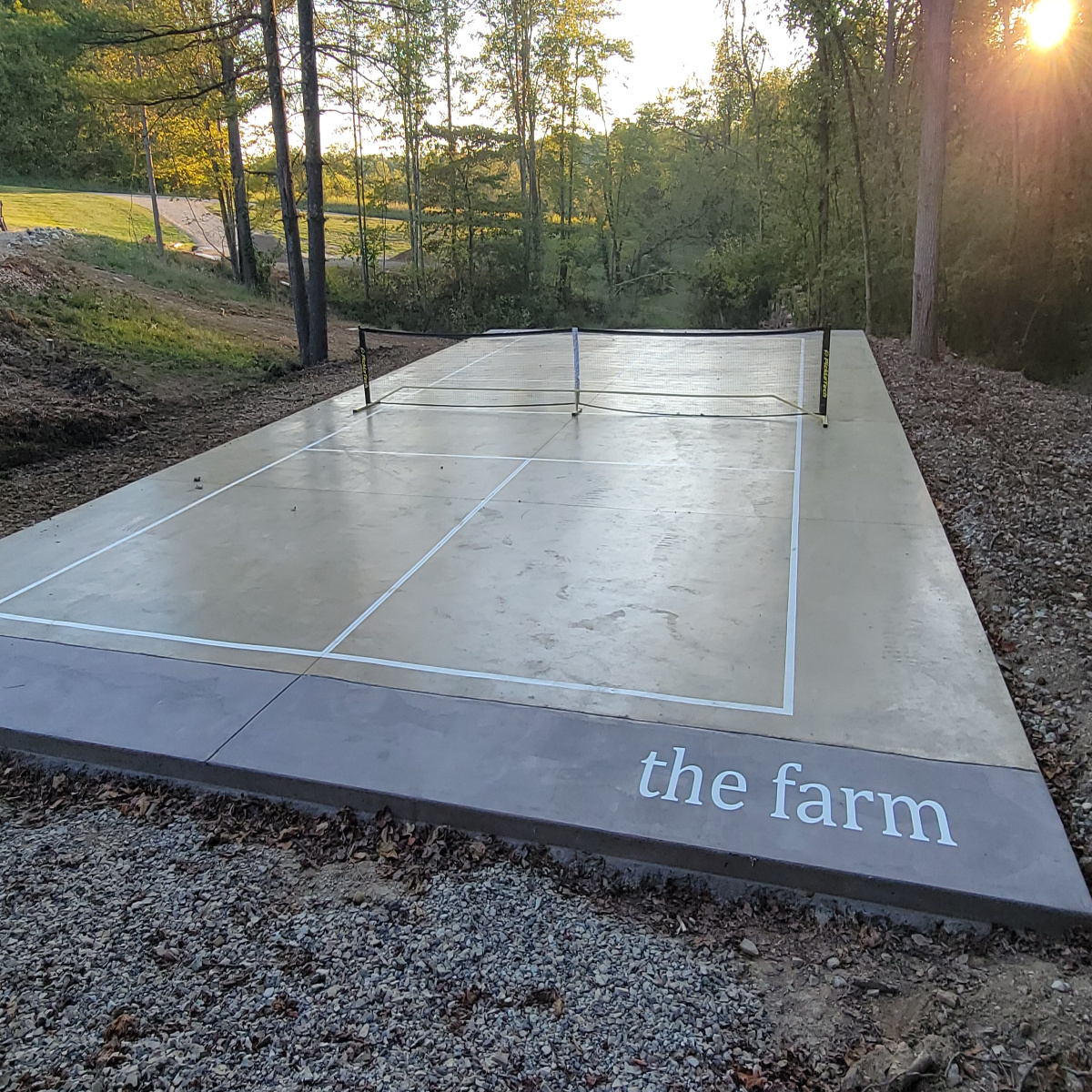
You can build with asphalt, concrete, or modular sport tiles. Asphalt is common and cost-effective. Concrete is stable and durable but needs proper prep for coatings. Tiles are fast and great for conversions.
You will need these materials:
- Crushed stone base and landscape fabric for soil separation
- Asphalt or concrete for the slab or tiles if using a modular system
- Acrylic resurfacer, color coats, silica sand, and line paint
- Net system with posts, sleeves, and a center strap
- Fence, gates, and optional windscreens
Bring the right tools:
- Tape measures, chalk lines, string lines, and levels
- Line marking paint, high-tack painter’s tape, rollers, and squeegees
- Compacting tools, plate compactor, and a power broom
- Core drill or auger for post sleeves, and a torque wrench for anchors
When you think about how to make a pickleball court that looks pro, quality tools and coatings matter. Cheap tape and thin paint cause fuzzy lines and fast wear.
Build the Base
For asphalt, install 4 to 6 inches of compacted stone. Add 2 inches of fine asphalt on top. Compact well and keep a steady 1 percent slope. Let it cure at least 14 to 30 days before coating.
For concrete, pour a 4-inch slab at minimum. Use 3000 psi mix, with saw-cut control joints. Do not use curing compounds that block coatings. Let concrete cure 28 days. Then clean, etch if needed, and prime before color.
Modular tiles can sit over clean, flat concrete or asphalt. Leave an expansion gap at the edge. Tiles drain well and feel soft on joints. They are a good choice for driveways and garages.
On my first big project, we rushed the base and got birdbaths after rain. Fixing low spots took time. Take care here, and your surface will thank you.
Surface Coatings and Colors
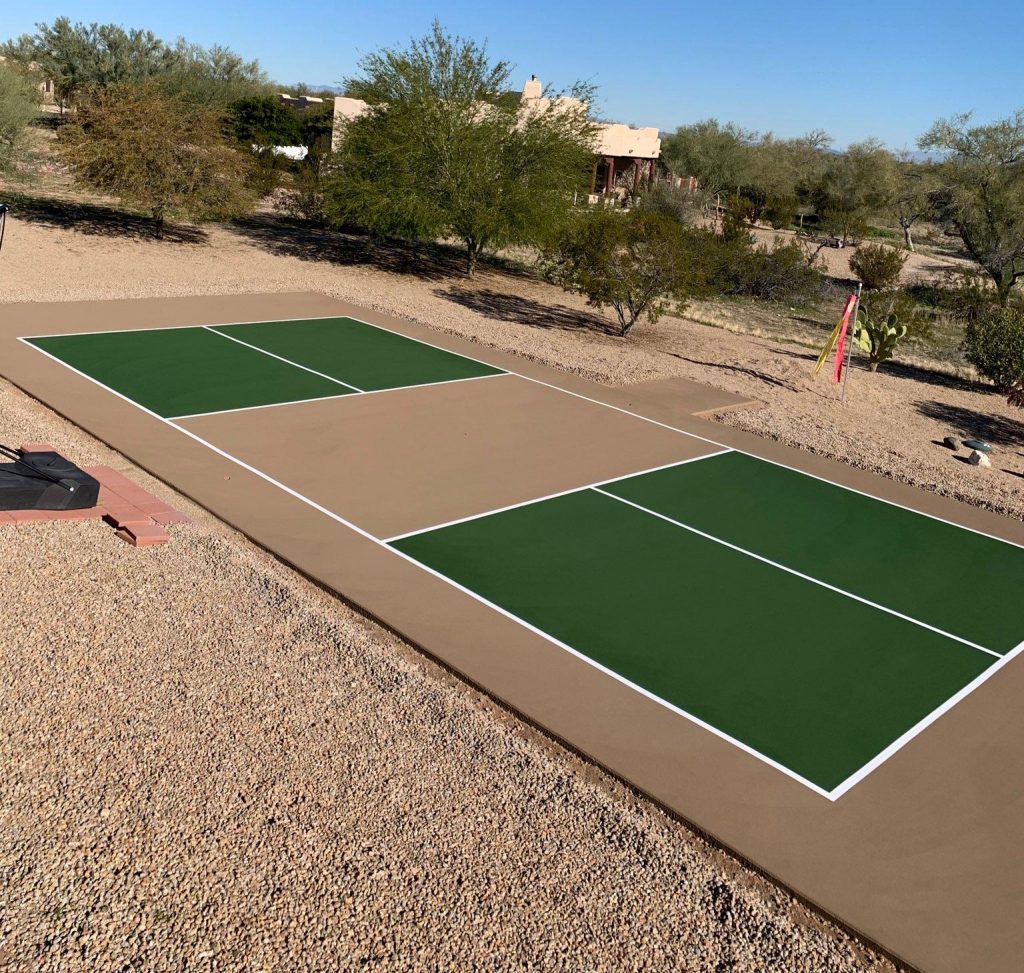
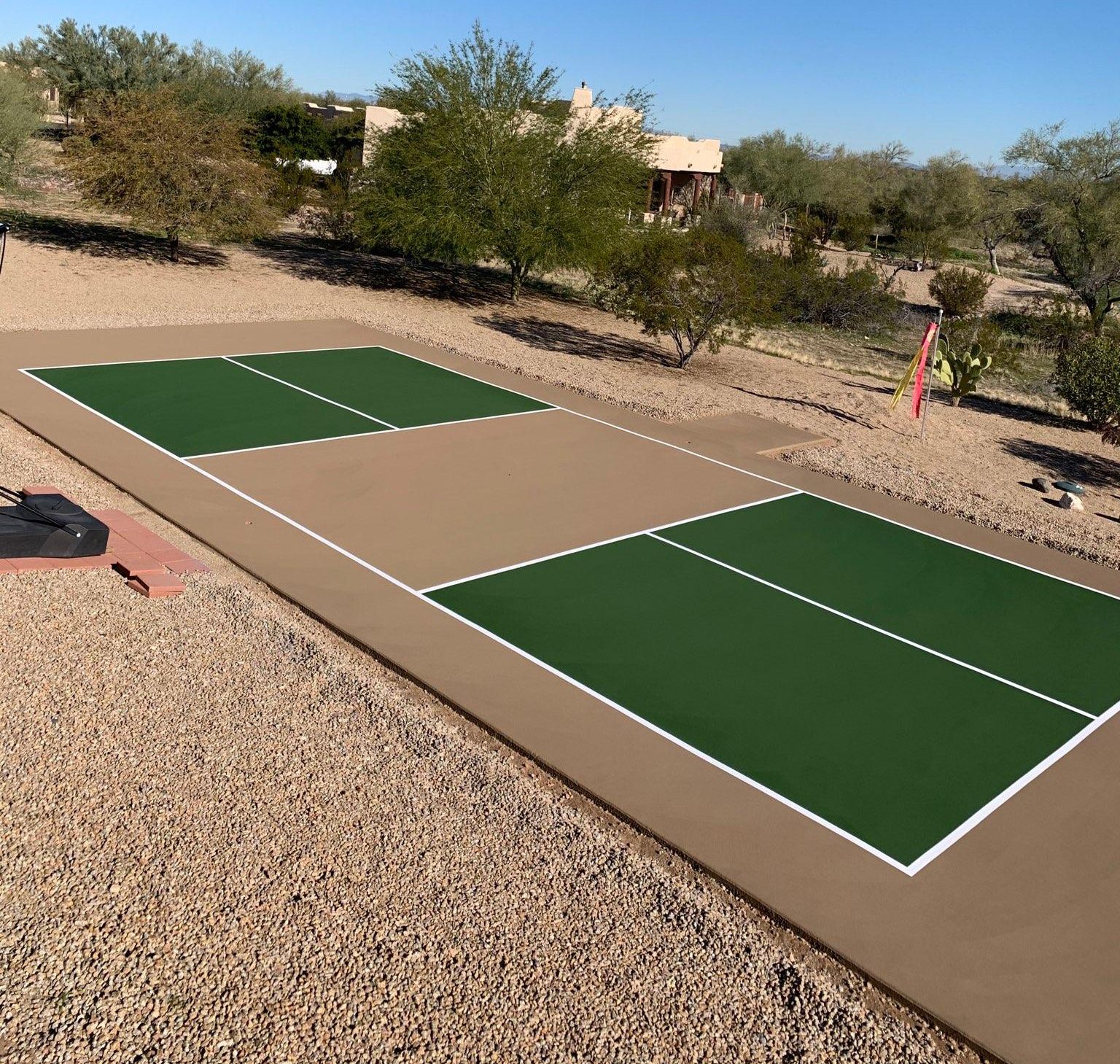
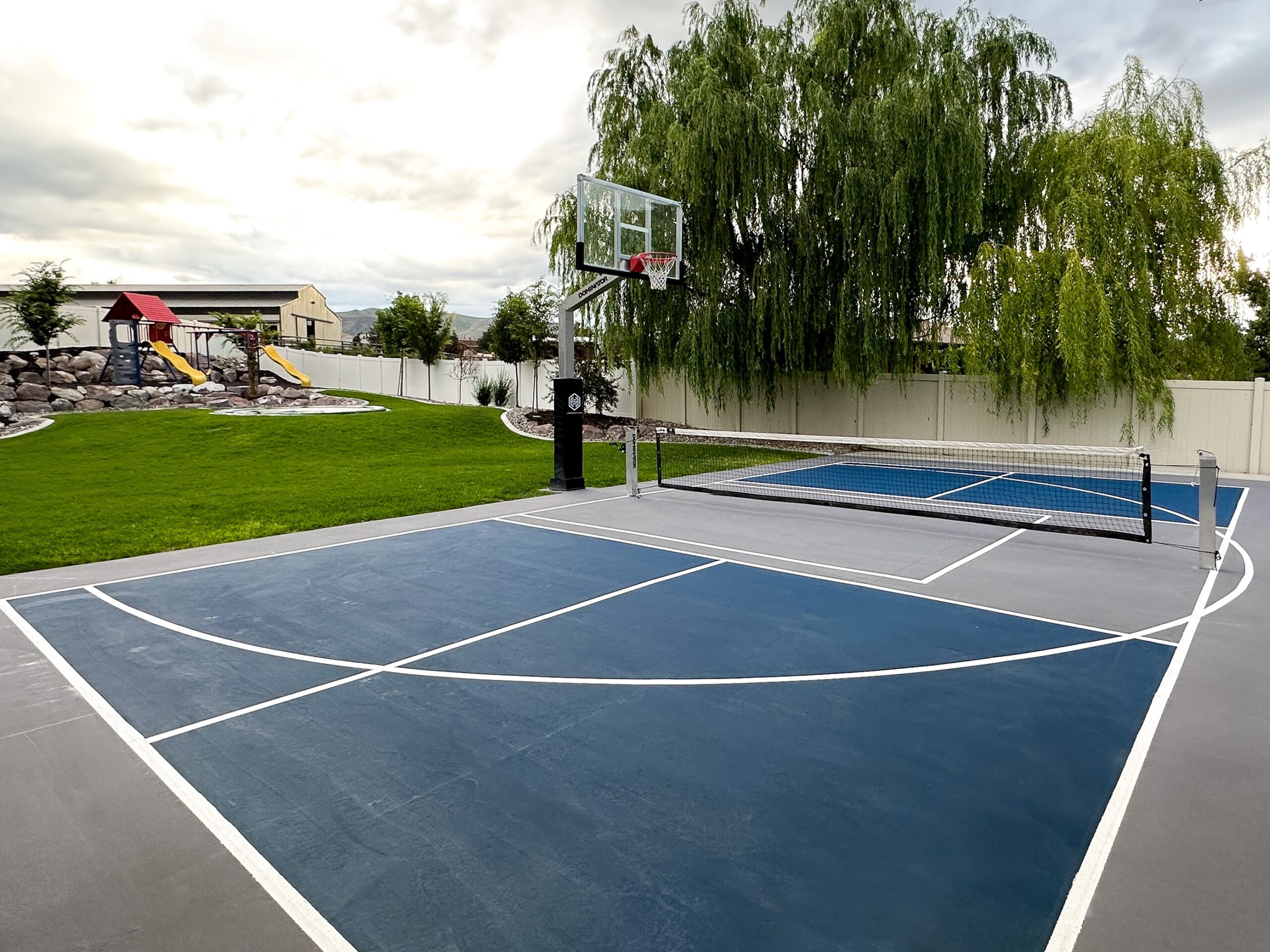
Acrylic systems protect and add grip. Start with an acrylic resurfacer mixed with silica sand. Then roll two color coats. Many use one color for the court and a second for the kitchen. Blue and green are popular because they track the ball well.
Work in warm, dry weather. Aim for 50 to 90 degrees Fahrenheit, with low wind. Avoid rain and heavy dew in the first day. Follow the manufacturer’s mix and spread rates.
If your plan for how to make a pickleball court includes bright colors, check glare at noon. A matte finish with fine sand gives grip and reduces shine.
Stripe the Court
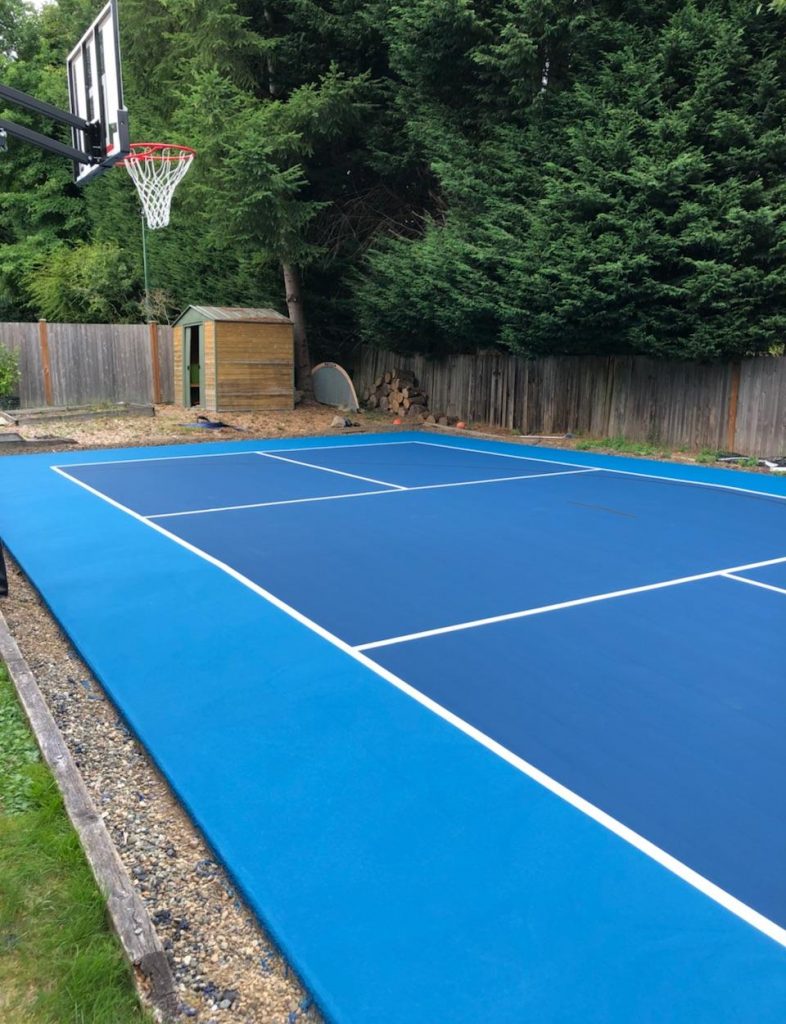
Measure twice, paint once. Start by snapping a centerline down the court, lengthwise. Mark the 20-foot width, 44-foot length, and 7-foot kitchen on both sides. Keep lines 2 inches wide.
Use quality painter’s tape. Press the edges to stop bleed. Paint the sidelines, baselines, kitchen lines, and centerlines. Pull tape while the paint is tacky for clean edges.
Steps to stripe:
- Mark net line and court rectangle.
- Mark 7-foot kitchen lines from the net.
- Mark centerlines from the kitchen to the baseline.
- Tape edges for 2-inch width.
- Roll two thin coats of line paint.
I once painted on a humid day, and the tape lifted. The lines bled. Now I warm the tape, wipe dust, and test a small spot first.
Install Net and Posts
The net spans 22 feet. Posts sit about 1 foot outside each sideline. Set sleeves in concrete if you want a permanent court. For portable nets, follow the maker’s setup and bracing.
Tension the net so it is 36 inches at the posts and 34 inches at the center. Use a center strap. Check height with a stick or a simple ruler.
If you are learning how to make a pickleball court for shared spaces, choose a quick-drop net. You can roll it off when the area needs to switch use.

Fencing, Lighting, and Accessories
Fences keep balls in and neighbors safe. Use 8 to 10-foot chain link for full sites. For a backyard, 4 to 6 feet can work. Add windscreens for privacy and wind control.
Good lights change everything. Use LED fixtures on 18 to 20-foot poles. Aim for 30 to 50 footcandles, even across the court. Shield lights to reduce glare and spill.
Add benches, a ball holder, and a small shade if you can. Small upgrades make play longer and better.
If part of your goal is how to make a pickleball court that your community loves, invest in sightlines, seating, and tidy edges.

Budget, Timeline, and DIY vs Pro
Costs vary by site and finish. Here are rough ranges:
- Line-only conversion on a clean slab: 150 to 500 dollars
- Modular tile surface with portable net: 5,000 to 10,000 dollars
- New asphalt court with coatings: 15,000 to 40,000 dollars
- Fencing per court: 4,000 to 12,000 dollars
- Lighting per court: 5,000 to 20,000 dollars
A solo DIY can take a few weekends. A pro crew can finish in one to three weeks after permits and curing. Get at least three quotes. Ask for references and recent photos.
If you weigh how to make a pickleball court by yourself, be honest about grading, concrete, and coatings. Many people DIY lines and nets and hire pros for the slab.
Maintenance and Safety Tips
Clean the court monthly. Use a blower and a soft broom. Wash with mild soap and water twice a year. Keep leaves and mold off the surface.
Fix cracks early. Use acrylic crack fillers that flex. Recoat every 4 to 7 years, based on use and sun. Avoid metal shovels and hard blades.
Set house rules. No glass. Proper shoes. Keep net tension safe. A tidy court plays truer and lasts longer.
These simple habits are a big part of how to make a pickleball court last and feel fresh.
Step-by-Step Summary Checklist
Follow this quick path:
- Confirm layout: 20 by 44 feet, with safe runout.
- Choose site and check permits.
- Prepare base with proper slope and drainage.
- Install asphalt, concrete, or tiles.
- Let surfaces cure per specs.
- Apply resurfacer and color coats.
- Measure and tape all 2-inch lines.
- Paint and remove tape while tacky.
- Install posts, net, and center strap.
- Add fence, lights, and extras.
- Set a cleaning and touch-up plan.
When people ask me how to make a pickleball court without stress, I share this list. It keeps you on track and on budget.
Common Mistakes and How to Avoid Them
Not enough safety space. Plan at least 30 by 60 feet. More is better.
Wrong slope or poor compaction. Hold that 1 percent slope. Compact each layer well.
Painting on dusty or wet surfaces. Clean, dry, and prime if needed. Tape only clean edges.
Skipping primers on concrete. Use the right primer so acrylics bond.
Lines out of spec. Keep all lines at 2 inches. Recheck the 7-foot kitchen and centerlines.
These pitfalls pop up often when folks try how to make a pickleball court fast. Slow down at each step and measure.
How to Make a Pickleball Court Indoors
Use a gym with a flat hardwood or synthetic floor. Set portable nets and use removable gym tape for lines. Avoid duct tape. It can damage finish.
Check light levels and echoes. A few acoustic panels can cut noise. Keep the same 20 by 44-foot dimensions and kitchen lines.
If you are figuring out how to make a pickleball court inside a school, ask the facility team about approved tapes and space rules.
Converting a Driveway or Tennis Court
For a driveway, go with tiles or clean striping on a sound slab. Use portable nets. Add edge bumpers to protect cars and trim.
For a tennis court, many stripe two pickleball courts per half or four on a full court. Use different colors so lines are clear. Adjustable net straps can set the height fast.
This is a smart way to test how to make a pickleball court before you invest in a full build.
Eco and Noise Considerations
Pick low-VOC coatings and long-life LEDs. Use recycled base stone when allowed. Manage runoff with proper slope and swales.
Pickleball can be loud near homes. Use windscreens, soft paddles, and acoustic fencing. Plant shrubs to help absorb sound.
Being a good neighbor is part of how to make a pickleball court that everyone supports.
Frequently Asked Questions of how to make a pickleball court
What are the official dimensions for a pickleball court?
The court is 20 feet wide and 44 feet long. The non-volley zone is 7 feet from the net on both sides, with 2-inch-wide lines.
How high should the net be?
Set the net to 36 inches at the posts and 34 inches at the center. A center strap makes this easy and consistent.
Can I build a court on grass?
Grass is not ideal. You need a firm, flat base like asphalt, concrete, or modular tiles to get a safe, even bounce.
How much space do I need around the court?
Aim for at least 30 by 60 feet total. If you can, go up to 34 by 64 feet for safer runout.
How long do coatings last?
Acrylic coatings often last 4 to 7 years with care. Sun, rain, and play volume will affect that range.
Can I share a tennis court with pickleball?
Yes. Many facilities paint pickleball lines over tennis courts. Use different colors and portable nets to switch play.
What color scheme works best?
Use mid to dark green or blue for the main areas and a contrasting kitchen color. These colors help ball visibility and reduce glare.
Conclusion
Building a great court is a clear, repeatable process. Start with the right size and slope. Pick the base, coat well, stripe sharp, and set a true net. Add smart extras, then keep it clean.
If you are serious about how to make a pickleball court that your friends love, pick one step today and start. Measure your space, request quotes, or order your net. Ready for more? Subscribe for checklists, tool guides, and budget planners, or drop a question in the comments.