Map your goals, pick a fair format, secure courts, schedule, staff, and promote.
You’re here to learn how to organize a pickleball tournament that feels smooth, fair, and fun. I’ve run local club events and city-wide meets, and I’ll show you how to organize a pickleball tournament from planning to podium. Expect clear steps, real examples, and the small details that save your day.
Set Your Vision and Goals
Start with a simple plan. Who is the event for, and why will they love it? Pick a target size, skill levels, and a cause if you have one. Set one clear success metric, like 96 players or a 95% on post-event surveys.
Write goals you can measure. Use simple targets like player cap, budget range, and schedule length. Good goals guide every choice you make. This is a key step in how to organize a pickleball tournament with less stress.
From my first event, I learned to pick one core theme. Social charity doubles? Competitive 4.0+? This focus shapes your format, sponsors, and vibe. It is the secret to how to organize a pickleball tournament people remember.
Choose Format and Divisions
Pick a format that fits your courts, time, and player goals. Keep rules simple and fair. This is the heart of how to organize a pickleball tournament that runs on time.
Popular formats
- Round robin: Great for club events. Everyone gets more play. Top teams can advance to a medal round.
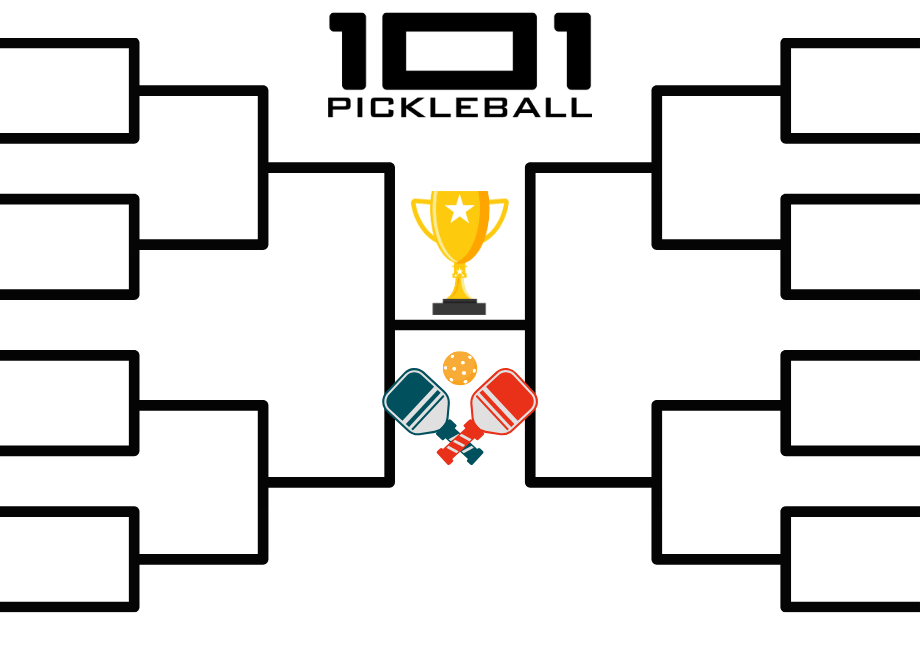
- Pool play to single-elimination: Pools feed a short bracket. It balances playtime with a big finish.
- Double elimination: Classic and fair, but it takes longer. Best with many courts and full-day play.
- Swiss or ladder: Good for rating updates. Players face others with similar results as rounds go on.
Divisions that work
- Skill levels: 2.5–5.0 works well. Keep brackets tight, like 3.0 and 3.5 separate.
- Age splits: 19+, 35+, 50+, 60+ are common. Use if your draw is large.
- Gender and mixed: Offer men’s, women’s, and mixed doubles. Add singles if you have time.
Seeding and fairness
- Seed by known ratings or past results. If you lack data, draw at random.
- Spread top teams across pools. Avoid clubmates in the same pool when possible.
- State tie-breakers up front. Use head-to-head, point differential, then points scored.

Budget, Fees, and Sponsors
A clear budget protects your event. It also shows partners that you run a tight ship. This is central to how to organize a pickleball tournament that pays for itself.
Plan costs first. Then set your entry fees.
- Common costs: Court rental, balls, nets, tape, medals, shirts, software, insurance, permits, first aid, water, snacks, and staff meals.
- Revenue options: Entry fees, add-on events, clinics, food sales, and sponsor funds.
- Sponsor ideas: Local gyms, physical therapists, realtors, credit unions, and pickleball brands.
Create simple sponsor tiers.
- Bronze: Logo on site and social posts.
- Silver: Court banner and email feature.
- Gold: Title on event name, premium booth, and awards mentions.
Secure Venue and Equipment
Lock in your space early. Visit at the same time as your event if outdoors. Note shade, restrooms, parking, and wind. Strong sites make how to organize a pickleball tournament far easier.
Count usable courts. If taping lines on tennis courts, plan time to measure. Standard net height is 36 inches at posts and 34 inches at center. Keep at least 8–10 feet behind baselines if you can.
Bring the right gear.
- Balls: Match the level and weather. Rotate new balls for medal rounds.
- Nets and lines: Test net straps and center straps. Mark court numbers clearly.
- Setup: Canopies, coolers, signage, scoreboards, clipboards, and radios. Add sunscreen and ice.

Registration, Waivers, and Software
Good registration flow saves headaches. It is a big lever in how to organize a pickleball tournament that feels pro. Use a platform that handles payments, waivers, brackets, and waitlists.
Set clear entry rules. Use a player cap per division. Close entries 7–10 days before event day. Enable a waitlist to fill last-minute drops.
Collect what you need, only.
- Full name, email, phone, and emergency contact.
- Partner link or partner search.
- Waiver and photo consent with a simple checkbox.

Build the Schedule and Draws
Time and courts are your currency. Plan with a simple math model. This is where you master how to organize a pickleball tournament with no bottlenecks.
Estimate match time. For games to 11, plan 15–20 minutes. For games to 15, plan 20–30 minutes. Medal rounds can take a bit longer.
Do a quick court math example. With 8 courts and 20-minute rounds, you can run about 24 matches per hour. If your pool stage needs 48 matches, that is about two hours. Add buffer between stages.
Stagger start times by division. This spreads check-in and keeps courts busy. Build in rest time after long matches. Post draws and start times at least 48 hours ahead.

Staff, Volunteers, and Roles
People make the day. Define jobs and train early. Clear roles are a key part of how to organize a pickleball tournament that feels calm.
Core roles that help:
- Tournament director: Final calls, disputes, timelines, and safety.
- Desk lead: Check-in, match calls, court flow, and results.
- Court marshals: Move players, confirm scores, and watch timing.
- Referees or scorekeepers: For medal rounds or all day, based on level.
- Medical lead: First aid, heat checks, and incident logs.
- Runners: Deliver balls, ice, and water. Post signs and fix small issues.
- Tech lead: Handles software, printers, and live updates.
Volunteer ratios that work:
- One desk lead and two helpers per 100 players.
- One marshal per 4–6 courts.
- One medical lead for the site, plus a backup.
Rules, Officiating, and Safety
Use the current USA Pickleball rules. Share any event-specific rules in advance. Consistent rules are base layer in how to organize a pickleball tournament that players trust.
Hold a short rules briefing. Cover serve rules, timeouts, injury time, and score reporting. For medal matches, add refs if you can. If not, use trained scorekeepers.
Safety is not optional.
- Post a heat plan with shade, water, and cooling towels.
- Keep a stocked first aid kit and an AED on site.
- Log incidents and communicate with calm and care.
Marketing, Communications, and Community
Marketing starts on day one. It supports entries, sponsors, and buzz. This is a big part of how to organize a pickleball tournament that sells out.
Build a simple promo plan.
- Brand: Short name, colors, and one tagline.
- Assets: Flyer, square social posts, and a short video.
- Channels: Local clubs, Facebook groups, Instagram, email, and a press note to local news.
Communicate in clear waves.
- Save the date: 6–8 weeks out.
- Registration open: With early-bird pricing if you want it.
- Final info: 72 hours ahead with weather tips, parking, and check-in flow.
- Live day updates: Match results and photos to keep energy high.
Tournament Day Operations
Walk the site before check-in opens. Test nets, radios, and printers. Put signs at the lot, gate, desk, and restrooms. A smooth start is how to organize a pickleball tournament that runs on rails.
Use a simple check-in table. Hand out wristbands or name tags. Post court maps and division schedules. Keep balls at the desk and at marshal stations.
Run match calls on a steady cadence. Call the next round before courts go empty. Confirm scores at the desk at once. Track no-shows and move the bracket forward with clear notes.
Have backups ready.
- Spare nets, paddles, tape, pens, and chargers.
- Extra water and ice.
- A short rain or heat delay plan that you can post fast.
Scoring, Live Results, and Awards
Fast results keep players happy. It also boosts your online reach. This helps you learn how to organize a pickleball tournament that grows each year.
Pick a scoring method early. Digital scoring is fast and neat. Paper scorecards at courts work too, as long as marshals collect them quick. Keep one source of truth.
Share results live if you can. Post links or QR codes at the desk. Announce medal matches and gather a crowd. Take podium photos and tag sponsors.
Awards do not need to be fancy. Medals work great. Add a best sportsmanship award. It sets a tone for your community.
Post-Event Wrap-Up and Growth
Your work is not over at the last medal. Close the loop to get better. This step locks in how to organize a pickleball tournament that keeps improving.
Send a thank-you email within 24 hours. Include a short survey. Ask about format, schedule, site, and staff. Offer a discount for the next event.
Hold a 30-minute debrief with your team. What bottlenecks hurt? What saved the day? Write playbook notes that your future self will love.
Track key metrics. Entries, no-shows, average match time, court use, sponsor value, and net revenue. Share highlights on social. Keep the story going.
Frequently Asked Questions of how to organize a pickleball tournament
How many courts do I need?
Work backward from players and format. As a rule, 8 courts can serve about 100 players in a single-day, multi-division event with smart staggering.
How long should matches be?
For early rounds, play to 11, win by 2. For medal rounds, you can go to 15 or best two of three to 11 if time allows.
Do I need referees?
You can run pool play without refs using trained scorekeepers. Add refs for medal matches or higher skill divisions to reduce disputes.
How much should I charge?
Most local events charge $25–$75 per player, based on costs and perks. Share what the fee covers to build trust.
What about insurance?
Event liability insurance is smart and often required by venues. Check coverage limits, named insureds, and add an accident medical rider if you can.
How do I handle weather delays?
Plan a delay policy and share it before the event. Use short updates, prioritize safety, and be ready to shorten matches or move to next-day play if needed.
Conclusion
You now have a field-tested plan to design, fund, staff, and run a fair event. Start small, choose a clear format, and protect your time with simple systems. This is how to organize a pickleball tournament that feels pro yet friendly.
Take the first step today. Pick a date, list your goals, and book your courts. If this guide helped, subscribe for more tools, or share your next event idea in the comments.