
Choose a paddle that matches your grip size, weight needs, and play style.
If you want to learn how to pick a pickleball paddle the smart way, you are in the right spot. I test paddles weekly, coach new players, and geek out on gear. I will show you how to pick a pickleball paddle with simple steps, clear tips, and real on-court lessons. Let’s make your next paddle a true fit, not a guess.
Understand the paddle basics
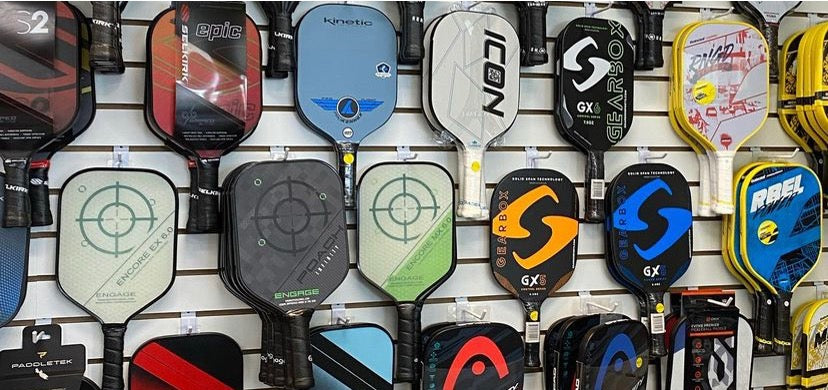
Your paddle is a mix of face, core, shape, weight, and grip. Each part changes feel, spin, power, and control. Know these parts and you will know how to pick a pickleball paddle without stress.
Key parts you will see:
- Face material. Carbon fiber or graphite gives control and spin. Fiberglass adds pop and easy power.
- Core type. Polymer honeycomb is common for feel and comfort. Nomex is hard and loud. Aluminum is light but less common now.
- Thickness. 13 mm plays faster and livelier. 16 mm feels softer and helps control.
- Weight. Light is quick. Heavy hits hard. Midweight blends both.
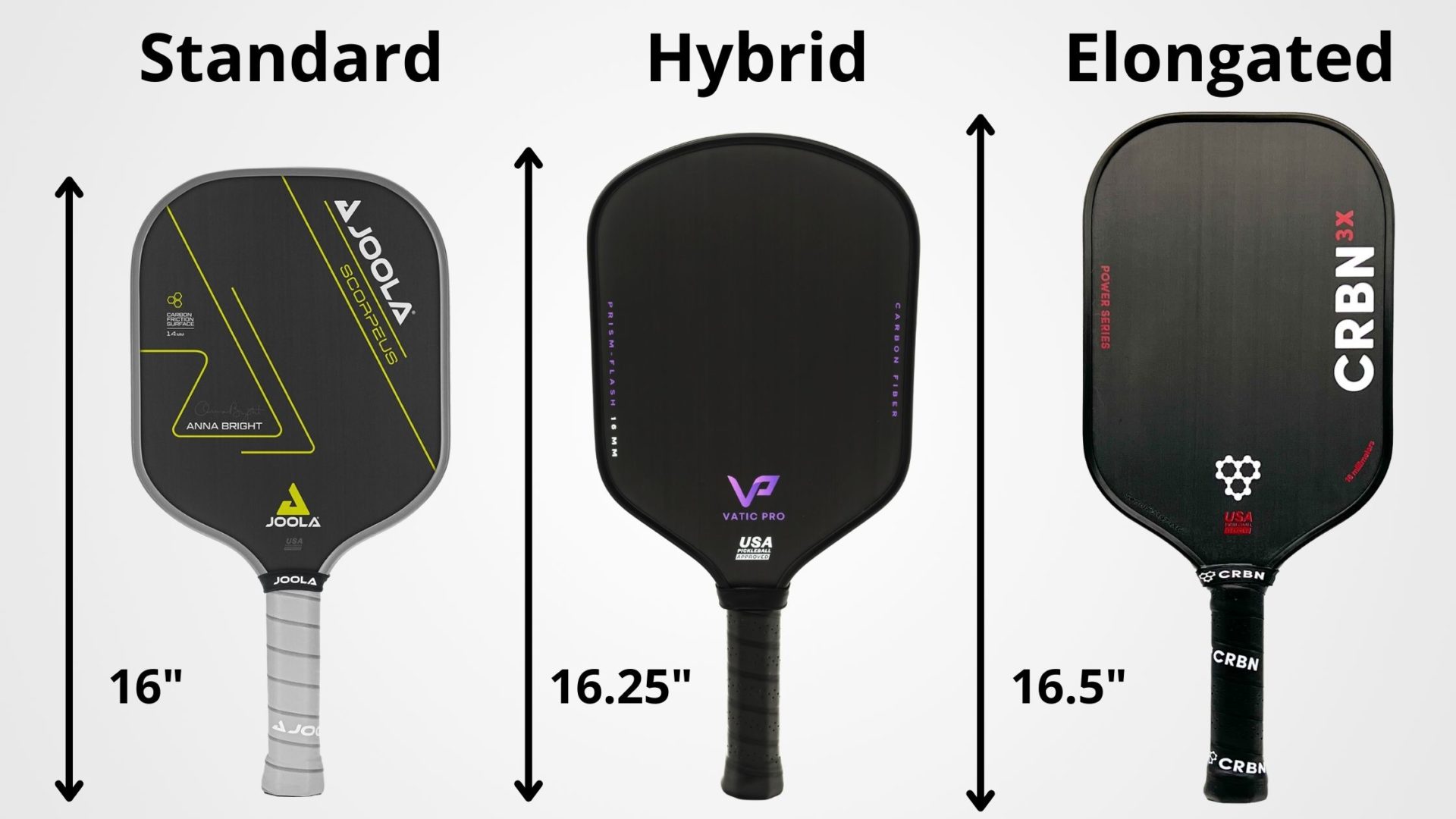
- Shape. Elongated adds reach and power. Widebody adds a larger sweet spot.
On-court, these parts blend. That is why how to pick a pickleball paddle starts with knowing what each part does for you.

Step-by-step: how to pick a pickleball paddle
Follow this order. It keeps choices clear and saves money.
- Set your goal. Do you want control, power, or balance?
- Pick a weight range. Light for speed, heavy for drive, mid for blend.
- Choose grip size. Size matters for comfort and injury risk.
- Match core thickness to feel. Thicker for control, thinner for pop.
- Pick a face. Carbon for spin and control. Fiberglass for power.
- Choose a shape. Elongated for reach. Standard for sweet spot.
- Check budget and warranty. Value matters.
- Test on court. Use a short drill plan.
This is the clean path for how to pick a pickleball paddle that fits your game today and grows with you.
Weight and balance: control vs power
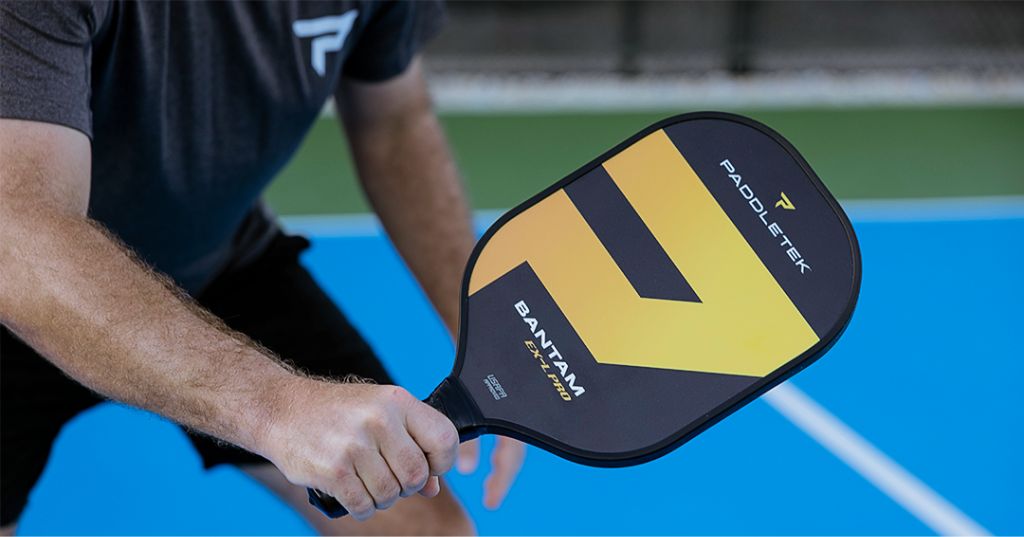
Weight is the fastest way to change how a paddle plays. Here is the guide I use with students.
- Light, 7.3 to 7.7 oz. Great hand speed at the net. Easy on the arm. Less free power.
- Midweight, 7.8 to 8.2 oz. Best for most. Good blend of power and control.
- Heavy, 8.3 to 8.8 oz. Big plow through the ball. Can stress the elbow if not fit right.
Balance also matters.
- Head-light. Quick at the kitchen. Smooth for resets.
- Head-heavy. More drive power. Slower hands on fast exchanges.
Personal note: I moved from 8.5 oz head-heavy to 7.9 oz mid with light lead tape at 3 and 9 o’clock. My hands got faster, and my drives still had bite. If you want to know how to pick a pickleball paddle for speed, start with midweight and tune from there.

Grip size and handle length
Grip size is your comfort anchor. Too big strains the forearm. Too small can cause over-gripping.
How to find your size:
- Measure from the middle crease of your palm to the tip of your ring finger. Most fall between 4 to 4.5 inches.
- Try the finger test. Hold a paddle. Slide your index finger of the other hand between your fingers and palm. If it fits snug, the size works.
Handle length tips:
- Short handle, larger face. Better sweet spot and control.
- Long handle. Great for two-handed backhands and reach on dinks.
If you ask how to pick a pickleball paddle for comfort and injury prevention, start with grip size first.
Core, thickness, and feel
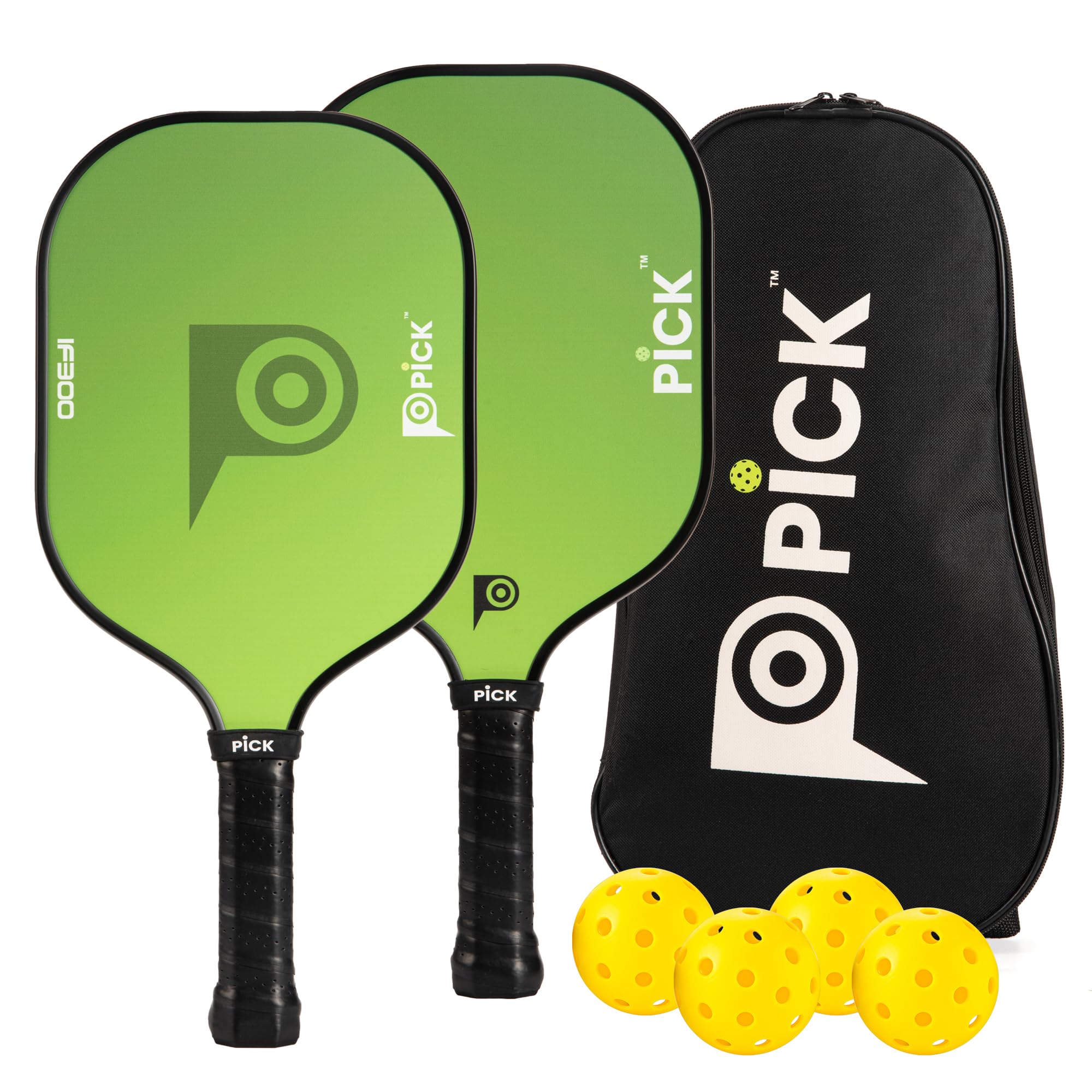
Core and thickness set the tone of your touch game.
- Polymer honeycomb. The standard. Quiet, soft, and arm friendly.
- Nomex honeycomb. Hard, fast, and loud. More pop, less dwell time.
- Aluminum honeycomb. Light and soft, but less common.
Thickness guide:
- 13 mm. More pop and feedback. Good for offense and counters.
- 15 to 16 mm. Softer, bigger sweet spot, easier resets.
- 19 mm and foam walls. Very plush and quiet. Great for soft game.
If your soft game needs help, and you ask how to pick a pickleball paddle for resets, a 16 mm polymer core is a safe start.
Face material and spin
Face material affects spin, bite, and control.
- Carbon fiber or graphite. Stable feel, top spin control, great for third-shot drops. Good dwell time on the ball.
- Fiberglass. Lively face. Adds power and pop on drives and serves.
- Hybrid weaves. Blend of control and power.
Roughness aids spin, but approved paddles must meet surface rules. New paddles will grip more. Over time, faces wear. If spin is your key need and you want to know how to pick a pickleball paddle for shape and spin, go carbon with a consistent textured face.
 control”
style=”max-width: 100%; height: auto; border: 2px solid black; border-radius: 10px; display: block; margin: 0 auto;”
loading=”lazy”
/>
Shape, sweet spot, and control
Paddle shape changes reach and forgiveness.
- Standard or widebody, about 8 inches wide. Big sweet spot. Best for most players.
- Elongated, longer face. More reach and serve power. Smaller sweet spot.
- Control shapes, rounded shoulders. Smoother feel on blocks.
A simple rule for how to pick a pickleball paddle by shape:
- If you win at the kitchen, pick standard.
- If you attack from mid-court, try elongated.
- If you spray balls off center, go widebody for forgiveness.
Noise, durability, and edge guard
Some courts care about sound. Polymer and foam designs are quieter. Approved quiet lists exist in many areas.
Durability points:
- Edge guard. Protects the rim from chips. Adds small weight at the edge.
- Edgeless. Clean look and crisp feel. Use edge tape for protection.
- Face wear. Carbon holds texture longer than fiberglass for many players.
If you need a long-lasting buy and ask how to pick a pickleball paddle for life span, select a strong carbon face, solid edge guard, and a good warranty.

Budget and value
You do not need to overspend to win.
- Under 75 dollars. Entry paddles. Fine for learning. Fewer features.
- 100 to 160 dollars. Great value. Many top cores and faces.
- 170 to 260 dollars. Flagship builds. Best spin, feel, and balance.
- Over 260 dollars. Niche tech. Buy only if you can test first.
For most players asking how to pick a pickleball paddle on a budget, the mid tier is the sweet spot.
Try-before-you-buy checklist
Bring two or three paddles. Run this five-minute test set. It works.
- Dinks. Ten forehands and ten backhands. Check touch and height control.
- Drops. Ten third-shot drops cross-court. Look for consistent arc.
- Drives. Ten serves and ten returns. Note power without over-swing.
- Volleys. Fifteen rapid volleys. Feel hand speed and stability.
- Spin. Five topspin rolls and five slices. Check bite and depth.
- Resets. Feed yourself fast balls at mid-court. Can you calm the ball?
If a paddle passes this, you have learned how to pick a pickleball paddle with proof, not hope.
Common mistakes to avoid
I see these errors a lot. Skip them and save time.
- Buying by brand or pro name only. Fit matters more.
- Choosing the heaviest paddle for power. Your elbow may pay the price.
- Ignoring grip size. Comfort and control start here.
- Skipping a test. A five-minute trial beats hours of reviews.
- Chasing new models each month. Learn one setup and grow.
These tips are the heart of how to pick a pickleball paddle that helps you play better now.
Care and maintenance
A little care adds months of life.
- Wipe the face with a damp cloth. Remove dust and oil to keep spin.
- Do not leave it in a hot car. Heat can weaken glue and core walls.
- Replace the grip or overgrip often. Fresh tack means lighter hold.
- Use edge tape if you scrape courts. It protects the rim.
- Check for dead spots every few weeks. Tap with your knuckle and listen.
Care is part of how to pick a pickleball paddle that stays great over time.
Frequently Asked Questions of how to pick a pickleball paddle
What paddle weight is best for beginners?
Midweight, around 7.8 to 8.2 oz, is a safe start. It blends power and control and is easy on the arm.
How do I measure the right grip size at home?
Measure from your palm crease to the tip of your ring finger. You can also use the finger test for a quick check on fit.
Is carbon fiber better than fiberglass?
Carbon usually gives more control and spin. Fiberglass gives more pop and free power.
What thickness should I choose, 13 mm or 16 mm?
Choose 13 mm for a lively feel and offense. Choose 16 mm for a softer feel and easier resets.
Do I need an elongated paddle for more power?
Elongated paddles add reach and leverage. They can boost serves and drives but may shrink the sweet spot.
Are “quiet” paddles worth it?
Yes if your community has sound rules. They also feel softer and can reduce harsh impact.
Conclusion
You now have a clear plan to match weight, grip, core, face, and shape to your style. Start with your goal, test with a short drill set, and pick the paddle that helps your game right away.
Take action this week. Demo two paddles and use the checklist. If you found this guide useful, subscribe for more gear tips, ask a question, or share your current setup in the comments.