Learn basics: grip, serve, dink, footwork, and simple scoring on a small court.
If you want to master how to pickleball, you are in the right place. I coach new players every week, and I know the small steps that build skill fast. This guide explains how to pickleball in clear, simple terms. You will get rules, drills, and tips that work on real courts.

What is Pickleball and why it’s exploding
Pickleball is a paddle sport you can learn in one day and enjoy for life. It blends tennis, ping-pong, and badminton on a small court. You serve underhand, let the ball bounce once on each side, and play to 11, win by 2. If you are new and want to know how to pickleball, start with the basics here.

Gear you need to start today
You do not need much gear to begin. A midweight paddle, two outdoor balls, and court shoes are enough. Court shoes matter since they protect your ankles on quick stops. I suggest eye guards for safety and a hat for sun.
What I tell new players:
- Pick a paddle with a comfy grip. Weight near 7.8 to 8.3 oz works for most.
- Use outdoor balls with small holes for hard courts.
- Wear stable shoes with flat tread. Running shoes can slip.
- Bring water and a small towel.
If you are curious about how to pickleball on a budget, borrow a paddle first. Try a few shapes and grips before you buy.
Court, lines, and basic rules you must know
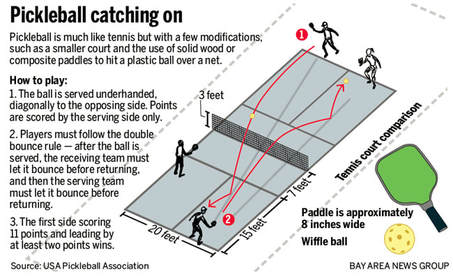
The court is 20 by 44 feet. The kitchen, or non-volley zone, is the 7-foot strip by the net on both sides. Do not volley while standing in the kitchen. The net is 36 inches at the posts and 34 inches in the center.
Key rules to remember:
- Serve underhand from behind the baseline. Hit the ball below the waist.
- The ball must land in the opposite diagonal service box.
- The two-bounce rule: the return must bounce, and the next shot must bounce too.
- After that, you can volley, but not in the kitchen.
- A point is only scored by the serving team. Games go to 11, win by 2.
These rules match the official USA Pickleball rulebook. If you plan to teach a friend how to pickleball, these points keep play fair and fast.

How to hold the paddle and move your feet
Use a simple grip. The continental grip works well for most shots. Hold the handle like you would hold a hammer. Keep your wrist calm and your grip light.
Good footwork is your base. Stay low with knees bent. Use a small split step as your rival hits. Move with short side steps, not big lunges. Better feet make how to pickleball feel smooth and safe.
:max_bytes(150000):strip_icc()/how-to-play-pickleball-tips-for-getting-started-5119213_final-bf80f980ffce4deca59039e2d83a1a1a.png)
How to serve in pickleball step by step
A steady serve wins games. It does not need to be fast. It needs to be deep and in.
Follow these steps:
- Stand behind the baseline and face the right box if your score is even.
- Drop or toss the ball from your non-dominant hand.
- Swing from low to high with an underhand motion.
- Make contact below your waist, paddle moving up.
- Aim deep and target the rival’s backhand.
How to pickleball on the return:
- Hit the return deep to the middle.
- Give it some height for time.
- Move to the kitchen line right away.
How to pickleball on the third shot:
- If rivals are at the net, use a soft drop into the kitchen.
- If they stay back, drive low at their body or middle.
- Then join your partner at the kitchen line.
Core shots: dinks, volleys, drives, drops, and lobs
Dinks are soft shots that land in the kitchen. Keep your paddle out front and push, do not swing. Aim to the middle or the rival’s backhand. A good dink slows the point and draws errors.
Volleys are shots in the air. Use short blocks. Meet the ball out front. Keep the swing tiny. I teach new players to think “catch, then push.”
Drives are firm groundstrokes. Use them on high balls or third shots when rivals are back. Aim low to the middle for fewer errors.
Drops are soft arcs from the back court into the kitchen. They give you time to move in. Focus on height and a smooth, calm swing.
Lobs can reset pressure. Use them when rivals crowd the net. Give them height, not speed. Be ready for a smash in return.
If you ask me how to pickleball with control, I say this: master the dink and the drop first. Power can wait.

Scoring and simple strategy for beginners
In doubles, call the score as server score, receiver score, and server number. For example, 4-3-1. The first serve of each new side-out always starts at 0-0-2 at the game start. Play to 11, win by 2.
Simple strategy that works:
- Serve deep and in. No double faults.
- Return deep and move to the kitchen fast.
- Aim for the middle. Balls in the middle cause mix-ups.
- Keep the ball low. High balls get crushed.
- Talk with your partner before each point.
This is how to pickleball with smart plans, not just power.
A 30-day practice plan to go from new to confident
Week 1: Learn the court, rules, and safe footwork. Shadow swing serves and dinks for 15 minutes a day. Play two casual games.
Week 2: Serve buckets of balls. Goal is 50 in a row, all in. Add wall drills. Tap the ball on your paddle 100 times to build touch.
Week 3: Drill dinks cross-court for 10 minutes. Then do drop feeds from the baseline. Finish with controlled volleys at the kitchen.
Week 4: Play three times. After each game, note one skill to fix. Record a few points on your phone. Review footwork and paddle height.
How to pickleball like a pro in practice:
- Start slow, then add speed.
- Track one metric per week.
- Rest one day to avoid strain.

Common mistakes, safety, and etiquette
Common mistakes I see:
- Swinging hard on every ball.
- Staying at the baseline after the return.
- Backing up from the kitchen on volleys.
- Holding the paddle too low.
Safety tips:
- Warm up for five minutes. Light jog and shoulder circles.
- Drink water before and during play.
- Wear eye guards if play is fast.
- Stop if you feel dizzy or in pain.
Etiquette that grows the game:
- Call the score before the serve.
- Call lines with honesty. If you are not sure, the ball is in.
- Stop play for a ball on court.
- Thank partners and rivals after each game.
This is the heart of how to pickleball with respect and joy.
How to pickleball for different ages and abilities
Kids do best with fun rallies and simple targets. Use service boxes as goals. Keep games short and upbeat.
Older players can shine with touch. Focus on dinks, drops, and court sense. Use shoes with good grip and warm up longer.
Adaptive play is growing fast. Lower nets, softer balls, or extra bounces can help. The official rulebook supports adaptive formats. The spirit is the same: safe, fair, and fun.
Where to play, find partners, and join events
Look for local rec centers, parks, and community clubs. Many have open play hours. Apps and social groups can match you with players at your level. Ladders and round robins are great for steady growth.
Tournaments range from local to national. Start with skill levels, not age, if you are new. If you aim to teach others how to pickleball later, play formats like round robin to see many styles.
Frequently Asked Questions of how to pickleball
What is the fastest way to learn how to pickleball?
Start with serve, return, and dink. Drill for 30 minutes, then play short games to 7.
How do I keep score in doubles when learning how to pickleball?
Call server score, receiver score, then server number. Only the serving team scores, and you must win by 2.
What is the kitchen, and why does it matter for how to pickleball?
The kitchen is the non-volley zone by the net. You cannot volley there, so it keeps play fair and balanced.
Which paddle should I buy to learn how to pickleball?
Pick a midweight paddle with a comfy grip. Try a few demos and choose the one that feels stable.
How can I reduce errors as I practice how to pickleball?
Aim for the middle and keep the ball low. Slow your swing and focus on footwork and balance.
How often should I practice if I’m serious about how to pickleball?
Three times a week works for most. Drill one skill per day and play at least one match each week.
Is singles different when learning how to pickleball?
Singles is more about fitness and depth. Hit deep, recover to the middle, and use angles.
Conclusion
You now have a clear plan for how to pickleball, from rules and gear to drills and smart play. Keep your serve steady, move to the kitchen, and master soft shots first. Small wins stack fast when you stay calm and train with intent.
Grab a paddle this week and try two drills before your next game. If this guide helped, share it with a friend, subscribe for more tips, or drop your top question in the comments.