Serve deep, move as one, own the kitchen, hit feet, talk always.
If you want a simple, clear guide on how to play pickleball doubles, you are in the right place. I coach new players and compete in local leagues, and I’ll walk you through the exact moves, calls, and habits that win points. Stay with me, and you’ll learn how to play pickleball doubles with smart positioning, clean strategy, and great teamwork.
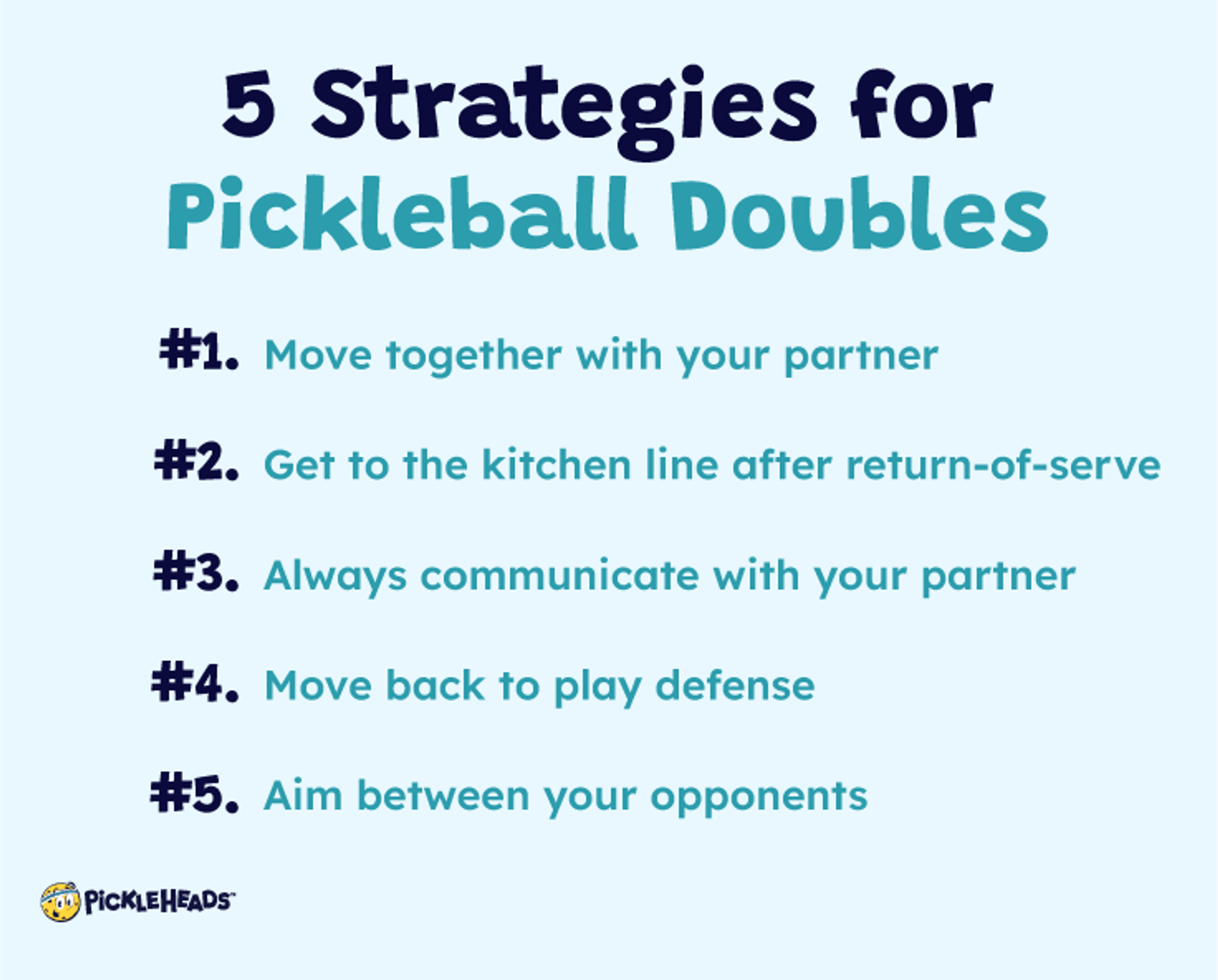
The basics of doubles pickleball
If you’re learning how to play pickleball doubles, start with the core rules. They set the stage for all your tactics.
Scoring and rotation
- Games usually go to 11, win by 2.
- Only the serving team scores in traditional scoring.
- Each side has two servers per turn, except at the start when only one serves.
- Call score as server score, receiver score, then server number (1 or 2).
Serve, return, and two-bounce rule
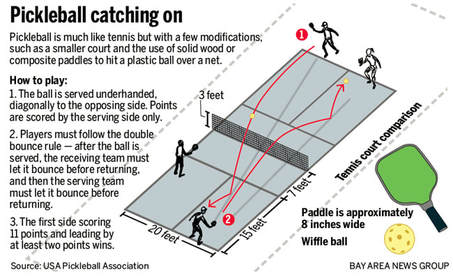
- Serve underhand from behind the baseline. Contact is below the waist.
- Serve cross-court, landing in the opposite service box.
- The ball must bounce once on the return and once on the serving team’s next shot. Then you can volley.
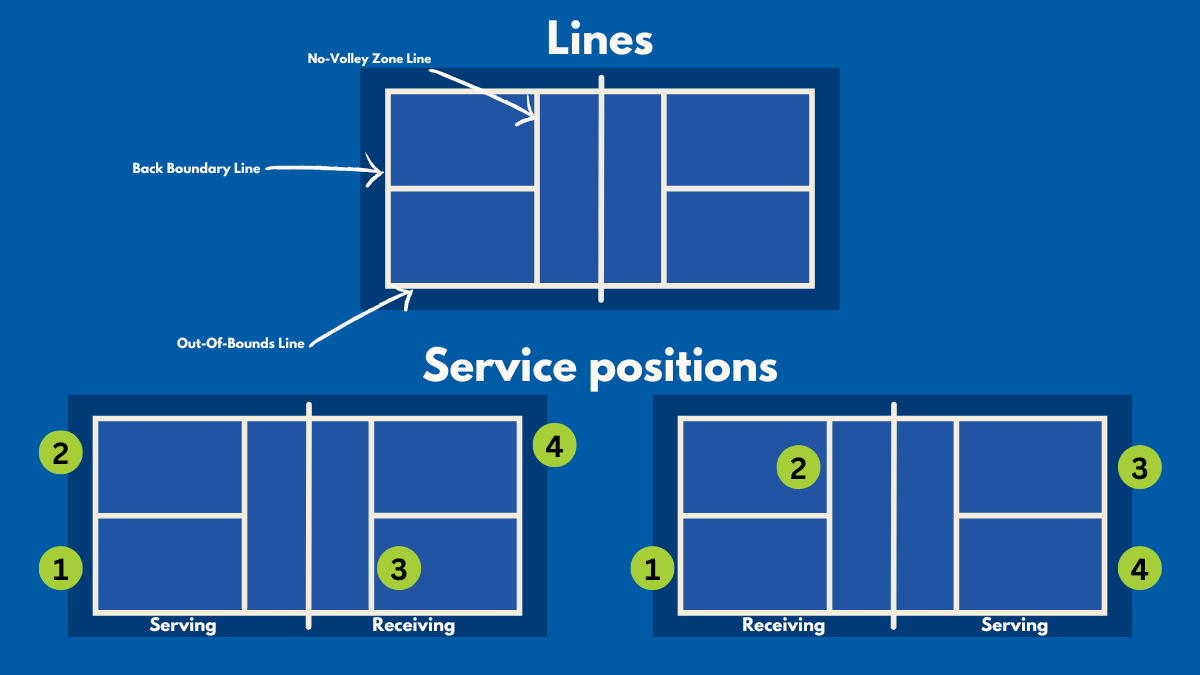
Non-volley zone (the kitchen)
- You cannot volley while standing in the kitchen or touching its line.
- You can step in to play a ball that has bounced. Get back out before volleying.
Lines and lets
- A serve that hits the kitchen line is a fault. Other lines are in on serves.
- Net-cord serves that land in are played in current rulesets.
Learn these rules first, and how to play pickleball doubles will feel far less complex.
Essential positioning and footwork for doubles
Good teams win with feet first. If you want to know how to play pickleball doubles with control, master your spots on court.
Start positions
- Server and partner start near the baseline.
- Returner starts near the baseline. Their partner starts at the kitchen line ready to move.
Move as a team
- Aim to reach the kitchen line together. That line is your home base.
- Keep a small gap between partners. I use “two paddle lengths” as a guide.
- Slide as one unit left and right. Think of a clothesline moving across.
Footwork tips
- Use small split steps before each shot.
- Stay on the balls of your feet. Avoid flat heels.
- Turn shoulders early for dinks and volleys.
This is the base map for how to play pickleball doubles with smart court control.
Serve, return, and third-shot strategy
Your first three shots set the tone. Many rallies are won or lost here, so dial this in if you care about how to play pickleball doubles well.
Serving goals
- Serve deep to push the returner back.
- Mix speeds and heights. Keep it simple, not risky.
- Target backhands when you can.
Return goals
- Return deep down the middle or to the weaker player.
- Aim high and slow to buy time to reach the kitchen line.
- Avoid sharp angles unless you are set.
Third-shot options
- Third-shot drop: Soft, arcing shot that lands in the kitchen. This buys time to move up.
- Third-shot drive: Firm, low shot at feet or middle. Follow with a fifth-shot drop.
- Decide based on the ball you get. High and short? Drive. Low and deep? Drop.
This is a core part of how to play pickleball doubles at every level.
Kitchen management and the dinking game
Owning the kitchen wins points. If you want strong command of how to play pickleball doubles, make the dink your best friend.
Dink basics
- Keep the ball low and soft over the net.
- Aim cross-court for a longer, safer path.
- Change pace with an occasional push dink.
Attack from the kitchen
- Attack high balls. Go at feet, hips, or paddle shoulder.
- Use a quick flick at the wrist, not a big swing.
- Be ready for the counter. Keep your paddle up.
Reset under pressure
- If you are stretched, play a soft reset into the kitchen.
- Shorten your swing. Use more legs and less arm.
This is the heart of how to play pickleball doubles with patience and bite.

Communication, signals, and teamwork
Strong talk wins tight games. Clear calls are a must for how to play pickleball doubles.
Before the serve
- Agree on serve target and speed.
- Decide who covers the middle.
- Use simple hand signals behind the back if you stack.
During points
- Call “mine,” “yours,” and “switch” early and loud.
- Say “bounce” for balls that might be out.
- Praise good shots. It keeps energy high.
After points
- Share one quick note, not a lecture.
- Adjust the plan, then move on.
In my league matches, one rule changed us: the first voice wins the ball. That habit leveled up how to play pickleball doubles for our team.

Formations and stacking
Stacking helps keep forehands in the middle or hide weaker sides. It is a useful tool when learning how to play pickleball doubles.
When to stack
- You have a lefty-righty pair.
- One player has a stronger middle forehand.
- You want a specific player on a given side.
How to stack
- Server or returner lines up on one side.
- Partner stands near the sideline or out of bounds on the correct side.
- After the serve or return, both slide to target sides.
Tips
- Keep footwork clean. Avoid stepping on the court early.
- Use simple signals for who covers middle.
Stacking is a clean way to refine how to play pickleball doubles with an edge.
Shot selection and targeting
Pickleball is aim and patience. Shot choice is a key skill in how to play pickleball doubles.
Where to hit
- Aim at feet. It forces pop-ups.
- Go middle to cause confusion.
- Hit to the backhand in a jam.
When to speed up
- Attack balls above net height.
- Look for a weak contact point, like the paddle hip.
- If you start it, be ready for the counter. Keep the paddle high.
When to slow down
- If off-balance, choose a reset.
- If out of position, float a deep return or drop.
Target smart and you will master how to play pickleball doubles under pressure.

Drills to improve fast
Short, focused drills beat long, messy games. These will fast-track how to play pickleball doubles with confidence.
Warm-up
- 5 minutes of soft dinks cross-court and straight on.
- 3 minutes of volley to volley at the kitchen line.
Core drills
- Third-shot drop to target zones. Aim 20 in a row.
- Transition reset: Feed drives, you reset into the kitchen.
- Middle balls: One feeds to the middle, both call and take turns.
Game-like
- Serve, return, play out to 5 points with only drops allowed at first.
- Offense-defense: One side drives, the other side resets for 2 minutes, then switch.
I track one goal each session, like 70% third-shot drops in. This simple rule changed how to play pickleball doubles for me.

Common mistakes to avoid
Mistakes are teachers. Learn these and you will upgrade how to play pickleball doubles fast.
Frequent errors
- Rushing the net and eating a passing shot.
- Standing too close to your partner and leaving the line open.
- Popping up dinks due to a big backswing.
- Forgetting the two-bounce rule on a fast point.
- Over-hitting serves and returns.
Fixes
- Move up only after a quality drop or deep return.
- Keep a steady gap. Slide as one.
- Shorten your swing in the kitchen.
- Call “bounce one” and “bounce two” in practice to build the habit.
Equipment and setup tips
The right gear helps, but you do not need to overspend to learn how to play pickleball doubles.
Paddle
- Pick a midweight paddle. It offers a blend of power and control.
- Grip size should fit your hand. A smaller grip adds wrist action.
- Textured faces help with spin, but control is king.
Balls and shoes
- Outdoor balls are firmer with smaller holes. Indoor balls are softer.
- Wear court shoes with good grip and side support. Avoid running shoes.
Court prep
- Check lines and net height. Standard net center is 34 inches.
- Bring extra balls. Practice starts faster when you do.
Good setup adds calm and focus to how to play pickleball doubles.
Match play plan and adjustments
Have a plan. Then adjust. This is how to play pickleball doubles like a pro.
Start plan
- Serve deep, return deep.
- Get to the kitchen line together.
- Target the weaker player early to test them.
Mid-match reads
- Is one player popping dinks? Aim there.
- Are they stacking to protect a side? Attack the open lane.
- Are speed-ups beating you? Reset more and slow the pace.
End-game focus
- Take extra care on serves and returns.
- Pick high-percentage targets.
- Breathe, call the plan, and trust your reps.
These small changes define how to play pickleball doubles when points matter most.
Etiquette and safety
Play hard, play fair. Good vibes win friends and matches.
On-court respect
- Call lines you see. Give benefit of the doubt to your opponents.
- Announce the score before every serve.
- Apologize for net-cords. Smile and move on.
Safety
- Warm up. Ankles and shoulders need it.
- Avoid backpedaling. Turn, pivot, and run through.
- Hydrate and take shade breaks on hot days.
This spirit of play is part of how to play pickleball doubles the right way.
Frequently Asked Questions of how to play pickleball doubles
What is the most important rule for beginners?
The two-bounce rule is vital. Let the serve and return each bounce once before volleying.
How do you score in doubles?
Only the serving team scores in standard games to 11, win by 2. Call server score, receiver score, then server number.
Where should I stand after I serve?
Start near the baseline, then move forward after your partner’s third shot. Aim to reach the kitchen line together.
What is stacking in doubles?
Stacking is a formation that keeps players on preferred sides. You start on one side and shift to target spots after the serve or return.
How do I stop popping up dinks?
Use a soft grip, keep the paddle head up, and take a short swing. Aim to send the ball low and unattackable.
How do I decide between a drop and a drive on the third shot?
If the ball is low or deep, drop it. If it is high or sits up, drive it, then be ready to reset.
Conclusion
You now have a full plan to play smarter doubles: deep serves and returns, clean footwork, own the kitchen, talk early, and target feet. Start with one goal per session, like better drops or faster calls, and stack wins from there. Bring a partner, set a plan, and go run it on court today—then share your progress, subscribe for more guides, and ask your next question in the comments.