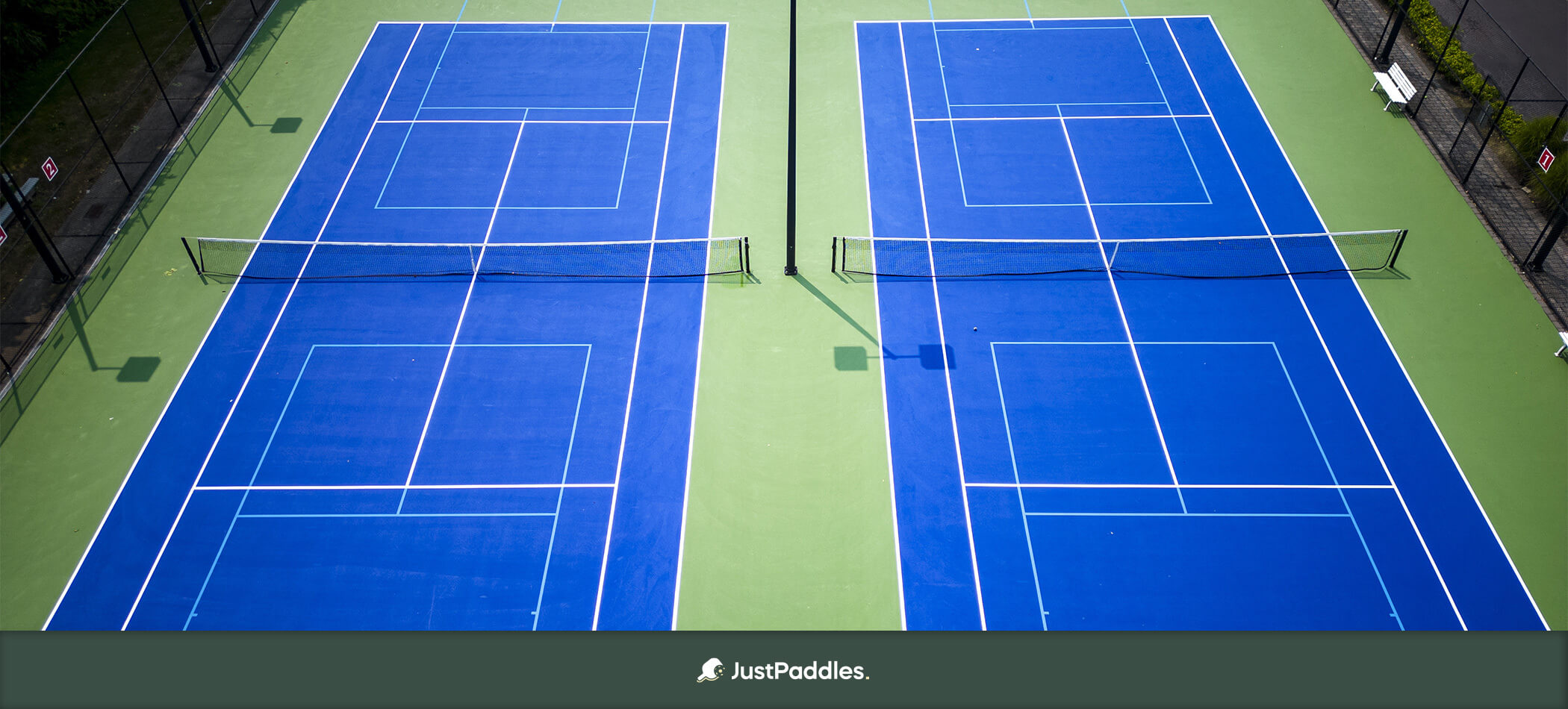
Use temporary lines and a lower net to map a 20×44 pickleball court.
If you want to learn how to play pickleball on tennis court, you’re in the right place. I’ve set up dozens of pop-up courts for clubs, schools, and parks. In this guide, I’ll show you how to plan, mark lines, adjust the net, follow the rules, and play safe. You’ll get clear steps, pro tips, and common mistakes to avoid so your first session runs smooth.
What to know before you start
Playing pickleball on a tennis court is easy with the right plan. You set a smaller court inside the larger space. You lower the net and add temporary lines. Then you play by standard pickleball rules.
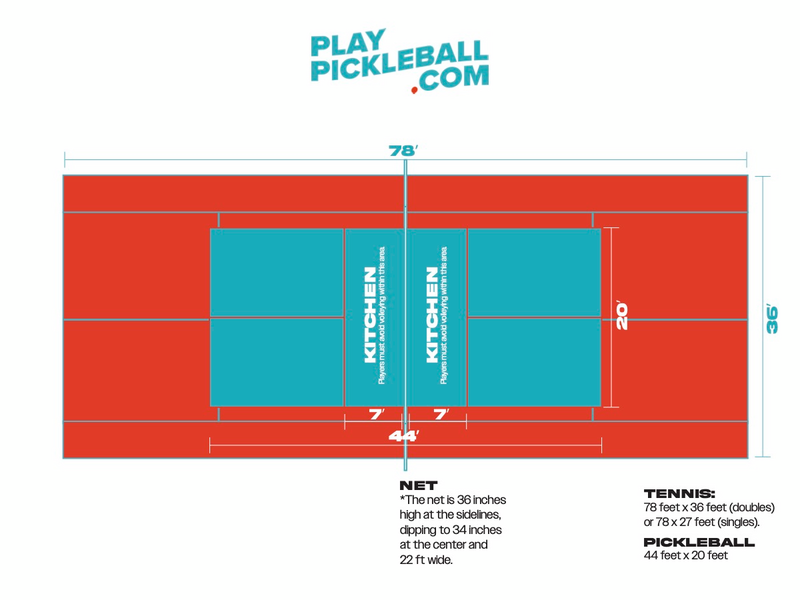
Here’s the simple idea. A pickleball court is 20 feet wide and 44 feet long. The non-volley zone, also called the kitchen, is 7 feet from the net on both sides. The net should be 34 inches at the center and 36 inches at the posts.
When I first learned how to play pickleball on tennis court, I tried to eyeball lines. Big mistake. The court felt off, and rallies died fast. Use a tape measure. It takes 10 minutes and makes a huge difference.

Court dimensions and layouts on a tennis court
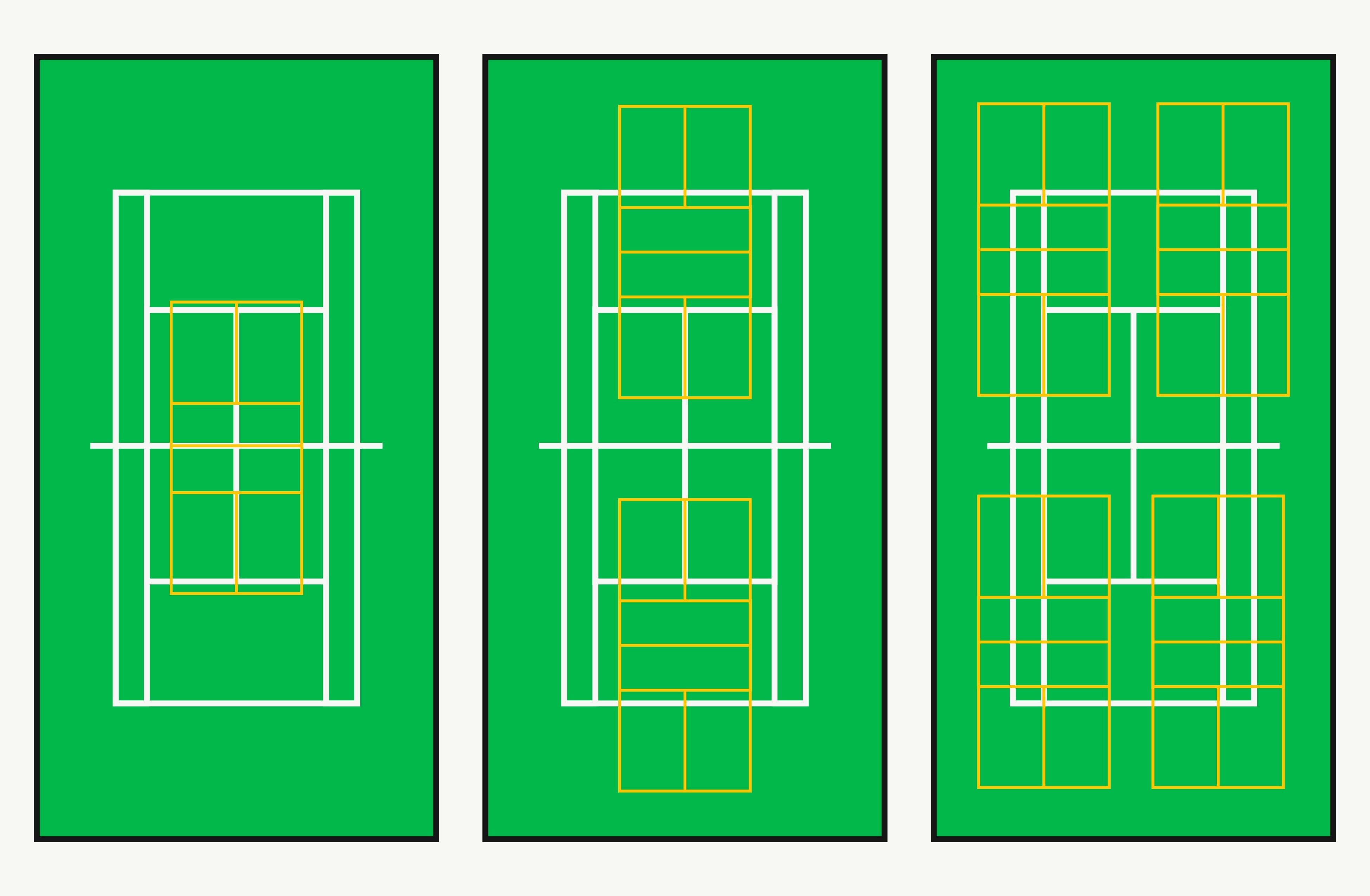
A standard tennis court is 36 feet wide for singles and 78 feet long. That gives enough room for one to four pickleball courts, depending on space, safety zones, and local rules.
Common layouts:
- One pickleball court per half: Simple and safe. Great for beginners.
- Two courts per tennis court: Most popular. Good flow and room to move.
- Four courts per tennis court: Only where space and padding allow. Check local rules.
Key spacing tips:
- Leave at least 3 feet of buffer beyond sidelines if you can.
- Try for 5–8 feet behind baselines for safe stops.
- Avoid placing baselines too close to fences or nets.
If you want to master how to play pickleball on tennis court, start with two courts per tennis court. It balances capacity and safety.
Gear and marking options you will need
You don’t need much to get started. A small kit keeps setup quick and clean.
Essentials:
- Measuring tape and chalk line snap reel: For accurate 20×44 feet layout.
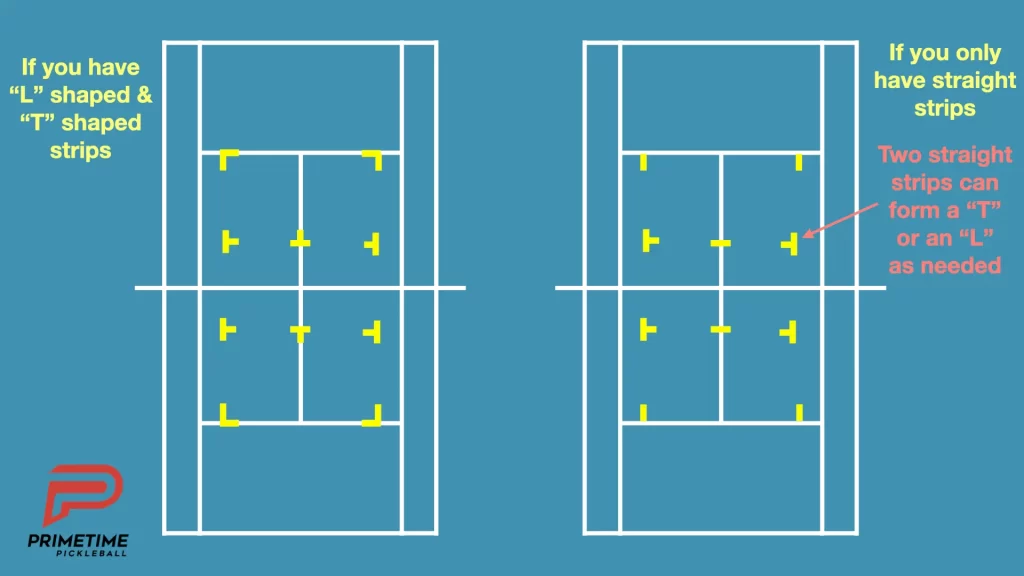
- Temporary line solution: Painter’s tape, chalk, or throw-down court lines.
- Portable pickleball net or a net strap: To hit 34 inches at the center.
- Outdoor balls and paddles: Use outdoor balls on paved courts for better bounce.
- Cones: For warm-ups and to mark off hazards.
Line options explained:
- Painter’s tape: Low residue, visible, best balance. Avoid duct tape.
- Chalk: Fast and cheap. Works well on rough asphalt. Needs touch-ups.
- Throw-down lines: Reusable. Great if you set up often.
When teaching how to play pickleball on tennis court to new groups, I carry blue painter’s tape. White tape can blend with tennis lines. Blue stands out, and cleanup is easy.

Step-by-step setup on a tennis court
Use this checklist to set up one court fast. Two people can do it in 15 minutes.
- Choose your spot
- Pick a half court or set two courts side by side.
- Clear debris. Look for cracks or slick spots.
- Mark the net line
- Place the portable net or use the tennis net if allowed.
- If using the tennis net, add a center strap to 34 inches.
- Measure the court
- From the net, measure 22 feet to each baseline.
- Mark the sidelines 10 feet out from the centerline on both sides.
- Mark the kitchen
- From the net, measure 7 feet on each side. Snap a line across for the non-volley zone.
- Add service boxes
- Divide each side lengthwise with a centerline (10 feet from each sideline).
- Your service boxes will be 10×15 feet.
- Final check
- Walk the court. Look for uneven tape, loose ends, or tripping risks.
- Bounce test the ball to confirm a clean surface.
If someone asks how to play pickleball on tennis court with only a tennis net, say this: lower to 34 inches in the middle, and 36 inches at posts if possible. A strap or rope works in a pinch.
Rules and adjustments when using a tennis court
Rules are the same as on a dedicated court. The big change is the net setup and line visibility.
Core rules to remember:
- Serve underhand, below the waist, and cross-court.
- Two-bounce rule: Ball must bounce once on each side before volleys start.
- Non-volley zone: No volleys with any part of the body on or over the kitchen line.
- Games often go to 11, win by 2.
Tennis court adjustments:
- Net height: Tennis nets are 36 inches at the center by default. Lower to 34 if possible.
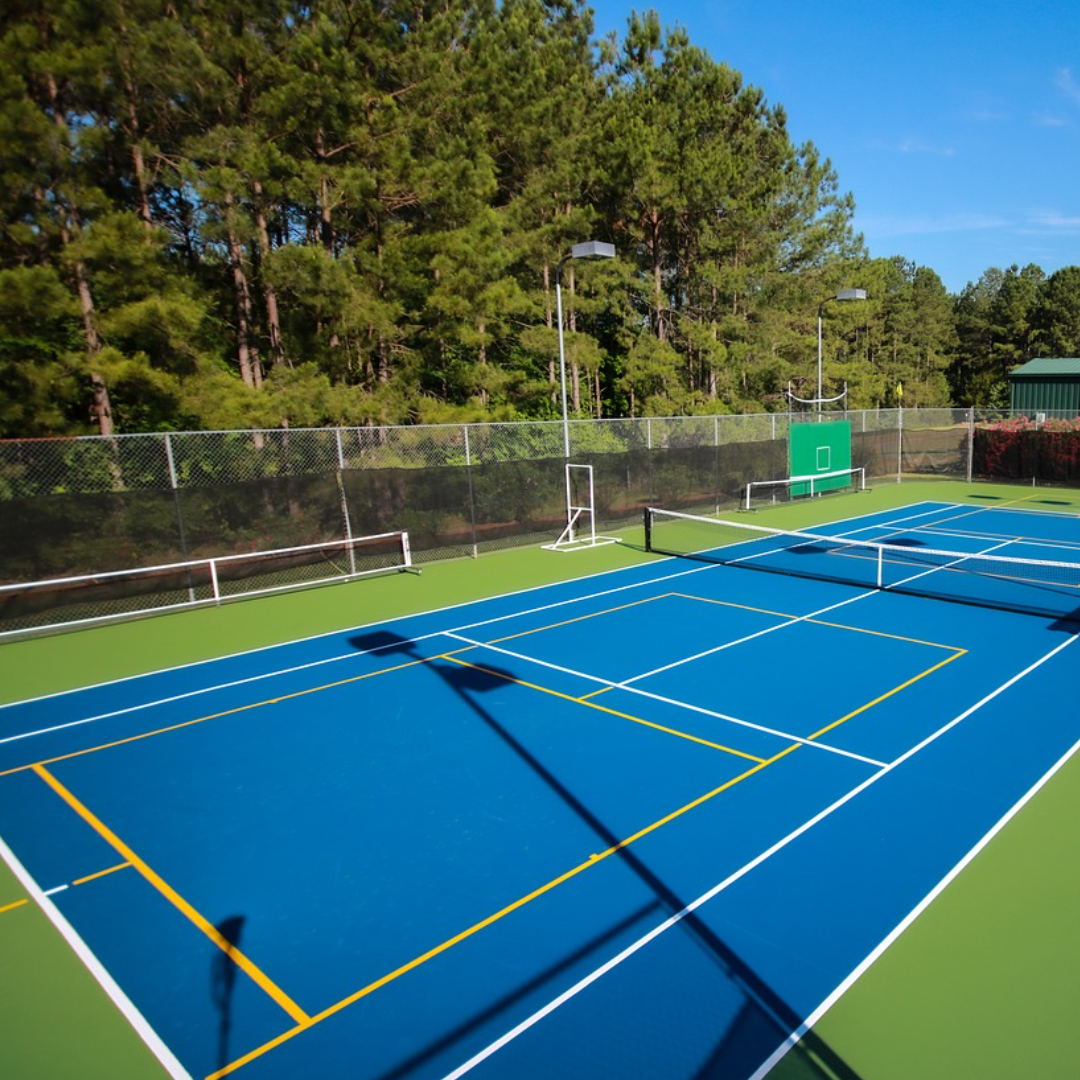
- Line colors: Make pickleball lines a different color than tennis lines to avoid confusion.
- Ball choice: Outdoor balls reduce skids on acrylic surfaces.
A top tip for how to play pickleball on tennis court at night is to use high-contrast tape, bright balls, and portable LED work lights if allowed. It boosts depth perception and reduces mishits.
Safety, etiquette, and shared-court best practices
Pickleball is fast. On a tennis court, shared space adds risk. Good habits prevent injuries and conflicts.
Smart safety moves:
- Do a quick warm-up and dynamic stretch. Ankles, calves, shoulders.
- Check that no tape edges curl up. Tape down corners well.
- Keep water bottles and bags off the playing area.
Etiquette that wins friends:
- Share time slots and rotate courts if the facility is busy.
- Keep music low. Be mindful of nearby homes and tennis players.
- Explain your setup to curious folks. Invite them to try a few points.
If you teach others how to play pickleball on tennis court, be a good ambassador. A kind word today keeps access open tomorrow.

Play formats and drills that work well on a tennis court
Use formats that fit the space and keep play moving. This helps new players learn fast.
Easy formats:
- Skinny singles: Use half the court. Great for control and footwork.
- King or queen of the court: Winners move up. Losers stay and challenge.
- Drop serve games: Focus on clean contact and depth.
Quick drills:
- Dink triangle: Three targets near the kitchen line. Aim small, miss small.
- Third-shot drops: Feed and drop from mid-court. Land in the kitchen.
- Transition steps: Move from baseline to kitchen under control.
These are perfect when showing a group how to play pickleball on tennis court in a short clinic. Small wins build confidence fast.
Troubleshooting and common mistakes
Most issues are easy to fix with small tweaks.
Common problems:
- Net too high: Add a strap to the center. Aim for 34 inches.
- Lines get confusing: Use a bold color, and walk players through the markings.
- Tape peels up: Clean dusty spots. Press tape with a rubber roller if you have one.
- Balls skid: Use outdoor balls and dry the court. Avoid dirty or wet areas.
- Crowding: Limit to two courts per tennis court if players are new.
If you are teaching how to play pickleball on tennis court to kids, shorten the court to 36–40 feet and raise the kitchen line to 6 feet for easier rallies.

Budget, permits, and scheduling tips
Costs are low compared to other sports. You can run a full session with a small budget.
Budget snapshot:
- Portable net: Moderate cost, lasts for years.
- Tape or chalk: Low cost per setup.
- Balls and a few spare paddles: Essential for groups.
Facility tips:
- Ask about permits for tape or chalk rules.
- Book low-demand times to avoid crowding.
- Post a simple schedule so tennis players know your hours.
Knowing how to play pickleball on tennis court also means knowing how to share. Clear communication keeps everyone happy and courts open.
Day-of-play checklist
Keep this checklist in your bag. It saves time and prevents stress.
Quick list:
- Tape, chalk, measuring tape, scissors, cones, and a center strap.
- Portable net and a spare strap.
- Outdoor balls, extra paddles, and a first-aid kit.
- Towels for moisture and a broom for debris.
- A simple layout sketch on paper or your phone.
When people ask how to play pickleball on tennis court like a pro, the honest answer is this: prepare well, set lines right, and keep everyone safe. The rest is pure fun.
Frequently Asked Questions of how to play pickleball on tennis court
Can I use the tennis net for pickleball?
Yes, if you lower it to 34 inches at the center. A portable net is best, but a strap or rope can work.
How many pickleball courts fit on one tennis court?
Two is the most common and safe layout. Four can fit in some places, but check spacing and rules.
What tape should I use for temporary lines?
Use blue painter’s tape for clean removal and contrast. Avoid duct tape because it leaves residue.
Do I need permission to mark lines on public courts?
Often yes. Check with the local park or facility. Some allow chalk but not tape.
What ball should I use on an outdoor tennis court?
Use outdoor pickleball balls for a true bounce and better durability. Indoor balls are too soft on asphalt.
How do I teach beginners on a tennis court?
Start with skinny singles and dinks near the kitchen. Keep rallies short and focus on consistency.
Conclusion
You can turn any tennis court into a great pickleball venue with a plan, a tape measure, and a little care. Mark a 20×44 court, lower the net, and use clear lines so players see the kitchen and service boxes. Focus on safety, share the space, and use simple drills to build skills fast.
Now it’s your turn. Grab a friend, set the lines, and play your first game this week. If this guide helped, subscribe for more how-to tips, or leave a comment with your court setup wins and questions.