
Master serves, control the kitchen, hit deep returns, and move smart between shots.
You want to know how to play singles pickleball with confidence, strategy, and fewer unforced errors. I’ve coached and played competitive singles for years, and this guide breaks down how to play singles pickleball step by step. We’ll cover rules, footwork, tactics, and drills you can use today. If you’re ready to upgrade your game fast, read on.

What Makes Singles Different From Doubles
Singles is a movement game. You cover the full court alone, so every shot and recovery matters more. Power still helps, but control, court position, and fitness win matches.
The kitchen is still key, but you attack it with drives, drops, and smart approaches. Plan each point like a small puzzle: win time, steal space, and force a short ball. If you want to master how to play singles pickleball, you must balance offense and defense on every shot.
Rules, Scoring, and Court Basics
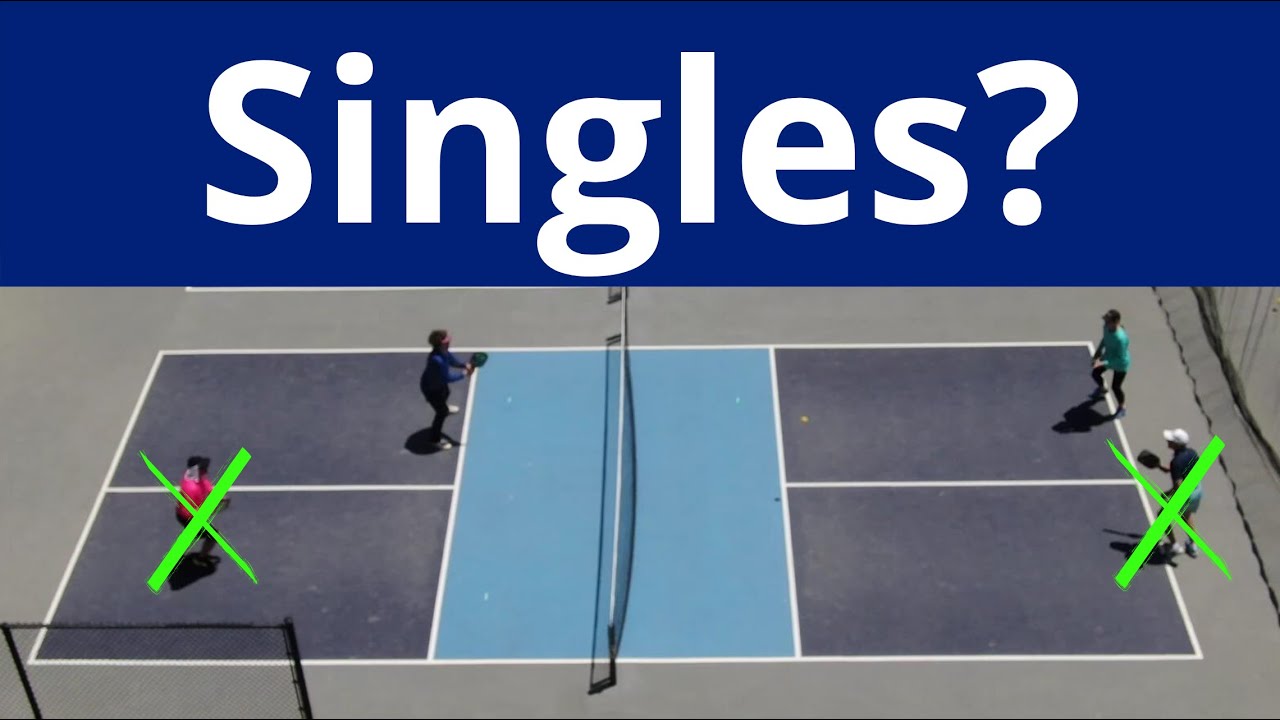
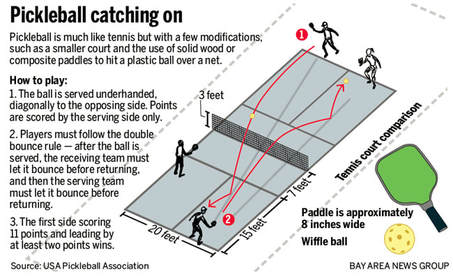
The court is 20 feet wide by 44 feet long. The non-volley zone, called the kitchen, is 7 feet from the net on each side. You cannot volley while touching the kitchen or its line.
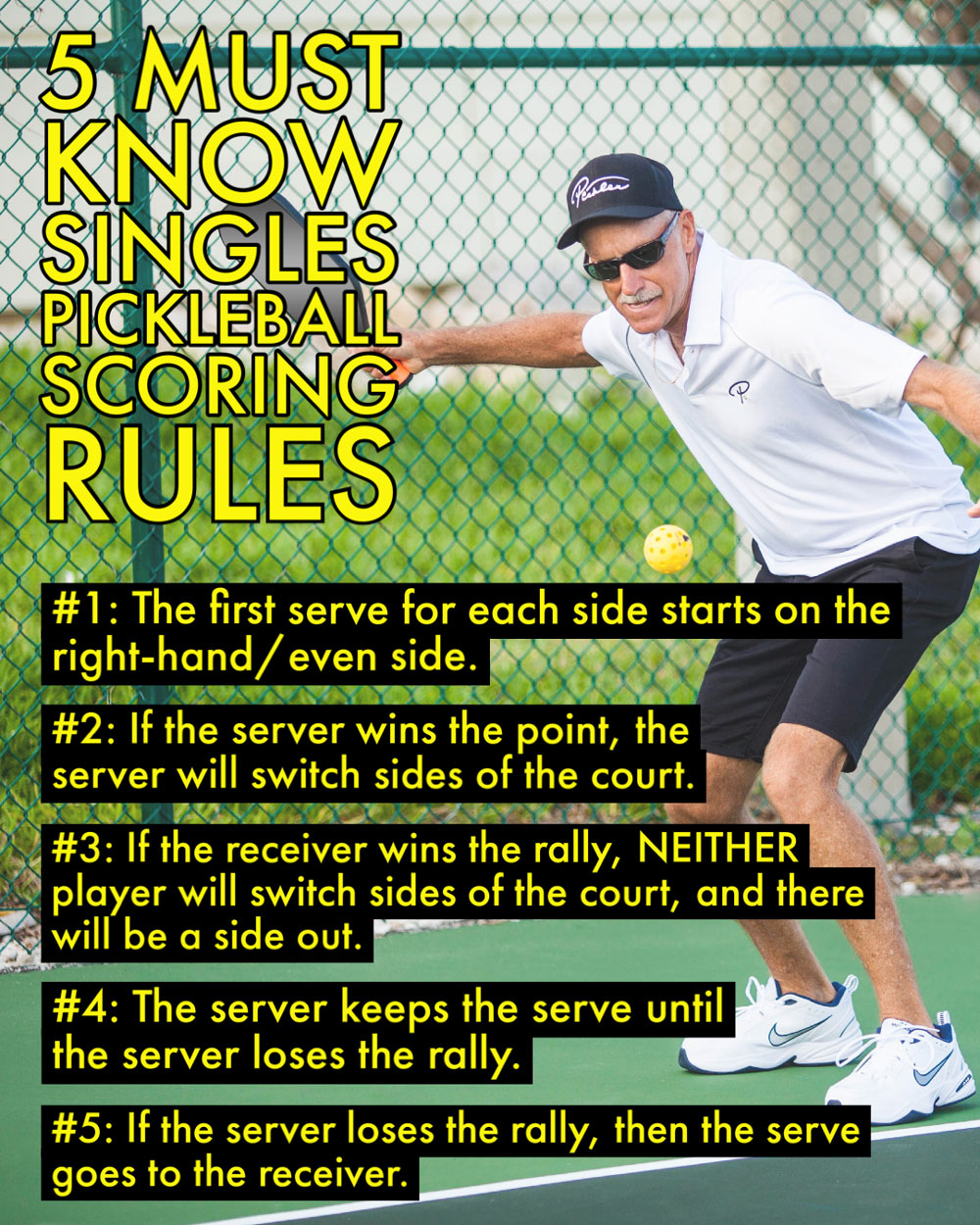
Singles scoring goes to 11, win by 2. Only the server can score. Serve from the right when your score is even and from the left when your score is odd. Knowing this pattern is a core part of how to play singles pickleball.
Serves are underhand, with contact below the waist and the paddle below the wrist. A drop serve is allowed. The ball must land cross-court in the service box, and let serves that land in are live under current rules.
Gear Checklist and Setup
Use a USAPA-approved paddle that feels solid and easy to control. Lighter paddles add quick hands. Heavier paddles add plow-through on drives.
Wear court shoes with good grip and side support. Running shoes are risky on hard stops and slides. Carry two balls that you like so you can warm up with the same feel you play with. Dialing in gear is a small but real edge when learning how to play singles pickleball.

Serve, Return, and Third Ball Fundamentals
The serve sets the tone. Aim 12 to 18 inches inside the sideline and deep. Pick a target and hit it with shape. Mix in body serves to jam forehands.
On the return, hit deep to the middle. That cuts angles and buys time to reach the kitchen line. Lift the ball with margin and use topspin if you have it.
Your third ball plan depends on the return. Drive waist-high balls at the body or open court. Drop lower balls into the kitchen with height and spin. These first three shots are the heartbeat of how to play singles pickleball.
Footwork, Movement, and Recovery
Move first, swing second. Split step as your opponent hits, then push off. Keep your chest facing the ball so you can change directions fast.
After each shot, recover to a neutral spot. From the baseline, shade to the opponent’s stronger side to cover their best angle. Near the kitchen, recover to a centered position just behind the line.
A simple cue: hit, recover, read. When I first switched from doubles, this one loop helped me stop getting burned down the line.

Singles Strategy: Building Points and Using the Whole Court
Build pressure, do not rush it. Target deep corners, then attack the short ball. Use the kitchen line as your home base to finish points.
Make the court feel big for your opponent and small for you. Stretch them wide, then go behind them. If they camp on the backhand, hold the line and attack the forehand hip. This is the chess part of how to play singles pickleball.
High-percentage targets win over time. Aim three feet inside lines. Use topspin for margin. You do not need winners on every ball. You need one more good ball than they do.

Essential Shots: Drive, Drop, Lob, Dink, and Passing Shots
The drive is your engine. Hit heavy and deep to the body or open lane. Change pace to cause mishits.
The drop buys time. Use a relaxed swing and a tall arc over the net. Land it in the kitchen with bounce that dies. Follow it in when you see a short reply.
The lob is a reset and a weapon. Lob over a player who crowds the kitchen. Make it high and deep with topspin. Passing shots go to space, not just lines. Aim behind a moving player or at the shoulder away from the paddle.
Patterns and Tactics by Opponent Type
Against a banger, return deep and break pace. Use soft blocks and rolls to draw errors. Then counter with a body drive.
Against a grinder, be patient. Work corners, then surprise with a short angle or lob. Do not overhit. Keep your shape and take center space.
Against a lefty, adjust cross-court targets and serve patterns. Test the backhand wing early. Adapting mid-match is a big part of how to play singles pickleball well.

Practice Plans and Drills for Fast Gains
Try this 30-minute plan when you practice alone or with a partner.
- Serve and first ball: 5 minutes. Serve to three targets, then shadow a forehand to the opposite corner.
- Deep returns: 5 minutes. Aim to land past the service line. Call out “deep” on bounce.
- Third ball mix: 10 minutes. Alternate drive and drop after the return. Focus on height and margin.
- Transition game: 5 minutes. Start at baseline, hit a drop, and move through the mid-court with split steps.
- Passing plus recovery: 5 minutes. Feed a short ball, hit a pass, then recover to center fast.
Track makes and misses. Simple logs help you see growth. Consistent drills are how to play singles pickleball with steady improvement.
Common Mistakes and How to Fix Them
Short returns invite easy put-aways. Fix it by aiming higher over the net and swinging through the ball.
Camping in no man’s land leads to awkward volleys. Either stay back to defend or step in with a clear plan. Commit to one zone at a time.
Overhitting on defense causes free points. Add spin and height instead. Make them play one more ball. This mindset shift changed my singles results more than any swing tweak.
Match Prep, Warm-Up, and Safety
Warm up for at least 8 minutes. Do light jogs, side shuffles, and leg swings. Then add shadow strokes and five serves per side.
Hydrate early. Bring electrolytes in heat. Use sunscreen and a hat for mid-day play. Healthy habits keep you sharp when matches run long.
Set a simple plan before you start: deep serve, deep return, recover to center. One clear plan is the backbone of how to play singles pickleball under pressure.
Frequently Asked Questions of how to play singles pickleball
What is the best serve for singles?
A deep, cross-court serve to the backhand is the most reliable. Mix in body serves and a kicker to keep returns weak.
How do I position myself after the serve?
Recover a step inside the baseline and shade to their stronger side. Split step as they hit and be ready to chase the first angle.
When should I drive versus drop?
Drive balls at or above net height and drop low, spinning balls. If you feel rushed, a drop buys time to reach the kitchen.
How do I handle a fast opponent?
Make them change directions with cross-court then down-the-line patterns. Add lobs when they overcommit forward.
What is the biggest key to how to play singles pickleball?
Win depth on serve and return, then control the kitchen. Build points with margin and finish only when you have space.
How many times a week should I practice?
Two to three focused sessions beat five random games. Repeat core drills and track targets to see gains.
Are lobs safe in wind?
Yes, but shape them higher with extra spin. Aim more to the middle to reduce errors.
Conclusion
You now have a clear plan for how to play singles pickleball with purpose. Start with deep serves and returns, move with a split step, and build pressure with smart targets. Use drills to lock in footwork and shot choices.
Take this guide to the court this week. Try one new pattern per match and track your progress. If you found this helpful, share it with a partner, subscribe for more tips, or ask a question so we can sharpen your singles game together.