
Use a wall, targets, and routines to drill footwork, serves, and dinks.
You can make big gains without a partner when you know how to practice pickleball by yourself. In this guide, I share proven solo drills, simple tools, and a weekly plan. I’ve coached and trained this way for years, and the results show on court. Keep reading to turn solo time into real match wins.

Essential gear and setup for solo practice
You do not need much to get better alone. A few smart tools go a long way. Start simple, then build as you grow.
- Paddle and two balls Use the paddle you play with and match ball type.
- Cones or chalk Set targets for serves, dinks, and footwork.
- Tape or string Create a net line on a wall or garage door.
- Bucket or bag Hold 25 to 100 balls for serve reps.
- Rebounder or smooth wall A wall is the best partner when learning how to practice pickleball by yourself.
- Notebook or phone app Track drills, reps, and accuracy.
Pick a safe, flat space. Driveways, gyms, and quiet courts work well. Mark a kitchen line and service boxes if you can. This helps you train game-like shots.

Warm-up and footwork fundamentals
Warm muscles first. A good warm-up cuts injuries and sharpens timing. Spend five to ten minutes before any hitting.
- Joint prep Arm circles, hip circles, ankle rolls.
- Dynamic moves High knees, butt kicks, side shuffles.
- Paddle warm-up Shadow swings with split step.
Now add court movement. These steps make your defense faster. They also set up clean contact.
- Split step and react Bounce on the balls of your feet, then move to a cone.
- Box pattern Shuffle forward, right, back, left. Keep a low base.
- Drop step and recover Turn your hips, push off, and return to center.
If you want to know how to practice pickleball by yourself the right way, start with footwork every session. Clean feet make every stroke feel easy.

Serve and return practice by yourself
The serve sets the tone. The return stops pressure. You can groove both alone and see fast gains.
- Precision serves Place four small targets near corners and sidelines. Aim small, miss small.
- Depth control Put a rope 3 feet inside the baseline. Land serves beyond it.
- Spin variety Hit 10 flat, 10 slice, 10 topspin. Note what holds up under pressure.
- Tempo ladder Serve slow, then medium, then match pace. Keep the same toss and contact.
For returns, toss a ball high to yourself and hit a return to depth. It feels odd at first but builds accuracy. If you ask how to practice pickleball by yourself and see match payoff, deep returns are your best friend.

Wall drills and rebounder routines
A wall gives instant feedback. It never gets tired. It forces you to find the sweet spot fast.
- Dink to a line Tape a net-height line on the wall. Dink 50 to 100 balls that land before your feet.
- Drive rhythm Stand 12 to 15 feet away. Hit forehand drives to a one-foot square mark. Keep a steady bounce rhythm.
- Volley and block Stand close. Volley firm, then block soft. Alternate every hit.
- Two-touch control Let the ball hit the wall, bounce once, then dink it back. Train soft hands.
Start slow. Focus on clean contact and balance. If you wonder how to practice pickleball by yourself with limited space, the wall is the best answer.

Target practice and accuracy games
Targets turn practice into a game. Games boost focus and fun. Aim for small wins, then level up.
- Corner bullseyes Place cones at the deep corners. Score one point per hit. Race to 15.
- Kitchen drop zones Lay two towels in the kitchen. Drop from the baseline. Count clean landings.
- Serve gate Tape a 12-inch “gate” on the sideline. Hit serves that pass through it.
Keep score every session. Accuracy under a score goal feels like match pressure. This is a smart way to learn how to practice pickleball by yourself without a partner.
Dinking and soft game solo work
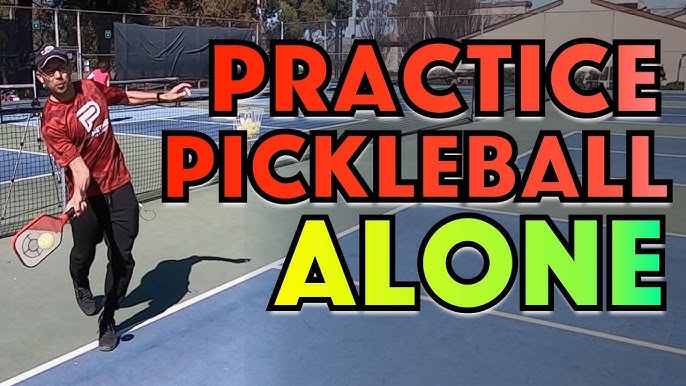
Soft skills win long rallies. You can build touch alone in a small area.
- Wall dinks Only use the kitchen area. Keep the ball under the tape line on the wall.
- Bounce and catch Drop a ball. Let it bounce once. Catch it on the paddle face. Feel control.
- Push vs lift Alternate push dinks and lift dinks. Change trajectory, not rush.
I teach a three-step cue. See the ball. Set the paddle early. Push through the target. If you stick to it, you will master how to practice pickleball by yourself in the kitchen.
Drives, volleys, spin, and control
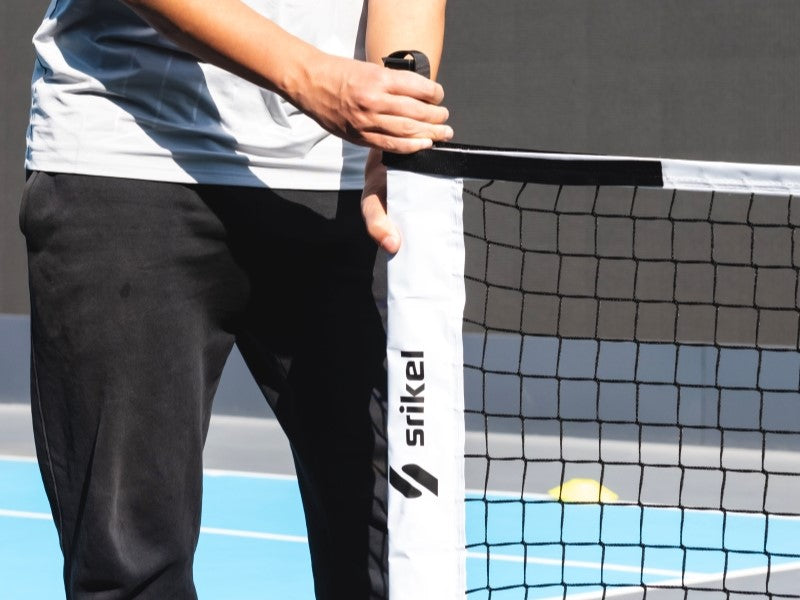
Clean power needs clean shape. Add spin for safety. Add control for aim.
- Spin builds Brush up for topspin drives that dip late. Brush across for slice keeps.
- Volley ladder Ten firm volleys, ten soft blocks, ten punch volleys. Repeat twice.
- Contact windows Hit balls at hip height for drives and at chest height for volleys. Keep eyes quiet at contact.
Record short clips on your phone. I often catch grip creep and late preparation on video. Fixing those two makes how to practice pickleball by yourself far more effective.
Strategy, visualization, and mental reps
You can train your mind when alone. Great players do this often. It takes minutes and pays big.
- Point scripts Picture serve wide, third shot drop, move in, finish at the middle seam.
- Pressure reps Set a score in your head. “Down 8–10. Must land three kitchen drops.”
- Self-talk Use short cues. “Early paddle.” “Quiet eyes.” “Loose grip.”
Add breath work. Inhale for four, exhale for six. It lowers heart rate fast. This is a key part of how to practice pickleball by yourself when nerves hit.

Solo fitness for pickleball
Strong legs, mobile hips, and a stable core help every shot. You can train all three at home.
- Strength Squats, lunges, deadlifts, rows, presses. Two to three sets of eight to twelve.
- Power Box step-ups and medicine ball throws. Keep reps low and crisp.
- Cardio Intervals of 30 seconds on, 30 seconds off for 10 to 15 minutes.
- Mobility Ankles, hips, and thoracic spine. Spend five minutes daily.
Keep it simple. Two or three days per week is enough. Fitness is a big lever in how to practice pickleball by yourself and still beat stronger hitters.
A weekly solo plan you can follow
Here is a simple plan that fits most schedules. Adjust minutes to your level.
- Day 1 Serve targets, wall volleys, footwork shuffles.
- Day 2 Dinks, drop shots, mobility.
- Day 3 Drives, spin work, strength.
- Day 4 Serve depth, return toss drill, cardio intervals.
- Day 5 Dinks under pressure, strategy scripts, light recovery walk.
- Day 6 Optional play or repeat your weakest day.
- Day 7 Rest and review notes.
Each day, track one metric. For example, serves in or drops to towel. A plan like this locks in how to practice pickleball by yourself with steady progress.
Track progress and stay motivated
What gets measured gets better. Small wins stack fast.
- Keep a session log Write drills, reps, and scores. Note one lesson.
- Use video once a week Film 60 seconds of a key skill.
- Add a simple test 20 serves in. 20 deep returns. 20 kitchen drops.
Set a weekly theme. It may be “early paddle” or “quiet feet.” This keeps how to practice pickleball by yourself focused and fun.
Common mistakes to avoid
Solo time can build bad habits if you are not aware. Watch for these.
- Rushing the swing Slow down. Aim for clean contact and balance.
- No target work Always mark zones. Random hitting delays growth.
- Skipping footwork You hit how you move. Train your base first.
- Ignoring recovery Rest one day per week. Use mobility daily.
Ask a coach for a quick video review once a month. That small check-in sharpens how to practice pickleball by yourself and keeps you on track.
Frequently Asked Questions of how to practice pickleball by yourself
What is the best way to start if I have only 20 minutes?
Warm up for three minutes, then hit serves to targets for 12 minutes. Finish with five minutes of wall dinks and soft volleys.
How often should I practice alone to see results?
Three short sessions per week can raise your level in a month. Keep the plan simple and track one metric each time.
Can I improve my third shot drop by myself?
Yes. Use towels in the kitchen as landing zones and hit from the baseline. Film a few reps to check arc and contact point.
What can I do if I do not have a wall?
Use a portable rebounder or a net with targets. If space is tight, shadow swings and footwork patterns still help a lot.
How do I keep solo practice from getting boring?
Turn drills into games with scores and time caps. Rotate focus days, like serve day, dink day, and drive day.
Is it okay to practice with a different ball at home?
Try to match your game ball when you can. If not, adjust by focusing on contact, footwork, and targets more than spin.
Conclusion
Solo practice works when it is focused, simple, and scored. Build your base with footwork, add target drills, and slot in a weekly plan. Track one metric, review video, and keep your cues short.
Set up your space this week and try two drills from this guide. Then share your results or questions in the comments, and subscribe for more step-by-step pickleball training plans.