
Remove old grip, wrap new one upward with overlap, tape, and test.
If you want dependable feel, better control, and less arm strain, you need to know how to regrip a pickleball paddle. I’ve regripped hundreds of paddles for myself, students, and teammates. In this guide, I’ll show you how to regrip a pickleball paddle the smart way, with pro tips, fixes, and easy steps you can follow today.
Why your grip matters more than you think
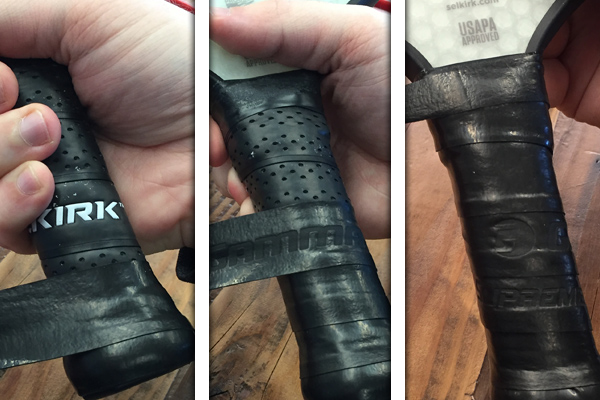
Your hand-to-paddle link is the first point of control. A worn grip slips, forces extra squeeze, and tires your arm. Fresh tack keeps the face steady on volleys and resets.
A good regrip also helps with comfort. It can soften shock, reduce hot spots, and protect your elbow. Learning how to regrip a pickleball paddle turns a small job into a steady edge.
From coaching and stringing in racquet sports, I’ve seen players clean up errors just by regripping. The paddle stops twisting. The wrist relaxes. Timing improves right away.

Tools and materials you need
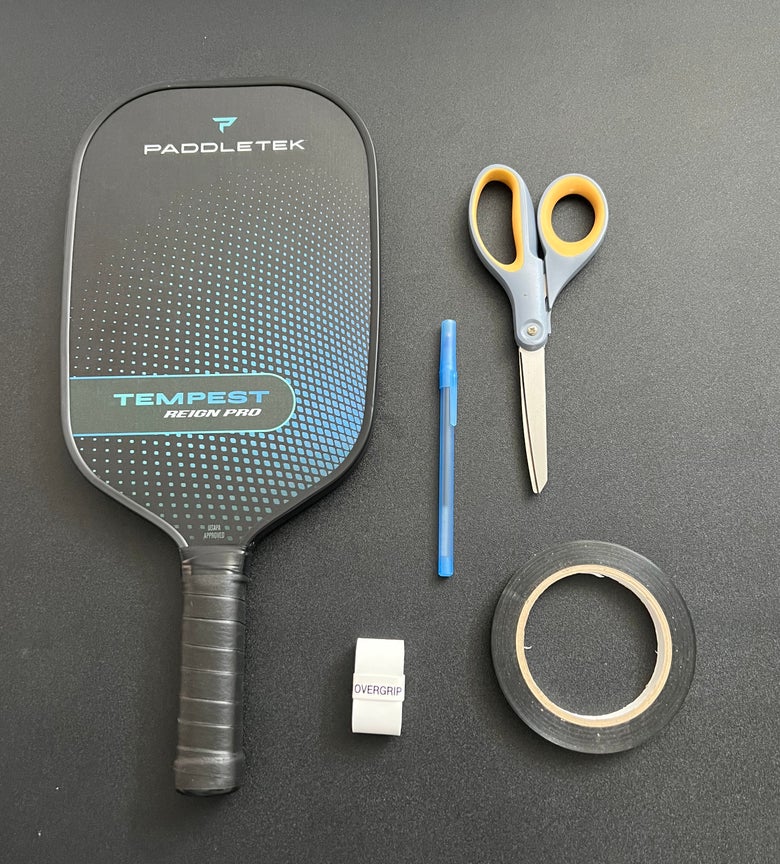
Before you start, gather what you need. When you know how to regrip a pickleball paddle, this kit makes the job fast and clean.
- Replacement grip or overgrip
- Scissors or a sharp utility knife
- Finishing tape or electrical tape
- Small towel and rubbing alcohol (70% is fine)
- Optional: double-sided grip tape
- Optional: hair dryer for mild heat
- Optional: lead tape if you plan to tune balance
- Optional: ruler or tape measure
Replacement grips have built-in adhesive and padding. Overgrips add tack and a thin layer on top. Either works when you learn how to regrip a pickleball paddle. Choose based on size and feel goals.

Step-by-step: how to regrip a pickleball paddle
Use these simple steps to learn how to regrip a pickleball paddle with a snug, pro look.
- Remove the old grip. Peel from the top down. If adhesive sticks, warm it with a hair dryer for a few seconds.
- Clean the handle. Wipe with a little rubbing alcohol on a towel. Let it dry. Do not soak the handle.
- Check the butt cap. Make sure it is firm and not loose. A loose cap will shift the wrap.
- Decide on grip size. If you want a larger handle, use a thicker replacement grip or add an overgrip layer.
- Find the tapered end. Most grips have a thin, angled end that finishes near the throat.
- Start at the butt cap. Place the squared end on the bottom edge so the grip lip helps lock it in place.
- Wrap upward. Spiral with a small, even overlap. Aim for about 1/8 to 1/4 inch overlap each turn.
- Keep light tension. Stretch just enough to lay flat. Overstretching thins the cushion and shortens the grip.
- Align the seam. Keep the seam on the same side of the handle to avoid a pressure ridge under your thumb.
- Smooth as you go. Press out bubbles with your thumb. If a wrinkle forms, unwrap a turn and rewrap.
- Trim the finish. When you reach the throat, cut a neat angle to match the top edge of the handle.
- Tape it. Use finishing tape to secure the last wrap. Wrap the tape around two times for a clean seal.
- Press and set. Run your hand over the wrap to seat the adhesive. Let it set for 10 minutes if possible.
- Test the feel. Do a few shadow swings. If it feels too big, switch to a thinner grip or remove an overgrip.
Once you do it once, you will know how to regrip a pickleball paddle in under 10 minutes. The key is smooth overlap, light stretch, and clean finish.
Choosing the right grip and overgrip
Picking the right wrap is half the win. It also shapes how to regrip a pickleball paddle for your climate and play style.
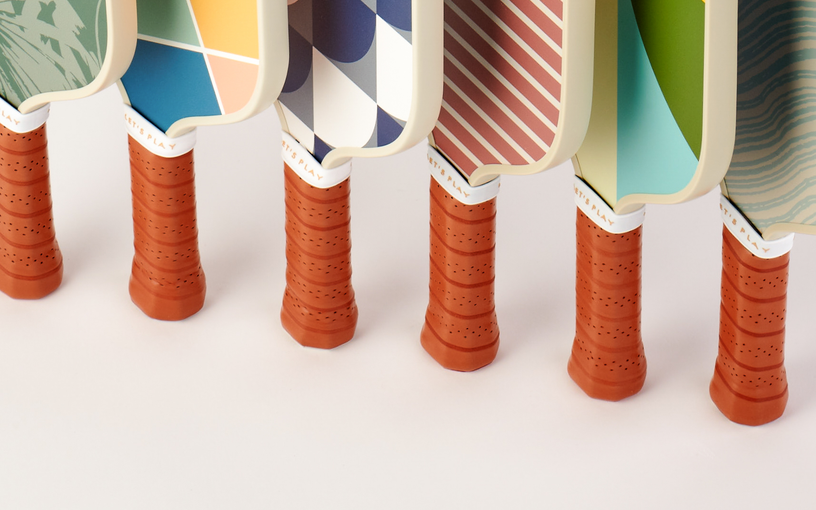
- Texture: Tacky grips feel sticky and help in cool, dry air. Dry or terry-style grips help in heat and sweat.
- Thickness: More cushion adds comfort and size. Thin grips give better feedback and lower swing weight.
- Perforations: Small holes improve airflow and sweat wicking.
- Contour vs flat: Contour ribs guide finger placement. Flat wraps suit fast grip changes.
- Overgrip strategy: Add one overgrip for quick tack and sweat control. Replace it often and keep the base grip longer.
- Balance tweaks: If you add lead tape under the grip, you shift weight toward the handle. This can lower swing weight and protect the elbow.
When you learn how to regrip a pickleball paddle, match grip type to your hand, not your partner’s. Your hand size, sweat rate, and even local weather matter.

Mistakes to avoid and pro tips
Small misses can create big problems. Here is how to regrip a pickleball paddle without the common headaches.
Mistakes to avoid
- Overstretching the wrap. You lose cushion and shorten the grip.
- Uneven overlap. This creates ridges and blisters.
- Covering the butt cap lip. You lose the lock that keeps hands from slipping off on serves.
- Wrapping in the wrong direction. If you are right-handed, most prefer the seam away from the thumb pad; lefties often flip it.
- Using harsh solvents. They can damage the core or handle material.
Pro tips
- Pre-fit the last turn before cutting so the finish line is clean.
- Warm the adhesive for a few seconds with a hair dryer for a tighter seal.
- Rotate the seam slightly if a hotspot appears under your thumb.
- Keep a spare overgrip in your bag. A quick swap can save a match.
- Write the date on the underlayer. You will track how long grips last for you.
If you get one wrinkle, unwrap a turn and try again. Knowing how to regrip a pickleball paddle includes knowing when to redo a wrap for a better feel.
Care and maintenance to make your new grip last
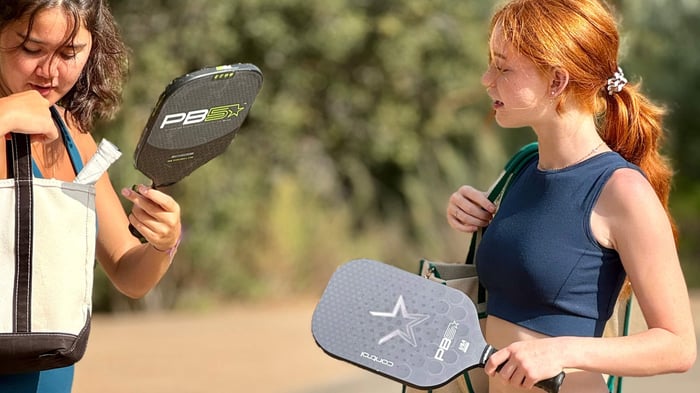
Care is simple and pays off fast. Wipe sweat during play to protect tack. Air-dry the paddle out of the bag after sessions.
Clean tacky grips lightly with a damp towel, then dry. Do not soak them. Replace overgrips often. They are cheap, fast, and keep the base grip fresh.
Avoid leaving your paddle in hot cars. Heat weakens adhesives and breaks down foam. If you play daily, you will learn how to regrip a pickleball paddle often. It is a small habit with big returns.

Timing, cost, and performance gains
Most players regrip every 30 to 50 court hours, or when the grip looks smooth and slick. Humid areas may need more frequent changes. If you sweat a lot, add an overgrip and replace it weekly.
Overgrips usually cost a few dollars each. Replacement grips tend to cost a bit more. The job takes about 10 to 15 minutes once you know how to regrip a pickleball paddle.
Expect better control on dinks and blocks right away. A fresh wrap reduces slip, lowers grip pressure, and can ease elbow stress. If you want low-cost performance, learn how to regrip a pickleball paddle and keep supplies in your bag.
Frequently Asked Questions of how to regrip a pickleball paddle
How often should I regrip my paddle?
Every 30 to 50 hours is a good rule of thumb. If it feels slick or your hand slips, regrip sooner.
Should I use an overgrip or a replacement grip?
Use an overgrip for quick tack and small size changes. Use a replacement grip if the base is worn, torn, or too thin.
Which way should I wrap the grip?
Start at the butt cap and wrap upward toward the throat. Keep a small, even overlap and finish with tape.
Can regripping change my handle size?
Yes. A thicker grip or an extra overgrip can add size. If it becomes too big, use a thinner grip or remove a layer.
Do I need double-sided tape under the grip?
Most modern grips have adhesive, so you do not need extra tape. Use it only if the handle is very smooth or you want a firmer bond.
How long after regripping can I play?
You can play right away, but 10 minutes helps the adhesive set. Press the wrap firmly to seat it before you start.
Conclusion
A fresh grip is one of the fastest upgrades in the sport. You now know how to regrip a pickleball paddle with simple tools, clean steps, and smart choices. Keep wraps fresh, match the texture to your climate, and protect your hands and strokes.
Try it today on your practice paddle. Then bring that clean, tacky feel into your next match. If this helped, subscribe for more quick gear wins, ask a question, or share your favorite grip in the comments.