
Define goals, choose format, secure venue, staff up, schedule smart.
You’re here to learn how to run a pickleball tournament from start to finish. I’ve directed events from tiny club round robins to 300+ player weekends, and this guide distills the steps, tools, and real-world lessons that matter. Follow along and you’ll build a smooth, fair, and fun event that players remember for the right reasons.
Set your goals and choose the right format
Before you book courts, get clear on your “why.” The goal shapes cost, format, and the player experience. Decide if you want a charity event, a club social, a ratings-driven competition, or a prize-money draw. Your answer sets tone, budget, and the timeline.
Pick a format that fits your goals and court count. Most local events use round robin, pool play into elimination, or double elimination. Short on courts or time? Use round robin or pool play to guarantee matches. Big field with lots of courts? Run double elimination for a classic competitive feel.
Keep matches short enough to run on time. Common choices are games to 11 (win by 2) in pool play, then best 2 of 3 to 11 for medal rounds. Align with USA Pickleball rules. If you want to master how to run a pickleball tournament, starting with clear goals and the right format is step one.

Build a realistic budget and secure the right venue
List all revenue and expenses. That sounds basic, but it prevents stress later. Revenue can include entry fees, sponsorships, concessions, and merch. Expenses often include venue fees, insurance, balls, medals, shirts, software, officials, first aid, and contingency costs.
Choose a venue that matches your plan. Confirm court surface, line quality, lighting, shade, parking, restrooms, and seating. Ask about early access for setup, power for the desk, PA rules, and food truck permissions. If your plan explains how to run a pickleball tournament outdoors, include a rain site or a backup date.
Put it in writing. Lock in hours, fees, and what the venue provides. Add a weather clause and clear refund terms. A solid venue deal is a big part of how to run a pickleball tournament that stays on budget and on time.
 divisions, brackets, and seeding”
style=”max-width: 100%; height: auto; border: 2px solid black; border-radius: 10px; display: block; margin: 0 auto;”
loading=”lazy”
/>
Pick divisions, brackets, and seeding
Build divisions that make sense for your crowd. Use skill levels like 2.5–5.0 and age brackets such as 50+, 60+, and juniors. Mixed doubles, men’s doubles, women’s doubles, and singles all draw well. Inclusive options, like wheelchair or adaptive divisions, widen your reach and impact.
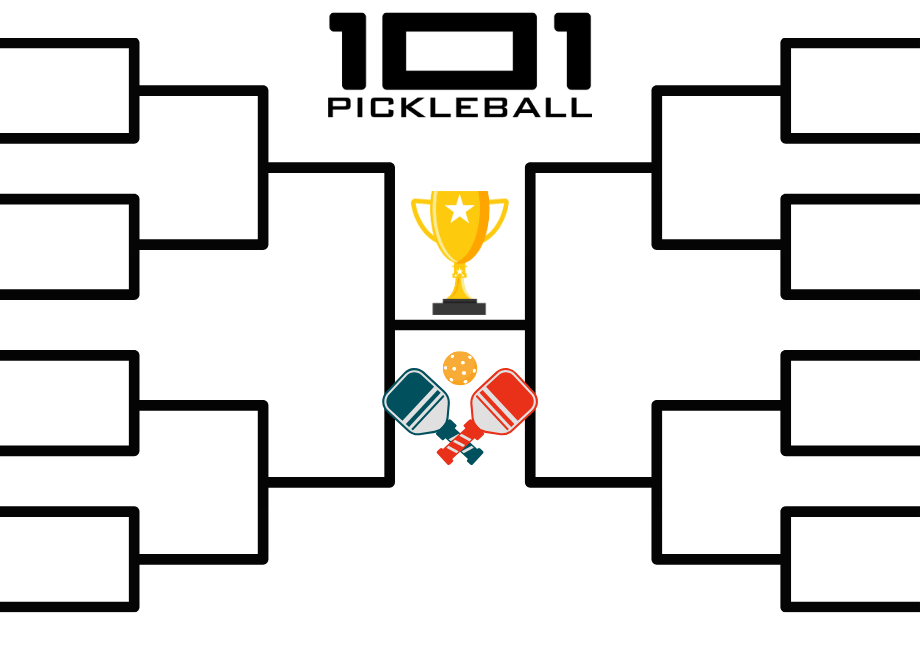
Right-size your brackets. With 5–7 teams, round robin works great. With 8–16, try pools into single elimination. With 16–32, double elimination can shine if you have enough courts. Share the match format upfront so players know what to expect.
Seed with ratings when you can. DUPR and UTPR are common. If you lack data, seed by past results or do a blind draw. Post tie-break rules in advance. Clear divisions and seeding show you know how to run a pickleball tournament that feels fair.

Registration, waivers, and policies
Open registration at least 6–8 weeks out. Cap divisions to protect schedule and court flow. Use waitlists and partner-finder tools so players can pair up. Send instant confirmation and a week-of reminder with parking, check-in times, and the ball you’ll use.
Use a clean waiver that covers liability, medical care, and media use. Share a code of conduct and a simple protest process. Add a clear refund and weather policy. When people ask how to run a pickleball tournament without drama, the answer often lives in these written policies.

Software, tools, and templates
Use tournament software to save hours. Popular options include PickleballBrackets, PickleballTournaments, and UTR Sports. They handle registration, brackets, seeding, schedules, and live results. For very small events, a spreadsheet can work, but it scales poorly.
Print key items early. You need court signs, bracket boards, scorecards, and a court map. Bring clipboards, sharpies, a label printer, and backup chargers. Create templates for emails, checklists, and incident reports. Smart tools make how to run a pickleball tournament feel easy, even when it’s busy.

Staff, roles, and volunteers
Assign clear roles so no one scrambles. Common roles include tournament director, operations lead, desk lead, referees, court runners, hospitality, and first aid. Aim for short shifts and overlap by 15 minutes so handoffs go smooth.
Train your team. Share the run-of-show, radio call signs, and how to escalate issues. Feed them and give them shirts so players know who to ask. When I ran a 64-team charity event, a single water refill station saved our day. A volunteer owned it, and cramping dropped fast. That level of care is part of how to run a pickleball tournament that players praise.

Create a master schedule that actually works
Schedule backwards from the finals. Block check-in, warm-up, pool play, playoffs, medal matches, and buffer time. Put finals on your best show courts with room for fans and photos. Keep divisions on separate waves to avoid partner conflicts.
Do the capacity math. Estimate matches per court per hour, then divide total matches by total court-hours. Add 10–20 percent slack for delays. Color-code your court map and post it at the desk. Schedule discipline is the quiet secret of how to run a pickleball tournament well.
Equipment, signage, and facilities
Bring more than you think you need. Stock nets, extra balls, clipboards, pencils, tape, towels, and a basic repair kit. Choose a ball and stick with it. Popular options include Franklin X-40, Dura Fast 40, and Joola Primo. Consistency matters for fair play.
Set the scene. Post big signs for check-in, restrooms, warm-up courts, and medical. Offer shade, water coolers, and ice. Music at a modest level boosts energy without hurting focus. Add recycling and trash cans near seating. Small comforts make a big impact.

Player experience and fairness
Make check-in fast. Use QR codes for waivers and a separate help desk for partner swaps or scratches. Give a welcome card with court map, ball, and key rules. Offer a short warm-up window before first balls.
Decide on officiating level. Fully reffed is great but labor heavy. Many local events use self-officiated pool play and reffed medal rounds. Publish an appeals process. Fairness and clear paths to resolve issues are core to how to run a pickleball tournament people trust.
Safety, risk, and compliance
Follow the current USA Pickleball rules. Have first aid on site and an AED if the venue has one. Post emergency contacts and a clear lightning and heat policy. Encourage hydration and offer shade.
Use event insurance and any required permits. Keep an incident log for injuries and disputes. Safety planning is not glamorous, but it is essential to how to run a pickleball tournament that is both fun and responsible.
Marketing, promotion, and sponsorship
Give your event a name, date, and a simple landing page. List divisions, fees, ball type, and refund terms. Share to local clubs, social groups, park boards, and community calendars. Send three emails: launch, last-chance, and week-of.
Create sponsor packages with clear value. Offer logo placement, social posts, courts named after sponsors, and a booth on site. Report back with photos, attendance, and reach. Strong promotion is a big lever in how to run a pickleball tournament that fills fast.
Game-day operations checklist
Arrive early. Walk the courts. Test radios and the PA. Brief staff in five minutes or less. Stage balls, scorecards, and medals. Confirm bracket locks and backups of your files. At go-time, keep the desk calm and friendly.
Run a smooth loop. Call matches, assign courts, record scores, and post updates. Keep water full and shade stocked. Solve issues in private. Celebrate winners with a quick podium photo and timely awards. These habits are the heartbeat of how to run a pickleball tournament that runs on rails.
Post-event wrap-up and analytics
Close strong. Email results, photos, and thanks within 48 hours. Send a short survey and watch for themes. Track NPS, on-time rate, and volunteer hours. Note what ran long and why.
Reconcile the budget and inventory. Update templates with lessons learned. Put next year’s date on the calendar while the goodwill is fresh. The debrief is your final step in how to run a pickleball tournament that gets better every time.
Frequently Asked Questions of how to run a pickleball tournament
How many courts do I need for a small event?
For 24–40 players in round robin, 4–6 courts usually work. Plan for about 1.5–2 matches per court per hour and add buffer time.
What ball should I use?
Choose a known outdoor ball like Franklin X-40, Dura 40, or Joola Primo, and use it for all matches. Consistency helps fair play and player comfort.
Do I need referees?
Not always. Many local events self-officiate pool play and use referees for semifinals and medal matches to manage workload and quality.
How do I handle weather delays?
Share your weather policy before registration. Use a backup date, compress formats to one game to 15 if needed, and communicate updates by text and PA.
What is the best way to seed players?
Use rating systems like DUPR or UTPR when available. If not, use past results or random draw and state your method in advance.
How early should I open registration?
Six to eight weeks is standard for local events. Bigger events open three to four months out to help travel planning.
How can I keep matches on time?
Right-size divisions, set short warm-ups, and add 10–20 percent buffer into the schedule. Keep the desk staffed and post live updates.
Conclusion
Running a great tournament is about clear goals, a smart format, tight schedules, and a kind touch. Plan the work, train your team, and serve a fair, fun day that players feel grateful to attend.
Take the next step now. Choose a date, list your divisions, and draft your budget. If this guide helped you learn how to run a pickleball tournament, share it, subscribe for more tools, or drop your questions in the comments so we can level up your next event together.