

Stack by lining up on preferred sides, then switch quickly after serve or return.
If you want smarter doubles wins, learn how to stack in pickleball. I coach league players and play tournaments, and stacking is the biggest boost I see. In this guide, I’ll show how to stack in pickleball with clear steps, drills, and simple rules so you can keep your best shots in the middle and take control of the kitchen.

What stacking is and how to stack in pickleball
Stacking is a doubles setup. You and your partner start on the same side before the serve or return. After contact, you move to your preferred sides. This keeps a strong forehand in the middle and sets up poaches.
Why it works is simple. You build a system around strengths. If you want to learn how to stack in pickleball, think “keep our best shots in play every point.”
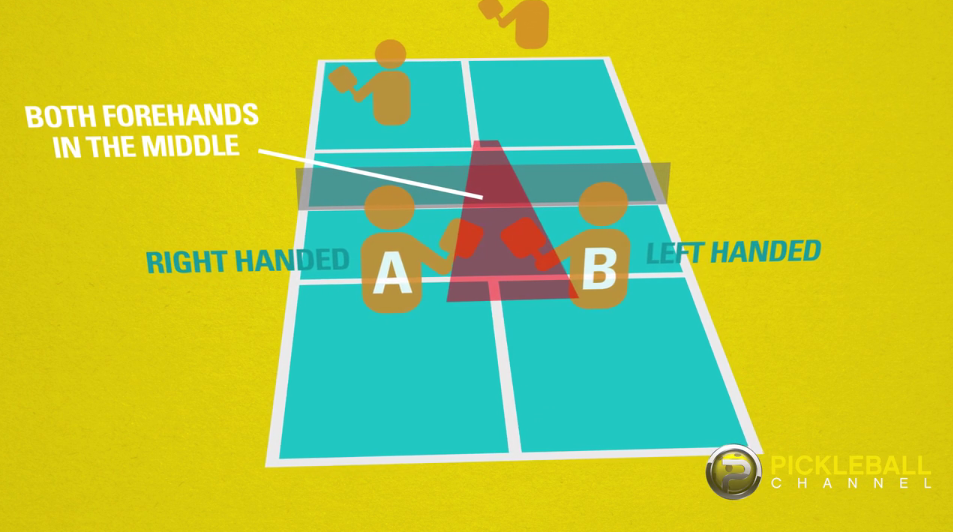
I use stacking with a lefty partner. Our forehands meet in the middle. We cut off lobs and speed-ups with ease. That is the core promise of how to stack in pickleball.
When to use stacking in pickleball
Use stacking when one player is stronger on a set side. For example, your forehand in the middle. Or your backhand blocks on the line. This is the heart of how to stack in pickleball during league play.
Stack on most serves if you plan to attack third shots. Stack on most returns if your plan is to rush the kitchen. Many top teams stack almost every rally. That is a key point in how to stack in pickleball at higher levels.
Adapt to the day. Wind, sun, and matchups matter. If a rival fears your cross-court dink, stack to get that look more often.

How to stack in pickleball on the serve team
Here is a clear method for how to stack in pickleball when you serve.
Step-by-step on the serve:
- Decide your “home” sides. Example: Partner A plays left. Partner B plays right.
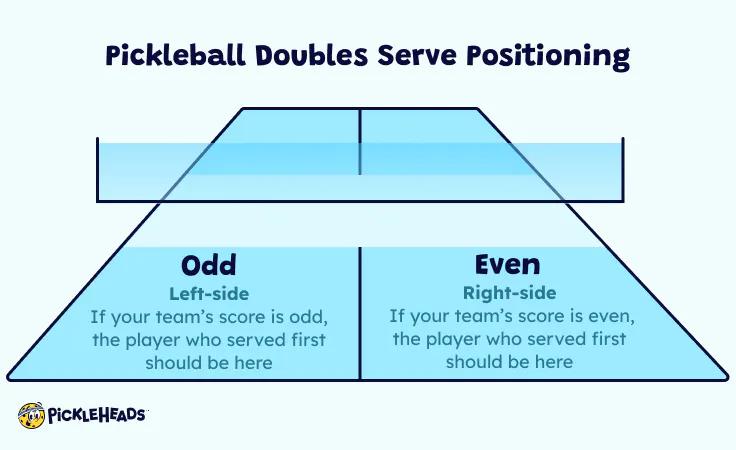
- Server stands in the correct service box for score and rotation. Partner can stand anywhere.
- Partner usually starts near the sideline on the same side as the server. This hides the plan.
- Server serves. As soon as the ball is struck, both players move to their “home” sides.
- Hit a third shot. Move to the kitchen. Hold the middle with your strong paddle.
Simple cues that help how to stack in pickleball:
- Call “stack” for switch. Call “straight” for no switch.
- After the serve, move with small, fast steps.
- Keep paddles up. Eyes on the returner’s paddle face.
On the court, I use a tiny pause after the serve. I read the return path, then slide to my lane. This keeps me balanced and helps how to stack in pickleball without chaos.
How to stack in pickleball on the return team
Here is how to stack in pickleball when you return.
Step-by-step on the return:
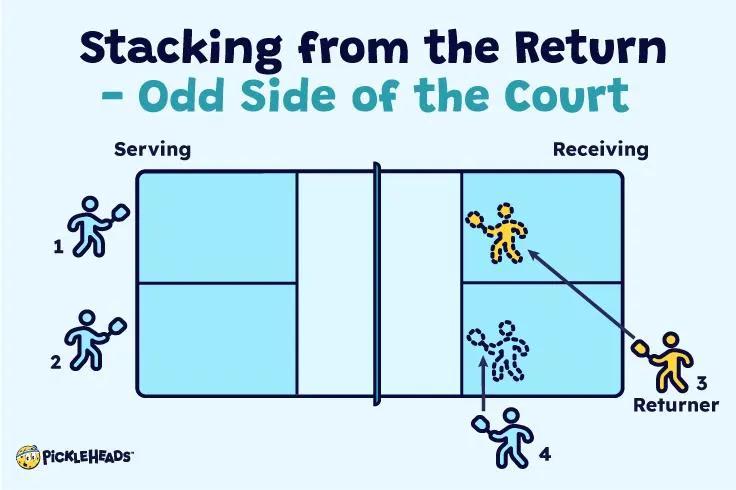
- The correct receiver must take the return. That is a rule.
- The non-receiver can start near the kitchen in the lane they will hold.
- Receiver hits a deep, high return cross-court. Aim near the baseline.
- After contact, both players move to their “home” sides at the kitchen.
- Set a wall. Take away the middle. Force a safe third shot.
Two simple tips that improve how to stack in pickleball:
- If the receiver is pulled wide, the partner covers the middle first.
- If the return is short, both players hold back one extra step to buy time.
In my mixed doubles league, we stack on most returns. We want my partner at the kitchen early. Her hands are fast. It changes points at once.

Hand signals and communication for stacking
Silent signals keep you sharp. Try these behind the back or at the hip before the serve or return. Clear calls help how to stack in pickleball without mix-ups.
Common signals:
- Open palm: Switch after contact.
- Closed fist: Stay in current lanes.
- Thumb left or right: I will cover that side.
- Wiggle fingers: Poach if the ball floats.
Add voice to confirm:
- “Stack, switch after.” Short and clear.
- “Straight, no switch.” Avoids doubt.
Make a plan for lobs and speed-ups. Call who takes middle balls. Repeat the plan every two or three points. This tiny habit upgrades how to stack in pickleball fast.

Rules, legality, and positioning pitfalls
Stacking is legal. Partners can stand anywhere on the court at the start of a rally. But serve and receive roles must be correct. To master how to stack in pickleball, know these rule basics.
Key points:
- Server must serve from the correct service box for score and rotation.
- Both server’s feet must be behind the baseline at contact.
- The correct receiver must hit the return after one bounce.
- Partners can switch anytime after the serve or return is struck.
- If the wrong player hits the ball, it is a fault.
Common pitfalls:
- Starting in a stack but forgetting the rotate count. Track who serves first in each game.
- Partner blocks the server’s view. Leave a clear lane.
- Early move gives away the plan. Hold still until ball contact.
Check the latest rulebook each season. Small updates can affect movement timing. This protects your progress on how to stack in pickleball.

Common mistakes with stacking and how to fix them
Even good teams slip up. Clean these issues to improve how to stack in pickleball.
Mistakes to watch:
- Slow first step after serve or return. Fix it with a split step as the ball leaves the paddle.
- No middle owner. Assign one player to take 60% of middles.
- Short returns when stacking on the return. Aim deeper. Add shape to clear the kitchen line.
- Silence on key balls. Say “mine” or “yours” early and loud.
Practice what you repeat in games. Run point starts with the same signals and moves. Reps drive how to stack in pickleball into muscle memory.
Drills to practice how to stack in pickleball
Drills turn plans into wins. Use short, fast sets with a clear goal.
Try these:
- Shadow switches: No ball. Serve motion, call “switch,” both slide to spots in two steps.
- Return and rush: Receiver hits deep cross-court. Both sprint to the kitchen and set a wall.
- Third-shot ladder: Serve, stack, third shot drop cross-court, then dink five balls in your lane.
- Middle calls: Feed balls to the middle. Players call “mine” early. Track errors.
Repeat each drill for two minutes. Rest for one minute. Do three rounds. This rhythm makes how to stack in pickleball feel natural and quick.

Advanced tactics that boost stacking results
Once basics stick, add layers. These small plays make how to stack in pickleball even stronger.
Tactics to test:
- Poach on pattern balls. If the rival floats cross-court, jump the line with your forehand.
- Shake-and-bake. Server hits deep. Partner crashes middle for a put-away on the next ball.
- Staggered wall. One player one step back to cover lobs. Switch roles after each dink rally.
- Middle pressure. Aim dinks and speed-ups to elbows and hips.
Keep eyes on paddle faces. They tell you speed and direction first. That is your green light to move.
Adapting how to stack in pickleball for team types
Every team is unique. Tune your plan to your lineup.
Lefty and righty:
- Put forehands in the middle. Stack almost always.
- Use the lefty to poach from the ad side.
Mixed doubles:
- Put the player with faster hands in the middle more.
- Use soft returns to buy time for the stack.
Newer players:
- Stack only on serve at first. Add return stacks later.
- Keep two signals max. Keep it simple.
Senior teams:
- Use compact steps. Save energy with early reads.
- Favor drops over drives. Control the kitchen.
These tweaks make how to stack in pickleball fit your real match needs.
Equipment and simple tools that help stacking
You do not need much gear. But small tools help you run how to stack in pickleball with less stress.
Helpful items:
- Wristbands or colored tape to mark “home” sides.
- A small score clip to track server order.
- Dry-erase card with three signals. Review before each game.
- Court targets for deep returns and third-shot zones.
Build a pre-point routine:
- Call the play. Confirm signal.
- Set feet. Split step on contact.
- Move with purpose. Paddle up.
This tiny system keeps the mind calm. It also stops most errors with how to stack in pickleball.
Frequently Asked Questions of how to stack in pickleball
Is stacking legal in pickleball?
Yes. Partners can stand anywhere, as long as the correct server serves and the correct receiver returns after one bounce. Check the current rulebook each season.
Do beginners need to stack?
Not at first. Learn basic serve, return, and kitchen play. Then add simple stacks to keep strengths in the middle.
Should I stack on every point?
Often, but not always. If rivals attack your open lane, call “straight” for a few points and reset the pattern.
How do I avoid confusion while stacking?
Use two or three clear signals and repeat them. Confirm server order and who owns the middle before big points.
What if we forget our rotation while stacking?
Pause and confirm the correct server. If needed, ask the ref or opponents to verify score and server order before the point.
Can the non-receiving partner start at the kitchen?
Yes. The non-receiver can stand anywhere. Just ensure you do not distract the server, and be ready to cover lobs.
Is stacking different for left-handed players?
It helps even more. Put both forehands in the middle. This increases poach chances and reduces backhand fights.
Conclusion
Stacking is a simple plan that wins hard points. Know your “home” sides, move right after contact, and own the middle. With a few signals and clean footwork, you will feel in control fast.
Try one new step this week. Stack on all your serves, or run the return-and-rush drill for ten minutes. Then note what changed. If this helped, subscribe for more guides, ask a question in the comments, or share your best tip on how to stack in pickleball.