Win more pickleball by owning the kitchen, placing shots, and moving smart.
If you want to learn how to win at pickleball, you are in the right spot. I coach league players and drill with tournament teams each week. The patterns are clear and repeatable. In this friendly guide, I break down how to win at pickleball with simple systems, personal tips, and proven drills you can use today. Stick with me and turn tight games into confident wins.

The core blueprint: what winning looks like in pickleball
Winning in pickleball is less about power and more about patterns. Great players lower unforced errors and raise pressure on the other side. They place shots, move as a team, and control the kitchen line. That is the heart of how to win at pickleball.
Here is the simple model I teach:
- Keep the ball in play one more shot than your foes.
- Get to the non-volley zone line fast and stay there.
- Hit to safe targets with height over the net.
- Attack only when the ball rises above net height.
- Reset tough balls to neutral instead of trying a hero shot.
When you play this way, your win rate grows. You force errors. You make the court feel small to them and big to you. This is how to win at pickleball without needing a 100 mph drive.
Footwork and positioning: win with movement
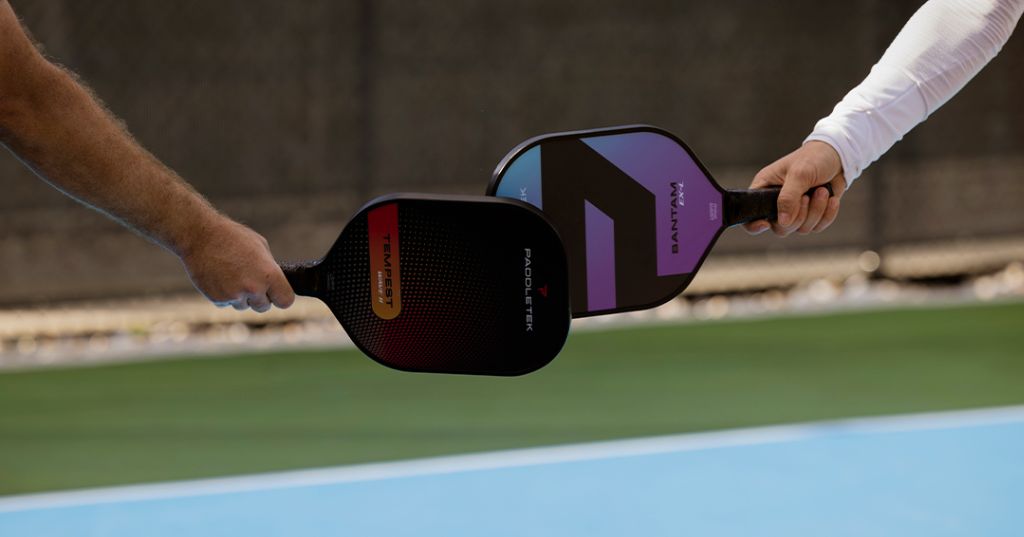
Your feet win you points before your paddle does. Good stance and small steps create time and clean contact. That gives you control and calm.
Key cues I use with students:
- Split step as they hit. Land on both feet, then move.
- Stay low with a slight bend in knees and hips.
- Use small steps near the kitchen. Do not reach with your arm.
- After each shot, recover to ready position with paddle up.
- In doubles, move with your partner like you are tied with a string.
When you master movement, you feel early to every ball. Your shot choices improve. Steady footwork is a secret to how to win at pickleball.
The serve and return that set up the point
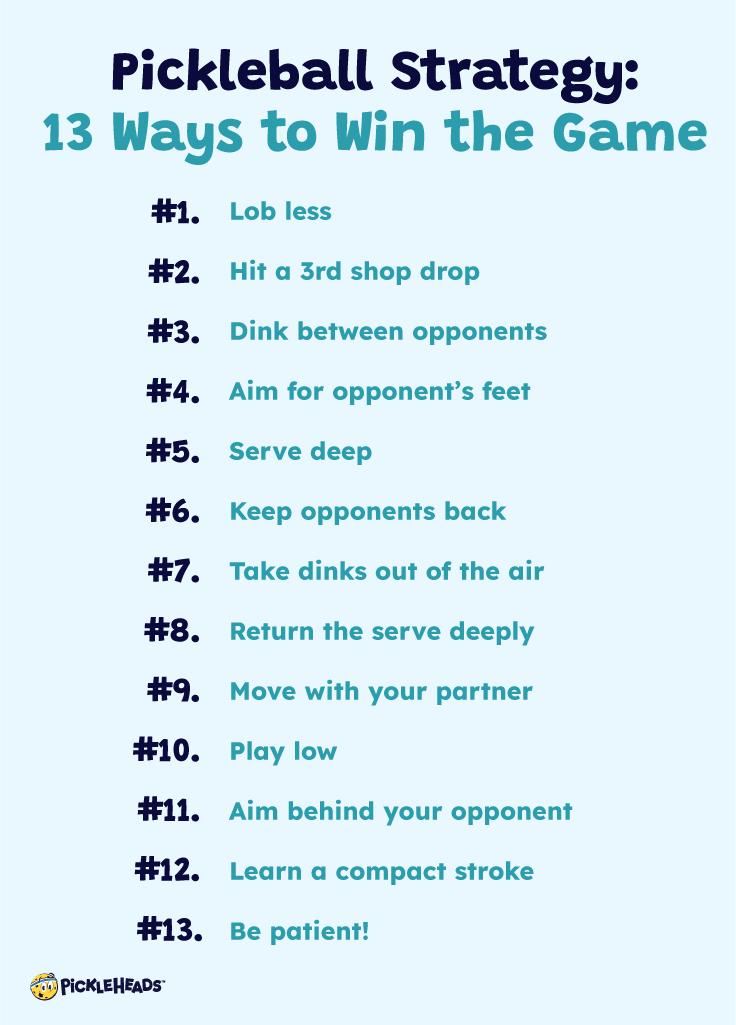
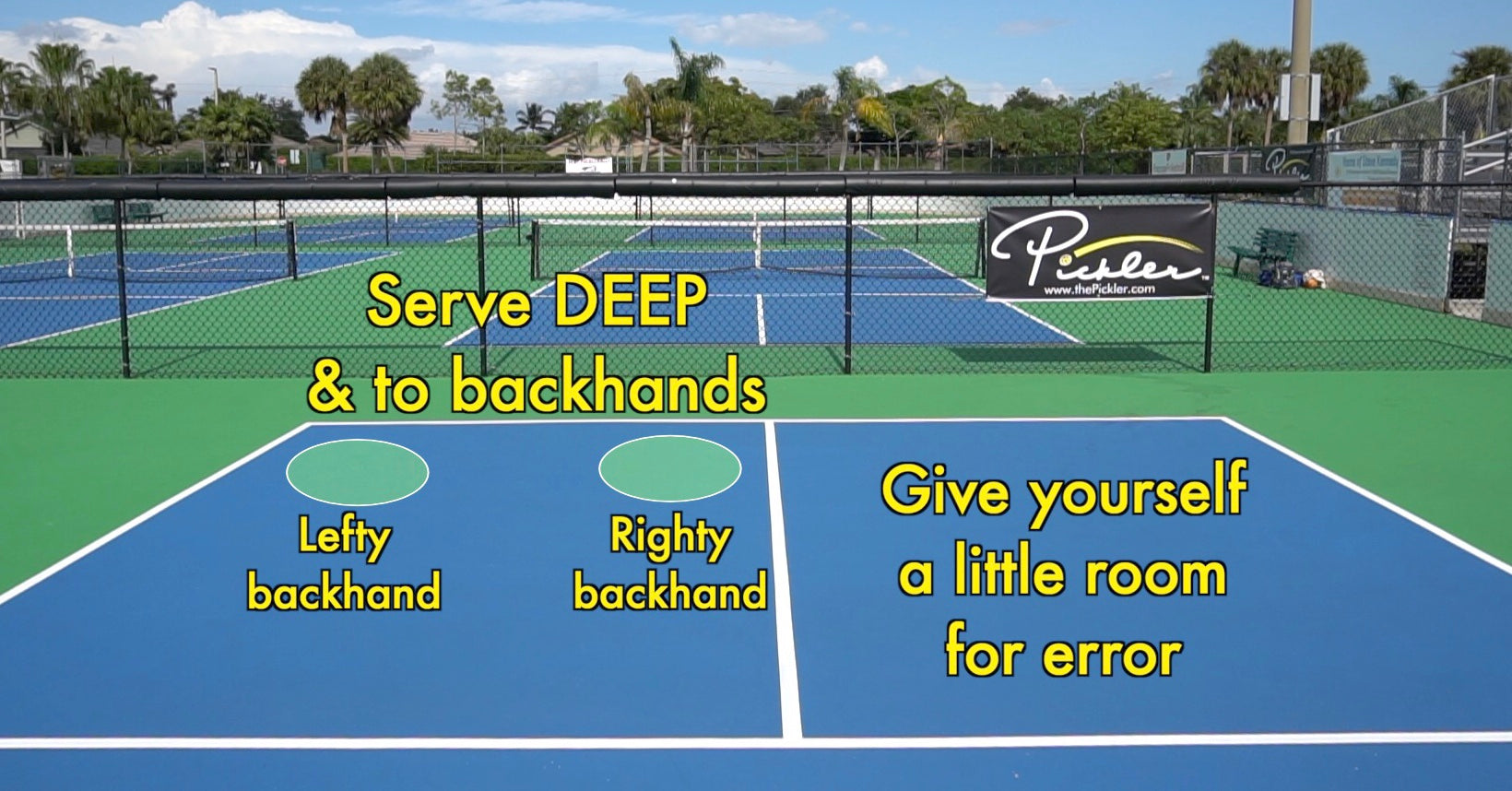
The serve is a start, not the strike that wins. Aim deep, add a bit of spin, and place it to the weaker wing. Then plan your next shot.
Simple rules that work:
- Serve deep and near the sideline to move them wide.
- Mix speed, spin, and height to avoid a rhythm.
- On the return, hit deep to the middle or backhand.
- Return high with margin so you have time to reach the kitchen.
A deep return buys you the line. Most missed thirds come from rushed feet and low contact. Control these first two shots and you unlock how to win at pickleball.
Master the kitchen: dinks, volleys, and attacks
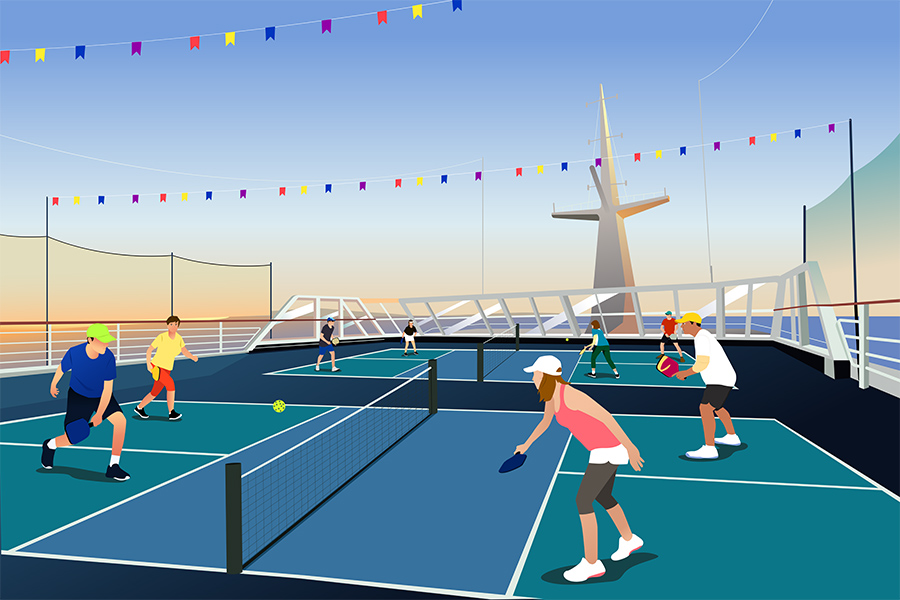
The kitchen is the game’s engine room. When you own it, you own the flow. Dinks make them lift. Lifts give you attacks. Attacks win points.
Work these patterns:
- Crosscourt dinks for safety and height. The net is lower and the court is longer there.
- Aim dinks to their backhand and their feet.
- Watch for a dink that floats. Then attack to the shoulder or into the body.
- If they speed-up at you, block soft back into the kitchen. This is a reset.
Soft hands beat hard swings here. Calm, slow, and steady is how to win at pickleball at the kitchen.
Third shot choices: drop, drive, or lob
Your third shot decides if you can reach the line. Pick the tool that fits the ball and the player across from you.
Use this simple map:
- Drop when you need time. Aim crosscourt with height and soft spin.
- Drive when the return is short or high. Aim at the body or backhand.
- Lob on a short dink from opponents who lean in too far.
I coach players to test both drop and drive early in a match. See what draws more weak replies. Adapting your third is a fast path for how to win at pickleball.
Doubles tactics that win matches
Doubles is about shape and space. You and your partner need to cover the middle and guard the line. Talk often. Move together.
Try these team rules:
- Forehand in the middle takes most middle balls.
- Call balls early. Use “mine” or “yours.”
- Poach on weak thirds or high dinks. Cross early and finish.
- Stack if one player’s forehand is much stronger in the middle.
- When in trouble, both reset and rebuild at the kitchen.
Play simple, high-percentage patterns. Doubles rewards clean teamwork. This is a key lesson in how to win at pickleball.

Singles tactics made simple
Singles is a footwork test. You need depth, fitness, and smart shot aims. Keep the court small for you and large for them.
Use this flow:
- Serve deep and target the backhand.
- Hit your first forehand to the open court, then behind them on the next ball.
- Approach the net behind a deep shot and finish with volleys.
- Keep lobs ready if they crowd the baseline.
Stay patient. Build with depth first, then finish at the net. This steady plan is how to win at pickleball in singles without risky blasts.
Shot selection and targets: aim small to win big
Most errors come from bad targets. Pick safe windows and repeat them. Your goal is control, not flash.
High-value targets:
- The backhand hip
- The feet in the transition zone
- Middle between partners
- Deep corners on serve and return
- Shoulder on speed-ups
Give your shots air. Two to three feet over the net is fine. Margin is your friend. This target map supports how to win at pickleball across all levels.

Practice plans and drills that actually work
You do not need two hours a day. Smart, focused work beats long, random sessions. Tie each drill to a match skill.
Try this 30-minute plan:
- Five minutes: shadow split steps and paddle-up ready.
- Ten minutes: crosscourt dinks to a cone, then add attack on floaters.
- Ten minutes: third shot drop to a box, then move in and volley three balls.
- Five minutes: serve and return depth to marked zones.
Solo ideas:
- Wall dinks ten feet from a wall. Aim for 50 in a row.
- Toss and catch resets with a soft paddle face. Keep the ball under net height.
Track your scores. If the numbers go up, your wins will follow. Practice with purpose is how to win at pickleball.
Gear and setup that support wins
The right setup helps your control and comfort. You do not need the most costly paddle. You need a paddle that fits your hand and style.
Gear tips:
- Pick a grip size that lets you wrap the fingers with a small gap. Too big reduces wrist control.
- A softer, textured face helps with dinks and drops.
- Court shoes with good lateral support protect your ankles.
- Use a dry towel and wristbands. A dry grip prevents mishits.
- Try different balls. Some are softer or faster. Adjust your stroke to match.
Small gear tweaks raise your margin. More margin equals fewer errors. That is a quiet edge in how to win at pickleball.
Mental game: composure, routines, and pressure
Your mind swings the paddle more than your arm. A simple routine keeps you calm when points get tight.
Use this between-points routine:
- One deep breath. Feel the exhale.
- Say a short cue. Example: “High over the net, to the feet.”
- Pick the target before you serve or return.
- Tap paddles or smile. Reset the mood.
Call a timeout when you rush, tilt, or miss three in a row. Drink water. Write one cue on your towel. A stable mind is how to win at pickleball under stress.
Common mistakes and how to fix them
I see the same traps in clinics. They are easy to fix with small tweaks.
Fix these fast:
- Overhitting. Aim higher over the net. Use 70 percent power.
- Camping at midcourt. Either stay back for the drop or get to the line.
- Late paddle prep. Set your paddle early and out front.
- Reaching in the kitchen. Move your feet. Keep your head still.
- Swinging at every speed-up. Block soft first. Counter only on high balls.
Make one change at a time. Track it for a week. This simple loop shows you how to win at pickleball with less effort.
How to build a match strategy in five steps
You can script a match like a coach. A short plan gives you focus and calm.
Follow this:
- Scout in warm-up. Note weaker wing, movement, and dink skill.
- Test both third shot drop and drive in the first two points.
- Pick two safe targets and use them all set.
- If down by four, slow pace and play more crosscourt dinks.
- At 9 or game point, serve to the backhand and hit to the middle.
Write this on your phone or wristband. A plan removes guesswork. That clarity is how to win at pickleball in tight sets.
Recovery, warm-up, and injury prevention
Warm muscles work better and last longer. A short routine can save your day and your season.
Do this five-minute warm-up:
- Arm circles, band rows, and light shoulder turns.
- Hip openers, calf raises, and ankle rolls.
- Short shuffles, split steps, and three mini sprints.
- Ten soft dinks, ten resets, and five volleys per side.
Recover with water, light stretch, and a snack with protein and carbs. Healthy habits keep you sharp. A fresh body is key to how to win at pickleball all week long.
Metrics: how to measure progress and win rate
What you track improves. Keep stats that match your plan.
Simple metrics to log:
- Unforced errors per game
- Third shot drop in-bounds rate
- Serve and return depth to target zones
- Speed-up win or loss ratio
- Points won when you reach the kitchen first
Review once a week. Pick one stat to improve next. This data-led path makes how to win at pickleball a clear, steady climb.
Frequently Asked Questions of how to win at pickleball
What is the fastest way to improve my pickleball game?
Focus on footwork and getting to the kitchen fast. Add deep returns and soft resets to lower errors.
Should I drop or drive my third shot?
Use the drop when you need time and space. Drive when the return is high or short and you can attack the body.
How do I stop pop-ups at the kitchen?
Relax your grip and keep your paddle out front. Aim your dinks with a slight arc and more height over the net.
What are the best serve targets for wins?
Serve deep to the backhand or wide to pull them off the court. Mix speeds so they cannot groove a swing.
How can I handle bangers?
Block first, then reset to the kitchen. Use body targets back at them only when the ball is high enough.
How often should I drill to see results?
Three short sessions a week work well. Twenty to thirty minutes with clear reps beats long, unfocused play.
What shoes are best for pickleball?
Court shoes with firm lateral support and good grip. Running shoes are risky for side moves and can roll ankles.
Conclusion
Winning at pickleball is a simple, repeatable system. Get to the kitchen, choose safe targets, and move with balance. Use deep serves and returns, smart thirds, and calm resets. Add a short routine, a few drills, and track one stat at a time.
Start today. Pick one tip and apply it in your next game. If this guide helped, share it with a partner, subscribe for more lessons, or drop a question so I can help you sharpen your plan.