Pickleball was invented in 1965 on Bainbridge Island by friends improvising a backyard game.
If you’ve ever wondered how was pickleball invented, you’re in the right place. I study the sport’s roots, visit key sites, and track how family fun became a worldwide game. In this guide, you’ll get a clear, friendly walk-through of how was pickleball invented, from a summer weekend hack to a sport with pro tours, standard rules, and millions of players.
The 1965 Backyard Origin Story
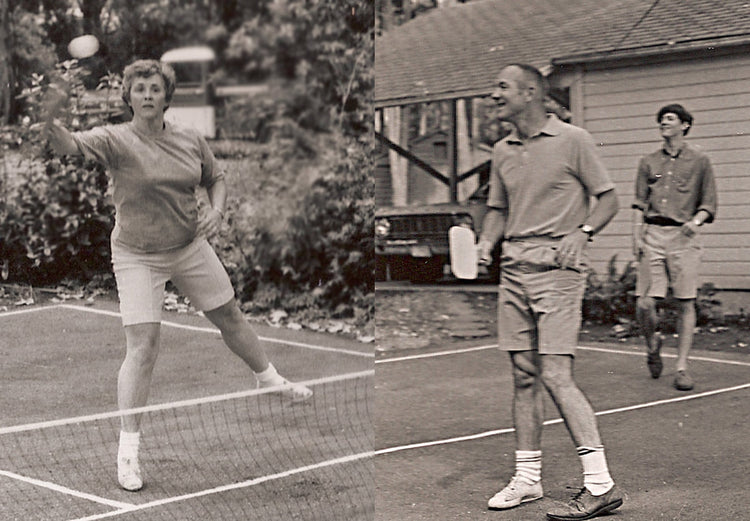
The core of how was pickleball invented starts with three neighbors on Bainbridge Island, Washington. Congressman Joel Pritchard, Bill Bell, and Barney McCallum had families to entertain and a badminton set with a missing shuttlecock. They grabbed a perforated plastic ball, lowered the net, and used makeshift paddles to keep the rally going.
That simple “let’s make it work” moment shaped the sport we know today. Early games used a borrowed badminton court size of 20 by 44 feet. The net sat about 36 inches high at the posts and 34 inches at the center. The founders wrote down basic rules so kids and adults could play together without long learning curves.
McCallum soon crafted sturdier wooden paddles in his garage using a bandsaw. The first permanent court came soon after, with credible records pointing to 1967 in a Bainbridge Island backyard. Accounts vary on the exact property, which is common in local oral history. Still, the timeline matches museum archives and early interviews.
If someone asks how was pickleball invented in one line, here it is: it was built from what they had and tuned for fun, fairness, and family play.
How the Rules Took Shape
To pin down how was pickleball invented into a lasting sport, the founders tuned the rules for flow and balance. They wanted rallies, not one-shot wins. They also wanted a game seniors and kids could share.
Key features that stuck:
- Underhand serve only. This kept serves from dominating the point.
- Double-bounce rule. The ball must bounce once on each side before volleys start. This created longer rallies.
- The non-volley zone, or kitchen. Players cannot volley within 7 feet of the net. This reduced put-away smashes at the line.
- Scoring to 11 in early play, win by 2. Only the serving side could score in the classic format.
Early rules were written locally in the 1960s, then refined over time. An official rulebook arrived in the 1980s as national groups formed. That’s how was pickleball invented evolved from backyard notes to formal sport standards.

Why It’s Called Pickleball
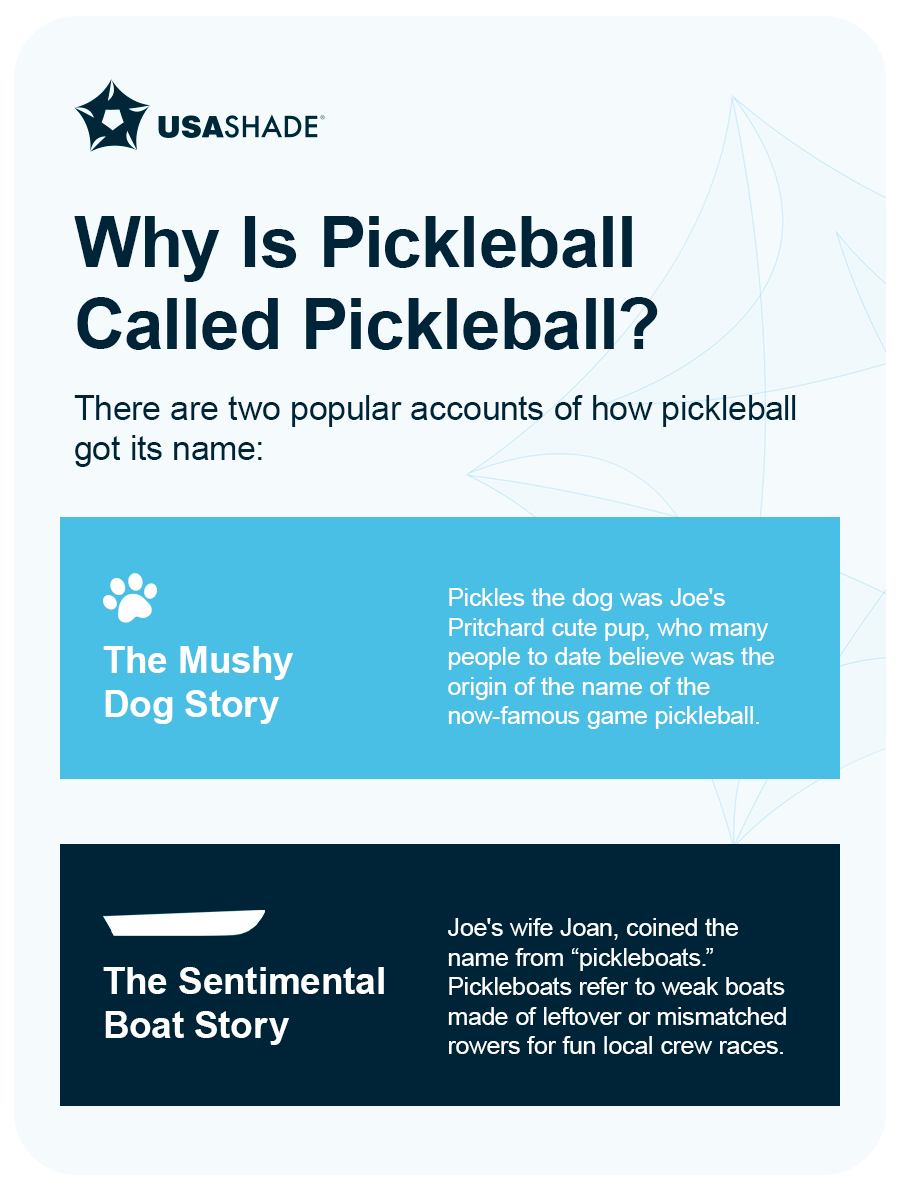
The name story is part of how was pickleball invented. Two tales exist, and both are famous.
One version says the family dog, Pickles, chased the ball in those early games. Another version, backed by several family members, credits the “pickle boat” in rowing. In a pickle boat, leftover rowers from other crews form a mixed team, just like pickleball mixed rules from many sports. The dog did exist, but the dog’s name likely came after the game’s name took hold.
Both stories capture the same spirit. The game was playful, social, and a bit improvised.
The Gear That Made It Work
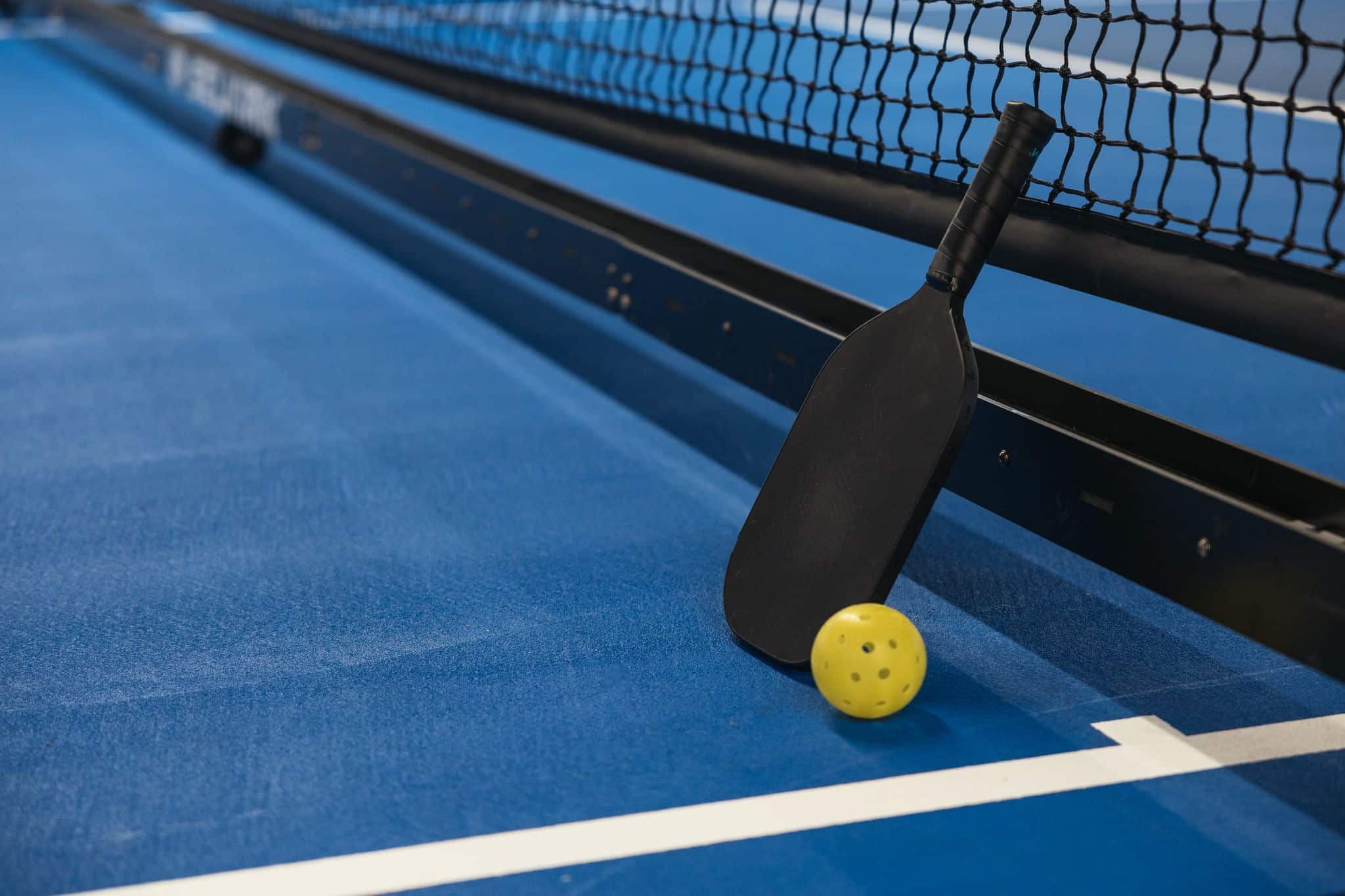
Equipment shaped play from day one, which is central to how was pickleball invented and spread. The first paddles were plain plywood. They were cheap, tough, and easy to copy. As players got better, the gear evolved.
What changed as the sport grew:
- Paddles moved from wood to composites. A honeycomb-core composite paddle arrived in the 1980s and changed control and power.
- Balls split into indoor and outdoor types. Outdoor balls are stiffer with smaller holes. Indoor balls are softer with bigger holes.
- Court lines became standard. Court size stayed 20 by 44 feet, with a 7-foot kitchen on each side of the net.
- Nets standardized. Net height is 36 inches at posts and 34 inches at center.
These steps turned a weekend game into a repeatable sport. That is a big part of how was pickleball invented and refined for broad play.

A Short Timeline of Key Milestones
If you learn by dates, this quick path shows how was pickleball invented and then scaled.
- 1965: Game improvised on Bainbridge Island by Pritchard, Bell, and McCallum.
- 1967: First dedicated court built on Bainbridge Island.
- Early 1970s: Pickleball, Inc. formed to protect the game and share gear.
- 1976: First known tournament hosted in Tukwila, Washington.
- 1984: A national association publishes the first official rulebook and unifies rules.
- 2000s: Retirement communities and parks adopt the sport nationwide.
- 2009: The first national championship draws a wide field of players.
- 2010s: Global bodies form; schools add pickleball to PE; media coverage rises.
- 2020s: Pro tours launch; participation surges; complex rules get yearly updates.
Across each decade, the sport stayed true to the early goals: easy to learn, hard to master, fun for all ages. That steady vision explains how was pickleball invented and why it stuck.
Lessons From How Pickleball Was Invented
I help parks and clubs start new programs, and this is what I’ve learned from how was pickleball invented.
- Start with play, not perfection. The founders used what was on hand. Your first draft can be simple.
- Reduce barriers. Underhand serves, the double-bounce rule, and the kitchen helped new players jump in fast.
- Write it down early. The founders captured rules to avoid debates. Clear rules reduce friction.
- Prototype gear. Plywood paddles worked, then composites refined control. Make the best of what you have now, then improve later.
- Keep rallies fun. If a rule hurts rallies, change it. The founders did this often.
Use these steps for any game or program you build. That approach is the real secret behind how was pickleball invented and loved.
A Personal Note From the Road
When I visited Bainbridge Island, I spoke with local volunteers who care for the sport’s history. I tried a wooden paddle on a quiet court and felt how the double-bounce rule slows the pace in the best way. It turns every point into a story, not a sprint.
I’ve since helped first-timers learn the same way. We start with simple serves, kitchen awareness, and soft dinks. People smile fast because the game is kind. That human feeling sits at the heart of how was pickleball invented.

Frequently Asked Questions of how was pickleball invented
Who invented pickleball?
Three neighbors created the game in 1965: Joel Pritchard, Bill Bell, and Barney McCallum. They built it for family fun on Bainbridge Island.
Where was pickleball first played?
It began on Bainbridge Island, Washington, at a family home. A badminton court outline helped set the first layout.
Why is it called pickleball?
The common story links the name to the “pickle boat” in rowing. A family dog named Pickles also became part of the lore, but the name likely came first.
What early rules made pickleball unique?
The double-bounce rule and the kitchen shaped fair play. Underhand serving also kept points longer and more fun.
How did the equipment evolve?
Wood paddles came first. Composite paddles with honeycomb cores improved control and power in the 1980s.
When did pickleball get an official rulebook?
A national body published the first official rulebook in the 1980s. It unified many local versions and made events easier to run.
How was pickleball invented to be so inclusive?
The founders aimed for easy entry and long rallies. Simple serves, a smaller court, and kitchen rules welcome players of many ages.
Conclusion
A few smart choices turned a backyard hack into a global sport. Clear rules, friendly gear, and a rally-first mindset explain how was pickleball invented and why it keeps growing. The story shows what happens when you design for joy and access first.
Try a wooden paddle session. Teach a friend the double-bounce rule. Share how was pickleball invented at your next open play. If this helped, subscribe for more guides, or drop your questions in the comments so we can learn together.