Indoor balls are lighter with larger holes; outdoor balls are harder with smaller holes.
If you want to know what is the difference between indoor and outdoor pickleball balls, you’re in the right place. I coach players and test gear in real courts and real weather. In this guide, I break down design, play feel, and rules. You will learn what to buy, when to use it, and how to care for it. Let’s go deep, but keep it simple.

Key differences between indoor and outdoor pickleball balls
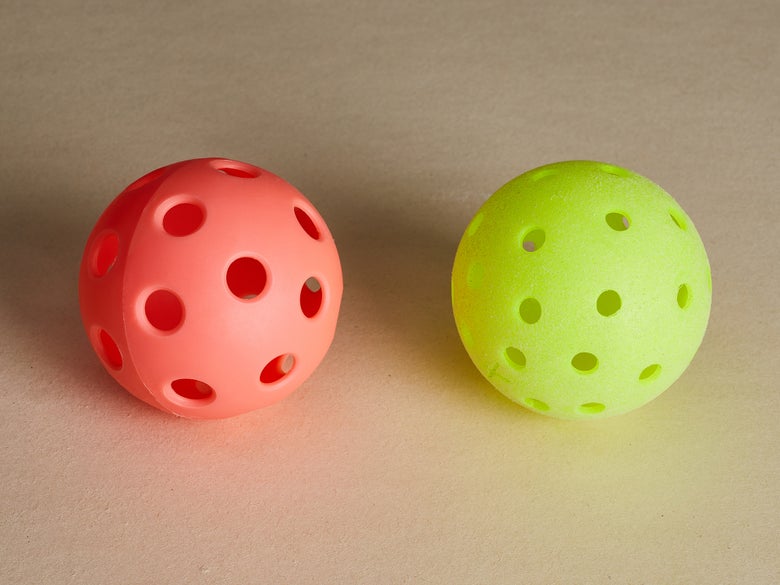
The main split is about holes, feel, and weather. Indoor balls have fewer, larger holes and a softer shell. Outdoor balls have more, smaller holes and a harder shell. That change reshapes flight, spin, and control.
If you ask what is the difference between indoor and outdoor pickleball balls, think about wind and wear. Indoor balls float more and grab the paddle. Outdoor balls cut through wind and pop off the face faster.
Key points you will feel on court:
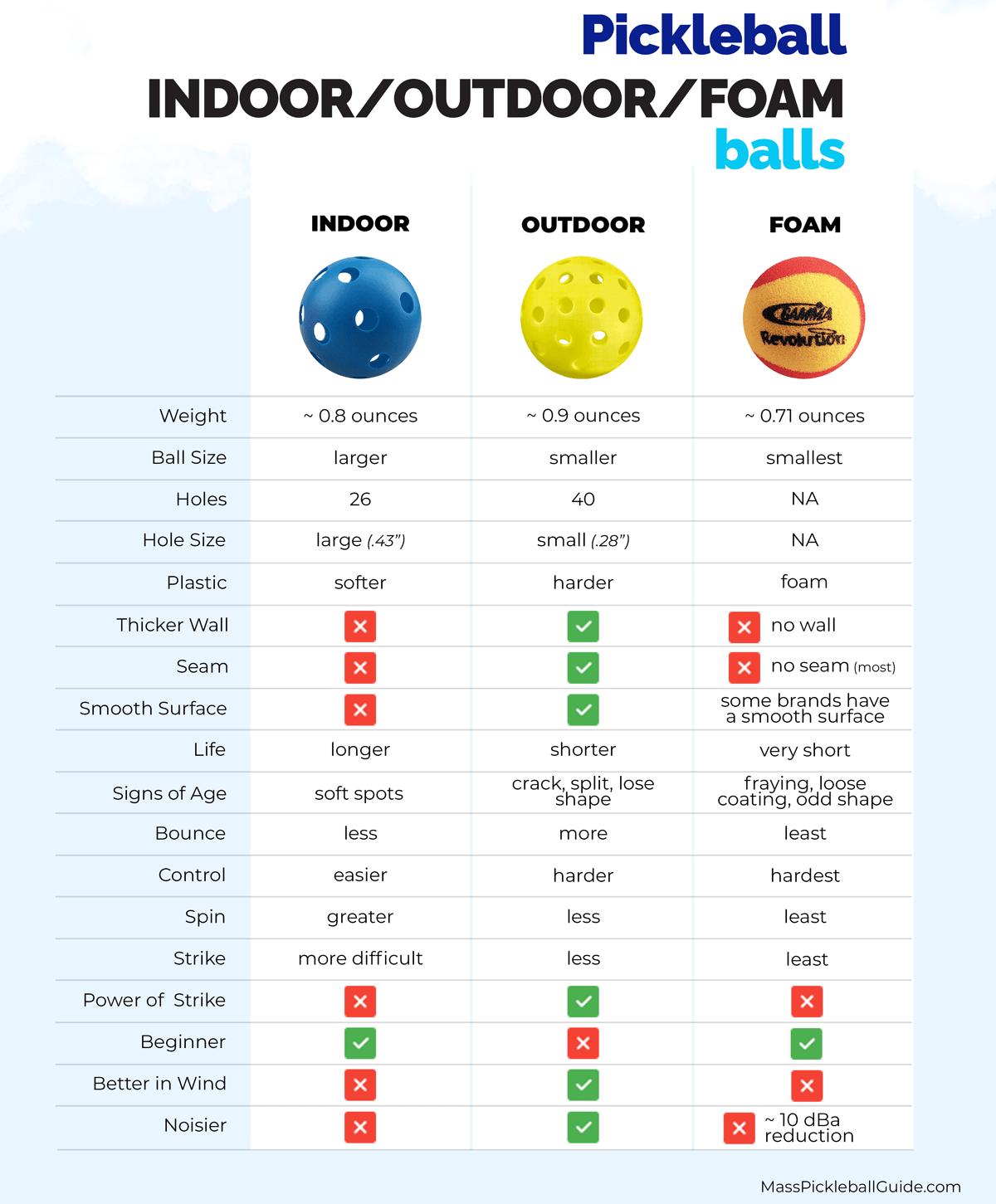
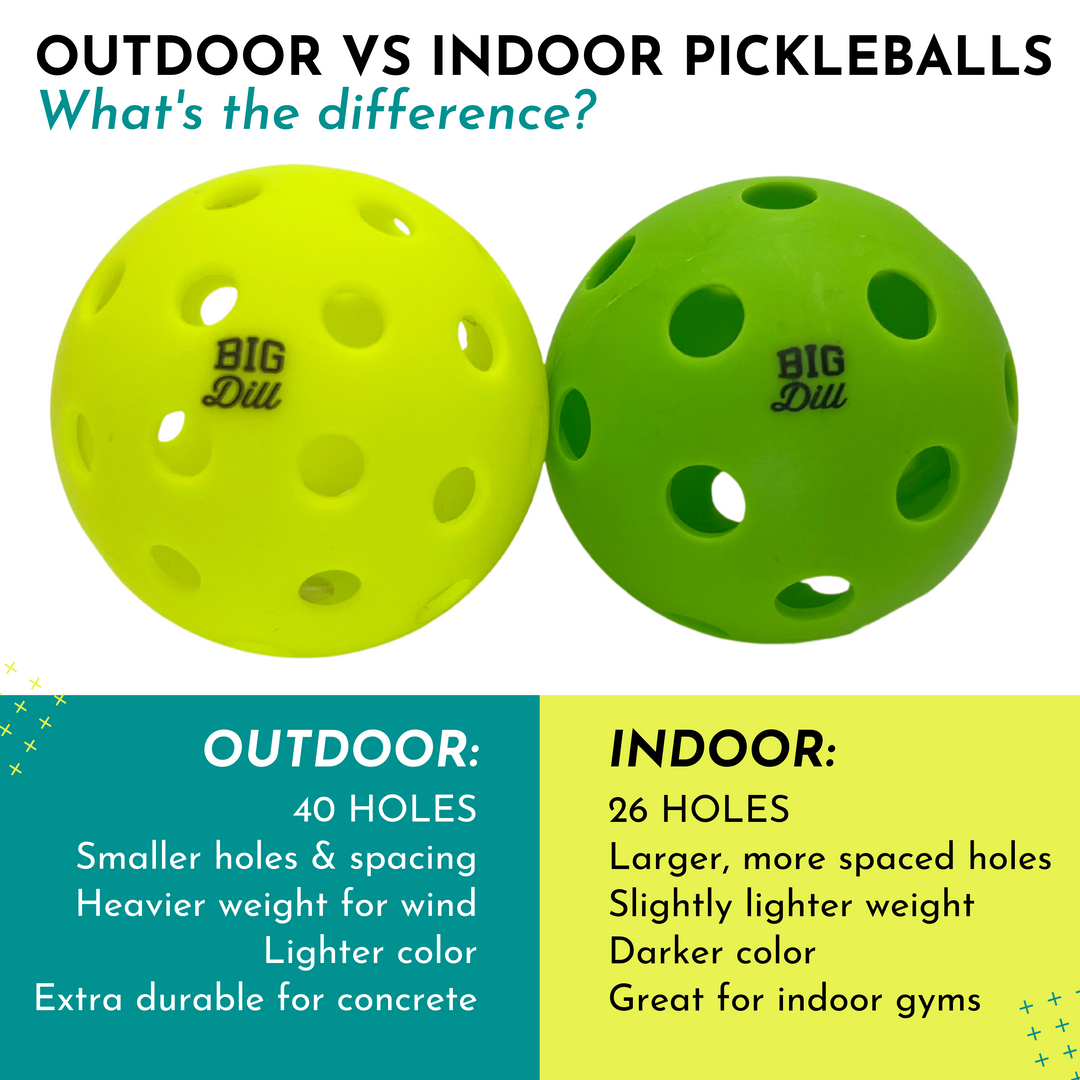
- Hole pattern Indoor 26 larger holes. Outdoor about 40 smaller holes.
- Hardness Indoor is softer and quieter. Outdoor is harder and louder.
- Weight Indoor is a touch lighter. Outdoor is a touch heavier.
- Durability Indoor scuffs and softens. Outdoor can crack, especially in cold.
- Control Indoor gives longer rallies and more touch. Outdoor gives speed and lower bounce.
Why hole count and size matter
Holes act like air brakes. Larger holes slow the ball and add lift. That is why indoor balls sit up and give you time. Smaller holes reduce drag and keep the line tight. That is why outdoor balls fly true in wind.
I learned this during a windy clinic in Kansas City. A player swapped an indoor ball onto the outdoor court by mistake. His third shots ballooned. As soon as we switched to a 40‑hole outdoor ball, his arc flattened, and dinks stayed low.
So if you wonder what is the difference between indoor and outdoor pickleball balls, start with the hole pattern. More small holes equals more wind control. Fewer large holes equals more float and feel.

Material, weight, and bounce explained
Most pickleballs use durable plastic resins. The blend and mold process change how hard the shell feels. Outdoor balls are tuned harder. That helps speed and helps the ball resist rough asphalt.
USA Pickleball equipment standards list the official window. Diameter is 2.87 to 2.97 inches. Weight is 0.78 to 0.935 ounces. Bounce should be 30 to 34 inches from a 78 inch drop on a flat surface. Approved indoor and outdoor balls must fit those numbers.
Here is a simple home check:
- Drop Test Drop the ball from 78 inches onto a smooth floor. You should see about a 30 to 34 inch bounce.
- Roundness Spin the ball on a table. A big wobble means it is out of round.
- Seam Look for a clean, even seam. A rough seam can cut flight and crack sooner.
This helps you test what is the difference between indoor and outdoor pickleball balls in a quick, repeatable way.

Durability, noise, and safety in real play
Outdoor balls face sun, wind, and rough courts. They last many games, but when they fail, they often crack. Cold weather speeds that up. Keep spares on hand when temps drop.
Indoor balls pick up scuffs and soften with time. They do not crack as often. But they can go mushy and lose pop. Replace them when dinks die on the net for no clear reason.
Noise matters too. Outdoor balls are louder and have a sharper pop. Some places have sound rules. I have coached in HOAs where only softer balls were allowed during early hours. That policy is common, so check first.
If someone asks what is the difference between indoor and outdoor pickleball balls for safety, remind them about pace. Hard outdoor balls move faster. Newer players may need more space and softer drills at first.

How to choose the right ball for your court and climate
Match the ball to where and how you play. That choice boosts fun and reduces cost.
Use this quick guide:
- Outdoor, windy, or hot Use a 40 hole outdoor ball. Look for a firm shell and bright color.
- Outdoor, cold Choose outdoor balls known for cold crack resistance. Warm them in your bag.
- Indoor, wood or rubber floor Use a 26 hole ball. You get more feel and longer rallies.
- Mixed play Keep both types. Use the right ball for the right court.
Players also ask what is the difference between indoor and outdoor pickleball balls when you change elevation. Thin air makes any ball fly more. At high altitudes, a slightly softer outdoor ball can help you keep shots down.
Testing, care, and maintenance tips from the court
Small habits keep balls in peak shape and save money.
Try these steps:
- Rotate balls Use two or three balls in a session. Heat cycles even out and reduce cracks.
- Warm in cold Keep outdoor balls in your pocket or bag before play. Cold shells crack faster.
- Clean grit Wipe balls with a damp cloth. Grit chews seams and paddles.
- Retire on time If the ball eggs or sounds dull, retire it. Bad balls teach bad touch.
I keep a simple rule with students. If two dinks in a row die short for no clear reason, swap the ball. That quick swap shows what is the difference between indoor and outdoor pickleball balls in feel and bounce, right in the rally.

Rules, standards, and tournament guidance
Sanctioned events use USA Pickleball approved balls. Event sheets list the make and model. Many outdoor events pick a fast, firm 40 hole ball. Many indoor events pick a 26 hole ball with a softer feel.
Specs to remember:
- Color Must be uniform and easy to see. Yellow and neon are common.
- Markings Balls must not be altered. No holes added. No weight added.
- Bounce and size Must pass the official tests for approved play.
If you train for a bracket, train with the event ball. That saves you from late timing changes. It also settles what is the difference between indoor and outdoor pickleball balls in your muscle memory.
Common mistakes and how to avoid them
These are the errors I see most in lessons and leagues.
Avoid these:
- Using an indoor ball outside on a windy day Your drops will sail.
- Sticking with cracked outdoor balls They veer and can cause mishits.
- Ignoring temperature Cold snaps break balls. Warm them and bring extras.
- Mixing balls in one game Different flights ruin timing for both teams.
- Buying by color only Read the hole count and the model, not just the shade.
Each fix is simple. Pick the right ball for the court. That alone solves most play issues and clears up what is the difference between indoor and outdoor pickleball balls for your group.
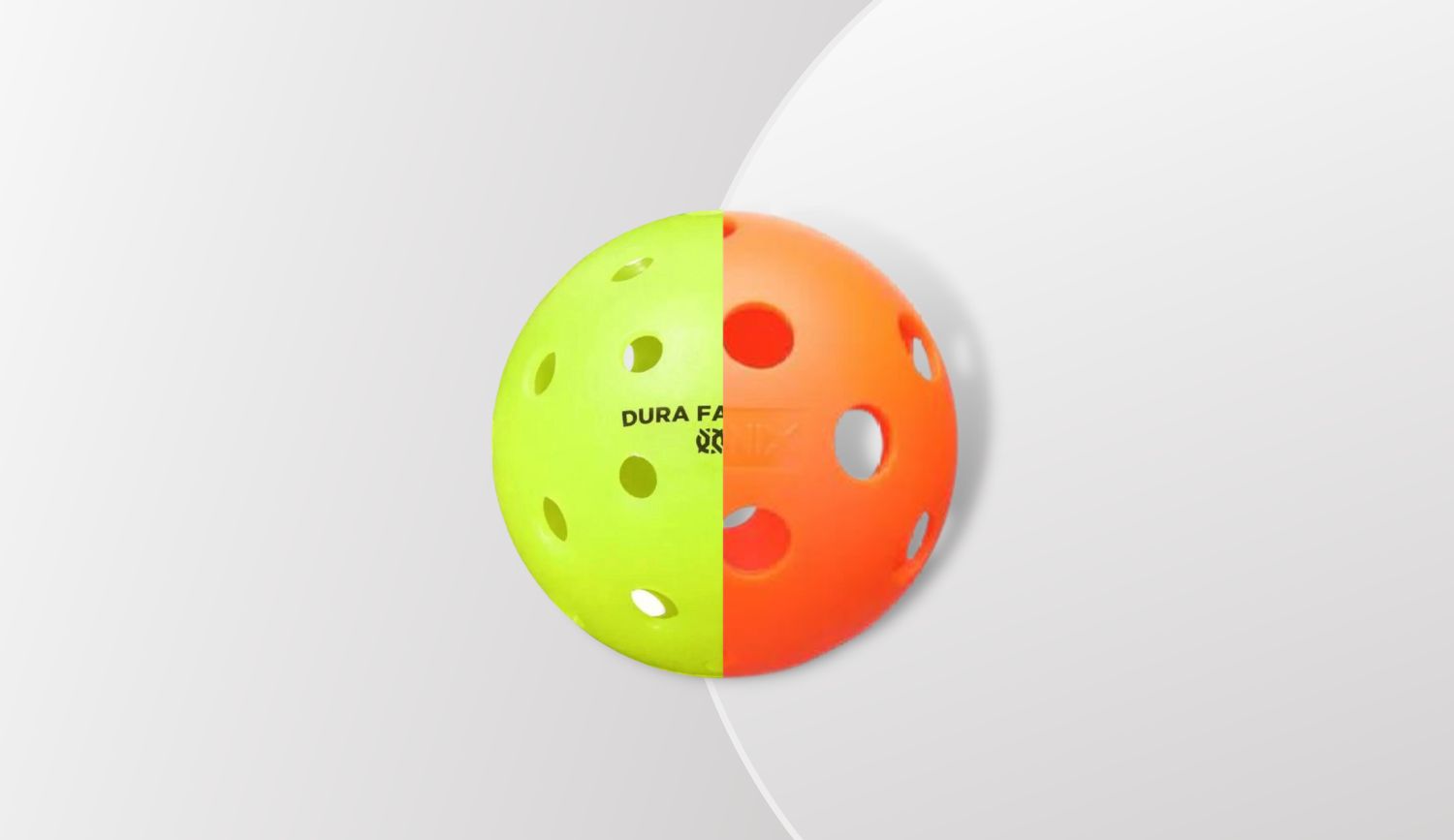
Frequently Asked Questions of what is the difference between indoor and outdoor pickleball balls
How many holes are in indoor vs outdoor pickleballs?
Indoor balls commonly have 26 larger holes. Outdoor balls usually have about 40 smaller holes to fight wind.
Do indoor balls work outside in a pinch?
They work, but flight will float and curve in wind. Your shots may sail long and dinks may sit up.
Are outdoor balls heavier than indoor balls?
Outdoor balls are often a touch heavier and harder. Both must fit the official weight range for approved play.
Which ball is better for beginners?
Indoor balls feel slower and more forgiving. Many new players like the extra control and longer rallies.
How long do pickleballs last?
Outdoor balls may crack after several sessions, faster in cold. Indoor balls soften and scuff over time and need swaps when bounce drops.
Can I use the same ball year-round?
You can, but it is not ideal. Match the ball to your court and weather for best play and fewer issues.
What color should I choose?
Pick a bright, uniform color that contrasts with the court and walls. Yellow or neon tones are easy to track.
Conclusion
Now you know the real answer to what is the difference between indoor and outdoor pickleball balls. Indoor balls have larger holes and a softer feel for control and touch. Outdoor balls have more small holes and a harder shell for speed and wind control.
Use the right ball for your court, climate, and goals. Try the tests above. Rotate your stock. Note how each ball changes your drops, dinks, and drives. Put this guide into play in your next session, and share your results. Want more tips like this? Subscribe for new gear breakdowns and court‑ready drills every week.