Pickleball isn’t inherently bad for your back, but poor form and overuse can be.
If you’ve wondered is pickleball bad for your back, you’re not alone. I work with players who range from first-timers to tournament regulars, and back pain is the most common fear. This guide blends hands-on tips with research-backed advice. Stick with me and you’ll learn how to play longer, move better, and keep your spine happy.

Is pickleball bad for your back? The real answer
The short answer is no, not by itself. The risk comes from how you move, how much you play, and how you recover. Fast stops, deep bends, and quick twists add load to your lower back. If you ask, is pickleball bad for your back, the smarter question is how to limit those loads.
Pickleball often attracts adults who return to sport after a long break. That mix of enthusiasm and rusty movement can strain your back. With better form, smart training, and rest, you can keep risk low. So, is pickleball bad for your back? It depends on your habits, not the sport.
What actually stresses your spine in pickleball
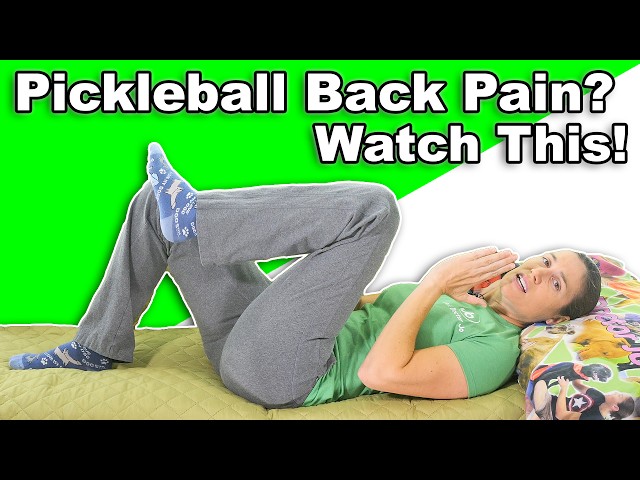
A few common moves drive most problems.
- Sudden stops and starts add high forces to the spine and hips.
- Deep forward bends for low dinks stress the lower back.
- Quick trunk rotation during serves, drives, and overheads can irritate joints.
- Reaching behind you for lobs puts your back in a risky arch and twist.
- Long sessions without breaks build fatigue, which lowers form and control.
- Hard courts and worn shoes increase impact with every step.
If you keep asking, is pickleball bad for your back, look first at these stress points. Small tweaks make a big difference.

Common back problems players report
Most players feel simple muscle strain at first. It shows up as tightness on one side after a game. Facet joint irritation is also common with lots of twisting and arching.
Disc flare-ups can happen if you bend and twist under load. You might feel pain down a leg or pins and needles. The sacroiliac joint near the pelvis can get cranky with poor hip control.
Who is most at risk
Some groups need extra care.
- New players who jump into long matches right away.
- People over 40 with past back pain or stiff hips and ankles.
- Office workers who sit all day and then play hard at night.
- Players who skip warm-ups, or never train core and glutes.
- People who ask is pickleball bad for your back, but ignore recovery.
If you see yourself here, you can still thrive. You just need a plan.

Protect your back before you play
Warm up for 6 to 8 minutes. Keep it simple and move your whole body.
- Brisk walk or light shuffle for 2 minutes.
- Cat-camel for 6 slow reps to ease the spine.
- Hip hinges with hands on hips for 10 reps.
- Thoracic rotations: reach and open for 6 each side.
- Walking lunges with a tall chest for 10 steps.
- Side shuffles and split steps for 60 seconds.
- Soft dinks and mini volleys near the kitchen for 2 minutes.
This short routine cuts stiffness and primes your hips. If you wonder is pickleball bad for your back, this is step one to say no.
Technique tips that save your back
Better form takes pressure off your spine.
- Keep a neutral spine while dinking. Bend at the hips and knees, not your back.
- Use a split step before each shot. It sets your hips and avoids late, risky reaches.
- Rotate from your hips and mid back during drives. Do not twist from your lower back.
- Shorten your backswing on fast exchanges. Compact swings keep you stable.
- Move your feet to the ball. If you cannot get there, reset or let it go.
- For lobs, turn and run with quick steps. Do not lean back and twist.
Players who learn these habits stop asking is pickleball bad for your back. They feel the difference in a week.

Strength and mobility plan for durable backs
You do not need heavy lifts. You need steady, spine-friendly work.
- McGill curl-up: 2 sets of 10 to 15 seconds each.
- Side plank (knees or feet): 2 sets of 15 to 20 seconds each side.
- Bird dog: 2 sets of 6 slow reps each side.
- Glute bridge: 2 sets of 10 with a 2-second hold at the top.
- Hip hinge with dowel: 2 sets of 10 to groove form.
- Farmer carry: 2 rounds of 30 to 45 seconds with light dumbbells.
Do this 2 to 3 days a week. In four weeks you should feel steadier on quick moves. If you think, is pickleball bad for your back, this plan flips the script.

Gear, court, and scheduling choices that matter
Small choices stack up over time.
- Shoes: court shoes with good lateral support reduce slips and awkward twists.
- Insoles: mild cushion can ease impact on hard courts.
- Paddle: a lighter paddle (about 7.5 to 8.2 oz) and mid-size grip cut arm and trunk strain.
- Court: if you can, rotate in a cushioned indoor court once a week.
- Play time: follow the 10 percent rule. Do not raise total play time by more than 10 percent per week.
Plan rest days after long sessions. The best answer to is pickleball bad for your back is smart load management.

Recovery and red flags you should not ignore
Cool down with a 5-minute walk and slow breathing. Gentle stretches for hips, glutes, and upper back help. Use heat for stiffness or ice for a hot flare, based on comfort.
See a clinician if pain runs down a leg, you feel numbness, or strength drops. Get urgent care for loss of bowel or bladder control. If regular pain lasts more than 10 to 14 days, get checked.
A simple week for safer play
Here is a template for a new or returning player.
- Monday: strength and mobility plan, 20 minutes.
- Tuesday: play 60 minutes of drills and light games.
- Wednesday: walk or bike 20 minutes, light hip mobility.
- Thursday: play 60 to 75 minutes, stop if form drops.
- Friday: strength and mobility plan, 20 minutes.
- Saturday: optional play 45 to 60 minutes; focus on footwork and dinks.
- Sunday: full rest, gentle walk, or yoga.
Follow this for three weeks. Then add only small bits of time. With this plan, is pickleball bad for your back becomes a non-issue.
What I learned coaching players with back pain
I once pushed through a weekend event with no warm-up. My back locked after the third match. Now I never skip the first 6 minutes, and I use a lighter paddle. I also step to every dink. No more long reaches.
Clients who adopted hip hinges and split steps reported fewer flare-ups. One player cut pain by half by changing shoes and limiting back-to-back days. These small wins add up fast.
Frequently Asked Questions of "is pickleball bad for your back"
Can pickleball cause a herniated disc?
It is possible, but not common. Most issues are muscle strain or joint irritation from poor form and fatigue.
How do I know if my pain is serious?
Watch for pain down a leg, numbness, weakness, or night pain. If these show up, see a clinician soon.
What shoes help protect my back?
Court shoes with solid lateral support and a stable heel help. Fresh tread and mild cushioning reduce impact and slips.
How long should I warm up before a game?
Aim for 6 to 8 minutes. Move your whole body and finish with light dinks and volleys.
Can I play if I already have back pain?
Yes, if pain is mild and does not travel down your leg. Keep sessions short, focus on form, and stop if pain climbs.
Are hard courts worse for my back?
Hard courts add impact with every step. Rotating to cushioned indoor courts or using better shoes can offset this.
Does paddle weight affect back pain?
A lighter paddle can reduce tension through your arm and trunk. Test a few options and pick the one that keeps you smooth.
Conclusion
You can enjoy pickleball and protect your back at the same time. The key is good form, smart training, and steady recovery. Ask not is pickleball bad for your back, but how you can play with better habits.
Start with the warm-up, the split step, and the simple strength plan. Track your play time and respect rest days. Ready to move with less pain and more joy? Share your questions, subscribe for more guides, and tell me what tip helped you most.