
Serve underhand below your waist, diagonally crosscourt, with feet behind the baseline.
If you are searching for pickleball how to serve, you want a clean, legal, and sharp start to every point. I have taught hundreds of new players how to serve with calm steps, simple cues, and smart targets. In this guide, I will break down pickleball how to serve with clear rules, easy drills, and real match tips. Read on to build a serve you can trust under pressure.

Serving rules made simple
Here are the core rules you must know before you swing. These come straight from the current rule standards used at clubs and tournaments.
- Use an underhand motion. Your paddle must move in an upward arc.
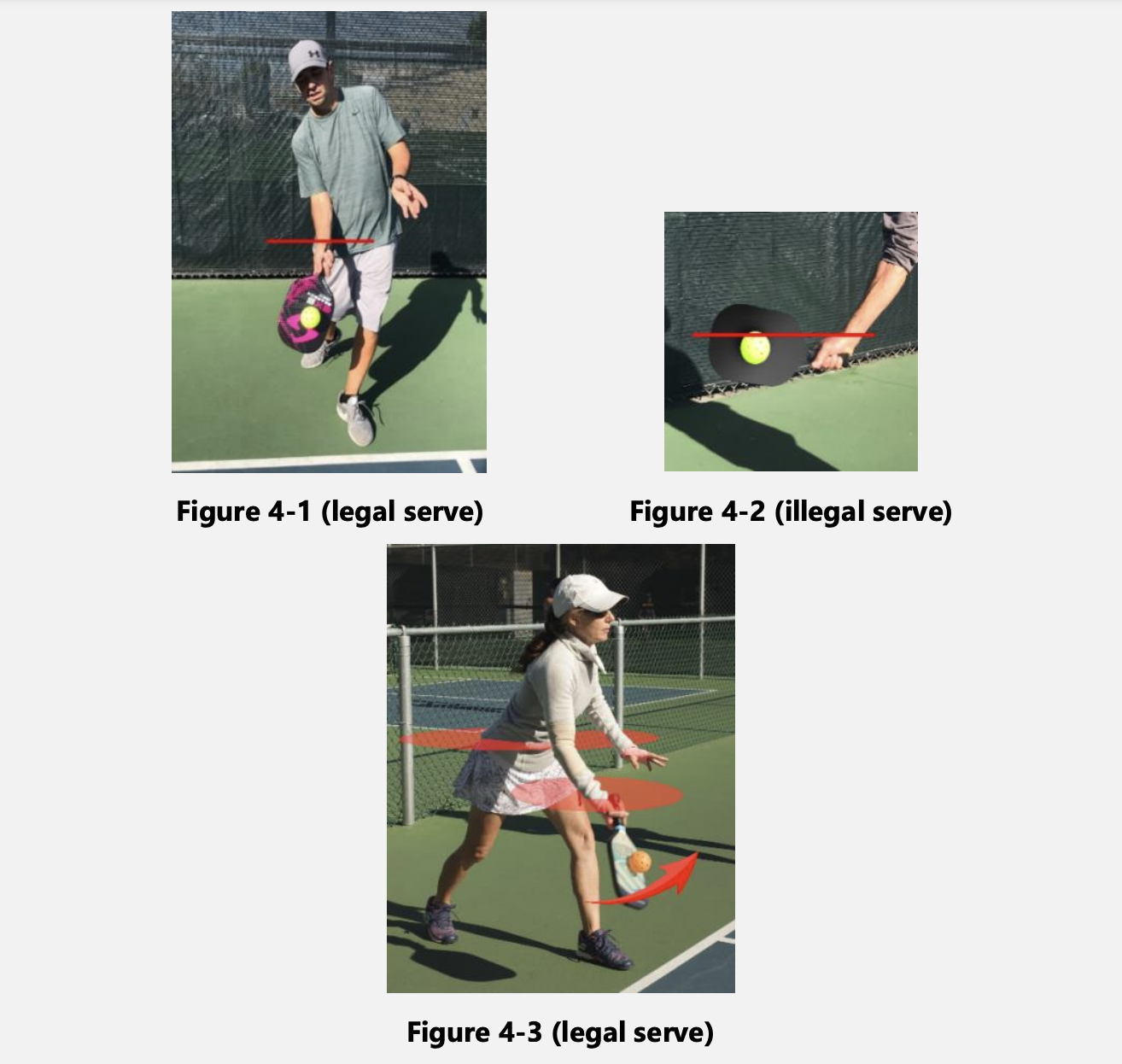
- Contact must be below your navel at impact on a volley serve.
- Keep both feet behind the baseline at contact. Do not step on the line.
- Serve to the diagonal service court. The ball must clear the kitchen and the NVZ line.
- A let serve is live. If it clips the net and lands in the box, keep playing.
- Start on the right when your score is even. Start on the left when it is odd.
- In doubles, only one partner serves to start the game. After a side out, both partners serve.
If you want fast success with pickleball how to serve, lock in these basics first. Once the rules feel easy, your consistency jumps fast.

Step-by-step: the classic volley serve
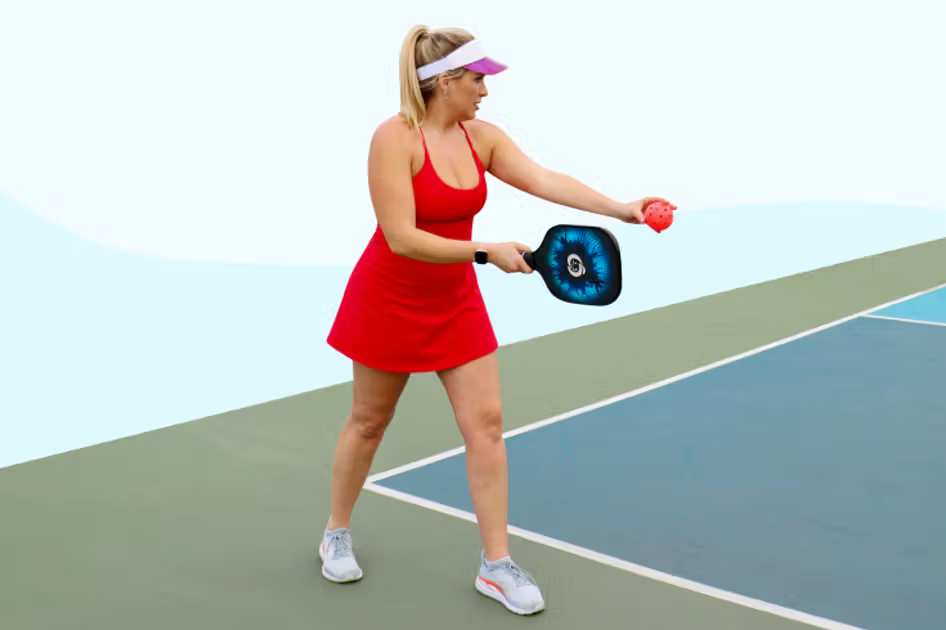
Use this when you do not drop the ball first. It is the most common method at all levels.
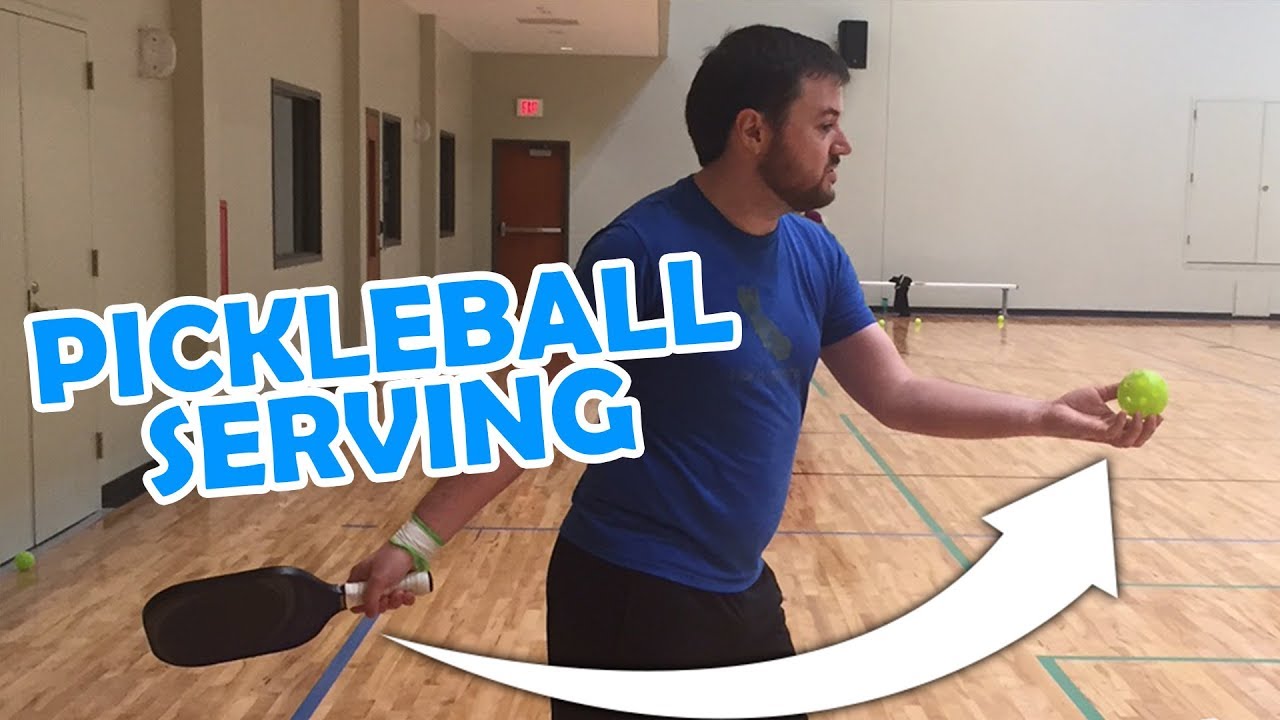
- Set up: Stand two to three feet behind the baseline. Face the target.
- Grip: Use a relaxed shake-hands grip. Keep your wrist loose.
- Stance: Place your feet shoulder-width apart. Put your front foot slightly open.
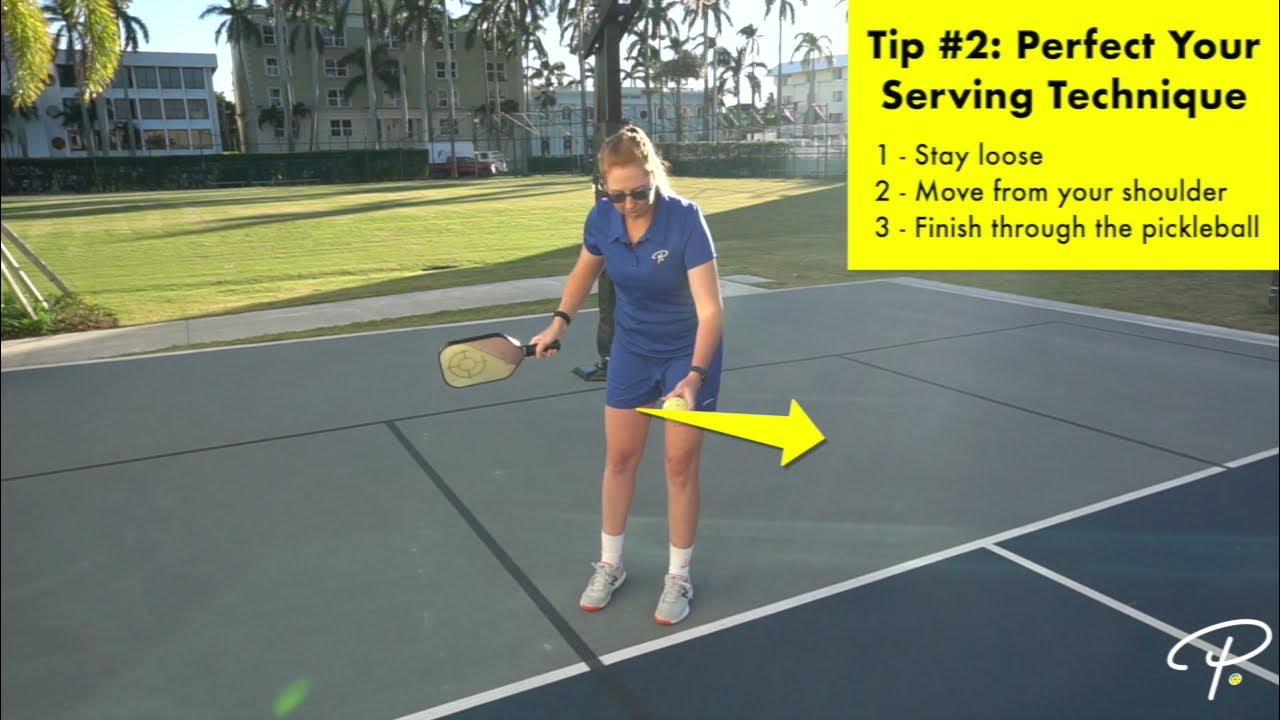
- Ball hold: Hold the ball out in front at waist height.
- Swing path: Smooth and low to high. Finish toward your target.
- Contact: Below your navel, with the paddle head below your wrist.
- Follow-through: Point your strings to your target box. Step forward only after contact.
Coach tip: Count a calm rhythm. I like “bounce, breath, brush.” That cue helps me keep the swing smooth. Many players asking about pickleball how to serve rush the motion. Slow down to speed up.
The drop serve option
The drop serve is great if you need more time or a higher contact point.
- Release the ball from one hand. Do not toss or push it up or down.
- Let it drop and bounce once.
- Hit the ball after the bounce with any stroke shape you like.
- Keep both feet behind the baseline at contact.
The drop serve removes the below-the-waist and wrist limits. It is friendly for players with shoulder issues. Many learners who search for pickleball how to serve feel safer starting with the drop serve. Try both and see which one fits your style.
Ball placement and simple strategy
A good serve is like a strong first step. You do not need aces. You want a weak return.
Aim for these high-value targets:
- Deep to the backhand. Most returns get short or high.
- Middle of the court in doubles. It creates doubt and slows angles.
- Corner of the box with medium pace. Make the returner move.
Add shape and pace in layers:
- Height: Clear the net by a safe margin. Think “window over the net.”
- Spin: A light topspin helps keep the ball in. A slice can skid low.
- Pace: Swing at 60 to 70 percent. Hit your spot first. Add speed later.
When players ask me about pickleball how to serve with power, I remind them: depth beats speed. A deep serve gives your team time to reach the kitchen line.

Avoid these common serve faults
Most faults come from the same small set of mistakes. Fix these and your serve rate climbs fast.
- Foot fault: Your toe touches the line at contact. Stand a bit farther back.
- High contact: You strike above the navel on a volley serve. Bend your knees more.
- Downward chop: Your swing goes top to bottom. Focus on an upward brush.
- Missed box: You aim too tight. Give yourself a bigger target window.
- Rushed routine: You serve fast when nervous. Use a set pre-serve ritual.
If you try to learn pickleball how to serve on your own, record your motion. A 10-second phone clip will show if your paddle path is upward and clean.

Drills to build a reliable serve
Set a timer for 10 minutes. Pick one drill at a time. Track results in a simple log.
- 20 deep serves: Land 20 balls within three feet of the baseline.
- Corner tags: Hit 10 to the backhand corner, then 10 to the forehand corner.
- Middle squeeze: Serve 20 balls down the T. Aim for the center hash.
- Height control: Place a band two feet over the net. Clear it on 20 reps.
- Pressure reps: Make five in a row to a small cone. If you miss, reset.
I show these to all new students who ask about pickleball how to serve under stress. The pressure set builds calm focus for league play.
Doubles vs. singles: serve tactics
Doubles
- Prioritize depth over pace.
- Serve to the weaker returner when legal and ethical in play.
- Use the middle to cause split-second confusion.
Singles
- Use more pace. Make the opponent run.
- Serve wide to open the court. Then attack the space.
- Mix in a body serve to jam their swing.
In both formats, pickleball how to serve is about time and space. A deep ball gives you time. Smart targets take away their space.

Gear, grip, and setup tips
Small tweaks can add free control without big swing changes.
- Paddle: A textured face can add light spin. A larger sweet spot adds forgiveness.
- Grip pressure: Keep it at 3 out of 10. Tension kills feel.
- Stance line: Set your front foot like a dart thrower. Stable and calm.
- Ball choice: Some balls fly faster in heat. Adjust your margin over the net.
- Pre-serve checklist: Score. Target. Breath. Routine. Swing.
When friends ask me pickleball how to serve without nerves, I hand them this checklist. It turns chaos into a simple habit.
Mental game and match flow
Great servers think in patterns. They also reset fast after errors.
- Scout returns. Note who chips, who drives, and who floats the ball.
- Sequence targets. For example, deep backhand twice, then surprise middle.
- Use breath cues. One deep belly breath lowers heart rate.
- Reset fast. Treat each serve as a fresh rep.
If you are learning pickleball how to serve and feel tight, use a verbal cue. I like, “Smooth to the moon.” It sounds silly, but it frees the swing.
Frequently Asked Questions of pickleball how to serve
What is the legal contact point for a volley serve?
Contact must be below the navel with an upward swing. The top of the paddle head must be below the wrist at impact.
Can my serve hit the net and still count?
Yes. If the ball clips the net and lands in the correct service box, play on. There are no let re-serves for serves.
Do both feet need to be behind the baseline?
Yes. Neither foot can touch the court on or inside the baseline at contact. You may step in only after you hit the ball.
What is the best serve target for beginners?
Aim deep and to the backhand corner. Depth gives you time, and backhands often draw weaker returns.
Should I learn the drop serve or the volley serve first?
Try both for a week. Many players start with the drop serve for comfort, then add the volley serve for speed and variety.
How fast should I swing on my serve?
Use a smooth 60 to 70 percent swing. Hit your spot first. Add pace only when your make rate is above 80 percent.
How do I reduce double faults under pressure?
Use a pre-serve routine and a bigger target. Breathe out on contact and trust a simple, upward swing path.
Conclusion
A great serve is built on simple rules, calm habits, and smart targets. Master one clean motion, aim deep, and keep your feet behind the line. With steady reps and a short routine, your serve will hold up when the score is tight.
Take this week to test two targets and one drill a day. Track your make rate and note what feels smooth. If this guide helped, share it with a partner, subscribe for more tips, or leave a comment with your biggest serve challenge.