Yes—there is a real difference between pickleball shoes and tennis shoes.
If you play on a court, your feet do a lot of work. Quick stops. Sharp cuts. Fast pivots. That is why this guide answers the big question head-on: is there a difference between pickleball shoes and tennis shoes. I test shoes on indoor gym floors and outdoor hard courts every week. You will get clear insights, real examples, and simple tips you can use today. Stick with me to learn how to pick the right pair for your game.
Is there a difference between pickleball shoes and tennis shoes? The short version
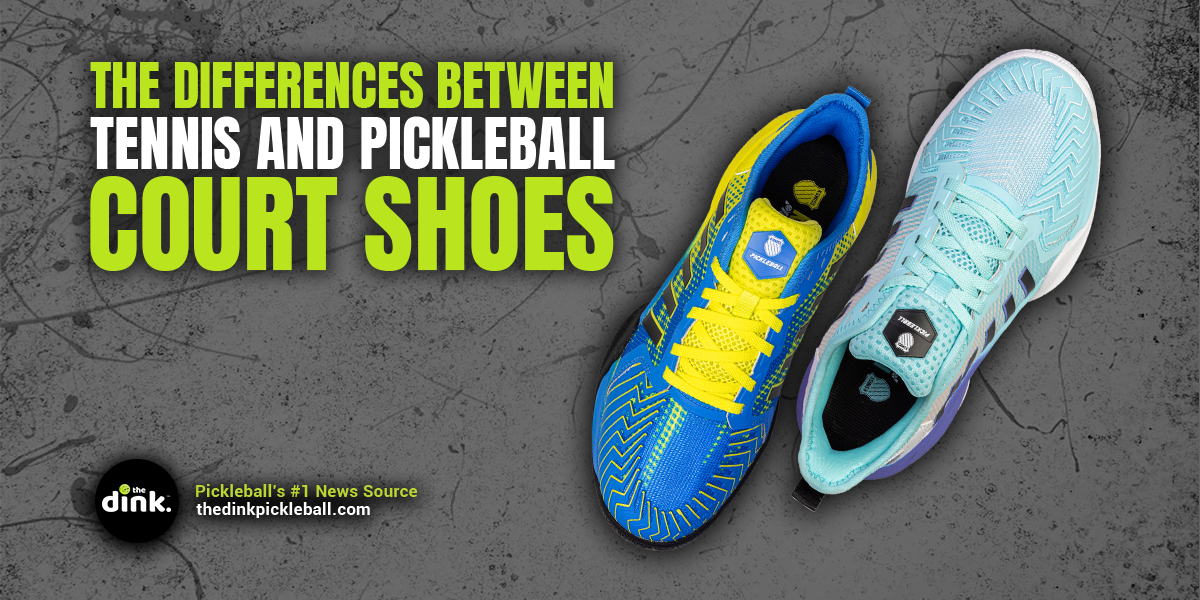
Yes, and it matters more than most people think. The sports look alike, but the movements are not the same. Pickleball has shorter sprints, more forward play at the kitchen line, and lots of split steps and pivots in tight spaces. Tennis has longer lateral runs, deeper slides on some surfaces, and heavier toe drag on serves and wide balls.
Here is what brands change for each shoe type:
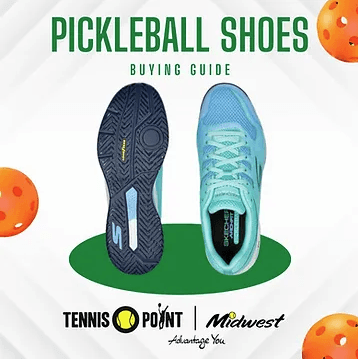
- Outsole pattern: Pickleball shoes use stickier rubber for quick stops and tight pivots; tennis shoes favor herringbone or modified herringbone for lateral grip and sliding control.
- Rubber blend: Indoor pickleball shoes often use softer gum rubber for grip on gym floors; tennis shoes use harder rubber to last on rough outdoor courts.
- Midsole feel: Pickleball shoes lean toward low-to-the-ground cushioning for fast starts; tennis shoes mix plush heel foam with a firmer forefoot for longer rallies.
- Lateral support: Both need it, but pickleball shoes often add extra torsion control to handle rapid micro-movements near the net.
- Toe drag protection: Tennis shoes usually have more drag guards for serves and wide forehands; some pickleball shoes keep it lighter to cut weight.
If you have asked yourself, is there a difference between pickleball shoes and tennis shoes, the answer is yes in all these key areas.
Movement patterns and court surfaces
Pickleball play is compact. Most points happen within a few steps of the kitchen line. You perform fast stops and short bursts. Tennis play covers more ground, and your steps stretch wider. This affects pressure points on your shoes.
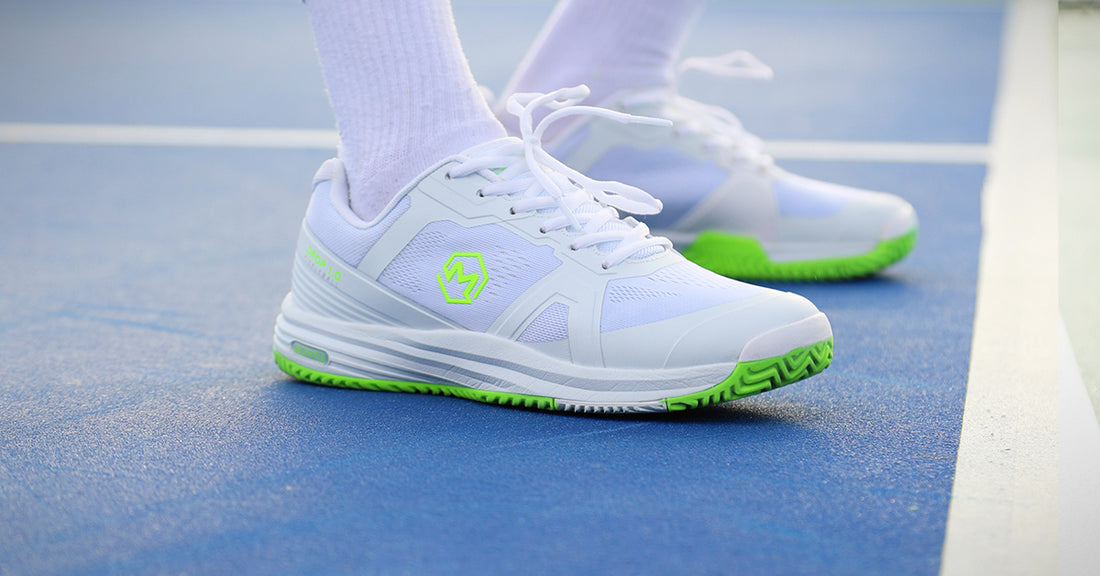
- Indoor pickleball: Smooth gym floors call for sticky gum rubber. You want grip without scuff.
- Outdoor pickleball: Acrylic hard courts chew up soft rubber. You need tougher outsoles.
- Tennis on hard courts: You need durability and a tread that lets you push off and slide a bit without slipping.
- Tennis on clay: True clay shoes use a full herringbone tread for clean release and easy clay shed.
This all ties back to the big search: is there a difference between pickleball shoes and tennis shoes. Yes, because the court and the moves shape the build.

Anatomy: what changes under the hood
I like to break it into three parts you can feel in hand.
- Outsole: Indoor pickleball shoes use softer rubber with fine pivot circles or micro-siping. Tennis shoes use firmer compounds and thicker lugs for grind and drag.
- Midsole: Pickleball shoes sit low with stable foam so you can plant and go. Tennis midsoles often give more heel cushion for long rallies and landings.
- Chassis and shank: Many pickleball models add a stiff torsion plate for side-to-side control in tight zones. Tennis plates balance flex for sprints and slides.
Ask yourself again: is there a difference between pickleball shoes and tennis shoes. When you flex the midfoot and press the sidewalls, you will feel it.
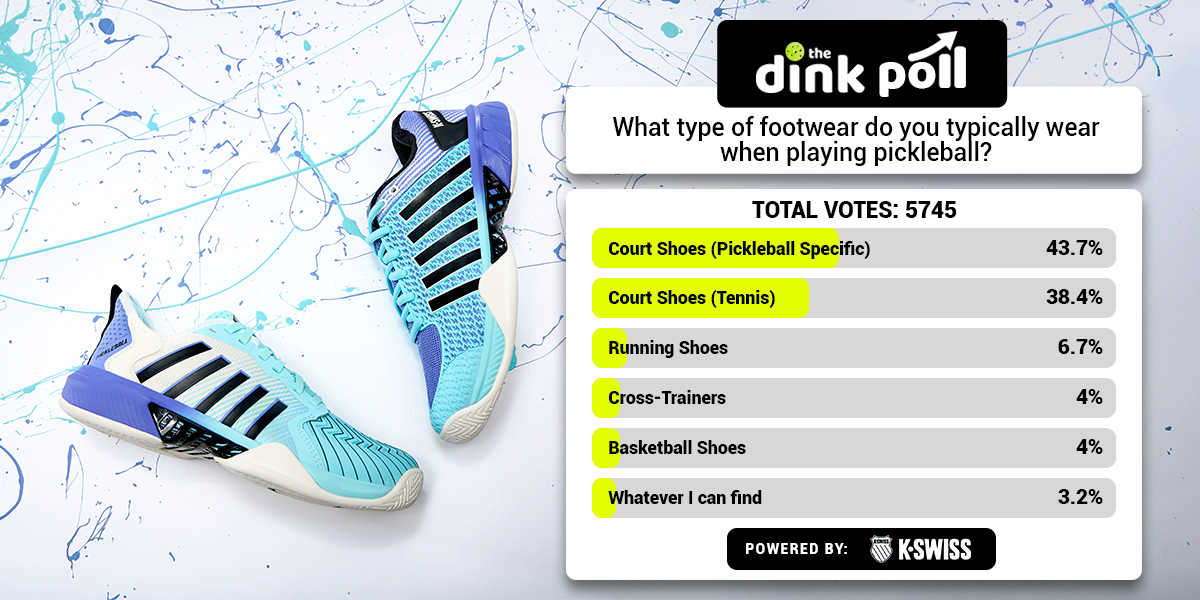
Fit, sizing, and comfort for real play
Fit can make or break your day on court. Here is what I have learned after many shoe tests.
- Length: Leave a thumb’s width at the toe to avoid jams on stops.
- Width: Pickleball shoes often fit a touch broader in the forefoot for stability. Tennis fits vary by brand.
- Lockdown: Look for a snug heel grip and a midfoot that does not swim.
- Sock choice: Thicker socks boost comfort and fill space. Thin socks improve court feel.
If you have wide feet, try brands that offer wide versions. And if you still ask is there a difference between pickleball shoes and tennis shoes, the way they fit for lateral moves is one more clue.

Injury risk and performance gains
The right shoe protects you from common pains. I see three trouble spots: ankles, knees, and heels.
- Ankles: Firm sidewalls and a stable base limit roll risk on sudden cuts.
- Knees: A good torsion plate and even cushioning ease valgus stress on quick plants.
- Heels and arches: Support under the arch and heel reduces plantar strain.
Lab tests on court shoes show that grip, torsion, and stack height affect peak forces. Lower, stable setups improve balance in pickleball. More heel cushion helps with long tennis rallies. This is another reason the answer to is there a difference between pickleball shoes and tennis shoes stays yes.
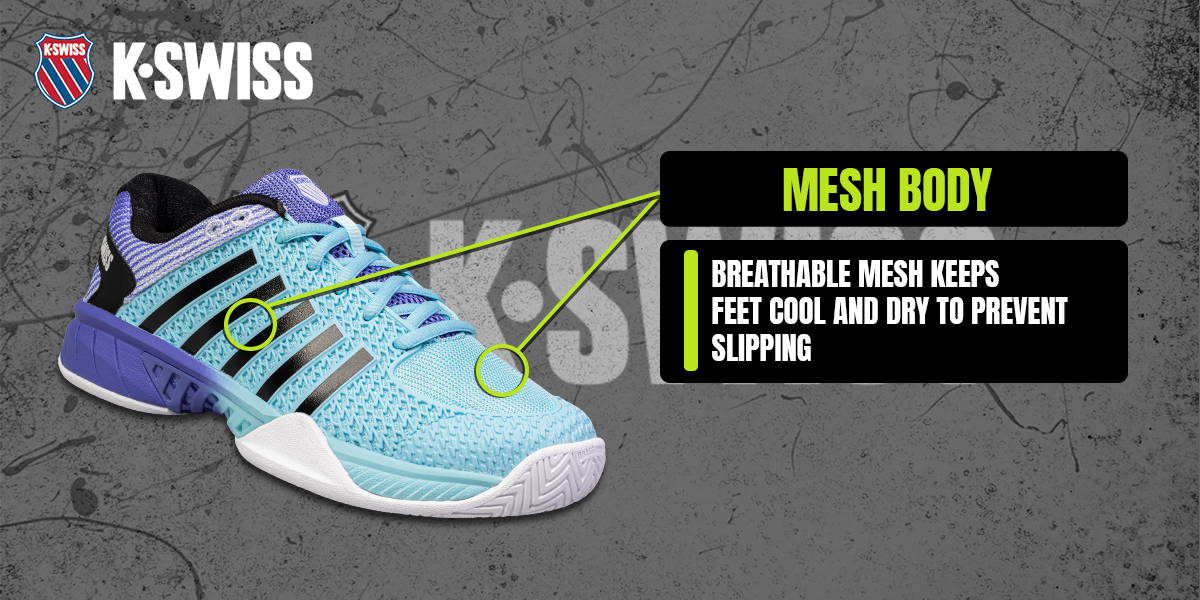
Indoor vs outdoor pickleball shoes
Indoor shoes grab the floor. They use soft gum rubber that feels sticky to the touch. They are great for gyms and wood floors. But they wear fast outside and can scuff.
Outdoor shoes need tougher rubber. They fight grit and heat on acrylic courts. They trade a bit of stick for life span. Many players use durable tennis shoes outside for pickleball and switch to indoor pickleball shoes in the gym.
If you still wonder, is there a difference between pickleball shoes and tennis shoes, try indoor gum rubber on a gym floor. Then try a hard court tennis outsole outside. You will feel the change right away.

Buying guide: how to choose the right pair
Use this simple checklist.
- Your main court: Indoor gym, outdoor hard, or both.
- Your style: Quick at the kitchen or baseline grinder.
- Cushion level: Low and fast or more plush and protective.
- Support need: Neutral or strong stability.
- Durability: Light and fast or tough and long-lasting.
- Fit: Width, toe room, and heel hold.
Smart tips:
- Try shoes late in the day when feet are a bit swollen.
- Bring your match socks and any orthotics you use.
- Test side steps, split steps, and toe drags in store.
- Replace at 40 to 80 court hours, or when tread smooths.
I learned the hard way that a soft indoor sole dies fast outside. That mistake taught me that yes, is there a difference between pickleball shoes and tennis shoes is not just a question. It is a buying filter.
Care and maintenance
A little care adds life and keeps grip strong.
- Clean soles: Brush out dust and grit after play to restore bite.
- Air dry: Pull insoles and let them dry. Heat can ruin glue and foam.
- Rotate pairs: Use two pairs if you play often. Foam needs time to rebound.
- Relace smart: Use heel lock lacing to improve hold and reduce slip.
- Inspect often: Check sidewalls and the toe for splits or delam.
These habits pay off fast, whether you choose a court shoe for tennis or pickleball. If you ask is there a difference between pickleball shoes and tennis shoes, care rules are the same, but wear patterns will differ.

Real-world examples and lessons learned
When I first played outdoor pickleball in running shoes, I slid on my first hard stop. I switched to an old pair of tennis shoes. Grip and support went up right away. But I still felt a hint of heel roll near the kitchen.
Next, I tested a dedicated outdoor pickleball shoe with a firmer shank and a lower stack. My split step felt planted. My first step got faster. My knees were happier after long sessions. Since then, I tell players who ask is there a difference between pickleball shoes and tennis shoes to try both on the same court for ten minutes each. The feel says it all.
Frequently Asked Questions of is there a difference between pickleball shoes and tennis shoes
Is there a difference between pickleball shoes and tennis shoes?
Yes. Pickleball shoes favor quick stops, tight pivots, and low profiles. Tennis shoes balance lateral grip, toe drag guards, and long-rally cushion.
Can I wear tennis shoes for pickleball?
Often yes, especially outdoors on hard courts. Make sure the shoe has strong lateral support and a tread that grips without sudden slips.
Are indoor pickleball shoes okay outside?
Not ideal. Soft gum rubber wears fast and can lose grip on dusty or gritty courts. Use harder outsoles outside.
Do I need special shoes if I only play once a week?
You can start with a solid tennis or court shoe. Upgrade to dedicated pickleball shoes if you want more grip, support, and feel.
How often should I replace court shoes?
Most players replace them every 40 to 80 hours of play. Check for smooth tread, soft sidewalls, or new aches as signs.
What if I have flat feet or orthotics?
Look for a shoe with a stable base and a firm midfoot. Remove the stock insole and use your orthotic for better support.
Are running shoes okay for pickleball?
No. Running shoes are built for forward motion and soft heel landings. They lack the side support you need on court.
Conclusion
Pick the right shoe for the right job, and your game will thank you. The answer to is there a difference between pickleball shoes and tennis shoes is a clear yes, and now you know why. Movement patterns, court types, rubber blends, and support all change how a shoe plays and how long it lasts.
Try on a pair that matches your court and style. Test cuts, stops, and pivots before you buy. Then track how your feet feel after a few sessions. Ready to dial in your setup? Explore more guides, ask a question in the comments, or subscribe for fresh gear tips.