The 10 rules of pickleball cover serve, scoring, kitchen, bounces, faults, and fair play.
If you are wondering what are the 10 rules of pickleball, you are in the right place. I teach new players every week, and I know what causes confusion. Here, I break down what are the 10 rules of pickleball in plain words with real examples. You will walk away confident and ready to play smarter and safer.

The 10 rules of pickleball explained
New players often ask, what are the 10 rules of pickleball? These rules shape every rally, call, and point. I will explain each rule, share a simple example, and add a tip I use when coaching.
Rule 1: Court lines and “in” versus “out”
Most lines are in. The sideline and baseline count as in. The non-volley zone line is different on the serve. A serve that touches the non-volley zone line is short and a fault.
Example: Your serve hits the kitchen line and lands in. That is a fault. If it lands on the baseline instead, that is in.
Tip: If you ask what are the 10 rules of pickleball, start here. Learn the kitchen line exception first.
Rule 2: Legal service motion
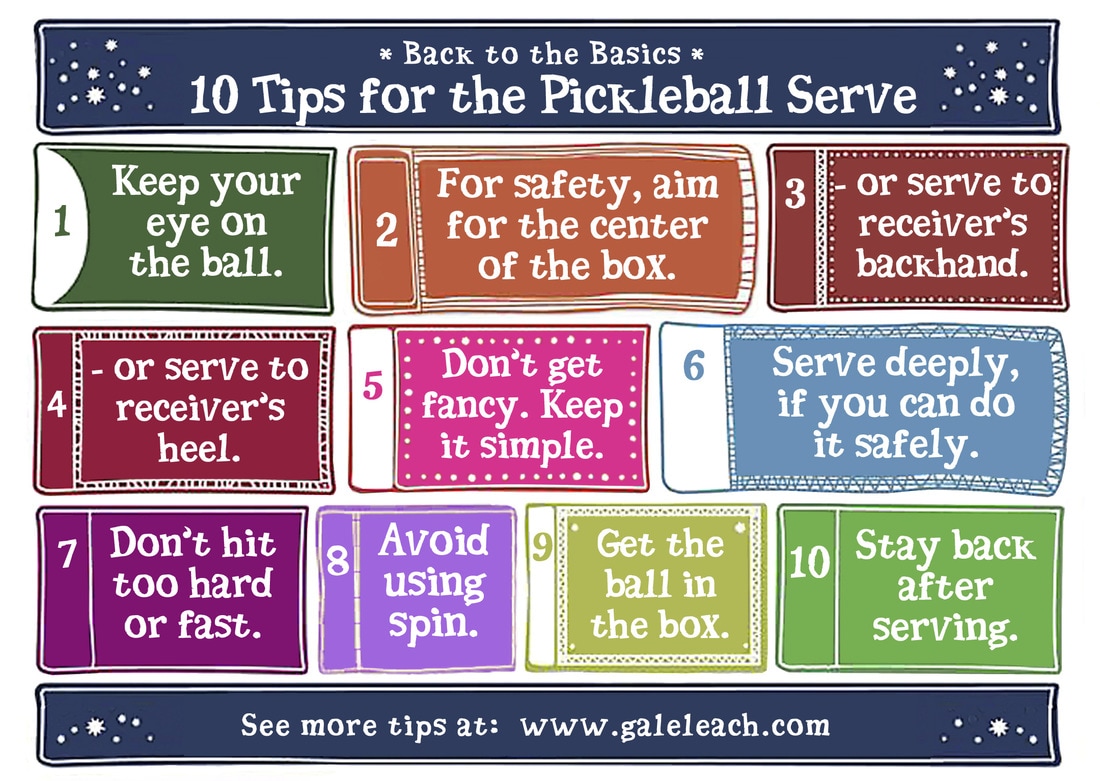
Use an underhand motion. Strike the ball below your waist. Your paddle must move in an upward arc at contact. You must start with both feet behind the baseline. Do not touch the court or the line during contact.
Drop serve option: You may drop the ball and hit it after it bounces. You cannot toss it up or add force. With a drop serve, the upward arc rule does not apply, but contact must still be clean.
Tip: Keep your wrist relaxed and brush up. A smooth lift gives you a consistent serve.
Rule 3: Serve crosscourt and call the score
Serve to the opposite diagonal box. The ball must clear the net and the kitchen. Call the full score before you hit the serve. In doubles, say server score, receiver score, then server number.
Example: You call 5-3-1, then serve from right to right. If you forget to call the score, stop, call it, and reset.
Tip: Saying the score out loud settles nerves. It also prevents disputes.
Rule 4: Service order in doubles and singles
In doubles, both partners get a turn to serve, then it is a side out. At the start of the game, only one person serves on the first team. That is why the game begins at 0-0-2. After that, both partners serve each turn.
In singles, the server stands on the right when their score is even, and on the left when it is odd.
Tip: I draw a tiny dot on my paddle to remind me when I am Server 1. It helps in loud gyms.
Rule 5: Scoring and win conditions
Only the serving team can score points. Standard games go to 11, win by 2. Some matches go to 15 or 21, win by 2. Tournament formats may vary.
If you want to master what are the 10 rules of pickleball, lock this in. Scoring drives your serve strategy and court position.
Tip: After a side out, reset your mind. Your aim is simple: get the serve back and then score in bunches.
Rule 6: The two-bounce rule
After the serve, the ball must bounce once on each side before you can volley. The receiver must let the serve bounce. The server’s team must let the return bounce. Only then are volleys allowed.
If you ask what are the 10 rules of pickleball, this rule prevents serve-and-rush tactics. It makes rallies fair and longer.
Tip: I say “bounce-bounce” in my head. It keeps me from charging too soon.
Rule 7: The non-volley zone (the kitchen)
Do not volley while in the kitchen or touching its line. Momentum counts. If you volley and then fall into the kitchen, it is a fault. You may enter the kitchen to play a ball after it bounces, then leave before your next volley.
Example: You step in, dink a ball that bounced, then step back out. Now you can volley again.
Tip: Keep your toes light on the line. I practice split steps just outside the zone.
Rule 8: Faults that end the rally
A fault ends the rally for the team that commits it. Common faults include:
- Hitting the ball out or into the net
- Volleys before the two bounces are complete
- Foot faults at the baseline on the serve
- Volleying while in the kitchen
- Double hits that are not one continuous motion
- The ball touching you or your partner’s body or clothing
- The ball hitting a permanent object before landing in
If you are learning what are the 10 rules of pickleball, study these first. Most points end on simple faults, not winners.
Tip: Clean contact beats power. Aim high over the net strap and give yourself space.
Rule 9: Line calls and no service lets
Players call lines on their own side. Give your opponents the benefit of the doubt. If you are not sure, the ball is in. On serves, there are no lets. If the serve hits the net and lands in the correct box past the kitchen, play continues.
This is a key part of what are the 10 rules of pickleball and builds trust.
Tip: Point to where it landed and say your call. Clear, calm calls defuse tension.
Rule 10: Dead balls, replays, and hindrance
A rally stops for a clear hinder such as a stray ball rolling on the court. Call “ball on” and replay the point. If a distraction comes from your side, it is often your fault. If an injury or safety risk appears, stop play at once.
Some event details vary by league and tournament. Always check the current rulebook for updates.
Tip: I would rather replay than risk a twisted ankle. Safety first, pride later.
When friends ask me what are the 10 rules of pickleball, I share these and add one more note: rules evolve each year. Review updates before league season.
Scenarios and examples from real matches
Here are real spots where players get tripped up, and how to fix them.
- Kitchen momentum: You hit a put-away near the net. Your paddle carries you forward into the kitchen. That is a fault. Solve it by landing wide and back, not forward.
- Two-bounce rush: You return serve and rush in. The ball floats. The server’s partner volleys it. You think it is a fault. It is not. Your team must let the next ball bounce.
- Serve to the wrong box: You serve left to left. That is a fault. Breathe, call the score, and aim crosscourt.
- Baseline foot fault: You drag your toe on the line during your serve. That is a fault. Start a half step back to build space.
- No service lets: Your serve clips the tape and drops in the back half. Keep playing. No pause, no redo.
If a new player asks what are the 10 rules of pickleball, I run these five clips first in practice. They stick fast.
%20(1).webp)
Quick reference checklist
Use this list before your next match.
- Lines: All lines are in, except the kitchen line on the serve.
- Serve motion: Underhand, contact below waist, start behind baseline.
- Serve target: Crosscourt, call the score first.
- Order: 0-0-2 to start. Both partners serve after each side out.
- Points: Only the serving team scores. Win by 2.
- Two bounces: Serve and return must bounce.
- Kitchen: No volley while in or touching the zone or its line.
- Faults: Out, net, early volley, foot faults, body contact, double hit.
- Line calls: Call your side. Benefit of doubt to opponents. No service lets.
- Dead balls: Stop for hinders. Replay when safety is at risk.
Keep this nearby if you are still learning what are the 10 rules of pickleball.

Training tips to master the rules
I use these drills with beginners to turn rules into habits.
- Shadow serves: Practice the call-out. Say the score, step, and swing. Record yourself for 10 reps.
- Bounce-bounce drill: With a partner, serve and return only. No third shot allowed. Train patience.
- Kitchen line dance: Split step just outside the line. Catch a tossed ball without stepping in. Add volleys after.
- Footwork box: Tape a 3-by-3 foot square outside the kitchen. Land all put-away volleys inside it to stop forward drift.
- Call-and-pause: Play points and freeze at every close line ball. Each player makes a call, then discuss. Build fair calls.
If you teach others what are the 10 rules of pickleball, blend these into warmups. They are simple and fast.
Frequently Asked Questions of what are the 10 rules of pickleball
What is the most common beginner fault?
Stepping into the kitchen after a volley. The fix is to land wide and back, and only step in after a bounce.
Do I get a second serve if I miss?
No. There is only one serve attempt in pickleball. In doubles, your partner gets the next turn to serve when it is their time.
Is a net-cord serve good?
Yes, if it lands in the correct service box past the kitchen line. There are no service lets.
Can I volley while standing on the kitchen line?
No. The line is part of the non-volley zone. If you touch it during a volley, it is a fault.
How do I know where to stand in singles?
Serve and receive from the right when your score is even. Use the left when it is odd.
Who calls the lines?
Each side calls lines on their half. If in doubt, call the ball in for fairness.
Conclusion
You now know what are the 10 rules of pickleball and how they shape every point. Learn the kitchen, master the two-bounce rule, and keep your serve simple and steady. Small, steady habits beat raw power.
Take this guide to the court this week. Share it with a partner and run the drills for 15 minutes. Want more? Subscribe for weekly tips, new rule updates, and match-ready practice plans.