The best pickleball paddles balance control, spin, power, comfort, and build quality.
If you want a paddle that makes your drops feel easy, your drives pop, and your arm stay happy, you’re in the right place. I test paddles weekly, coach players from beginner to 5.0, and track new tech as it hits the court. Below, I break down what are the best pickleball paddles for every budget and style, with clear picks, simple buying tips, and real-world notes you can trust.

How I test and pick paddles
I judge paddles by how they play in real games, not just specs on paper. I look at control on third-shot drops, spin on rolls and flicks, power on drives, reach at the kitchen, and comfort after two hours of play. I also check swing weight and balance, because how heavy a paddle feels in motion matters more than the number on a scale.

I rotate through 50+ paddles each season and compare notes across levels. I confirm if a model is USA Pickleball approved and pay attention to build trends like thermoforming and raw carbon faces. Independent tests show raw carbon faces tend to grip the ball better, which helps with spin and control. If a paddle is great but harsh on the arm, I say so. If it needs lead tape to shine, I share the setup.
Quick picks: best paddles right now
Here’s the short list if you want to know what are the best pickleball paddles today for most players and use cases.

- Best overall for most players: Six Zero Double Black Diamond Control 16. Plush feel, easy spin, very stable. Great for doubles control with enough put-away power.
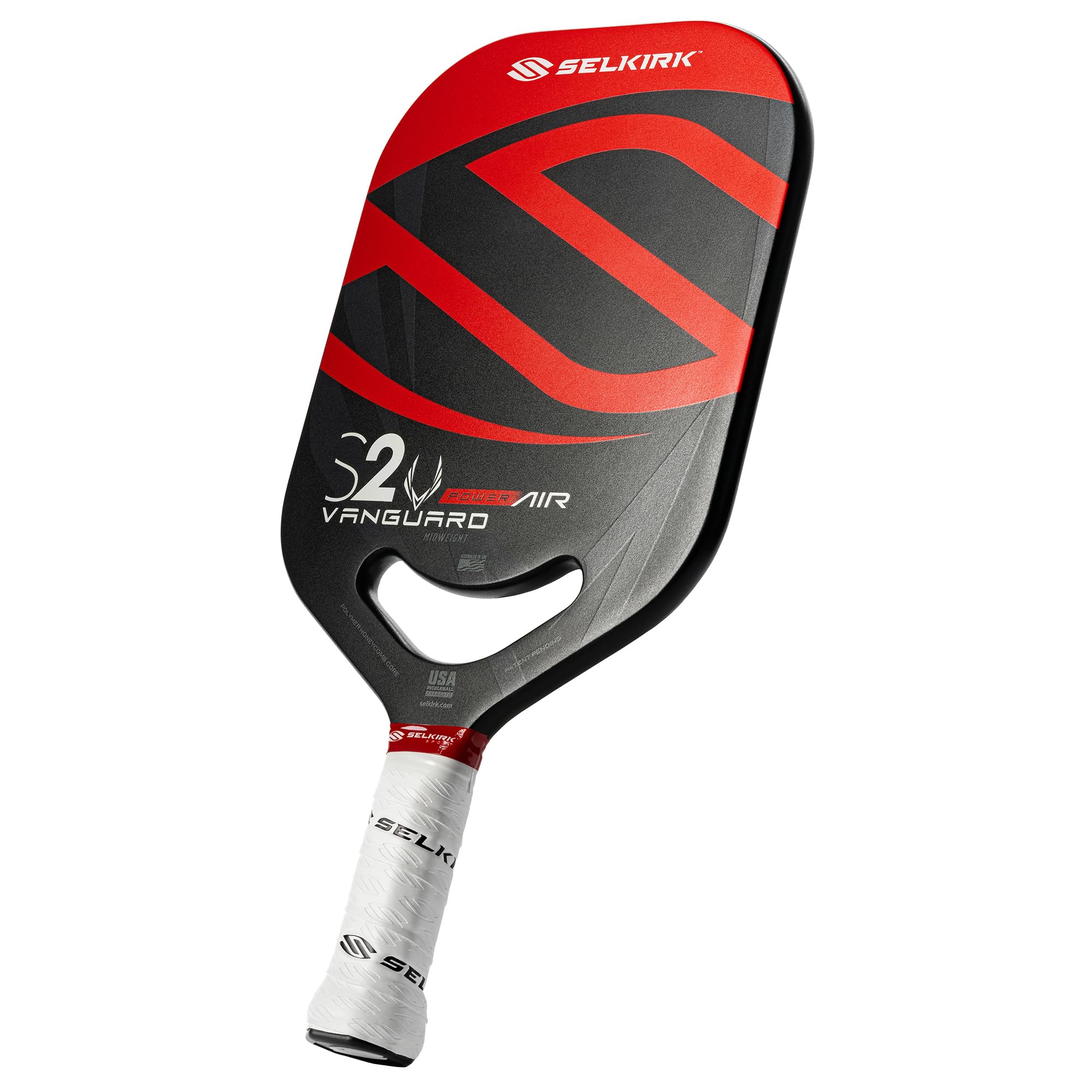
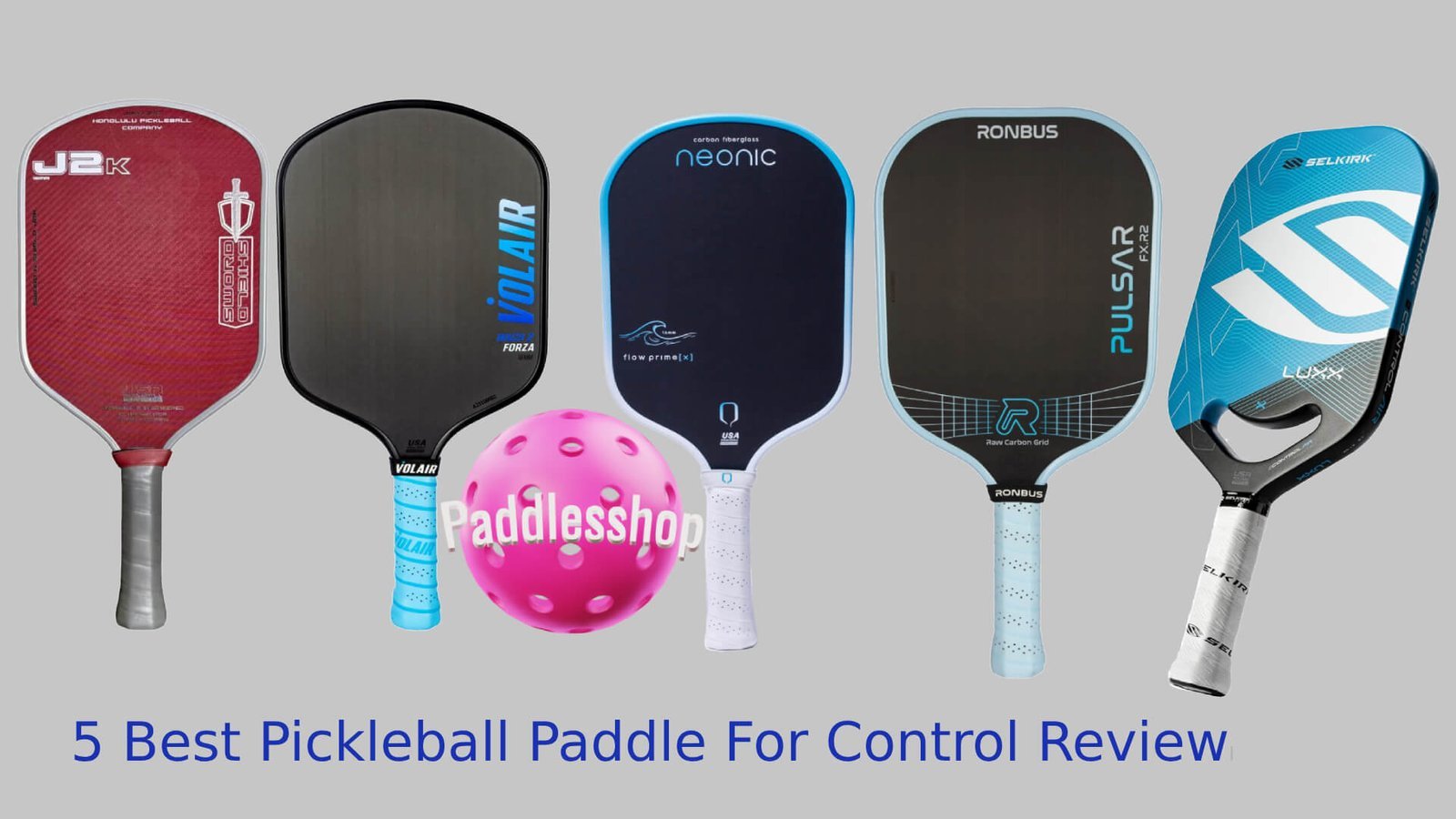
- Best control: Selkirk LUXX Control Air (S2 or Invikta shape). Big sweet spot, soft touch, and predictable resets.
- Best power: JOOLA Perseus 16 or Selkirk Power Air Invikta. Explosive drives and serves with strong spin. Suits singles and aggressive doubles.
- Best spin: CRBN 1X/2X Power Series and Vatic Pro PRISM Flash. Raw carbon faces bite the ball and reward topspin technique.
- Best value under $100: Head Radical Elite and Onix Z5 Graphite. Durable, friendly, and ideal for rec play and first upgrades.
- Best for beginners: Paddletek Phoenix G6 and Selkirk SLK Evo Control. Big sweet spots and forgiving feel while you build touch.
- Most arm-friendly: ProKennex Black Ace Ovation/Pro and Gearbox Pro Control. Excellent shock damping for elbow and shoulder comfort.
- Best for singles: Electrum Model E 16 and JOOLA Hyperion CFS 16. Long reach, easy depth on serves and groundstrokes.
- Best for doubles kitchen play: Engage Pursuit Ultra 16 and Paddletek Tempest Wave Pro 2. Superb touch with reliable counters.
- Best for small hands or juniors: Selkirk SLK Halo JR and JOOLA Radius with small grip. Lighter and easier to swing.
- Best for quiet communities: Gearbox Pro Control and ProKennex Ovation Speed II. Lower acoustic footprint; still check HOA lists.
Tip: If you came here asking what are the best pickleball paddles for you, pick by play style first, then budget, then grip size.
Buyer’s guide: how to choose the right paddle
Choosing what are the best pickleball paddles starts with fit, not hype. Your paddle should match how you win points and how your body feels after a long session.

Weight and swing weight
A 7.5–8.5 oz paddle is common. But swing weight tells you how heavy it feels in motion. Lower swing weight helps quick hands at the kitchen. Higher swing weight adds plow-through on drives and blocks. If your wrist or elbow hurts, go lighter or shift weight to the handle.
Shape and reach
Standard shapes are easier to maneuver. Elongated shapes add reach and power for singles and counters, but can feel slower up close. If you often miss off the edge, choose a wider face.
Core thickness and feel
Thicker cores (16 mm) feel softer and help control. Thinner cores (13–14 mm) feel livelier and add pop. Honeycomb polymer is the norm; foam-injected edges boost stability but can feel stiff.
Face materials and spin
Raw carbon fiber grips the ball best for many players. It helps topspin and slice. Fiberglass adds pop and power but can be less spinny. Composite blends try to balance both.
Handle length and grip size
Longer handles help two-handed backhands. Short handles improve maneuverability. Grip size matters for comfort; small grips allow wrist action and spin, but too small can strain the arm. Try overgrips to fine-tune.
Balance, stability, and sweet spot
Heads-up paddles feel more powerful. Even balance feels neutral. Good stability means fewer wobbles on off-center hits. If your blocks twist, look for higher stability or add lead tape at 3 and 9 o’clock.
Build trends: thermoforming and edge foam
Thermoformed paddles with raw carbon are hot right now. They bring power and spin, plus better edge stability. They can feel stiffer, so pair with a soft ball if your arm is sore. Always confirm USA Pickleball approval and check for warranty support.
Best paddles by player type
If you want to know what are the best pickleball paddles for your level, start here.

Beginners and improving players
- Paddletek Phoenix G6: Easy control and a friendly feel.
- Selkirk SLK Evo Control: Big sweet spot and light swing for quick hands.
- Onix Z5 Graphite: Proven choice with solid durability and value.
Focus on control first. Your touch at the kitchen will win more points than raw power.
Intermediate players
- Six Zero Double Black Diamond Control 16: Soft but stable, with strong spin.
- CRBN 1X or 2X Power Series: Great topspin and pop for passing shots.
- Vatic Pro PRISM Flash: Budget-friendly raw carbon that plays above its price.
Look for spin and stability as you add more offense to your game.
Advanced and tournament players
- JOOLA Perseus 16: Heavy spin and power with a modern sweet spot.
- Selkirk Power Air Invikta: Big power for counters and drives.
- Electrum Model E 16: Elongated reach with dependable control.
At this level, what are the best pickleball paddles are the ones that amplify your strengths but don’t punish your misses.
Arm-sensitive or injury recovery
- ProKennex Black Ace Pro/Ovation: Kinetic tech reduces shock and vibration.
- Gearbox Pro Control: Solid-core feel that is kind on joints.
- Paddletek Tempest Wave Pro 2: Thick core comfort with soft touch.
Comfort beats marginal power gains if your body needs a break.
Why these paddles stand out
You asked what are the best pickleball paddles, and these models win because they do the little things right. They keep mishits playable. They hold spin late into a session. They dampen shock on hard counters. Build quality and warranty support also matter, especially with newer thermoformed designs.
What I see on court is clear. Players who switch to a stable, spin-friendly paddle improve their third shots fast. Their dinks sit lower. Their rolls dip at the feet. Even without changing swings, the right face texture and balance add control you can feel.
Real-world tips from coaching and playtesting
I’ve made almost every paddle mistake so you don’t have to. Here are the lessons that stick.

- Match paddle to play style. Counterpunchers like softer 16 mm cores. Bangers may love thermoformed power.
- Respect swing weight. If your hands feel late at net, reduce swing weight or shorten the shape.
- Use lead tape with purpose. A little at 3 and 9 improves stability. Add to the handle to keep it whippy.
- Don’t chase only spin. If resets fly high, pick a softer face and thicker core.
- Check approval lists. Some bargain paddles are not USA Pickleball approved for events.
- Protect your arm. If you feel elbow pain, try ProKennex or Gearbox, soften your grip, and play with softer balls.
Maintenance, lifespan, and value
Even the best gear needs care. To keep what are the best pickleball paddles performing, clean the face with a damp cloth, not harsh cleaners. Replace overgrips often. Store out of hot cars; heat can weaken glue lines and edges.
Expect 6–18 months of peak performance if you play a few times per week. Raw carbon texture can smooth with heavy use. If spin drops or dead spots appear, it may be time to replace. Save your old paddle as a backup for rainy or cold days.
Budget guide: getting the most for your money
You can get a very good paddle without overspending. If you wonder what are the best pickleball paddles under $100, look for proven shapes, polymer cores, and decent warranties.
- Under $80: Head Radical Elite, Onix Z5 Composite. Great for rec play.
- $80–$130: Vatic Pro PRISM, Selkirk SLK Halo series. Strong spin and control at a fair price.
- $150–$250: Six Zero, CRBN, JOOLA, Selkirk Vanguard and Power Air lines. Top-tier performance and materials.
Think value over price. A paddle that fits your game saves lessons, injuries, and frustration.
Common mistakes to avoid
These traps slow growth for many players asking what are the best pickleball paddles.
- Buying by hype alone. A pro’s paddle may not fit your hands or timing.
- Ignoring grip size. Too small or too big can strain the arm and reduce touch.
- Overpowering early. Power is fun, but control and resets win at the kitchen.
- Skipping demo time. Try a friend’s paddle or attend demo days before you buy.
- Forgetting balls matter. A softer ball can fix control issues with stiff power paddles.
Sample setups I recommend
Here are simple, tested setups you can copy. They work for a wide range of players who ask what are the best pickleball paddles for real match play.
- Control-first doubles: Six Zero DBD Control 16 with 1–2 grams lead at 3 and 9, tacky overgrip.
- Power baseliner or singles: JOOLA Perseus 16, 2–4 grams lead at 12, thin overgrip for wrist snap.
- Arm-friendly all-court: ProKennex Black Ace Ovation, no lead, cushioned overgrip, softer ball on hard courts.
- Budget value: Vatic Pro PRISM Flash stock, add overgrip; it punches well above price.
- Touch specialist: Engage Pursuit Ultra 16, light handle weight for fast hands, thin overgrip.
How to test a paddle in 10 minutes
Fast test if you want to decide what are the best pickleball paddles for you without guesswork.
- Dinks and drops. Do 20 crosscourt dinks, then 10 third-shot drops. Note launch height.
- Topspin rolls. Hit 10 rolls and see if the ball dips at the feet.
- Blocks and counters. Have a partner drive hard. Check stability on mishits.
- Serves and returns. Look for depth and spin without over-swinging.
- Comfort check. Shake out your hand and elbow. Any hot spots? If yes, try a softer build.
Frequently Asked Questions of what are the best pickleball paddles
What makes a paddle one of the best?
The best paddles balance control, spin, and power while staying comfortable. A big sweet spot and stable feel help you win more points with fewer errors.
Are raw carbon paddles always better?
Not always. Raw carbon helps spin and control, but some players prefer fiberglass or hybrid faces for extra pop and a livelier feel.
What weight should I choose?
Most players like 7.8–8.3 oz. If you want faster hands, go lighter; if you want stronger blocks and depth, go a bit heavier or add lead tape.
Do I need an elongated paddle?
Elongated paddles add reach and power, great for singles and counters. If you struggle at the kitchen, a standard shape can feel faster and more forgiving.
How long does a good paddle last?
For regular play, expect 6–18 months of strong performance. Texture can fade and cores can soften; replace when control or spin drops.
Are expensive paddles worth it?
Often, yes, for players who can feel the difference in spin, stability, and comfort. But many mid-priced paddles now deliver excellent value and performance.
What about USA Pickleball approval?
If you play events, the paddle must be approved. Check the official list before you buy, as some budget models are not listed.
Conclusion
If you came here wondering what are the best pickleball paddles, the answer depends on your style, swing, and comfort. Pick for control first, then add power as your touch improves. A paddle that fits you today will speed your progress far more than a flashy spec sheet.
Ready to level up? Try two or three of the picks above, note how they feel in real points, and choose with confidence. If this guide helped, share it with a partner, subscribe for new gear breakdowns, or drop a question and I’ll help you dial in the perfect setup.