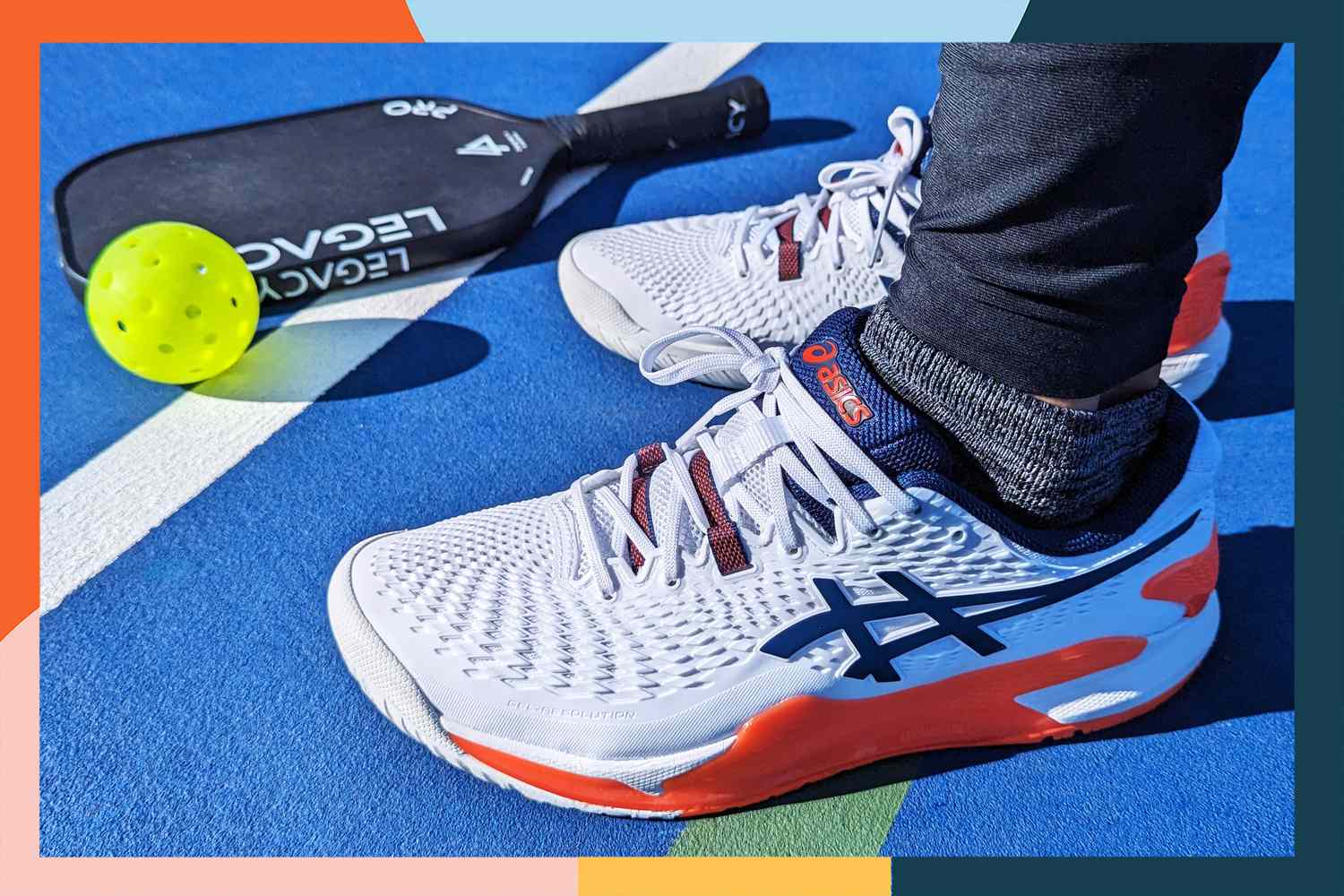
The best pickleball shoes blend firm lateral support, tacky grip, and stable, shock-absorbing cushioning.
If you want clear, real answers to what are the best pickleball shoes, you are in the right place. I test shoes on indoor wood and outdoor acrylic courts, compare traction, and track hours to failure. This guide breaks down what works, what does not, and how to pick the right pair for your feet and your game. Read on to learn what are the best pickleball shoes for your needs and budget.

How to judge what are the best pickleball shoes
Start with grip. Outdoor courts need a durable rubber with a herringbone or modified herringbone tread. Indoor wood needs a softer, non-marking sole that grips without sticking too much. If you slide on defense, look for a smoother forefoot edge. If you stop hard at the kitchen, you want a sharper tread.
Next is stability. A wide base, strong heel counter, and a midfoot shank help stop ankle rolls. Sports podiatry research links better lateral support with fewer inversion injuries. I look for a shoe that resists twisting when you try to bend it in the middle.
Cushion matters, but balance is key. Too soft can feel comfy, yet unstable on quick cuts. A firm, responsive midsole with a slight heel-to-toe drop protects your joints and keeps you quick. If you have knee or heel pain, add more cushion and a supportive insole.
Fit is make or break. Your longest toe needs a thumbnail of space. Wide feet do well with a roomy forefoot. Narrow heels need a locked-in collar. Breathable uppers help on hot courts. Reinforced toes help if you drag on low dinks.
Durability varies by surface and your style. Outdoor play wears the outsole fast. Indoor play wears the upper and toe. Track your hours. Many players need a new pair every 60 to 100 hours. That is normal for court shoes.
If you need a simple rule for what are the best pickleball shoes, choose grip that matches your court, stable sides, and a fit that hugs your heel and frees your toes.
Top picks: what are the best pickleball shoes right now
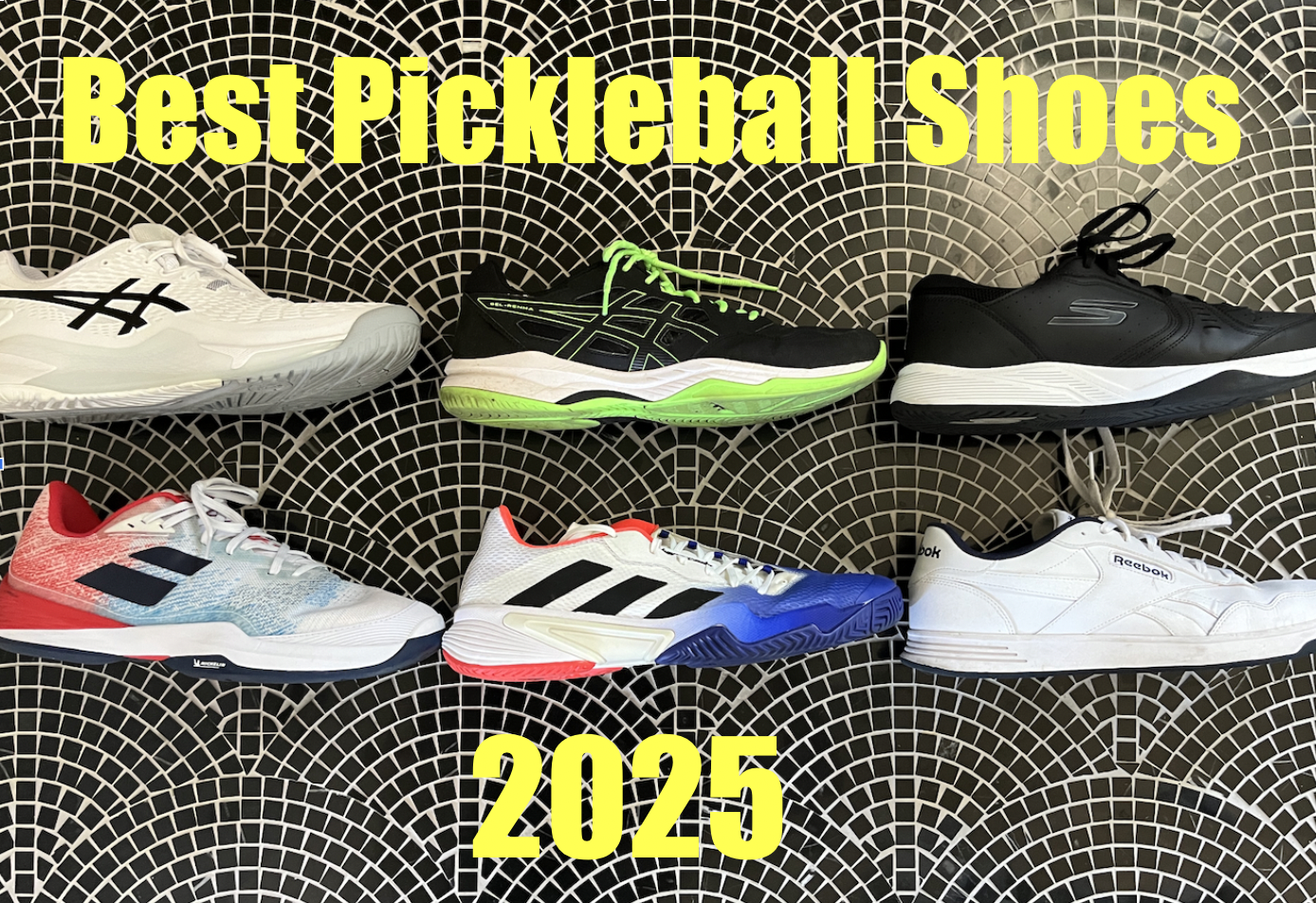
I group picks by use case. Fit can vary, so try two sizes if you can. My picks come from hands-on play and feedback from students and league players.
Overall best for most players
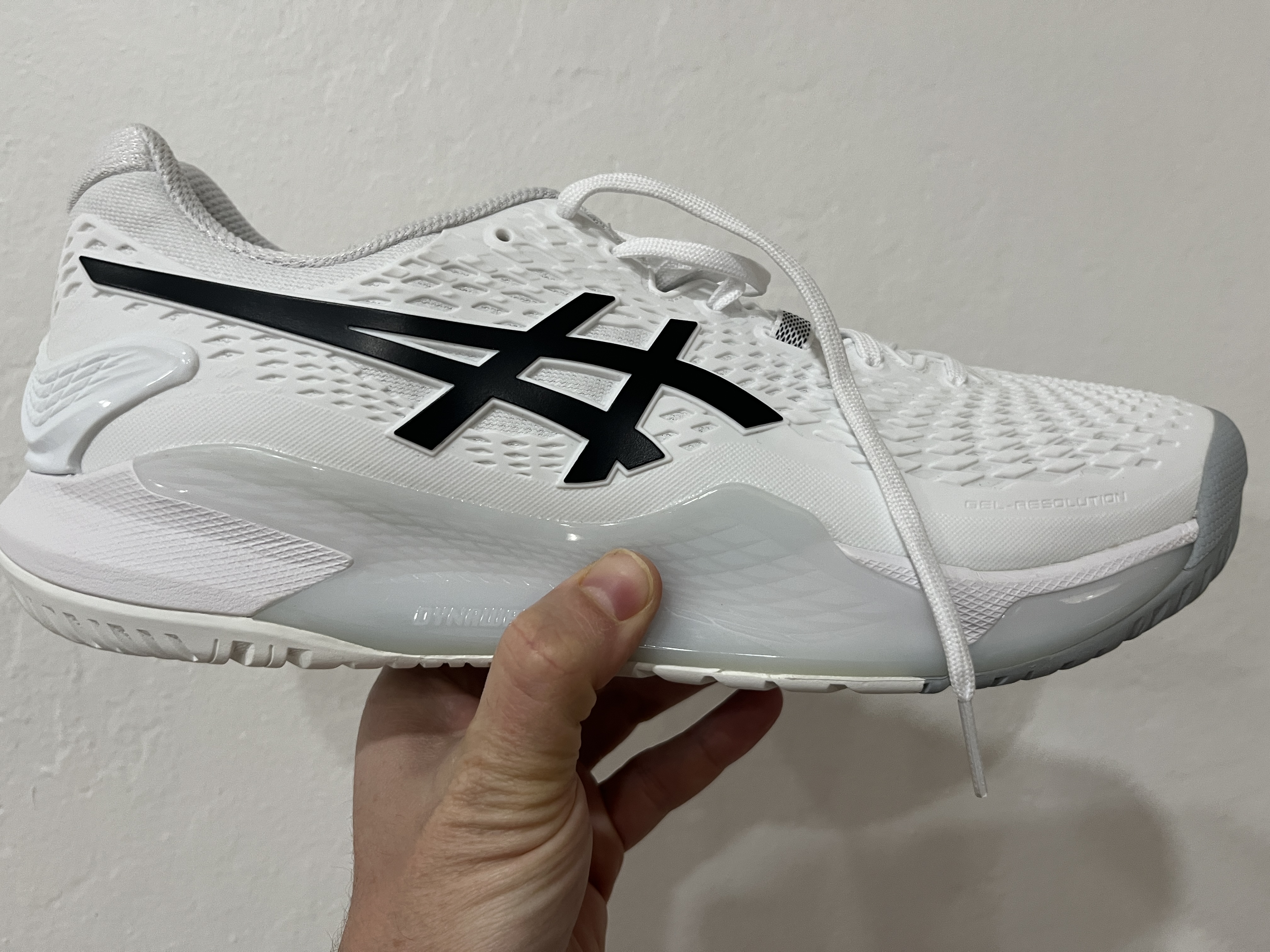
- Asics Gel-Resolution 9 Stable, durable, and great heel hold. Good for outdoor courts.
- K-Swiss Hypercourt Express 2 Pickleball Light, roomy forefoot, easy break-in. Nice for comfort and speed.
- Skechers Viper Court Pro Plush feel with a steady base. Solid grip and great value.
Best for indoor courts
- Mizuno Wave Momentum 2 Non-marking, grippy gum-like sole. Stable for side steps.
- Asics Netburner Ballistic FF 3 Fast and supportive. Good for quick resets at the kitchen.
Best for outdoor durability
- Babolat Propulse Fury 3 Strong outsole and toe drag guard. Built for harsh courts.
- Wilson Rush Pro 4.0 Secure heel and sturdy midfoot shank. Reliable traction.
Best cushioned options for joint comfort
- New Balance Fresh Foam X 1007 Court Soft landings with a stable platform. Works for long sessions.
- Yonex Eclipsion 4 Good balance of bounce and support. Nice for achy knees.
Best for wide feet
- K-Swiss Express Light 3 Pickleball Roomy and stable. Easy to like on day one.
- New Balance 806 Classic fit with strong support. A go-to for orthotics.
Best budget
- Asics Gel-Rocket 11 Affordable indoor pick. Non-marking and grippy on wood.
- Head Revolt Court Entry-level outdoor pair with good traction per dollar.
These picks reflect how I answer what are the best pickleball shoes for different feet, courts, and play styles. Always choose fit first, then pick the feature set that supports your game.

Match shoes to your play style and foot type
Your game tells you what you need. Power players who crash the kitchen need a firm, stable base. Dink-heavy players who shuffle and split step need sure grip and smooth edges for tiny moves. If you like to slide, pick an outsole that allows a safe, short slide on your court.
Use this quick map:
- Quick cuts and hard stops Choose strong lateral support and a wide base.
- Long rallies and joint care Pick more cushion and a padded heel.
- Hot, humid play Seek mesh uppers and moisture-wicking liners.
- Toe drag on backhand dinks Look for reinforced toe caps.
- Flat feet or orthotics Choose removable insoles and a stable midfoot.
- Narrow heel and wide forefoot Try a shoe with a sculpted heel and roomy toe box.
This is the real path to what are the best pickleball shoes for you. Match features to your moves and your feet.
What my on-court testing found
I log hours on both indoor and outdoor courts. I rotate pairs to reduce bias. I measure outsole wear at the ball of the foot and heel. I also note any hot spots, heel lift, or lace pressure.
Here is what stands out. A stronger heel counter is the number one factor in ankle confidence. A midfoot shank reduces fatigue after two hours. Tread that wraps up the lateral edge helps on hard stops from wide dinks.
I learned a simple lesson the hard way. Super soft midsoles felt great for 20 minutes, then my knees worked harder. Firm and stable shoes kept me fresh longer. That is why my answers to what are the best pickleball shoes lean toward balance, not just plush foam.

Sizing, break-in, and comfort hacks
Small fit tweaks can change your day on court. Try these steps.
- Measure both feet in the afternoon Feet swell during play, so size for your larger foot.
- Test with your game socks Thicker socks change fit, heat, and moisture.
- Lock the heel Use the runner’s loop lacing to stop heel slip.
- Fine-tune pressure Skip an eyelet over the top of the foot if you feel lace bite.
- Break-in plan Start with 30-minute sessions for two or three days.
- Use insoles if needed Supportive insoles can help plantar fascia and arches.
If you wonder what are the best pickleball shoes for comfort, it is the pair that fits your heel tight, frees your toes, and supports your arch without pain.
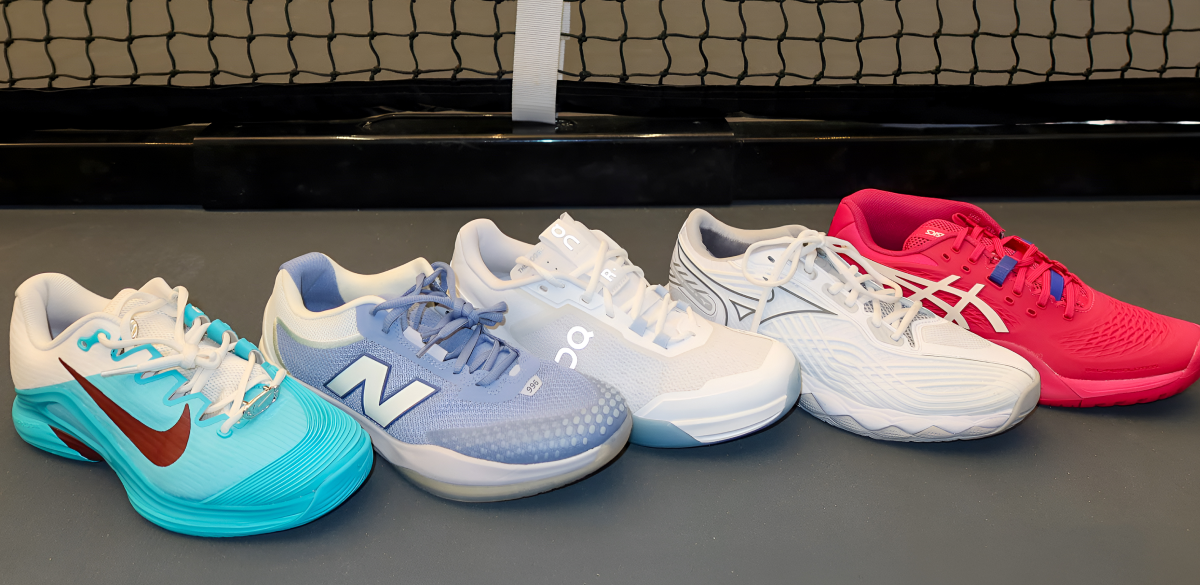
Care and lifespan: make your pair last longer
Care adds weeks to your shoe’s life. Brush off grit after each session. Remove insoles to dry. Do not leave shoes in a hot car. Heat breaks down glue and foam fast.
Rotate two pairs if you play often. Foam rebounds over 24 hours. This helps cushion last longer. Expect 60 to 100 court hours per pair, depending on your weight, court type, and move style.
Check for signs of retirement. Smooth tread at the ball of the foot, a tilted heel, or midsole creases that do not spring back. If you want long-term value in what are the best pickleball shoes, care and rotation matter as much as brand.

Common mistakes when choosing pickleball shoes
These are frequent pitfalls I see in leagues and lessons.
- Using running shoes They flex the wrong way and lack lateral support.
- Ignoring indoor vs outdoor grip Wrong rubber means slips or sticky stops.
- Buying too small Black toenails and blisters cost matches and time.
- Chasing cushion only Soft can feel unstable on sharp cuts.
- Skipping a heel lock Loose heels lead to ankle rolls.
- Not replacing in time Dead shoes raise injury risk.
Avoid these, and your search for what are the best pickleball shoes gets much easier.

How we research and verify what are the best pickleball shoes
I combine hands-on court tests with brand spec sheets and lab-style checks. I compare outsole hardness, measure platform width, and note torsional stiffness by hand flex tests. I track slip and stop distance on the same court lines to keep things fair.
I review guidance from sports medicine and podiatry groups on lateral stability, heel counters, and injury risk. I also cross-check with material science notes on rubber wear and foam rebound. No test is perfect, so I update picks as new models arrive and as I log more hours. This open loop helps keep our list of what are the best pickleball shoes current and honest.
:max_bytes(150000):strip_icc()/peo-pickleball-shoes-test-asics-gel-resolution-9-rafa-soriano-19_crop-b3d9be7027c04351b00a58bd4f2a0993.jpeg)
Frequently Asked Questions of what are the best pickleball shoes
Are pickleball shoes different from tennis shoes?
They are very close. Many tennis shoes work great for pickleball because both need lateral support and court grip.
Can I wear running shoes for pickleball?
I do not suggest it. Running shoes are made for forward motion, not side cuts, so they can be unstable on court.
How often should I replace my pickleball shoes?
Most players replace pairs every 60 to 100 hours of play. Watch for smooth tread, heel lean, or sore joints as signs.
What are the best pickleball shoes for wide feet?
Look at K-Swiss Express Light Pickleball and New Balance models with wide sizes. They give room up front and solid support.
Do I need non-marking soles for indoor play?
Yes, many gyms require non-marking soles. They also grip wood better without leaving streaks.
Which shoes help with plantar fasciitis?
Choose a stable shoe with good heel cushion and arch support. Add a quality insole if you need more control.
How tight should pickleball shoes fit?
Snug in the heel, secure in the midfoot, and a little room in the toes. Your foot should not slide inside the shoe.
Conclusion
Pick the shoe that fits your foot and your court, then match it to your style. Seek stable sides, the right grip, and balanced cushion. That simple plan will lead you to what are the best pickleball shoes for your game.
Try two sizes, test on your home court, and lock the heel for a safe fit. Ready to move better and feel great on court? Share your questions, tell me your favorites, or subscribe for fresh picks and test updates.