
Pickleball rules cover serving underhand, the kitchen, double bounce, faults, and scoring.
If you have wondered what are the pickleball rules and how to play the right way, you’re in the right place. I coach new players every week, and I’ve seen how clear rules turn chaos into fun, fast rallies. In this friendly guide, I’ll break down what are the pickleball rules step by step, share on-court tips I use, and point out mistakes to avoid so you can win more points and enjoy every game.
What is pickleball and why the rules matter
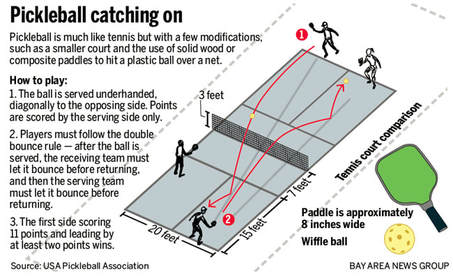
Pickleball blends tennis, badminton, and ping-pong on a small court with a plastic ball and paddles. Knowing what are the pickleball rules keeps games fair, fast, and fun. When you learn the basics, you avoid arguments, save energy, and focus on better shots.
In league nights, I often see simple rule fixes change a player’s whole day. One small tweak in serve footwork or kitchen awareness can turn close losses into wins.

Court and equipment basics
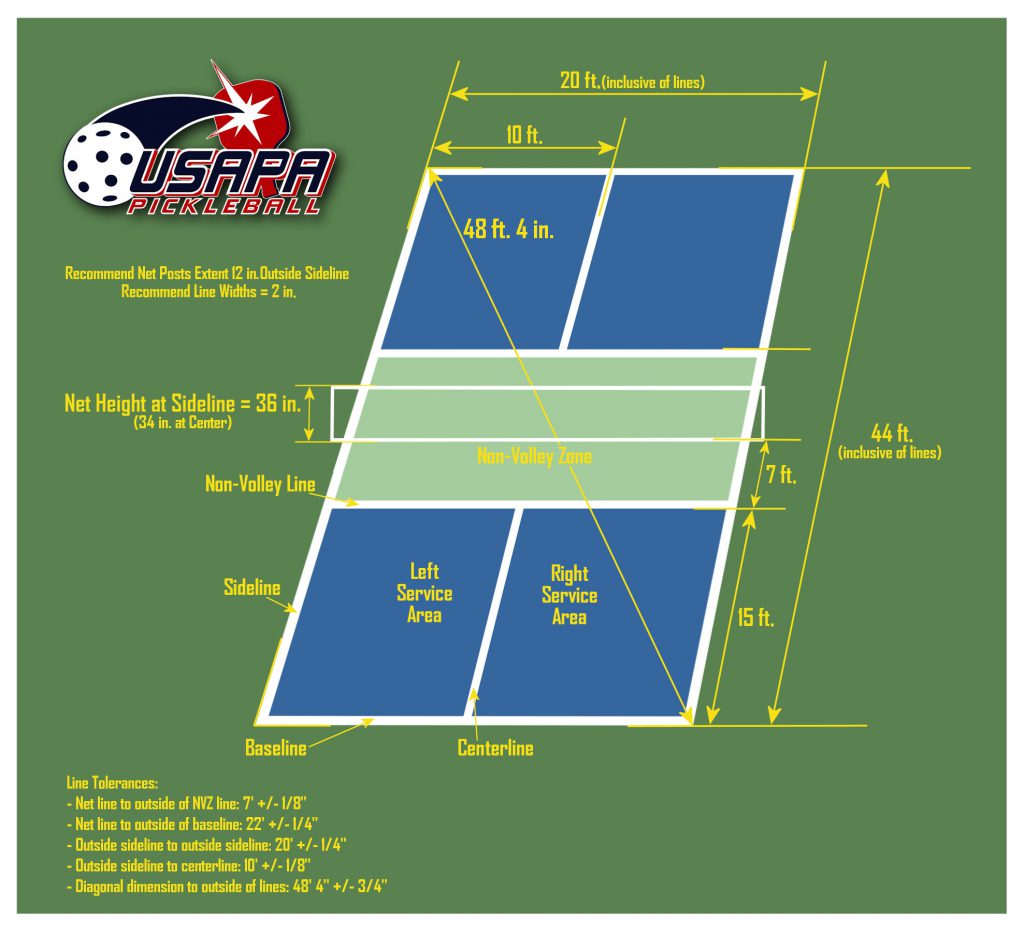
Before asking what are the pickleball rules, get the court and gear right. The court is 20 by 44 feet for singles and doubles. The net is 36 inches at the posts and 34 inches in the center. The non-volley zone, known as the kitchen, is the 7-foot area on both sides of the net.
Use a rigid paddle and a perforated plastic ball. Wear court shoes with good grip to protect your knees and keep quick steps safe and sharp.
- Court: 20 ft wide, 44 ft long
- Net: 34 in at center, 36 in at sidelines
- Kitchen: 7 ft from the net on both sides
- Baselines, sidelines, centerline, and service boxes: all matter for line calls

Serve rules and sequence
Many players search what are the pickleball rules for serving because that starts every point. Serve underhand, crosscourt, and land in the service box beyond the kitchen line. You must contact the ball below your waist on a volley serve, and your feet cannot touch the baseline or court until you hit the ball.
You have two legal serve styles:
- Volley serve: Hit the ball out of the air with an underhand motion and upward arc.
- Drop serve: Drop the ball and hit after it bounces. The underhand restrictions do not apply to the drop serve.
Other serve facts I repeat at clinics:
- Only one serve attempt, except if you swing and miss a dropped ball before it bounces.
- The serve must land past the kitchen line and within the diagonal box.
- A serve that hits the net and lands in is live. There are no service lets in current play.
- Call the score before serving.
Doubles order: The first server of the game starts on the right and the score is called 0-0-2. After that, each team gets two servers per side-out, server 1 then server 2.

Scoring and game format
Another common ask in what are the pickleball rules is how scoring works. Only the serving team scores. Games are usually to 11, win by 2. In some events you may play to 15 or 21, also win by 2.
Score calling:
- Doubles: server score, receiver score, server number (1 or 2). Example: 6-4-1.
- Singles: server score, receiver score.
When your team wins a point, the server switches to the other side and serves again. When you lose a rally on serve, the serve goes to your partner, then to the other team after both servers are done.

The non-volley zone (kitchen)
If you ask what are the pickleball rules about the kitchen, here is the key: you cannot volley while in the kitchen or touching its lines. A volley means hitting the ball out of the air. If your momentum carries you into the kitchen after a volley, it is still a fault—even if the ball is dead.
You can step into the kitchen to play a ball that has bounced. Clear both feet out before your next volley. I tell my students to treat the kitchen like hot sand: step in, hit, step out.
- You may stand in the kitchen any time.
- You may not volley while in contact with the kitchen or its line.
- Momentum counts. Control your follow-through and body position.
The double bounce rule
People learning what are the pickleball rules often miss this one under pressure. The double bounce rule says the ball must bounce once on each side after the serve. The return must bounce on the server’s side before it can be volleyed.
Tactical tip from match play: respect the two bounces by staying patient. Take a split step, let that second bounce happen, and then close the net with control.

Faults, lets, and line calls
When you ask what are the pickleball rules for faults, think simple: a fault ends the rally. Common faults include:
- Serve lands short, wide, long, or in the kitchen
- Stepping on the baseline or court during the serve
- Volleying while in the kitchen or touching the line
- Hitting the ball out or into the net
- Violating the double bounce rule
Line calls in recreational play follow these basics:
- Each side calls the lines on their side.
- If you are not 100% sure, the call goes to your opponent.
- Partners should only overrule to give the point to the other side.
- Spectators do not make calls.
There are no service lets. For hindrances like a stray ball on court, stop play right away and replay the point.

Timeouts, changeovers, and conduct
As you master what are the pickleball rules, use timeouts to reset. In games to 11, you usually get two timeouts per team. Use one when you feel rushed or need to break a run.
Change ends for fairness in wind, sun, or lighting:
- Games to 11: switch ends at 6 in organized play.
- Games to 15: switch at 8.
- Games to 21: switch at 11.
Good conduct is part of the sport. Call scores loud and clear. Respect your opponents. Keep paddle and ball under control. If tempers rise, breathe, call a timeout, and let it go.

Strategy tips to stay within the rules
Players who ask what are the pickleball rules also want to win. Clean technique helps you stay legal and sharp.
- Serve habits: Stand a half-step behind the baseline. Pause. Call score. Then serve. This avoids foot faults.
- Kitchen control: Park your toes just behind the line. Reach in, but do not fall in. Use a short, firm volley to keep momentum back.
- Double bounce patience: After serving, stay back and split step. After returning, run to the kitchen with control.
- Smart targets: Aim deep to the backhand on returns. Keep dinks over the middle kitchen to reduce angles.
On court, I rehearse a three-word cue: call, check, commit. Call the score, check your feet, commit to the shot.
Common mistakes and how to avoid them
If you still wonder what are the pickleball rules in real life, start by fixing these common errors.
- Drifting into the kitchen after a volley: Keep knees bent and stop your body before contact.
- Baseline serve foot faults: Start with both feet a full shoe length behind the line.
- Rushing the third shot: Let the return bounce and lift the ball with soft topspin.
- Quiet score calls: Say the score loud enough so all players hear it before you swing.
- Guessing line calls: If you do not see space, the ball is in. Give the benefit of the doubt.
Small habits add up. I have watched whole teams gain five free points a game by removing these mistakes.
Frequently Asked Questions of what are the pickleball rules
What are the basic pickleball rules for beginners?
Use an underhand serve crosscourt, let the return bounce, and avoid volleying in the kitchen. Only the serving team scores, and games are usually to 11, win by 2.
How do you call the score in doubles?
Call server score, receiver score, then server number (1 or 2). For example, 7-5-2 means server’s team has 7, opponents 5, second server is serving.
Can a serve hit the net and still be in?
Yes. Service lets were removed, so a serve that clips the net and lands in the correct box is live. Play the ball.
What is the double bounce rule?
After the serve, each side must let the ball bounce once before any volleys. That means the serve bounces, the return bounces, then volleying is allowed.
What is illegal in the kitchen?
You cannot volley while touching the kitchen or its line, or if momentum carries you in after a volley. You can enter the kitchen to hit a ball that bounced.
How many timeouts do you get?
In games to 11, each team typically gets two timeouts. In games to 15 or 21, you often get three.
What counts as a foot fault on the serve?
Touching the baseline, court, or outside the sideline or centerline extensions before striking the serve is a fault. Keep at least one foot behind the baseline until contact.
Conclusion
Now you know what are the pickleball rules for serving, scoring, the kitchen, the double bounce rule, and fair play. With these basics, you can step onto any court with confidence and keep rallies clean and fun. Practice a steady pre-serve routine, respect the kitchen, and call scores loud and clear.
Ready to level up? Share this guide with a friend, save it for quick checks, and drop your questions or match stories in the comments. Keep learning, keep swinging, and enjoy every point.