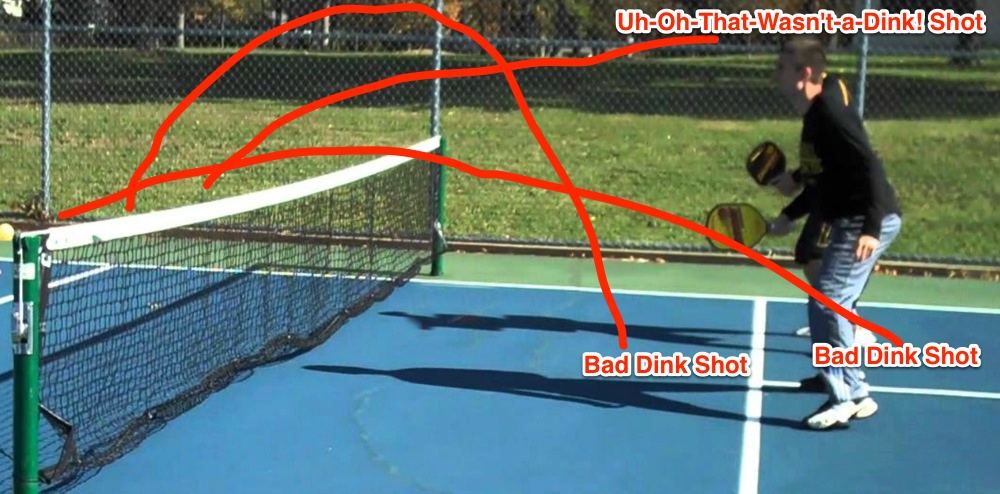
A dink is a soft, controlled shot that lands in the kitchen.
If you have ever wondered what does dink mean in pickleball, you’re in the right place. I coach new and advanced players, and I’ve seen how mastering the dink changes games fast. In this guide, I’ll break down what a dink is, why it matters, and how to use it to win more points with calm, smart play.
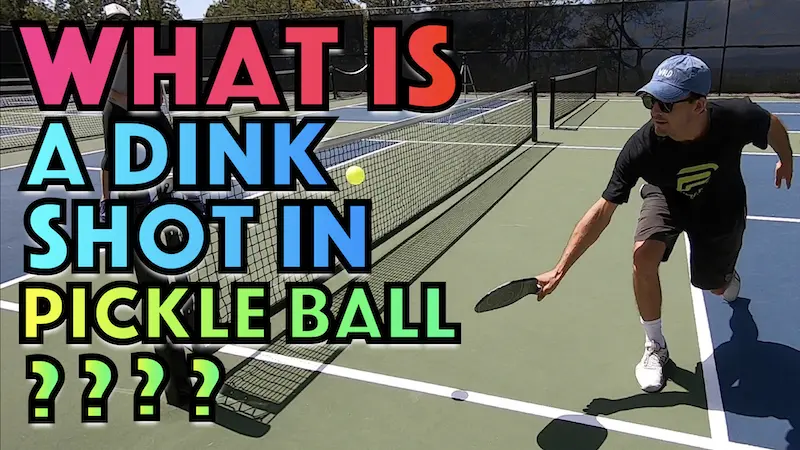
What Is a Dink in Pickleball?
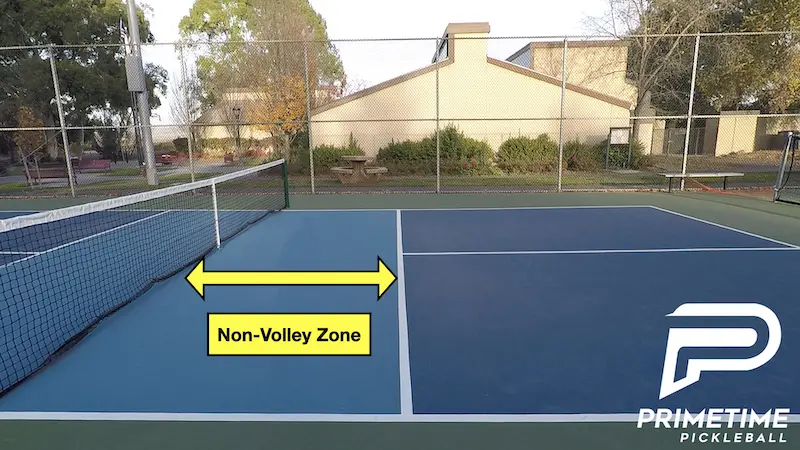
A dink is a soft shot that arcs over the net and lands in the non-volley zone, also called the kitchen. It’s not about speed. It’s about control, touch, and placement. You use it to keep the ball low and force your opponent to hit up.
If you’re asking what does dink mean in pickleball, think of it as the heartbeat of the soft game. It slows chaos and sets the tone. Dinks reset hard rallies, open angles, and build pressure through patience. When beginners ask me what does dink mean in pickleball during clinics, I say: it’s the quiet tool that wins loud matches.

Why the Dink Matters: Control, Pressure, and Patience
Dinking turns fast exchanges into chess. It lets you move foes out of place. It buys time, reduces errors, and draws pop-ups.
Key benefits:
- Low risk, high control. You aim short and low to cut attack chances.
- Position power. You pull opponents wide or short to open gaps.
- Mental edge. Long dink rallies test focus and footwork.
- Smooth resets. Use it to stop speed and get back to neutral.
In competitive play, the soft game decides the pace. Players who can dink crosscourt for 10–15 shots often win the point. The goal is not winners, but better balls next.
How to Hit a Proper Dink
Think quiet hands, stable base, and a soft, short swing. Here is a simple checklist I give my students.
- Grip: Use a relaxed continental grip. Hold the paddle like a handshake.
- Stance: Feet shoulder-width. Knees bent. Stay on the balls of your feet.
- Contact: In front of your body. Paddle face open a touch.
- Swing: Short, smooth motion. Lift from legs and shoulder, not wrist.
- Aim: Over the lowest part of the net. Land the ball near the opponent’s feet.
- Height: Clear the net by a few inches. Keep the ball low after bounce.
Common cues:
- Quiet hands, steady head, slow breath.
- Imagine catching an egg and placing it over the net.
- Let the ball come to you. Don’t stab at it.
If a student asks again, what does dink mean in pickleball in terms of feel, I say: soft catch, soft push, small arc.
When and Why to Dink: Simple Game Plans
Use dinks when the rally is fast or messy. They reset play. Use them to pull players wide, target backhands, or tire out a banger.
Smart situations to dink:
- At the kitchen line after a fast exchange.
- When your opponent is off balance or late.
- To recover from a deep ball with a soft reset.
- To set up a speed-up on your terms.
Crosscourt vs. straight:
- Crosscourt: More net to work with. Safer and softer bounce.
- Straight: Tighter line. Use to jam the body or attack the paddle hip.
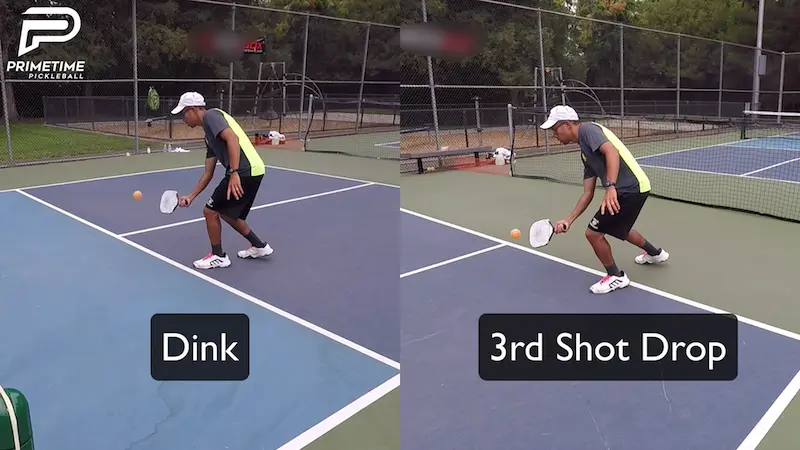
The third shot drop vs. a dink:
- Third shot drop happens from transition or baseline.
- A dink happens at the kitchen. Both are soft, but from different spots.
If you ever wonder again what does dink mean in pickleball during strategy talk, think “reset first, attack second.”
Common Dink Mistakes and Fixes
Even strong players slip here. These fixes work fast in practice.
- Swinging too big: Keep the stroke short. Use legs and shoulder for lift.
- Flicking the wrist: Lock the wrist. Aim with your paddle face.
- Standing tall: Lower your center. Bend knees. See the ball early.
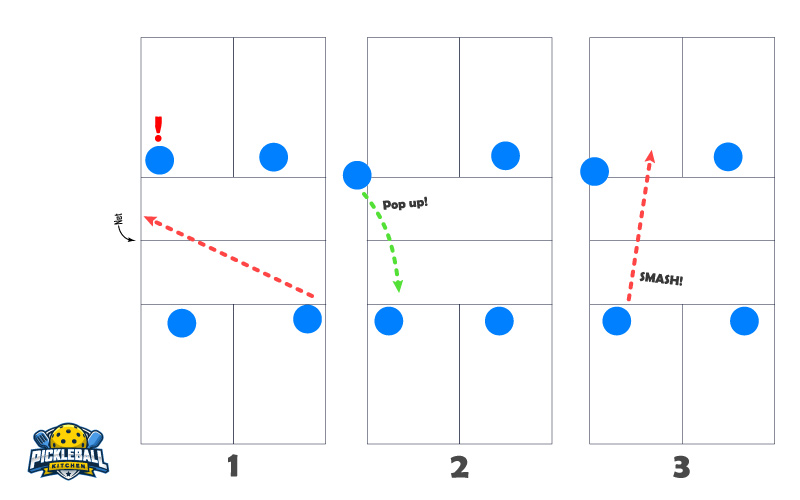
- Popping the ball up: Open the face less. Aim for a lower arc.
- Crowd the kitchen line: Stay a shoe-length back. Avoid foot faults.
- Hitting to the forehand: Test the backhand more. Make them reach.
When players ask what does dink mean in pickleball error-wise, I explain it’s a small shot. Over-swinging breaks it.

Drills to Master the Dink
Short, focused drills build touch fast. Keep reps clean and calm.
- Kitchen-to-kitchen rally: Crosscourt first. Count clean dinks to 50.
- Triangle targets: Aim front middle, front wide, then short crosscourt.
- No-pop challenge: Both players try to keep balls under net tape height.
- Wall dinks: Stand 6–8 feet from a wall. Softly tap, aiming knee high.
- Inside-out practice: Stand on the ad side and angle dinks off the sideline.
Use a simple scoring rule: if a ball rises above net tape in flight, minus one point. This helps train low, safe arcs. I ask students, what does dink mean in pickleball for training? It means repeatable touch under calm breath.

Paddle, Ball, and Court Factors
Gear and conditions change the feel of dinks.
- Paddle face: Textured faces can add bite for slice dinks. Softer cores add dwell time.
- Weight and balance: Slightly heavier paddles give more stability on soft blocks.
- Balls: Harder balls bounce higher. Softer balls sit lower and reward touch.
- Weather: Wind pushes arcs. Aim a little lower into the wind, a little higher with it.
- Surface: Gritty courts grab the ball. Smooth courts skid and stay low.
When someone asks what does dink mean in pickleball on a windy day, I say: same move, flatter arc, and aim to big targets.

Advanced Dink Variations
Once your base is solid, add variety to stress opponents.
- Slice dink: Brush under and across for bite. It stays low and skids.
- Topspin roll dink: Brush up for a slight dip. Useful to pull a pop-up.
- Inside-out dink: Aim across your body to the sideline. Great angle tool.
- Dink to speed-up: Sell a soft ball, then accelerate a shoulder-high reply.
- Misdirection dink: Show straight, hit crosscourt late with the same swing.
Risk management:
- Change one thing at a time: angle, spin, or pace.
- Use the same setup for different shots to stay unreadable.
If a partner asks me what does dink mean in pickleball at a high level, I say: same base, many doors.

Rules and Etiquette Around the Kitchen
Know the non-volley zone rules to avoid free points.
- You can step into the kitchen after the ball bounces.
- You cannot volley while in the kitchen or touching the line.
- Momentum counts. If you volley and fall into the kitchen, it’s a fault.
- The goal with dinks is bounce first. That keeps play legal and safe.
- Call close balls with honesty. Soft play needs trust.
This is where many players mix up terms and ask what does dink mean in pickleball rules-wise. Simple answer: it is a soft, bouncing shot into the kitchen, not a volley from it.
Frequently Asked Questions of what does dink mean in pickleball
What does dink mean in pickleball, in one sentence?
It’s a soft, controlled shot that lands in the kitchen to keep the ball low. You use it to reset the rally and force an up-ball.
Is a dink the same as a drop shot?
They are cousins, not twins. A drop shot is often from mid-court or baseline, while a dink is usually at the kitchen line.
When should I dink instead of drive?
Dink when opponents are at the net and pressuring you. Drive when you see a high ball or a clear gap.
How do I stop popping up my dinks?
Aim lower, shorten your swing, and relax your grip. Keep contact in front and reduce wrist flick.
What targets should I use for dinks?
Aim for toes, backhand corner, and wide crosscourt. Mix depth to move players off balance.
Does spin help on dinks?
Yes, light slice or roll can keep the ball low or dip late. Use it after your base dink is solid.
How can I practice dinks alone?
Use a wall or a portable net at home. Set a goal of clean, knee-high rebounds for set counts.
Conclusion
A strong dink game brings calm to chaos. It resets tough points, builds pressure, and sets up clean chances to attack. Start with a steady base, add smart targets, then layer in spin and angles.
Put these drills into your next session and track your low errors. Share your progress, ask questions, and subscribe for more pickleball tips. Then go test your new touch in your very next game.