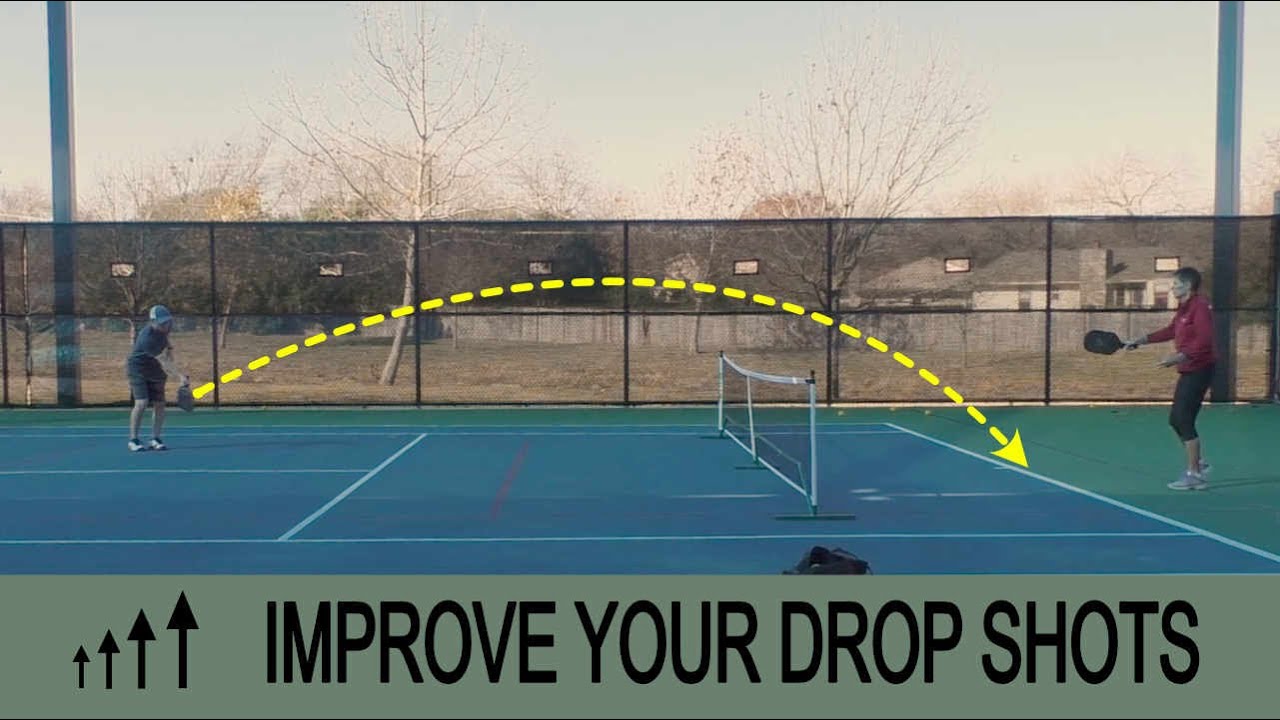
A drop shot in pickleball is a soft, arcing ball that lands in the kitchen to reset play.
If you want total control at the net, you must understand what is a drop shot in pickleball. I’ve taught new and advanced players how to use this simple shot to slow the game, move forward with confidence, and win more points. In this guide, you’ll learn what is a drop shot in pickleball, when to use it, how to hit it, and how to fix the common mistakes that hold players back.

What is a drop shot in pickleball?
A drop shot is a soft, controlled ball that clears the net by a small margin, arcs, and lands in the non-volley zone (the kitchen). The goal is not speed. The goal is to reset the rally, take away your opponent’s attack, and help you move to the net.
If you’re asking what is a drop shot in pickleball, think “gentle parachute.” It floats over pressure and lands safely. A great drop is unattackable, bounces low, and buys you time to reach the kitchen line.
How it differs from other soft shots:
- Dink: A short shot hit from the kitchen line during a dink rally.
- Drop shot: Often hit from near the baseline as the third shot, fifth shot, or any reset to the kitchen.
- Lob: High, deep shot to the backcourt. The drop is short and soft.

Why the drop shot matters
A good drop shot lets you turn defense into neutral in one swing. It stops your opponents from smashing, draws them forward, and sets up your next plan at the net. If you want a higher win rate, learn what is a drop shot in pickleball and make it a habit.
From my coaching notes: the teams that get to the kitchen first win many points. A consistent drop shot helps the serving team get forward after the return. It also helps the returning team reset when they get pushed back.
Mechanics and technique: how to hit a consistent drop
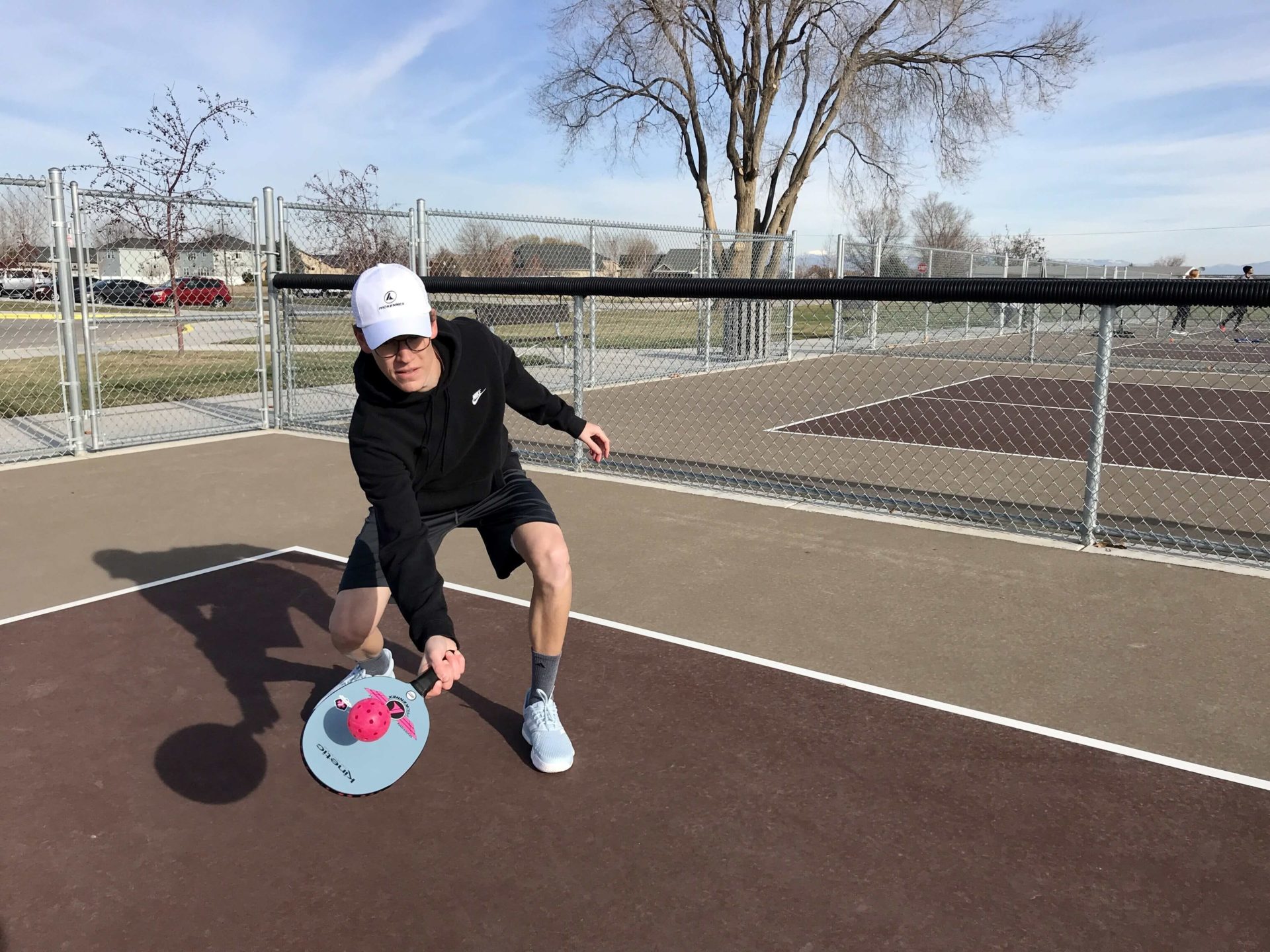
The body leads, the arm follows, and the paddle face stays calm. The feel is like tossing an egg onto a pillow. If you are still wondering what is a drop shot in pickleball in practice, it is a soft, smooth swing with a clear target and early prep.
Step-by-step:
- Start balanced. Feet shoulder-width, knees soft, paddle up in front.
- Use a continental grip. It helps with touch on both forehand and backhand.
- Short back swing. Lead with the shoulder. Keep the wrist quiet.
- Open paddle face slightly. Aim for a gentle arc that clears the net by 12–18 inches.
- Contact in front of your body. Let the ball drop to waist or knee height.
- Lift, don’t hit. Think “brush and lift,” not “poke and push.”
- Follow through forward and up. Finish toward the kitchen, not across your body.
- Move in as you hit. Split-step before your opponent strikes the next ball.
Pro cues I give players:
- Quiet hands, big target, slow heart rate.
- Up-not-out. Let gravity do the work after the peak of the arc.
- Hear the sound. A good drop is a soft “tock,” not a hard “pop.”

When to use a drop shot
When you think about what is a drop shot in pickleball strategy, it shines in transition. Use it to change the pace, reach the net, or reset chaos.
Best moments:
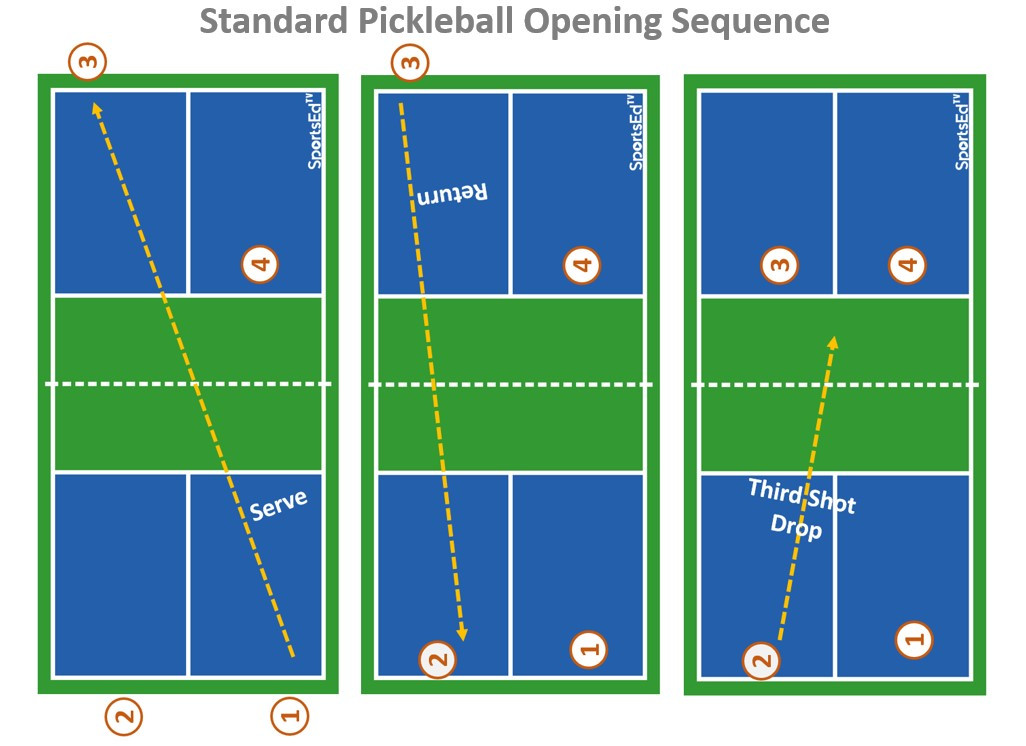
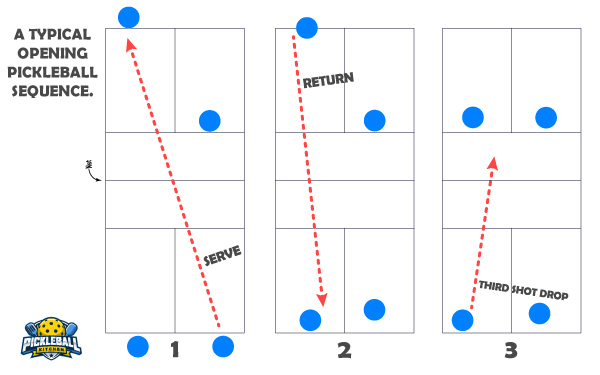
- Third shot after your serve. The classic third shot drop gets you to the kitchen.
- Fifth or seventh shot. If the third was attacked, drop again to steady the rally.
- After you get pushed back. Reset with a drop to regain balance.
- Against bangers. Soften the rally so they cannot swing hard above net height.
- On windy days. Aim higher, give margin, and trust the arc.
Common mistakes and how to fix them
Knowing what is a drop shot in pickleball is step one. Avoid these traps to make it work under pressure.
Frequent errors and fixes:
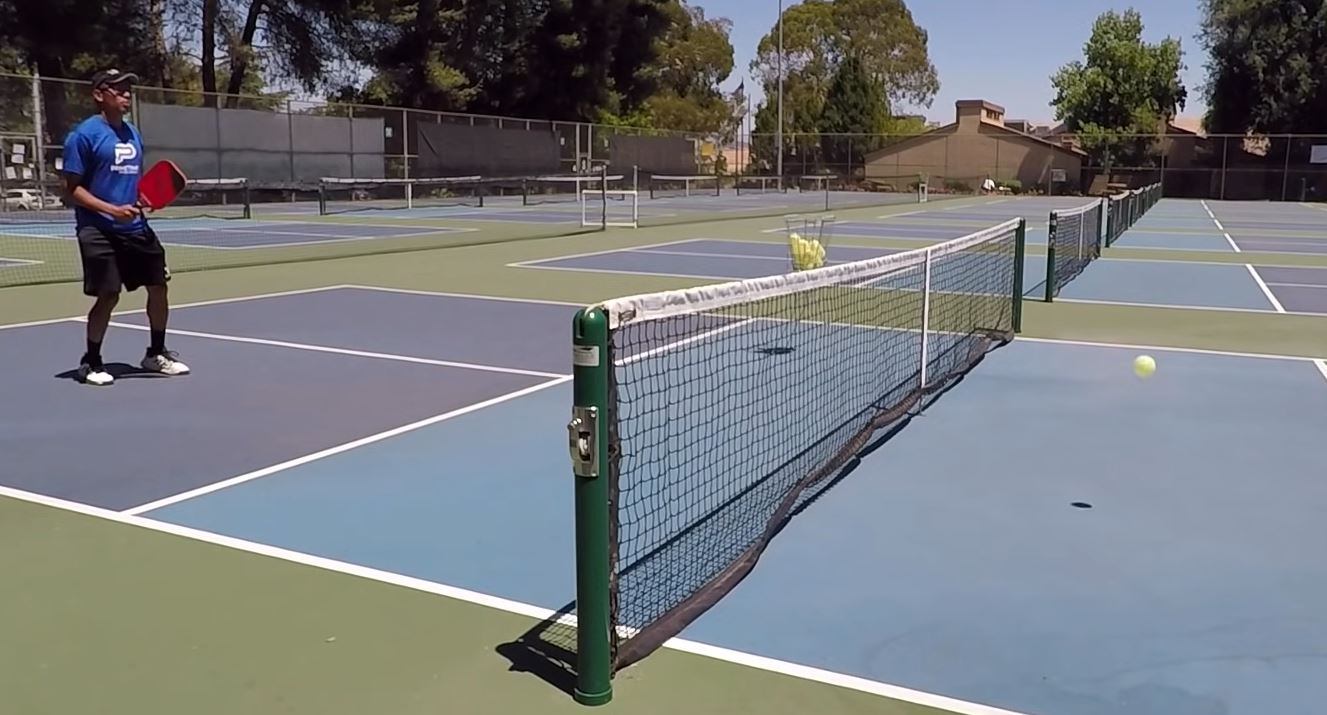
- Ball too high and attackable. Fix: Open the face less and aim deeper in the kitchen.
- Hitting too hard. Fix: Shorten your backswing and relax your grip to a 3–4 out of 10.
- Contact too close to the body. Fix: Move your feet and meet the ball out front.
- Flat trajectory. Fix: Add a gentle upward path to create arc and margin over the net.
- Only trying drops from the baseline. Fix: Practice mid-court and on the move; real rallies are messy.
My biggest lesson: stop flicking with the wrist. The shoulder is your metronome. When I switched to a quiet wrist and a steady shoulder lift, my drop shot became boring—and that’s good.

Drills to master your drop shot
If you want mastery of what is a drop shot in pickleball, build it with simple, focused reps. Keep score to stay honest.
Try these:
- Wall brush drill: Stand 10 feet from a wall. Brush the ball softly to a knee-high target for 50 reps.
- Kitchen box targets: Place two cones in the kitchen crosscourt and straight ahead. Drop to each cone 25 times.
- Ladder drop: Start at baseline. Hit one drop, step in, hit another from mid-court, then from the transition zone. Reset and repeat 10 ladders.
- Cooperative resets: Partner at the kitchen, you at baseline. They feed a firm ball. You drop. They dink back to you. Aim for 20 in a row.
- Pressure game: First to 11. You can only win points on clean drops that bounce below knee height.
Coaching tip: film 5 minutes of your drops. Check net clearance, landing depth, and your footwork. Small tweaks go far.

Tactical variations and advanced tips
Once you grasp what is a drop shot in pickleball at a basic level, add layers to keep rivals guessing.
Useful variations:
- Crosscourt drop: More net length, more margin, edges away from the net post.
- Backhand drop: Natural for many players and easier to disguise.
- Slice drop: A gentle undercut that stays low after the bounce.
- Topspin drop: A light brush up for dipping shape, helpful in wind.
- Body drop: Aim at the opponent’s feet or hip to jam their swing.
Advanced cues:
- Change height and depth. Mix shallow drops that die and deeper ones that push feet back.
- Read paddle face. If they lean in for a poach, send a deeper, safer drop crosscourt.
- Hide intent. Start each swing the same; only the last 10 percent changes the face.
Gear, court, and conditions that affect your drop
Even when you know what is a drop shot in pickleball, the setup can help or hurt your feel. Small choices stack the odds.
Factors to watch:
- Paddle feel: Softer, thicker cores give more dwell time for touch.
- Grip size: Too big kills finesse. Choose the smallest size that still feels stable.
- Ball type: Outdoor balls bounce lower and run faster; add a little more arc.
- Court surface: Gritty courts grab; smooth courts skid. Adjust landing spot by a foot.
- Weather: In wind, aim higher and give extra net clearance. In heat, balls bounce higher—soften your swing.
According to rulebooks and coaching data, consistency at the net wins. Your gear should make drops easy to repeat, not flashy.
Rules and etiquette: clear up the confusion
A common question around what is a drop shot in pickleball is how it fits with the double-bounce rule. After a serve and return, the ball must bounce once on each side. That’s why the third shot drop is so common.
Key points:
- It is legal for your drop to land in the non-volley zone.
- You may step into the kitchen to hit a drop only if the ball has bounced.
- A “drop volley” is a soft volley taken out of the air near the kitchen line, which is different from a baseline drop but similar in goal.
- If your drop hits the net cord and trickles over, it is in play.
Good etiquette: call balls clearly, own your faults, and play the point out even when a let cord feels lucky. It evens out over time.
A simple two-week plan to level up your drop
If you want muscle memory for what is a drop shot in pickleball, train small and often. Ten focused minutes a day beats one long grind.
Plan:
- Days 1–3: Wall brush and kitchen cone targets, 150 total reps daily.
- Days 4–6: Cooperative resets with a partner, aim for 3 sets of 20 in a row.
- Day 7: Match simulation. Only earn points on a successful third shot drop.
- Days 8–10: Add movement. Ladder drills from baseline to mid-court, 10 ladders.
- Days 11–13: Pressure games to 11 with consequences for high, attackable drops.
- Day 14: Film and review. Note net clearance, footwork, and landing depth. Adjust.
Track two numbers: net clearance and unattackable drops. If both rise, your wins will follow.
Frequently Asked Questions of what is a drop shot in pickleball
What is a drop shot in pickleball in simple terms?
It is a soft shot that arcs over the net and lands in the kitchen. The goal is to reset the rally and stop your opponent from attacking.
Is a drop shot the same as a dink?
No. A dink is usually hit from the kitchen during a close-range exchange. A drop is often hit from farther back, like the third shot, to get you to the net.
When should I use a drop shot?
Use it after the return on the third shot, during transitions, or anytime you need to slow a fast rally. It helps you move forward and take control.
How high should my drop clear the net?
Aim for 12–18 inches above the net for safety and soft landings. In wind or under pressure, give a little more margin.
How do I keep my drop from popping up?
Relax your grip, shorten the backswing, and meet the ball in front. Add a gentle upward path to create arc, not speed.
What grip works best for drop shots?
A continental grip is versatile and stable for touch. It lets you adjust face angle on both forehand and backhand sides.
Can I hit a drop shot out of the air?
Yes, but that is called a drop volley. The idea is similar—soften and place the ball so it bounces low and cannot be attacked.
Conclusion
Mastering what is a drop shot in pickleball gives you a safe bridge from defense to offense. With soft hands, a calm swing, and smart targets, you will win the race to the kitchen and control more points. Build the skill with small daily reps, test it under pressure, and let your results speak.
Start today: pick one drill, set a simple goal, and track your net clearance and landing depth. If this guide helped, subscribe for more tips, share it with your pickleball crew, or drop a question—I’m happy to help you dial in that buttery drop.