
A fault in pickleball is any rule break that ends the rally and costs a point.
If you want a clean, confident game, understanding what is a fault in pickleball is step one. I’ve coached new players and seasoned rec-league champs, and the same truth holds: the team that makes fewer faults wins more games. In this guide, I’ll break down what is a fault in pickleball, why it happens, and how to avoid it with simple, practical steps.
What Is a Fault in Pickleball?
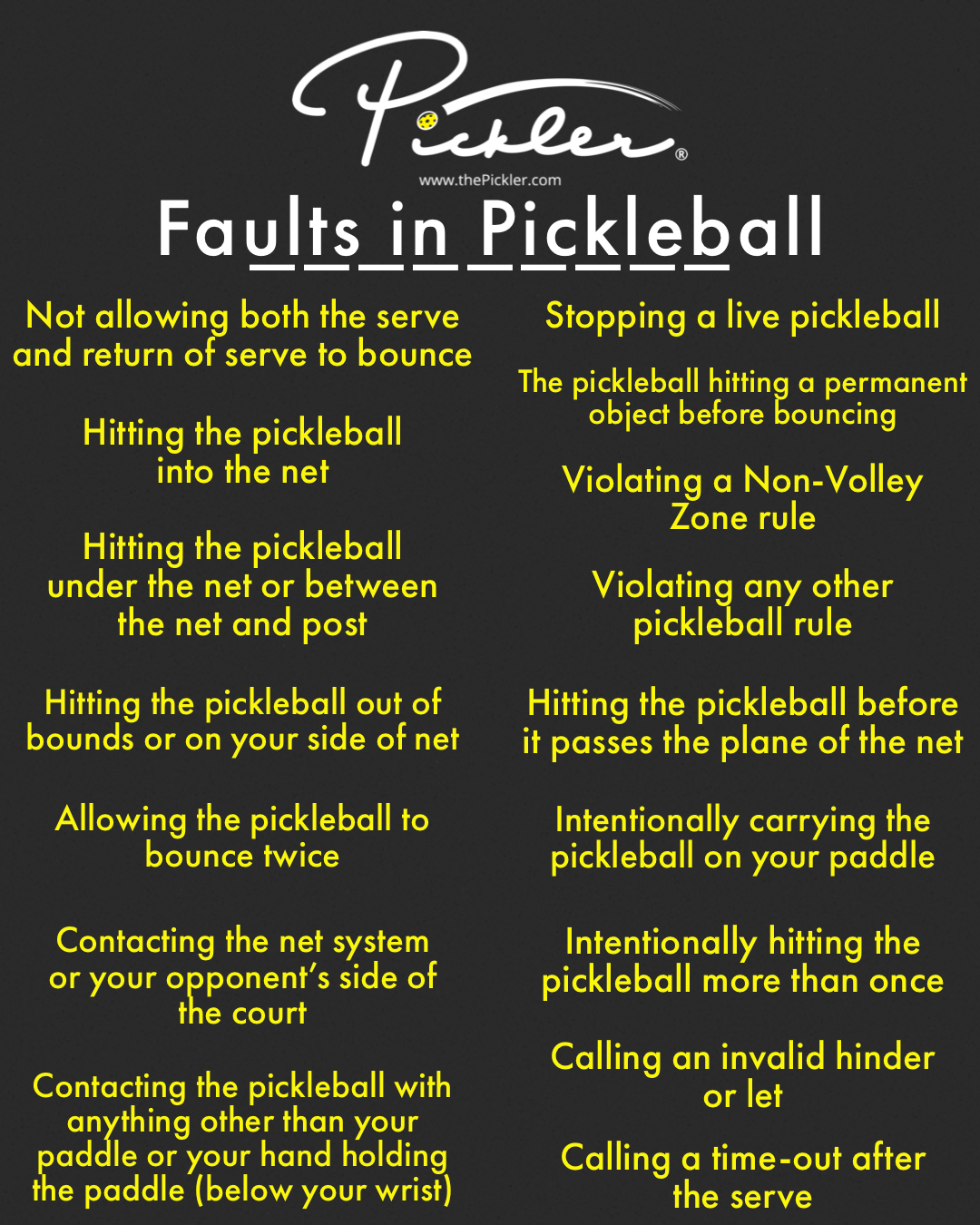
A fault is a rule violation that stops play and gives the rally to the other side. If your team commits the fault, you lose the rally. If the other team commits it, you win. That is the core of what is a fault in pickleball.
Think of a fault like a red light. Once it happens, everything stops. You reset for the next serve or point. If you ever wonder what is a fault in pickleball during a match, ask: did anyone break a rule before the ball was dead? If yes, it was a fault.
Common triggers include a bad serve, hitting out, touching the net, a non-volley zone mistake, or breaking the two-bounce rule. Knowing what is a fault in pickleball helps you play smarter and calmer.
The Most Common Faults (With Quick Examples)
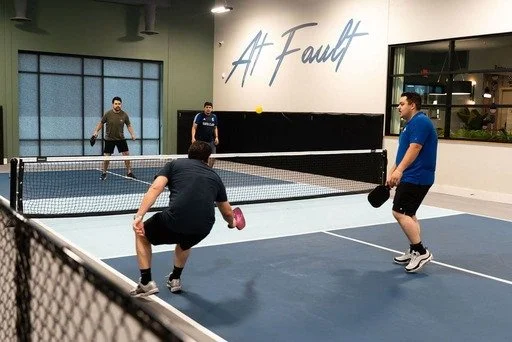
In real games, most faults come from a few simple mistakes. Here is what to watch for when you think about what is a fault in pickleball.
Serving faults:
- The ball lands in the wrong service box.
- The serve hits the net and does not go in.
- The server steps on or past the baseline at contact.
- The server uses an illegal motion.
Rally faults:
- The ball is hit out or into the net.
- The ball bounces twice before a return.
- A player touches the net with the paddle or body.
Non-volley zone faults:
- You volley with a foot on or inside the kitchen line.
- Momentum carries you into the kitchen after a volley.
Two-bounce rule faults:
- You volley the serve return before it bounces.
- You volley the third shot before it bounces.
Line and contact faults:
- You hit the ball before it crosses to your side.
- You call a ball out that actually clipped the line.

The Serve: Rules That Prevent Faults
Serving is the first place people ask what is a fault in pickleball. It is also where many free points are lost. Use these core rules.
Legal contact and motion:
- Contact the ball below your navel at impact.
- Use an underhand motion with an upward swing.
- The paddle head is below the wrist at contact.
Feet and position:
- At least one foot is behind the baseline.
- Do not step on the baseline at contact.
- Serve to the diagonal service box.
Ball flight and placement:
- The ball must clear the net and land in the correct box.
- It cannot land in the non-volley zone, including the line.
My tip: slow your service routine. I use a three-count: breathe, bounce, swing. This cuts serving faults by half for most players I coach.
The Non-Volley Zone and Foot Faults
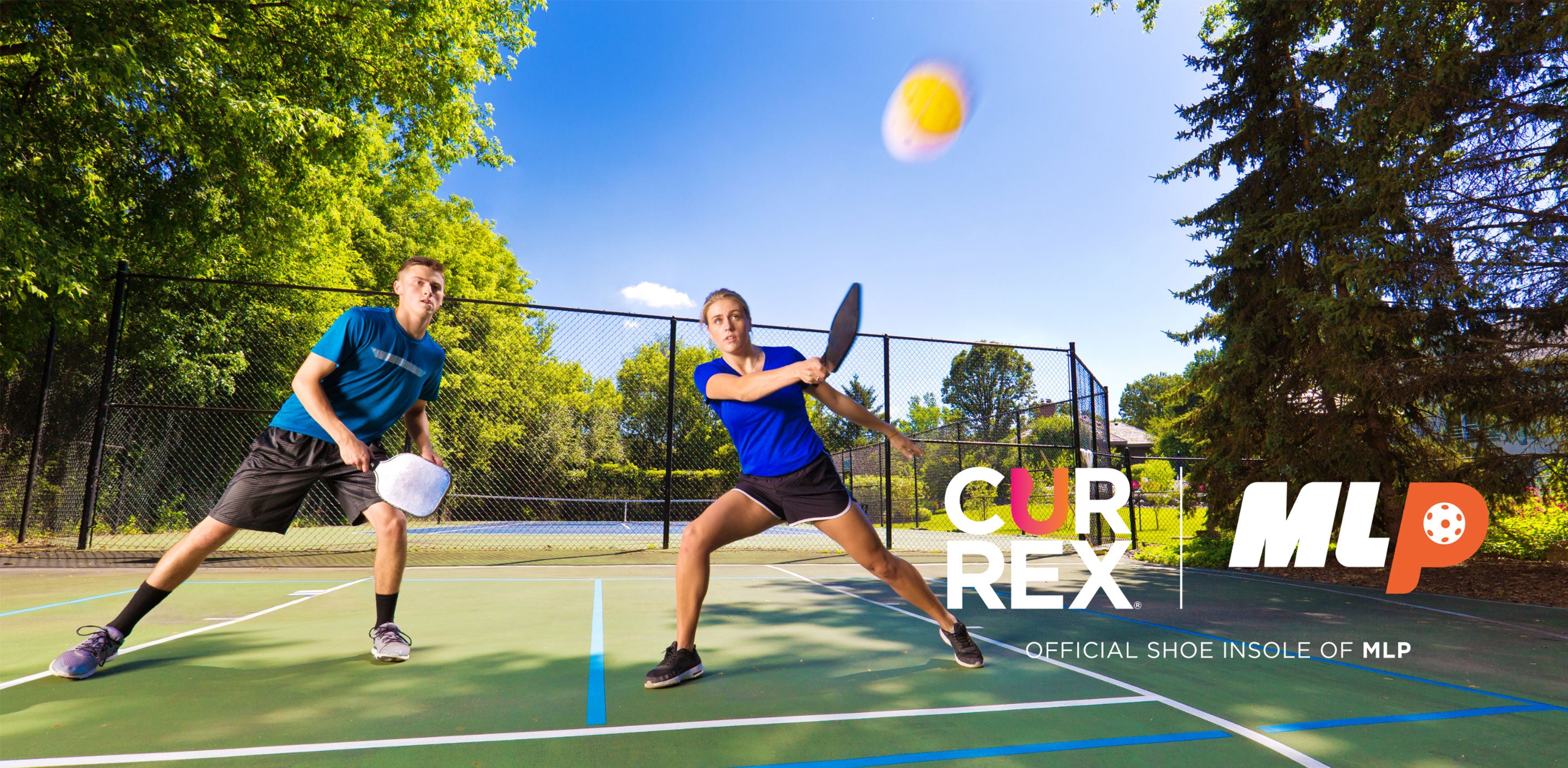
The non-volley zone, or kitchen, is seven feet from the net on each side. This is where many players first learn what is a fault in pickleball the hard way.
Core rules:
- You cannot volley while any part of your body touches the kitchen or the line.
- If your momentum takes you into the kitchen after a volley, it is still a fault.
- You can be in the kitchen to hit a ball after it bounces. Just exit before your next volley.
Common mistakes:
- A toe on the line during a volley.
- Reaching for a high ball and falling forward into the kitchen.
- Touching the kitchen with your paddle or hat after a volley.
Drill to fix it: practice dinking with a rule that any toe on the line ends the point. This builds awareness and balance.
Two-Bounce Rule: Simple Way to Avoid Early Faults
The two-bounce rule makes rallies fair. It also sits at the heart of what is a fault in pickleball for new players.
How it works:
- The serve must bounce before you return it.
- The return must bounce before the serving team can hit it.
After those two bounces, volleying is allowed. If anyone volleys too soon, that is a fault. I tell new players: bounce-bounce, then bang. Say it out loud for your first few games.
Faults vs Lets vs Dead Balls vs Replays
It helps to know what is a fault in pickleball and what is not.
Fault:
- A rule break that ends the rally and awards it to the other team.
Let:
- Rare in modern rules for serves. If a ball from another court rolls in, stop play and replay the point.
Dead ball:
- The rally has ended. This can be from a fault, out ball, or a valid winner that is not returned.
Replay:
- The point is replayed due to a distraction or safety issue.
If you are unsure on a close call, many rec players choose to replay. Safety and fairness beat ego every time.

How to Avoid Faults: Practical Tips and Easy Drills
When someone asks me what is a fault in pickleball, I follow up with how to prevent it. Here is a simple plan you can use today.
Serving:
- Use a pre-serve routine and pause before contact.
- Aim higher over the net with a smooth arc.
- Target deep middle to lower risk.
Footwork and balance:
- Split-step before each opponent’s shot.
- Keep your weight centered when at the kitchen.
- After a volley, plant and recover before moving forward.
Kitchen awareness:
- Practice shadow volleys, stopping at the line.
- Place tape on the line in drills to train your eyes.
Two-bounce rule memory:
- Count the bounces out loud in practice.
- The serving team should be patient on the third shot.
Drills:
- Serve box challenge: 20 deep serves to each diagonal box, no misses.
- NVZ line control: volley, freeze, check feet, repeat for 3 minutes.
- Return and pause: return deep, split-step, then drop or drive after the bounce.

Real-Game Scenarios You Will See
Examples make it clear what is a fault in pickleball. Here are common scenes and the right call.
Scenario 1: You volley and your cap falls into the kitchen.
- Result: Fault, because your equipment entered the kitchen after a volley.
Scenario 2: You hit a return that lands on the sideline and pops up.
- Result: Ball is in. If the opponent stops, they lose the rally.
Scenario 3: You serve, it clips the net, and lands in.
- Result: Fault under current rules. No service let replay.
Scenario 4: You touch the net with your paddle after hitting the ball.
- Result: Fault on you. Net contact during a live ball is not allowed.
Scenario 5: You argue an out call but cannot say where it landed.
- Result: Give benefit of the doubt to in. That keeps trust and pace.

Penalties and Scoring After a Fault
Once you know what is a fault in pickleball, you also need to know what happens next.
Serving team faults:
- They lose the rally. In doubles, it moves to the second server.
- After the second server faults, it is a side out.
Receiving team faults:
- The serving team wins the rally and scores a point.
Referee or no referee:
- In rec play, players call their own lines and faults.
- In officiated play, the referee confirms or overrules as needed.
A calm reset after a fault is a winning habit. Take a breath, call the score, and move on.
Refereed vs Recreational Play: How Calls Are Made
People often ask what is a fault in pickleball when no one is sure. Here is how to handle it.
Rec play norms:
- You call balls on your side.
- If you do not see it, the ball is in.
- Communicate fast and clear to keep trust.
Refereed play norms:
- Officials can call many faults, like foot faults and net touches.
- Players still have duties, like line calls on their side.
- Ask for a replay only when there is real confusion or safety risk.
A simple rule I use: play with grace. It grows your game and your circle.
Frequently Asked Questions of what is a fault in pickleball
What is a fault in pickleball in one sentence?
A fault is any rule violation that ends the rally and awards it to the other side. It can happen on the serve or during play.
Is stepping on the kitchen line a fault?
Yes, if you volley while touching the line or inside the kitchen, it is a fault. After a bounce, you may step in to hit.
Does a serve that hits the net and lands in count?
No, that serve is a fault under current rules. The point moves to the next server or side.
What is the two-bounce rule and how does it cause faults?
The serve and the return must each bounce once before a volley. Volleying too soon is a fault.
Can touching the net cause a fault?
Yes. If you touch the net or post during live play, it is a fault on you. Even light contact counts.
Who makes the line calls in casual games?
Each side calls the balls on their own court. If you are not sure, the ball is in.
What happens after a serving team fault in doubles?
The serve goes to the partner if it was the first server. After the second server faults, it is a side out.
Conclusion
Knowing what is a fault in pickleball helps you play with confidence, pace, and respect. Focus on clean serves, kitchen control, and the two-bounce rule, and you will cut errors fast. Use the drills above this week, and track your faults to see real gains.
Ready to level up? Share a fault you fixed lately, subscribe for weekly tips, or ask your next pickleball question in the comments.