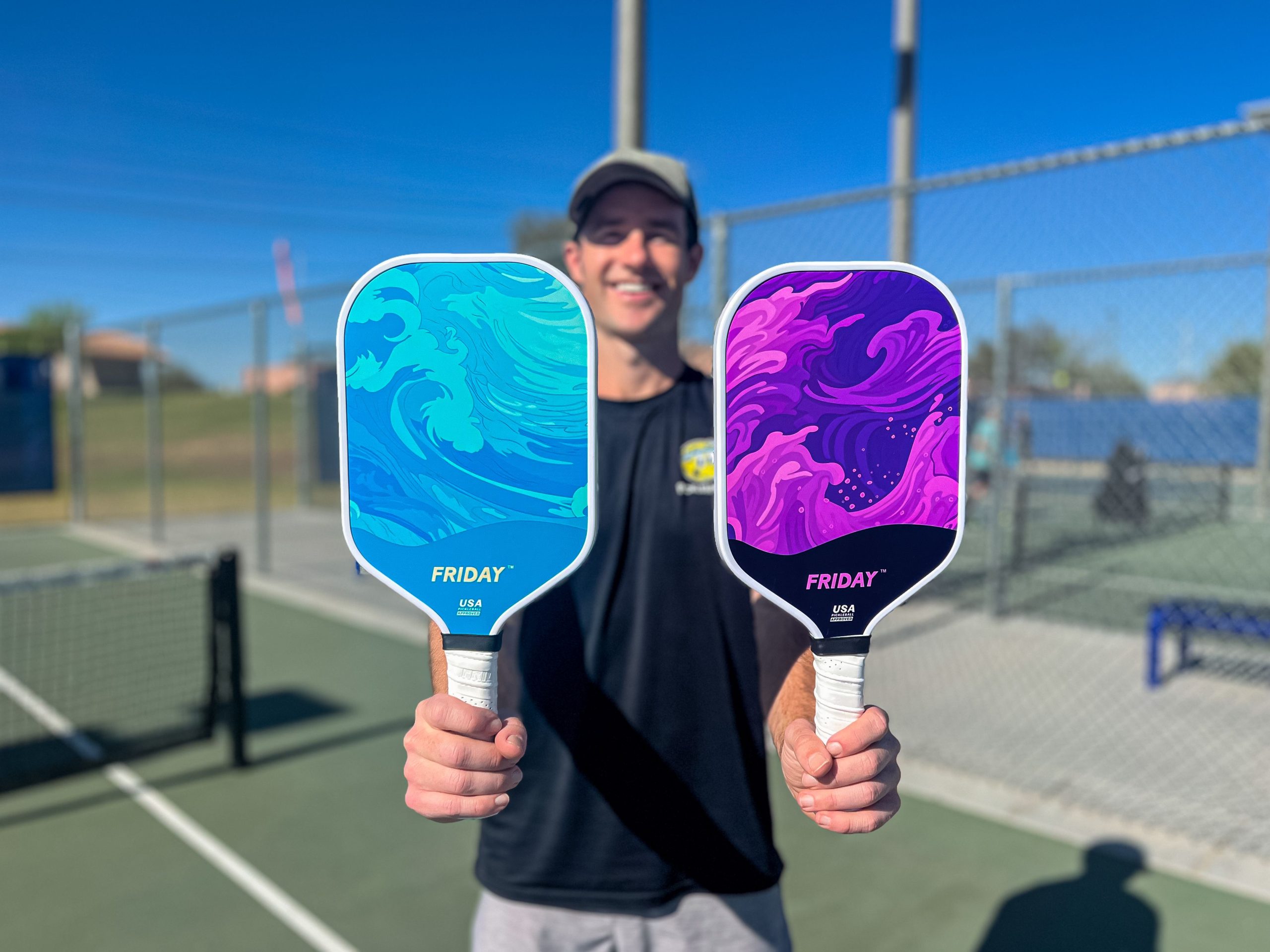
A good beginner paddle is 16 mm polymer, midweight, balanced, comfy grip.
If you want to know what is a good pickleball paddle for beginners, you’re in the right place. I’ve coached new players, tested many paddles, and learned what works. In this guide, I’ll break down simple specs, real feel, and smart buys. By the end, you’ll know exactly what is a good pickleball paddle for beginners and how to pick one with confidence.

What makes a beginner paddle “good”
A good beginner paddle is easy to swing, soft on the arm, and stable. It should feel calm on mishits. It should help you build clean strokes. That is what is a good pickleball paddle for beginners in simple terms.
Look for this mix:
- Weight: 7.6 to 8.2 oz for easy control and enough punch.
- Core: Polymer honeycomb. It is soft, quiet, and arm friendly.
- Thickness: 16 mm for a bigger sweet spot and more control.
- Face: Fiberglass or carbon. Fiberglass gives pop. Carbon gives feel and spin.
- Balance: Even or slightly head light to protect your elbow.
- Grip: 4 to 4.25 inches for most adults. Use an overgrip for fine tuning.
- Shape: Standard shape for a wide sweet spot while you learn.
- Price: $60 to $120 is the sweet spot for quality and value.
- Approval: USA Pickleball approved if you plan to play in leagues.
If someone asks, what is a good pickleball paddle for beginners, this list covers it. Keep the specs simple at first. Let your skills grow before you chase niche gear.
Paddle materials explained
Core types:
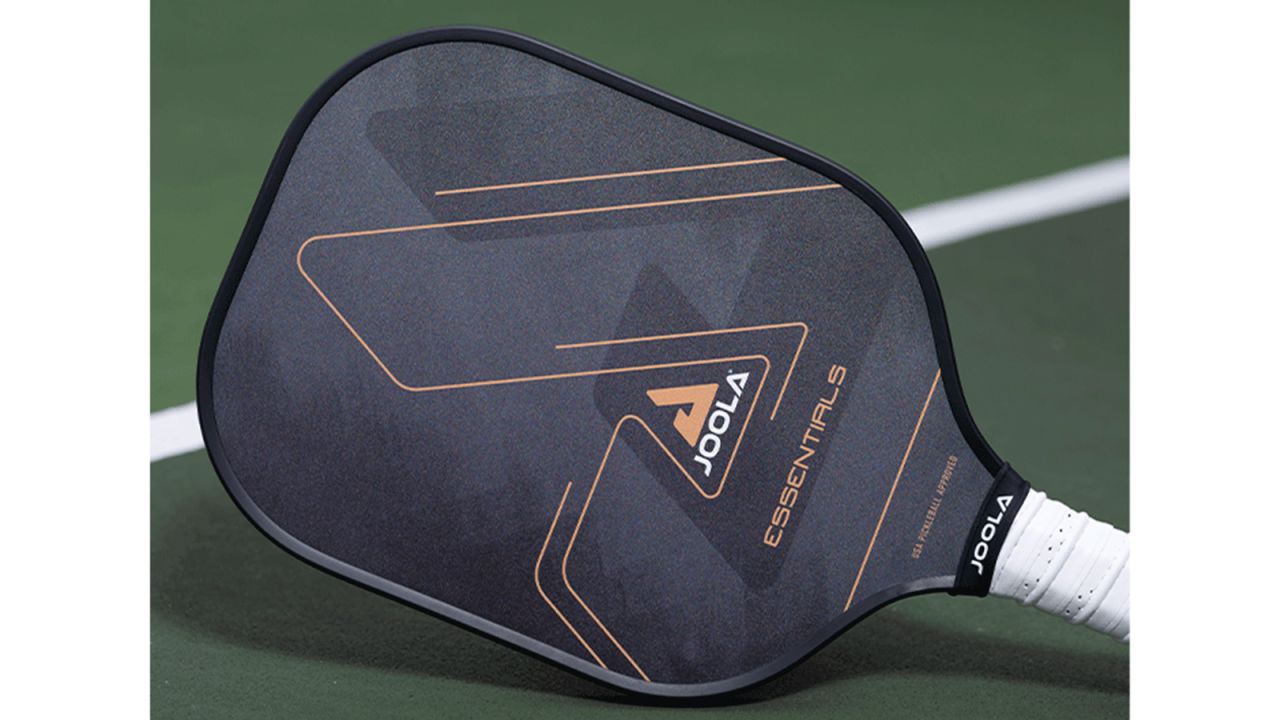
- Polymer honeycomb: Best for most new players. Soft feel. Good control. Low noise.
- Nomex: Hard and loud. Fast off the face. Not ideal for new arms.
- Aluminum: Light and soft. Less common now. Can dent with heavy use.
Face types:
- Fiberglass or composite: More pop and power. Easy depth on soft swings.
- Graphite or carbon fiber: More control and precise touch. Easier spin.
- Raw carbon fiber: Great spin and control. Can feel firm. Often costs more.
My rule of thumb for what is a good pickleball paddle for beginners:
- On a tight budget, pick fiberglass with a 16 mm core.
- If you value control, pick carbon with a 16 mm core.
Both paths work. The 16 mm core is the key for a kind, stable feel.
Weight, balance, and thickness
Weight
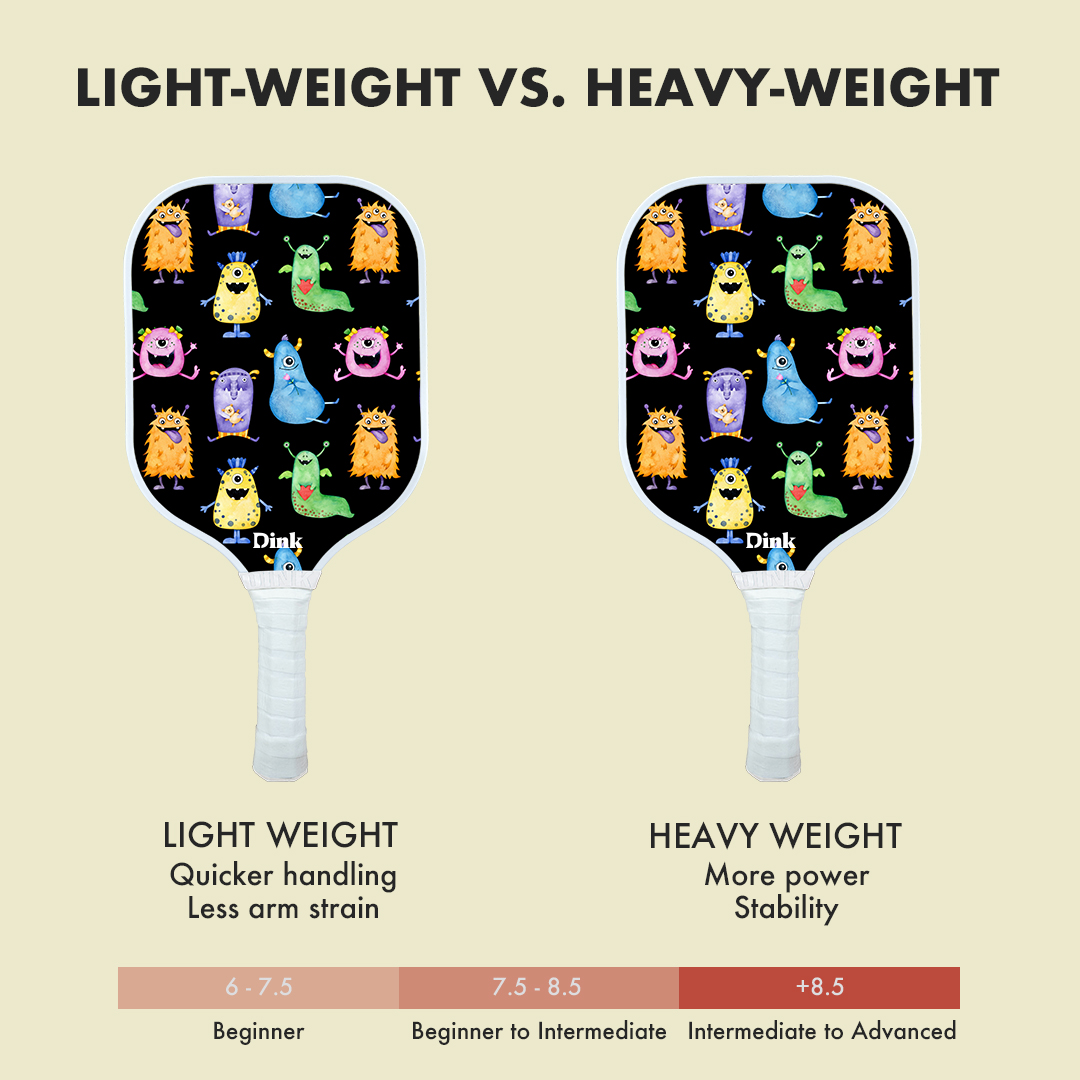
- Lighter than 7.6 oz: Fast, but can feel unstable.
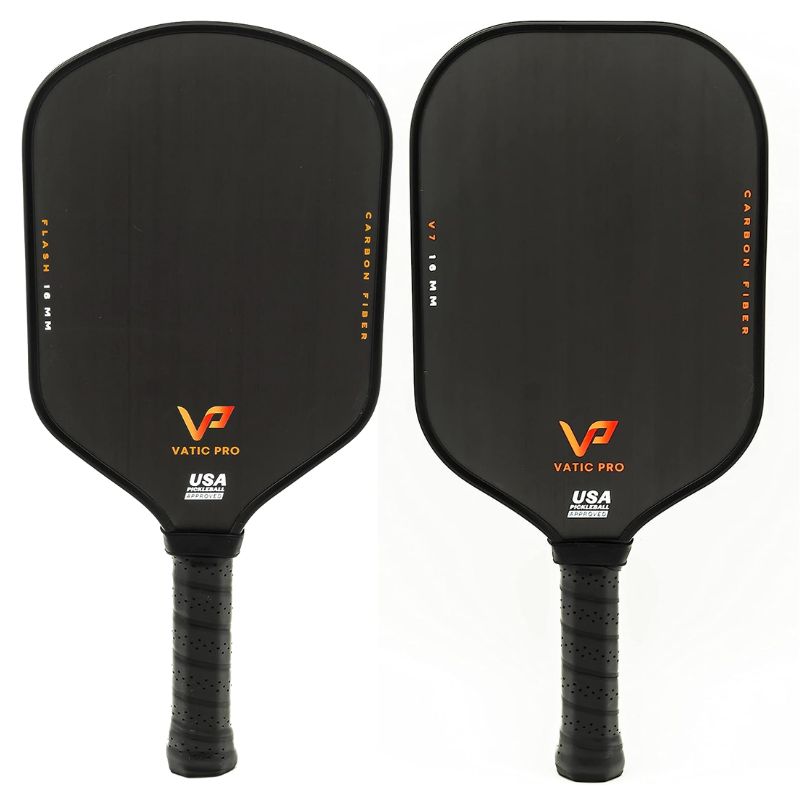
- 7.6 to 8.2 oz: Sweet spot for new players.
- Heavier than 8.5 oz: More power, but can tire the arm.
Balance
- Head light: Quicker hands. Easier on the elbow.
- Even: All-around feel. Good for most new players.
- Head heavy: Extra power at the cost of quick hands.
Thickness
- 13–14 mm: More pop. Smaller sweet spot.
- 16 mm: More control. Larger sweet spot. Better for learning.
If you ask what is a good pickleball paddle for beginners, I say 16 mm, midweight, and even balance. It is the most forgiving setup I see in clinics.
Grip size, handle length, and comfort
Grip size
- Most adults like 4 to 4.25 inches. Start small and add an overgrip.
- If your hand cramps, the grip is likely too small.
- If you squeeze hard to hold it, it may be too big.
Handle length
- Standard: Around 5 inches. Stable and comfy for most.
- Long handle: Better for two-hand backhands. Sweet spot can feel higher.
Texture and comfort
- A tacky overgrip boosts control and absorbs sweat.
- Change the overgrip often. It is cheap. It saves your hand.
This is where what is a good pickleball paddle for beginners gets personal. Comfort beats hype. Your hand should relax on the handle.

Price ranges and value
What you can expect:
- Under $50: Good for casual play. Often thin and bouncy. Smaller sweet spot.
- $60–$120: Best value. Solid cores. Consistent feel. Great for growth.
- $120–$200: Premium faces and build. Nice if you plan to play a lot.
- $200+: Top tech and brand cachet. Not needed to start.
For what is a good pickleball paddle for beginners, the $60–$120 range hits the mark. You get real quality without risk.

A simple 10-minute court test
Use this plan at your local store or demo day. It helps you feel what is a good pickleball paddle for beginners without guesswork.
Warm-up
- Dinks cross-court for one minute. Check touch and miss hits.
- Soft resets at the kitchen line for one minute. Look for calm bounce.
Ground strokes
- Ten forehands and ten backhands. Can you hit the same depth often?
- Ten drop shots from mid-court. Do they land in the kitchen?
Speed-up test
- Five blocks at the net. Does the paddle twist in your hand?
- Five punch volleys. Can you keep the ball down?
Spin check
- Three topspin serves. Three slice serves. Watch arc and depth.
Body check
- Any elbow buzz? Any wrist strain? If yes, try a lighter or more balanced paddle.
Write a yes/no by each item. The best score wins. Then ask yourself again: is this what is a good pickleball paddle for beginners for me?

Common beginner mistakes to avoid
- Chasing hype: The “pro’s” paddle may feel harsh for new players.
- Going too light: Fast at first, wild under pressure.
- Going too thin: A 13 mm core can feel lively and twitchy.
- Ignoring grip size: Comfort is control.
- Skipping approval: Some leagues need USA Pickleball approved paddles.
- Over-spending: Start with value. Upgrade after 20–30 hours on court.
When friends ask what is a good pickleball paddle for beginners, I warn them about these traps. Smart choices save your arm and your wallet.

Sample setups based on your style
Control first
- 16 mm polymer core
- Carbon face
- 7.8–8.1 oz
- Even balance
- Standard grip
Power with control
- 16 mm polymer core
- Fiberglass face
- 8.0–8.3 oz
- Slight head heavy balance
- Standard grip
Tennis convert
- 16 mm core
- Carbon face
- 5.25–5.5 inch handle for two-hand backhands
- 7.9–8.2 oz
Arm sensitive
- 16–19 mm core
- Even or head light balance
- 7.6–7.9 oz
- Soft overgrip to reduce shock
If you fit one of these, you now know what is a good pickleball paddle for beginners that matches your style.
Care, durability, and when to upgrade
- Wipe the face with a damp cloth to keep spin and feel.
- Replace overgrips often. Sweat kills control.
- Avoid hitting floors or fences. Edge guards help, but not against hard hits.
- Store in a cover. Heat can warp the core.
When to upgrade:
- You outgrow the speed of your hands at the net.
- You crave more spin or a softer feel.
- Your paddle loses pop or shows core dead spots.
As your game grows, your answer to what is a good pickleball paddle for beginners will change. That is normal. Let your game lead the change.
Real-world notes from coaching
- New players with a 16 mm midweight paddle improved faster at the kitchen.
- A head light build helped reduce tennis elbow in three of my students.
- A 4-inch grip plus one overgrip fit most hands and cut tension.
- Carbon faces helped soft hands. Fiberglass helped serve depth.
- Demo nights answered more questions than any spec sheet.
So, when you ask what is a good pickleball paddle for beginners, think feel first, spec second. Your body will tell you the truth in five minutes.
Frequently Asked Questions of what is a good pickleball paddle for beginners
What weight should a beginner paddle be?
Aim for 7.6 to 8.2 oz. It feels stable without tiring your arm.
Is fiberglass or carbon better for beginners?
Both work. Fiberglass gives easy power, while carbon gives more control and spin.
What grip size should I choose?
Most adults start at 4 to 4.25 inches. Use an overgrip to fine tune comfort.
Do I need a 16 mm paddle?
You do not need it, but it helps. A 16 mm core adds control and a larger sweet spot.
How much should I spend on my first paddle?
$60 to $120 is a safe target. You get quality without overpaying.
Should I buy a long-handle paddle?
If you use two hands on your backhand, yes. If not, standard handles are fine.
Does USA Pickleball approval matter?
It matters if you play leagues or events. For casual play, it is optional.
Will a lighter paddle prevent elbow pain?
Not always. Balance and core thickness also affect arm comfort.
Can I get spin with a beginner paddle?
Yes. Carbon faces add spin, and clean technique adds more.
How do I know when to upgrade?
When your skills outpace your paddle. If you need more control or spin, try demos.
Conclusion
A great first paddle is simple: 16 mm polymer core, midweight, even balance, and a comfy grip. That setup builds clean strokes, protects your arm, and keeps your game steady. From there, tweak face material and handle length to match your style.
Now it’s your move. Try two or three demos, use the 10-minute test, and listen to your body. Ready to dial in what is a good pickleball paddle for beginners for you? Explore our other guides, subscribe for fresh tips, or drop a question in the comments.