
A volley in pickleball is a shot struck out of the air, before it bounces.
If you have ever asked what is a volley in pickleball?, you are in the right place. I coach new and intermediate players, and I have logged thousands of points at the kitchen line. In this guide, I break down the rules, the tech, the feel, and the drills you need to master a clean, confident volley.
Definition and Core Rules of a Volley
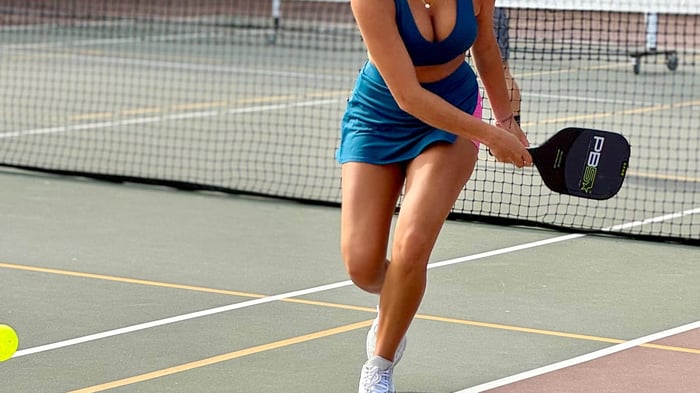
A volley is any legal strike on the ball before it hits the court. Your feet and anything you wear must not touch the non-volley zone during a volley. The line is part of the zone, so do not step on it. If you volley and your momentum carries you into the zone, it is a fault.
Many players ask what is a volley in pickleball? It is a simple answer with firm rules. You must hit the ball on your side of the net. Your paddle may cross the plane after contact, but you must not touch the net.
You may not volley a serve. The sport has a two-bounce rule. The serve must bounce once, and the return must bounce once, before volleys are allowed.

Why Volleys Matter in Pickleball Strategy
Volleys speed up the point and shrink your foe’s time to react. They help you hold the kitchen line and press weak balls. A strong volley game wins close rallies and saves you from long, risky swings.
In league play, my best results came from simple, firm volleys. I learned to pick on the paddle shoulder and target feet. That plan works at any level. When friends ask what is a volley in pickleball?, I say it is your fast tool to take time and space.
Where and When You Can Volley
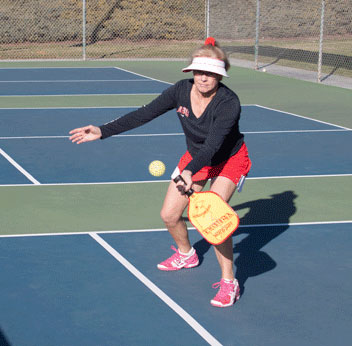
You can volley from anywhere outside the non-volley zone. The best spot is at the kitchen line, knees bent, paddle up. You can also volley in the mid-court when you are moving in, but your margin is lower there.
Let some balls bounce if they are dipping or low. High balls near the net are great for punch volleys. If you wonder what is a volley in pickleball? in real play, think “no bounce, out front, firm contact, safe feet.”
Technique: Grip, Stance, and Contact
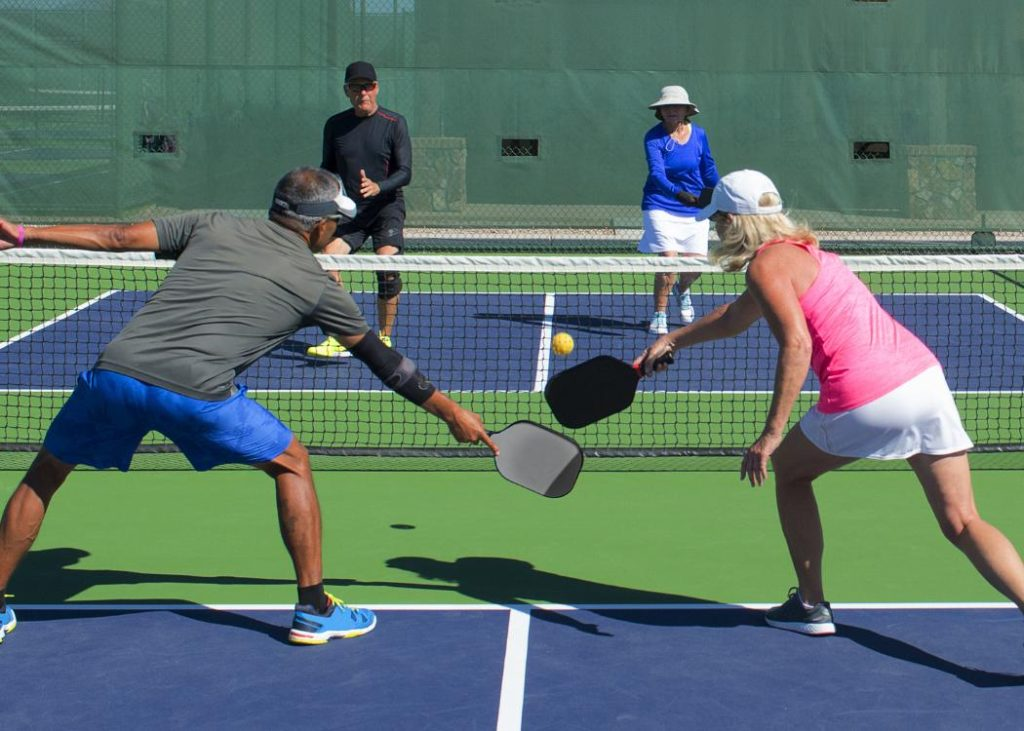
A tight, repeatable setup makes the volley easy. Keep the stroke short and quiet. Below is a simple, high-trust plan.
Grip
- Use a continental grip. It works for forehand and backhand with no change.
- Keep grip pressure light, around 3 out of 10. Softer hands, softer rebound.
- Use an overgrip for tack and size. It helps you control micro moves.
Stance
- Feet shoulder-width. Toes forward. Knees soft.
- Paddle up at chest height. Edge guard points up a bit.
- Elbows in front. This keeps the contact out front.
Contact
- Strike the ball in front of your body.
- Keep the face square to your target.
- Use a short push from the shoulder. Limit wrist flicks.
Punch vs Block
- Punch volley: Short, firm push when the ball is high or slow.
- Block volley: No swing. Angle the face and use the ball’s speed.
Forehand vs Backhand
- Forehand: Paddle face square, palm supports the push.
- Backhand: Slightly stronger for most players. Keep the wrist stable.
This is how I teach what is a volley in pickleball? during clinics. Simple setup. Simple contact. Simple result.
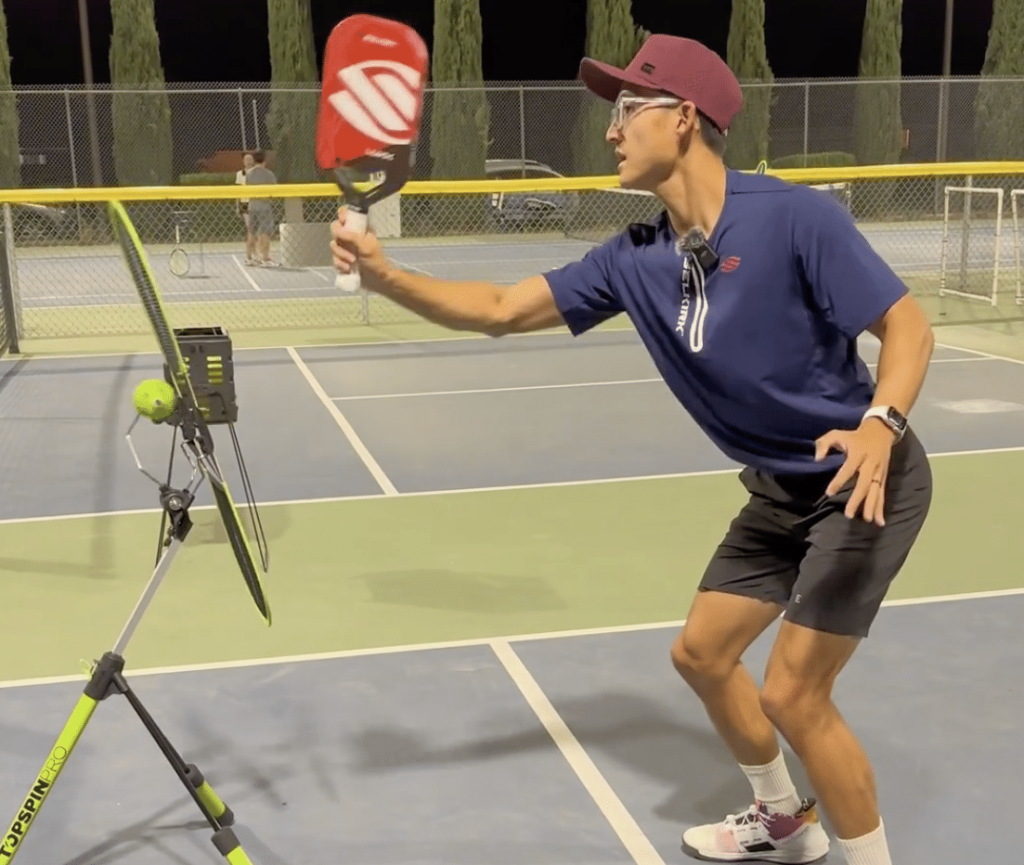
Types of Volleys
Understanding types helps your shot choice and control.
Block Volley
- Best when the ball is fast or heavy.
- You hold the line and let the ball do the work.
Punch Volley
- Best on high balls or floaters.
- A short, firm push sends the ball deep or at feet.
Roll Volley
- A gentle brush adds a bit of topspin.
- Use it to lift low balls without popping them up.
Drop Volley
- Soft hands cushion the ball short.
- It is still a volley because the ball has not bounced. A half-volley is not a volley.
When people ask what is a volley in pickleball?, I show these four feels. They cover 90% of your net touches.

Common Mistakes and How to Fix Them
- Big swings at the kitchen line. Fix: Shorten the stroke. Let the ball’s speed help you.
- Standing on the line. Fix: Keep toes two to six inches back from the line.
- Dead grip or death grip. Fix: Lighten your hand. Adjust pressure by ball speed.
- Contact too close to your body. Fix: Elbows forward. Meet the ball out front.
- Flicky wrist. Fix: Set the wrist and move from the shoulder.
- Aiming for winners on low balls. Fix: Reset or block cross-court at the feet.
These are the traps I see most when teaching what is a volley in pickleball? Clean up these points, and your net game jumps fast.

Drills to Improve Your Volley
Drill small, often, and with a purpose. Ten minutes a day beats one long grind.
Solo Wall Drill
- Stand 10 to 12 feet from a wall.
- Tap the ball with a block volley. Aim for chest-high hits.
- Do 50 forehands, 50 backhands, then 50 alternates.
Partner Kitchen Tap
- Both players at the kitchen line.
- Start slow, block to each other’s chest.
- Build pace. Keep the ball below net height when you can.
Target Box
- Place two cones a step inside the opponent’s baseline.
- From your kitchen line, punch volleys to land in the box.
- Ten balls to the forehand box, ten to the backhand box.
Low Ball Lift
- Partner feeds low, dipping balls.
- Use a roll volley to lift cross-court with shape.
- Focus on soft hands and net clearance.
Reaction Fire
- Partner stands 12 feet away and feeds fast.
- You block to the middle with no swing.
- Switch roles after 30 balls.
These drills turn the idea of what is a volley in pickleball? into muscle memory. Keep reps short and sharp.

Rules You Must Know About Volleys
Knowing the rules keeps you safe from free points for the other team.
- Non-volley zone: You cannot volley while in the zone or on the line.
- Momentum rule: If you volley and then step or fall into the zone, it is still a fault.
- Two-bounce rule: Serve bounces once, return bounces once. Only then can you volley.
- Net plane and contact: Hit the ball before your paddle crosses the plane. Your follow-through may cross, but do not touch the net.
- Double hit: An unintentional, single-motion double contact is legal. A carry or second swing is not.
- Around-the-post: Legal if the ball travels outside the post. A volley ATP is fine.
- Erne: You may volley near the sideline by jumping from and landing outside the zone. Do not step on the line.
- Clothing and gear: If your hat, paddle, or body touches the net during the rally, it is a fault.
When folks wonder what is a volley in pickleball?, I add this: a legal volley is about the feet, the plane, and calm hands.

Equipment and Setup Tips
Gear helps, but only if it serves your touch.
- Paddle face: A softer core helps with blocks and drop volleys.
- Weight: A little extra weight adds stability against pace.
- Overgrip: Fresh grip improves feel and reduces squeeze.
- Balls: Softer balls in cold weather bounce less. Aim lower on punch volleys.
- Shoes: Good grip supports fast stops at the line.
- Eye protection: Volleys can be fast. Protect your eyes.
Smart choices make what is a volley in pickleball? feel simple and safe.
Safety and Etiquette at the Kitchen Line
Play hard and play fair. The kitchen is busy space.
- Keep your paddle up to guard your face.
- Use clear calls with your partner. Say mine or yours early.
- Do not swing big near your partner. Use compact strokes.
- Call your own foot faults. It builds trust.
- Check that opponents are ready before you speed up a ball.
A little care goes a long way. It also frees your mind to focus on what is a volley in pickleball? when the point heats up.
Frequently Asked Questions of what is a volley in pickleball?
What is a volley in pickleball?
A volley is a shot hit out of the air before it bounces. You must be outside the non-volley zone and avoid touching the line.
Can I volley from inside the kitchen?
No. Any volley while in the non-volley zone or on its line is a fault. Momentum that carries you into the zone after a volley is also a fault.
When can I start volleying during a rally?
After the two-bounce rule is met. The serve must bounce once, and the return must bounce once, before any volley is allowed.
Is a half-volley the same as a volley?
No. A half-volley is hit right after the bounce, which makes it a groundstroke. A true volley has no bounce first.
What is a punch volley?
It is a short, firm push with a small forward move. Use it on high balls or slow floaters near the net.
Can I touch the net on a volley follow-through?
No. Your paddle may cross the plane after contact, but any touch of the net is a fault. Keep your body and gear clear.
Conclusion
A volley is a short, calm move that wins time and space. Learn the rules, keep a simple setup, and train with short, focused reps. The next time someone asks what is a volley in pickleball?, you will have the answer and the skills to prove it.
Take this guide to the court this week. Pick one drill and one fix, and track your progress. Want more tips like this? Subscribe for weekly drills and court-ready advice.