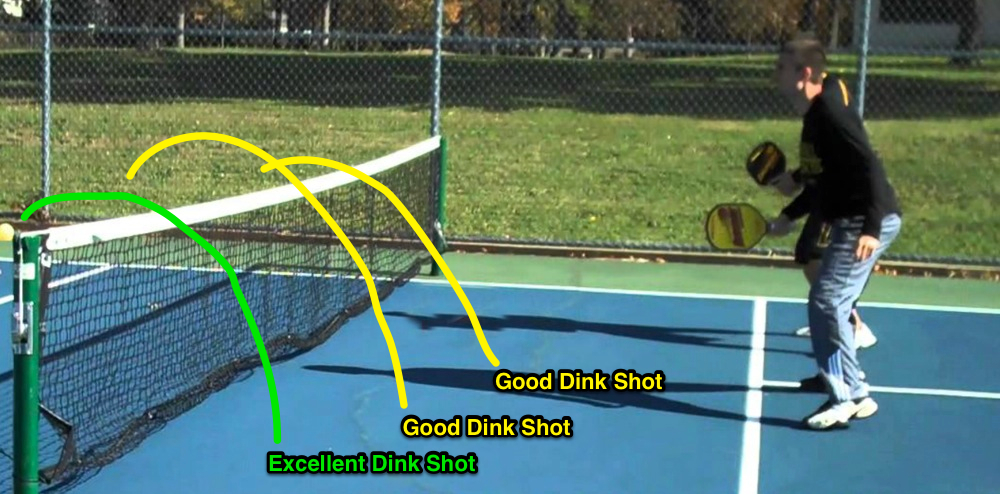
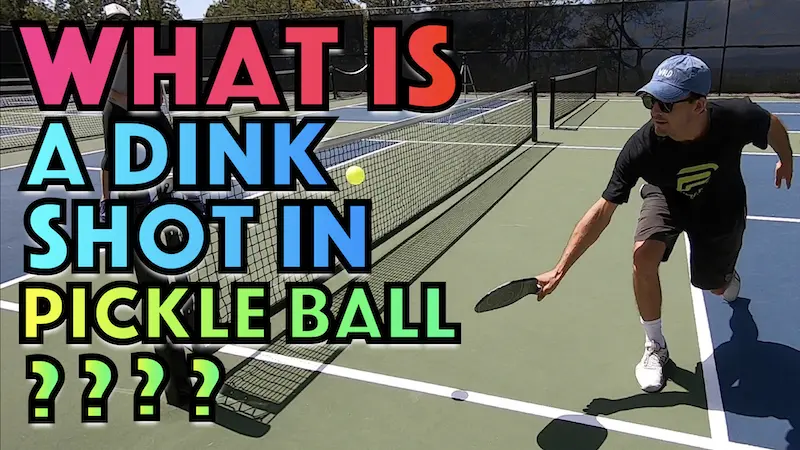
A dink is a soft, controlled shot that drops into the kitchen.
If you’ve wondered what is dink in pickleball and why it wins points at every level, you’re in the right place. I’ve coached dozens of new and mid-level players, and the dink is always the turning point. Once you learn it, rallies feel calmer, your errors drop, and your confidence rises. This guide breaks down what is dink in pickleball with clear steps, drills, strategy, and real-court tips.
The fundamentals of the dink shot
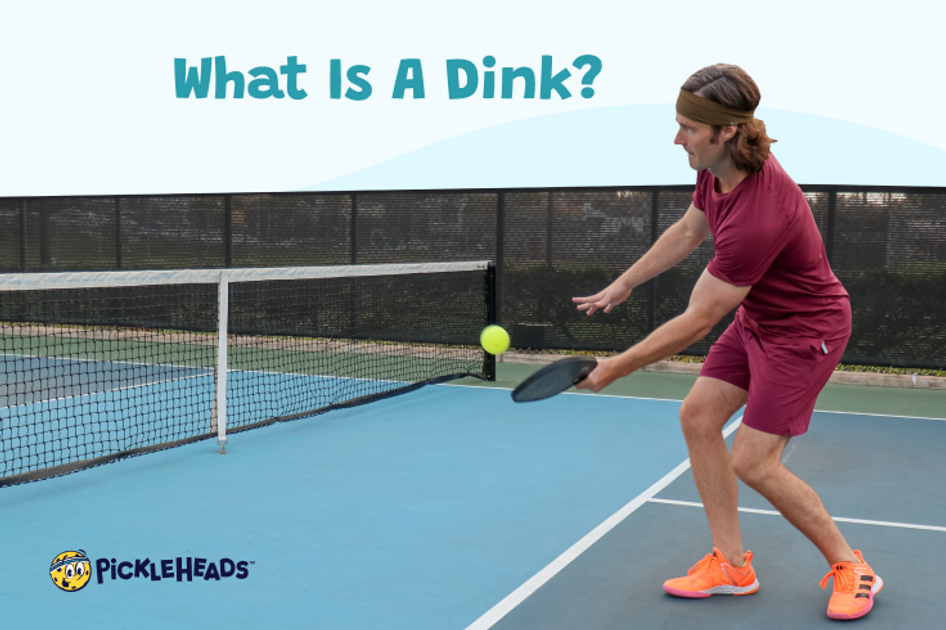
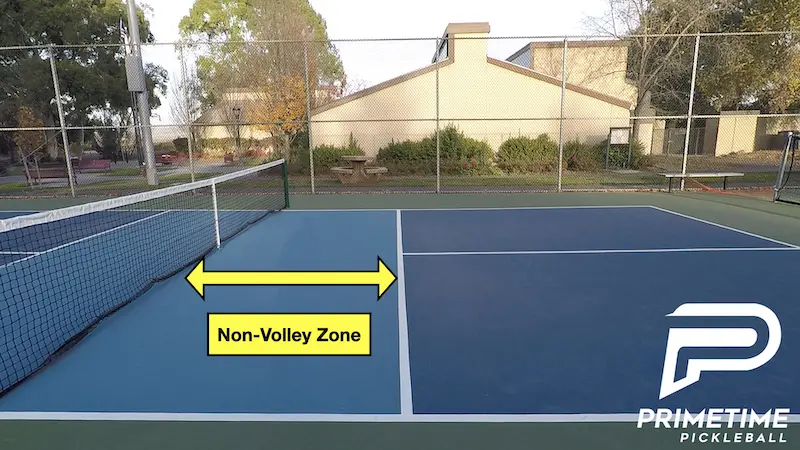
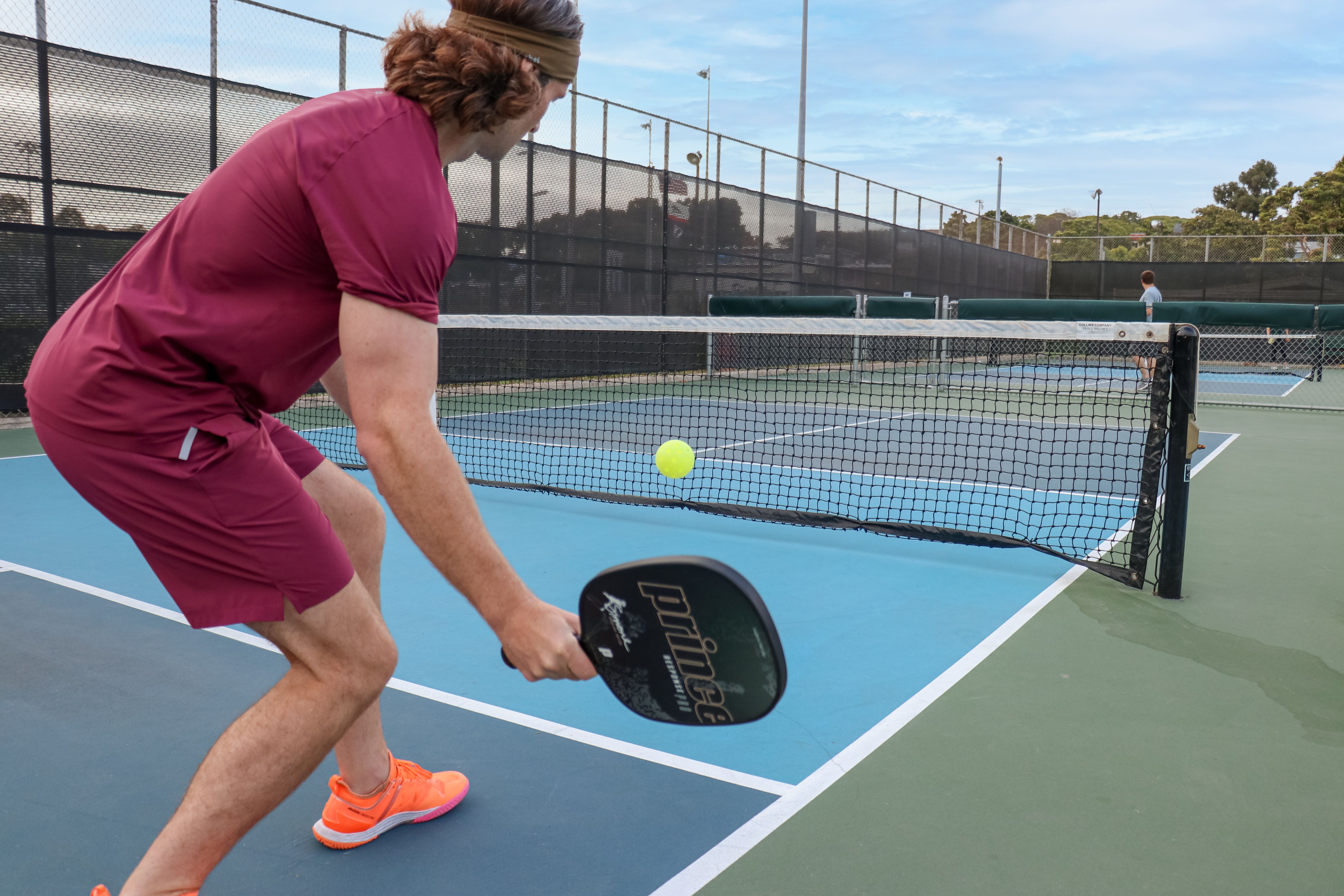
A dink is a gentle shot played with touch and control. You use a short swing, an open paddle face, and a relaxed grip. The ball arcs over the net and lands in the non-volley zone, also called the kitchen. It forces your opponent to hit up, not forward, which limits their power.
When people ask what is dink in pickleball, I explain it like this: it’s the soft game. You are not trying to blast winners. You are trying to shape the rally. You keep the ball low, safe, and hard to attack. This is why top players can dink 20, 30, even 50 shots in a row before a clean chance appears.
Many players think a dink is only off the bounce. Not always. A volley dink is a soft, controlled touch taken out of the air while staying behind the non-volley zone line. The goal is the same: keep it low and unattackable.
Why the dink matters so much
If your goal is to grow fast, learn what is dink in pickleball and make it your base. The dink is control. It switches the rally from chaos to calm. You slow the ball. You move your rivals. You expose gaps.
On a small court, angles rule. A crosscourt dink gives you a longer distance, more net to clear, and more time to get ready. It also pulls your opponent wide, which opens a middle gap. That is where many points end.
Data from elite matches shows long dink rallies are normal. Players test patience, footwork, and discipline. When you can dink with depth, aim, and arc, you draw pop-ups. Then you finish with a safe put-away.

Technique: how to dink with clean form
What is dink in pickleball without solid mechanics? It starts with a quiet body and a short, simple stroke. Keep your moves small. Think “push” not “swing.”
Grip and paddle face
- Use a continental grip. It helps you adjust to both forehand and backhand.
- Hold the paddle like a firm handshake. Use a light grip for feel.
- Keep the face slightly open. This lifts the ball with a gentle arc.
Stance and footwork
- Stay on the balls of your feet. Knees soft. Chest tall.
- Take small adjustment steps. Do not reach and lean.
- Get the ball in front of you. Contact near knee height.
Swing path and contact
- Minimal backswing. Just a small set and a soft push.
- Lead with the shoulder and arm as one unit. Quiet wrist.
- Finish toward your target. Freeze the paddle for a beat.
Targets and depth
- Aim crosscourt for more margin.
- Hit to the outside foot or backhand hip.
- Mix short, middle, and deep dinks to move your opponent.
Personal note: when I teach what is dink in pickleball to new players, I place a coin on the opposite kitchen and ask them to “kiss” the coin, not crush it. That image fixes their touch within minutes.
Common mistakes and how to fix them
Learning what is dink in pickleball means avoiding easy errors. These are the big ones I see and how to correct them.
- Big backswing: Keep it short. Set the paddle early and push, don’t slap.
- Flicking the wrist: Lock your wrist. Use your shoulder and forearm as one piece.
- Standing tall: Bend your knees. Lower your center to control the ball height.
- Hitting too hard: Focus on arc, not speed. The lower the contact, the softer the push.
- Reaching into the kitchen: Respect the non-volley zone. Move your feet before your hand.
- Staring at the ball: After contact, look up. Recover your paddle to ready position fast.

Drills to master the dink
If you want to nail what is dink in pickleball, practice with purpose. These drills build touch, aim, and footwork fast.
-
Kitchen-to-kitchen rally
- Stand at the NVZ lines with a partner.
- Rally crosscourt dinks only for 50 balls. Track unforced errors.
- Progress to down-the-line dinks for 30 balls.
-
Box targets
- Place four cones in the opposite kitchen corners.
- Hit five balls to each cone before moving on.
- Score your hits. Try to beat your own score.
-
Triangle pattern
- Aim to the wide crosscourt, then middle, then at the opponent’s outside foot.
- Repeat 10 cycles. Keep a steady tempo.
-
One-up, one-back reset
- One player at the baseline plays drops. The other player dinks.
- Goal: convert from baseline to the kitchen with calm resets, then dink.
- Switch roles after 3 minutes.
-
Wall touch drill
- Stand 10–12 feet from a wall.
- Softly dink the ball to a chalk box knee-high on the wall.
- Focus on a quiet wrist and a soft arc for 3 sets of 30.
Tip: Use a metronome app at a slow beat. It helps you groove a calm rhythm, which is key to what is dink in pickleball under pressure.
Advanced dinking tactics
Once the basics feel solid, upgrade how you use what is dink in pickleball.
- Change of pace: Mix two soft dinks, then a slightly deeper one to jam their feet.
- Spin: Use light topspin to dip the ball at their toes. Use slight backspin to float it and make them lift.
- Pattern breaking: Go crosscourt five times, then surprise down the line to the backhand hip.
- Middle squeeze: Aim between players. Force a “yours/mine” moment to draw a pop-up.
- Bait and counter: Leave a small open angle. When they bite, counter-dink to the opposite corner.
- Volley dinks: Take balls out of the air when safe. This steals time and keeps you on offense.
Pros often say, “Win the soft game, win the match.” That is the heart of what is dink in pickleball at high levels.

Gear and conditions that affect the dink
The right setup makes touch far easier. When players ask what is dink in pickleball gear-wise, here is my simple guide.
- Paddle: A softer core and textured face help with feel and spin. Avoid paddles that feel too “trampoline-like.”
- Grip size: If it feels bulky, your touch will suffer. Use overgrips to fine-tune.
- Ball: Different balls bounce and skid in different ways. Expect a lower bounce in cold weather.
- Shoes: Stable court shoes help you hold your line by the kitchen. That boosts balance and control.
- Weather: Wind pushes dinks. Aim lower into the wind and higher with the wind. Heat makes balls bounce higher, so soften your touch.

Etiquette, mindset, and reading the rally
Understanding what is dink in pickleball is also about patience and respect. The dink game rewards calm choices.
- Patience: Your goal is not to end it fast. It is to wait for the right ball.
- Communication: In doubles, call “mine,” “yours,” “middle,” and “bounce.” Clear calls save points.
- Body cues: If your rival leans forward, aim behind them. If they back up, drop it short.
- Reset first, attack second: If the ball sits high, press. If not, reset and live to fight another shot.
- Emotional control: Smile between points. A calm face keeps your hands soft.
Frequently Asked Questions of what is dink in pickleball
What is dink in pickleball compared to a drop shot?
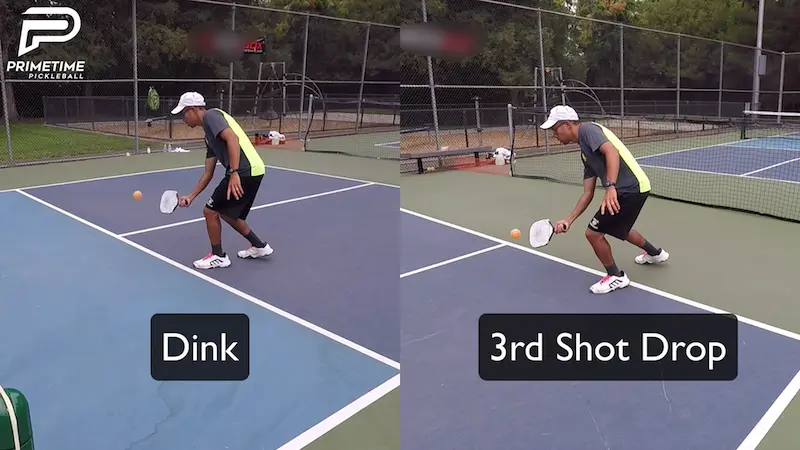
A dink is played at or near the kitchen, often off the bounce, with soft touch. A drop shot is hit from farther back, like the baseline, to land in the kitchen and start the soft game.
Why is the dink so important in doubles?
Doubles points often hinge on who controls the kitchen line. A steady dink keeps balls unattackable and sets up easy put-aways.
Can I dink with topspin or backspin?
Yes. Light topspin helps the ball dip, and slight backspin can make it sit and skid. Keep spin subtle so you do not lose control.
How do I stop popping the ball up?
Lower your contact point, soften your grip, and quiet your wrist. Aim for a gentle arc that clears the net by a foot or less.
Is crosscourt or down-the-line better for dinking?
Crosscourt gives you more space and time. Down-the-line works as a surprise or to attack a weaker side.
What is dink in pickleball for singles play?
It still matters, but you will use it less than in doubles. Use dinks to pull your opponent wide and open the court.
How close should I stand to the kitchen line?
Toe up to the line without touching it. It reduces reach errors and keeps your contact point out front.
Conclusion
Mastering what is dink in pickleball changes your game fast. Soft control beats wild power, and smart targets create easy chances. Focus on clean form, quiet hands, and steady footwork, and your error count will drop.
Start with 10 minutes of dinks before every session this week. Track your unforced errors and try to beat yesterday’s number. If this helped you understand what is dink in pickleball, share it with a partner, subscribe for more guides, and drop a comment with your biggest dink challenge.