
Dinking in pickleball is a soft, controlled shot that lands in the kitchen.
If you have wondered what is dinking in pickleball, you are in the right place. I coach players from first-timers to tournament regulars, and I can tell you this: dinking is the quiet engine behind smart wins. In this guide, I will break down the shot, the strategy, and the drills so you can use it with confidence in real games. Read on to learn how to master the soft game and control more points.

What Is Dinking in Pickleball?
Dinking is a soft shot hit with a gentle, short stroke. The ball travels in a low arc and lands in the non-volley zone, also called the kitchen. The goal is control, not power. It keeps the ball low so your opponent cannot attack.
If you are asking what is dinking in pickleball from a strategy angle, think of it as chess at the net. You move pieces one square at a time until the attack is safe. The dink sets up errors and high balls you can finish. It also buys time to move, reset, and read patterns.
Why Dinking Matters: Benefits for Every Level
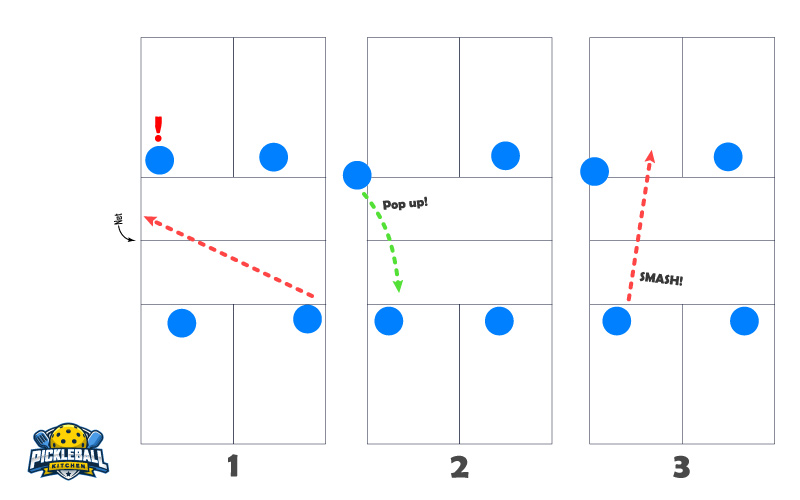
Dinking slows the game when you need it, and it exposes weak technique. It helps you win long rallies with patience, not luck. It also lowers your errors near the kitchen line.
Key benefits:
- Forces low contact, which limits speed-ups from your opponent.
- Moves players out of position with angles and depth changes.
- Sets up easy put-aways when a ball pops up.
- Reduces unforced errors by aiming big targets near the net.
- Builds teamwork and rhythm in doubles.
If you still wonder what is dinking in pickleball for beginners, it is the safest way to play at the net. For advanced players, it becomes a weapon that shapes every point.

The Mechanics: How to Hit a Solid Dink
Technique makes or breaks this shot. Keep it simple and repeatable.
Step-by-step:
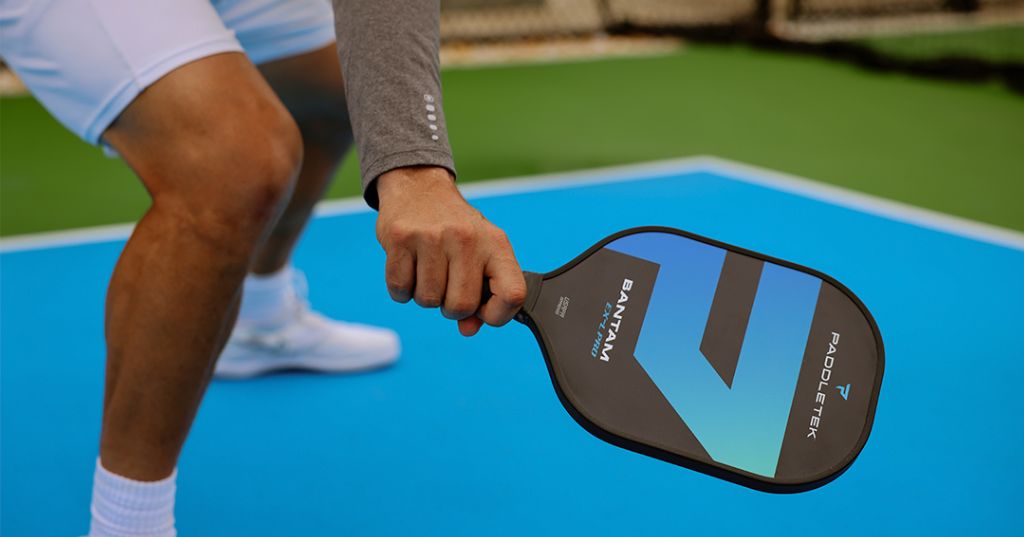
- Grip: Use a relaxed continental grip. Hold the paddle like a hammer, with soft fingers.
- Stance: Feet shoulder-width. Knees soft. Chest tall. Paddle up in front.
- Contact: Out in front of your body. Bend from the knees, not the wrist.
- Swing: Short, smooth stroke. Push the ball with your shoulder, not a flip.
- Paddle face: Slightly open. Aim a gentle arc that clears the net by 6–12 inches.
- Placement: Crosscourt is safest. Middle to cause confusion. Short and low to test feet.
- Depth: Land near the opponent’s kitchen line for pressure. Mix in shorter dinks to pull them in.
- Recovery: Paddle up. Reset your stance. Be ready for the next shot.
A quick check if you ask what is dinking in pickleball in practice terms: it is a quiet push, not a swing. Keep your wrist calm and your swing short.
Dinking Strategy and Shot Selection
Good dinks set traps. Great dinks create stress.
Smart patterns:
- Crosscourt dink: Longer distance and lower net. This gives more margin and time.
- Down-the-line dink: Use as a change-up. Keep it very low to avoid attacks.
- Middle dink: Aim at the “T” between players. It can cause a pause or a mix-up.
- Depth change: Deep to pin them. Short to pull them off balance.
- Height change: Mix net height by a few inches to disturb rhythm.
- Tempo: Slow two balls, then speed up the third when they lean in.
When to attack out of a dink:
- If the ball rises above net level.
- If you see their paddle low or late.
- If they step across their body and leave space.
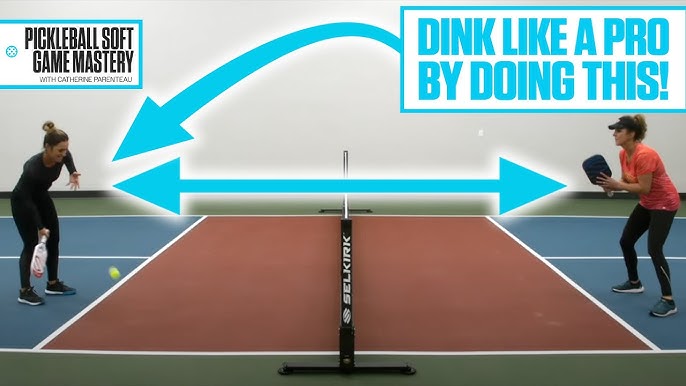
How what is dinking in pickleball ties to the third shot: drop the returner back with a third-shot drop, get to the kitchen, then use dinks to earn a pop-up.
Footwork and Positioning at the Kitchen Line
Your feet make your dinks steady. Your paddle makes them precise.
Keys to steady movement:
- Slide, do not lunge. Shuffle sideways to meet the ball early.
- Keep your chest facing the ball. Use small steps, then set your base.
- Contact in front. If it gets behind you, reset with a soft lift.
- Split-step as your opponent hits. This keeps you springy and ready.
- Stay close to the line. Do not drift back unless you must.
- With a partner, match your positions to close gaps.
If you are thinking what is dinking in pickleball for footwork, remember this rule: move first, then hit.

Common Mistakes and Fixes
Most dink errors come from tension, reach, or poor aim. Here is how to fix them fast.
Frequent issues and cures:
- Pop-ups: Too much wrist or a closed paddle. Use a softer grip and a stable face.
- Net misses: Swing is too long. Shorten the stroke and add a slight arc.
- Reaching: You are late to the ball. Start sooner and take small steps.
- Floating balls: Paddle too open. Close it a touch and aim deeper.
- Backing up: Fear of the net. Trust your soft hands and hold the line.
- Attacking bad balls: Be patient. Only speed up balls at or above net height.
When players ask what is dinking in pickleball at match speed, I say it is calm technique under pressure. Breathe, slow down, and let the other side blink first.

Drills to Master the Dink
Reps build touch. Keep the drills short and focused.
Easy, high-value drills:
- Box dinks: Both players aim to the front corner boxes of the kitchen. Ten in a row each side.
- Crosscourt only: Diagonal dinks for two minutes. Switch sides and repeat.
- Target coins or cones: Place two targets near the far kitchen line. First to 10 hits wins.
- Ladder depth: Two dinks short, two to the line, repeat. Feel the height control.
- “No attack” rally: Play to 11 with the rule that you can only attack balls above net height.
- Wall work solo: Stand 10–12 feet from a wall. Soft taps to a chalk square for two minutes.
If you crave a drill that explains what is dinking in pickleball in minutes, do crosscourt-only to a small towel. It boosts margin, aim, and patience at once.
Dinking for Different Levels and Styles
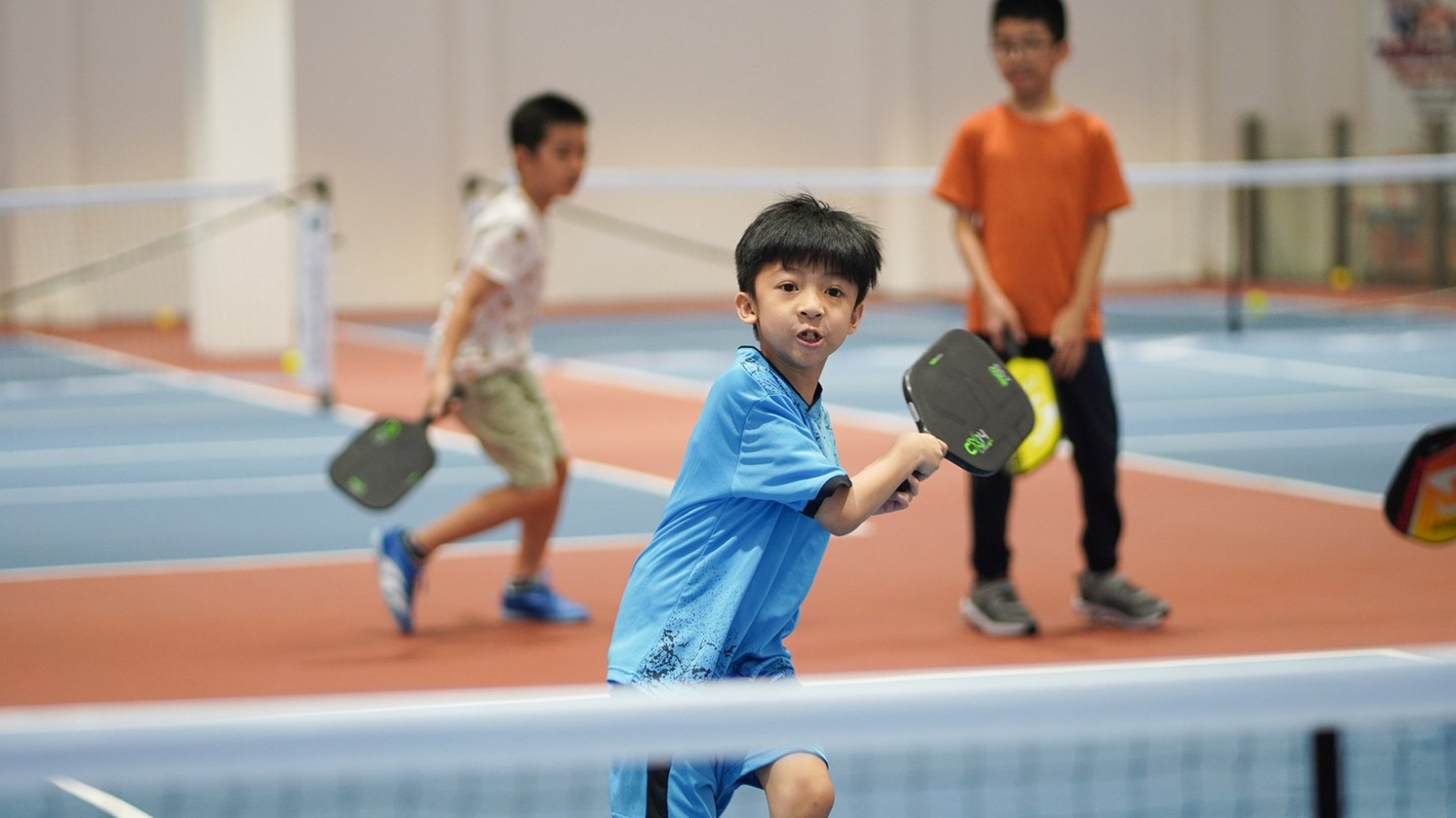
You can tailor the dink to your skill and paddle.
By level:
- Beginners: Focus on a simple, soft push. Aim crosscourt. Clear the net by 8–12 inches.
- Intermediate: Add middle targets, depth changes, and a plan for safe speed-ups.
- Advanced: Shape spins and disguise. Use step-ins and attack windows.
By style:
- Against bangers: Dink shorter to bring them in. Force low contact and take away drive space.
- Against soft players: Push them deep and wide. Then surprise down the line.
- Gear notes: A textured paddle with a soft core helps touch. Use a light grip to keep feel.
A final word on what is dinking in pickleball for singles: you will dink less, but the same touch helps resets and sharp angles near the kitchen.
Rules That Affect Dinking
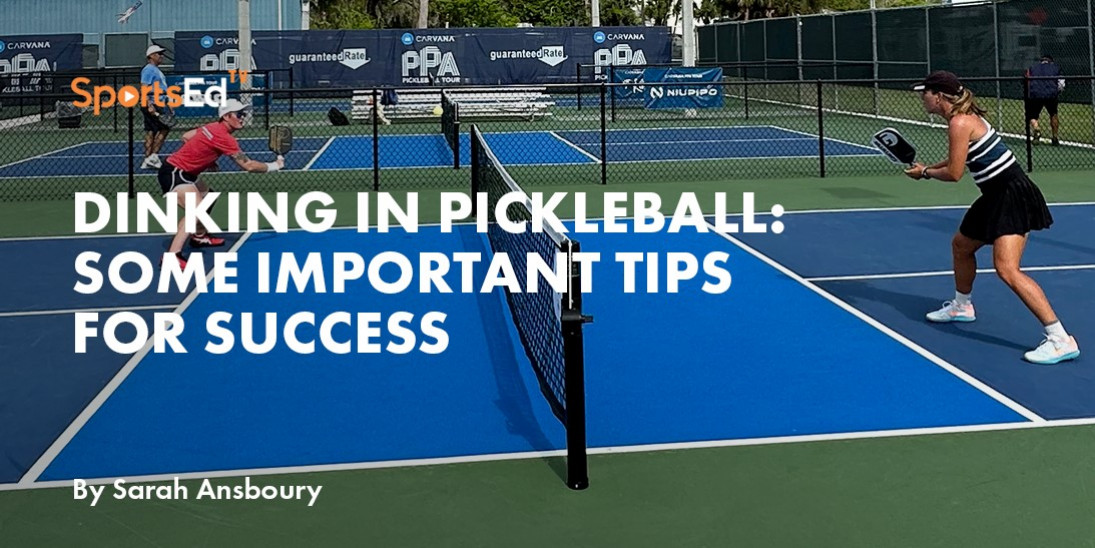
Know the non-volley zone rules. They shape every dink.
Core points:
- You cannot volley while touching the kitchen or its line. Both feet must be clear on a volley.
- You can step into the kitchen to hit a dink after the ball bounces. Then step back out to be ready.
- The two-bounce rule still applies on serve and return. After that, you can volley if legal.
- Any body or paddle contact with the kitchen during a volley is a fault. Momentum counts.
If you ask what is dinking in pickleball under the rules, it is a bounce-first, soft shot by design. Check the official rulebook for updates before events.
Mindset and Tactics: Patience Without Passivity
A strong dink is calm and alert, not slow and sleepy. Think “quiet hands, active feet.”
Mental tips:
- Choose margin first. Win with fewer errors.
- Count to three before you attack. This prevents rushed speed-ups.
- Watch their paddle face for clues. High paddle means they may attack.
- Breathe between hits. This relaxes grip and boosts touch.
From my clinics, the biggest leap came when players embraced this idea: what is dinking in pickleball if not controlled pressure? You are not waiting; you are building.
Frequently Asked Questions of what is dinking in pickleball
What is dinking in pickleball, in simple terms?
It is a soft shot that lands in the kitchen after a bounce. It stays low so your opponent cannot swing hard.
How is a dink different from a drop shot?
A drop is hit from farther back, often the third shot, to reach the kitchen. A dink is played at the kitchen line during a rally to control pace and space.
When should I attack out of a dink?
Attack when the ball sits above net height, or your opponent is off balance. If you are not sure, stay soft and reset.
Can I volley a dink from the kitchen line?
You can volley only if you are not touching the kitchen or its line. If you step in, let it bounce, then hit.
How do I practice dinking alone?
Use a wall. Mark a target at kitchen height and tap soft shots into it. Keep your swing short and your wrist quiet.
Is backspin useful on dinks?
A little backspin can keep the ball low and skid. Use it as a change-up, not on every ball.
How do I handle a player who speeds up out of dinks?
Keep your dinks lower and to their backhand. Aim middle to take away angles and wait for a high ball to counter.
Conclusion
Dinking is the heartbeat of smart pickleball. It gives you control, time, and clean chances to attack. With simple form, steady feet, and clear targets, you will win more points with fewer risks.
Try this plan today: five minutes of crosscourt dinks, five minutes of middle targets, then a game where you only attack above net height. Share your progress, ask a question, or subscribe for weekly drills. Your soft game starts now.