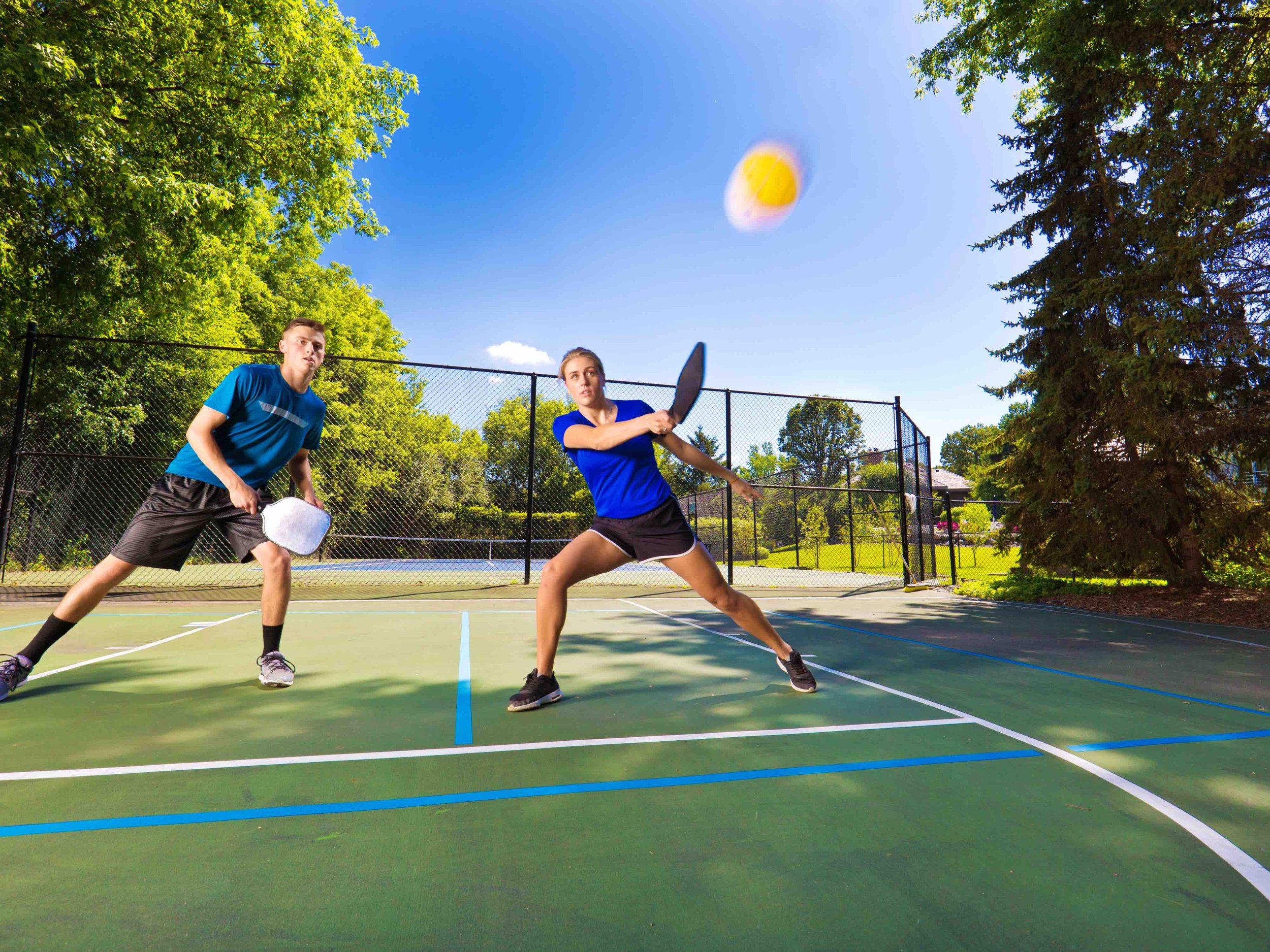
Open play in pickleball is drop-in, rotating games with mixed skill levels and partners.
If you have wondered what is open play in pickleball, you are in the right place. I have run open sessions for years, and I will show how they work, why they matter, and how to thrive. By the end, you will know exactly what is open play in pickleball and how to find the best fit near you.
What Is Open Play in Pickleball?
Open play is a set time when anyone can show up and join games. You do not need a set partner or a court reservation. You play short games, rotate partners, and meet many players.
Most centers offer different blocks by level. Some are all-levels. Others list beginner, intermediate, or advanced times. This helps games flow and keeps the vibe friendly.
If you came here asking what is open play in pickleball, think of it as community time on courts. It is casual. It is fast. It is the easiest way to learn and to play more.

How Open Play Works: Formats, Rotations, and Flow
Every location runs open play a little differently. But the basics are simple and feel the same.
Common rotation methods:
- Paddle rack or fence hook. Place your paddle in line. First four paddles go next.
- Paddle stacks. Two paddles together mean you want to stay partners. Singles paddles mean random partners.
- Whiteboard sign-ups. Write your name. Staff calls the next four players.
Popular game formats:
- Games to 11, win by 2. Standard scoring for doubles.
- Games to 9 or 11, win by 1. Faster turnover on busy days.
- Timed games. Eight to ten minutes per round.
Simple flow:
- Arrive, sign in, and check level rules.
- Warm up for two to three minutes.
- Play a short game, then rotate off and place your paddle back in line.
If you want a one-line answer to what is open play in pickleball, it is this: drop in, rotate often, and enjoy the mix.

Why Players Love Open Play: Benefits for All Levels
Open play gives quick reps. You get more serves, returns, and third shots in less time. You also face many styles, so you adapt fast.
It is social. You meet neighbors, mentors, and future partners. It is also cheap or free at many parks, which makes it easy to try often.
You will grow your game. You will learn court sense, footwork, and shot selection under light pressure. That is gold for every level.
Who Should Join and When: Matching Skill Levels
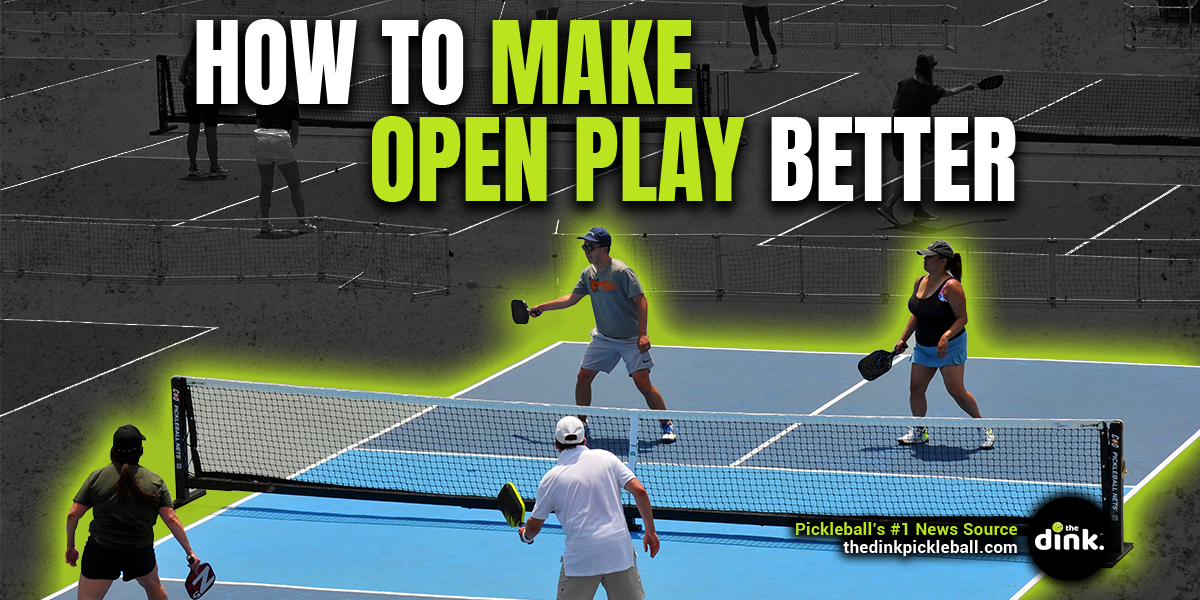
Open play works for everyone. New players can learn the basics and court flow. Skilled players get variety and fun competition.
Common level labels:
- Beginner or 2.0–2.5. Learn the serve, return, and how to keep score.
- Recreational or 3.0. Build consistency and simple tactics.
- Competitive 3.5+. Faster pace and smarter patterns.
Check the calendar before you go. Pick a session that fits your level. If you are unsure what is open play in pickleball for your skill, ask the host. They will guide you to the right time block.
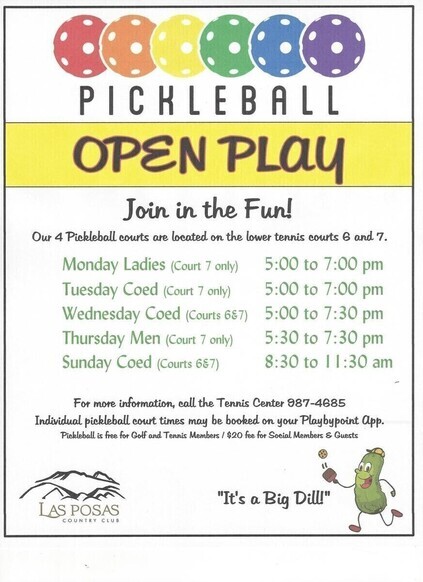
Finding Open Play Near You
Look for city parks, rec centers, and YMCAs. Many post open play schedules online. Private clubs list slots in their booking apps.
Use community tools:
- Local Facebook groups for pickleball.
- PlayTime Scheduler and similar meetup tools.
- Club apps like CourtReserve or TeamReach.
Ask on-site. Hosts and regulars know the best times. If you are searching what is open play in pickleball in your city, start with the nearest public courts and ask around.

What to Bring and How to Prepare
Pack simple gear:
- Paddle you like and a backup if you have one.
- Indoor or outdoor balls that match your courts.
- Court shoes with good grip to prevent slips.
- Water, a small towel, and sunscreen for sun courts.
- A marker or tape to label your paddle.
Warm up each time:
- Gentle jog or side shuffles for one minute.
- Dinks at the kitchen line to feel touch.
- A few serves and returns to lock in.
Keep your bag light. Be ready to move fast. That is the spirit of open play.

Etiquette and Unwritten Rules
Good etiquette makes open play fun and smooth.
Core manners:
- Rotate fairly. Do not skip the line or hold courts.
- Call the score loud and clear each point.
- Make honest line calls and give benefit of the doubt.
- Keep coaching short and kind, and never during a rally.
- Invite new players if a court has only three.
If you still wonder what is open play in pickleball beyond rules, it is about respect. Be helpful, be patient, and keep games moving.

Strategy Tips for Open Play
Open play means new partners and styles. Keep your plan simple and clear.
Try these tips:
- Serve deep and return deep to buy time.
- Hit a soft third shot or a firm drive based on your lane.
- Move in together and cover the middle on attack.
- Talk to your partner. Simple cues like mine, yours, short, or switch help.
- Aim at open space, not only at bodies.
Adjust fast. If a dink battle starts, stay patient. If a banger steps in, soften the pace and reset.

Common Mistakes to Avoid
These slips slow games and frustrate players.
Watch out for:
- Ignoring the paddle line or holding a court.
- Cherry-picking partners and avoiding fair mixes.
- Long warm-ups when others wait.
- Overhitting every ball instead of building the point.
- Not calling lobs or not warning for balls that roll onto your court.
When people ask what is open play in pickleball and why it fails, it is often due to rotation issues. Follow the system and all will flow.
Open Play vs Drills, Lessons, and Leagues
Open play is not a lesson or a league. It sits in the middle. It is free-form and social, but still useful for skill.
Good times for each:
- Open play. Meet people, get reps, and test shots in games.
- Drills. Fix a weakness, like third shots or dinks.
- Lessons or clinics. Learn faster with feedback from a coach.
- Leagues. Set teams and match play with standings.
Use all four to grow. If you came to learn what is open play in pickleball, know that it complements training. It does not replace it.
Safety, Inclusivity, and Accessibility
Wear court shoes. Running shoes can roll your ankle. Drink water often and rest if you feel light-headed.
Be welcoming to all. Rotate with new faces. Offer help if someone asks. Keep language friendly and clean.
If a player needs a softer ball or a slower pace, adapt. What is open play in pickleball if not shared space for every body and age.
A Sample Open Play Day Plan
Use this simple plan for your first session.
Step-by-step:
- Arrive ten minutes early. Sign in and learn the rotation method.
- Warm up for two to three minutes with light dinks and serves.
- Play one game to 9 or 11. Rotate off and re-queue.
- Between games, sip water and stretch your calves.
- After three to five games, note one skill to practice next time.
I often jot a quick note in my phone. One cue. One win. One fix. This keeps growth simple.
Cost, Scheduling, and Short Games
Public open play is often free. Some sites charge a small drop-in fee. Private clubs may include it in a monthly pass.
Schedules change by season. Summer mornings fill fast. Winter evenings can be prime time.
Many places use short games or timed rounds when busy. This helps more people play. If you ask what is open play in pickleball during peak hours, it is quick, fair, and fun.
Frequently Asked Questions of what is open play in pickleball
What is open play in pickleball and how is it different from reserved play?
Open play is drop-in time with rotating partners and short games. Reserved play is when you book a court and bring your own group.
Do I need a partner for open play?
No partner is needed. You rotate partners based on the paddle line or the host system.
What should a beginner know before joining open play?
Learn basic rules, scoring, and kitchen lines. Ask for a beginner or all-levels session and be open to tips.
How long do open play games last?
Most last eight to fifteen minutes. Many use games to 9 or 11, or a timer when courts are full.
Can I practice drills during open play?
Keep drills short and off to the side if space allows. The main goal is flowing games for everyone.
What gear is best for open play?
Use court shoes, a comfortable paddle, and the right ball for indoor or outdoor courts. Bring water and label your paddle.
Is there a skill rating needed for open play?
Many sessions are open to all. Some blocks list 2.5, 3.0, or 3.5+ to match pace and safety.
Conclusion
Open play is the heart of community pickleball. It is fast, social, and ideal for learning with real games. Now you know what is open play in pickleball, how it runs, and how to make the most of it.
Pick one session this week. Pack light, smile, and follow the rotation. Try one new shot, help one new player, and enjoy the mix. Want more tips and local finds? Subscribe, share your questions, or drop a comment with your favorite open play spot.