
Pickleball uses smaller courts, paddles, and simpler rules; tennis is faster and more demanding.
If you’re asking what is the difference between pickleball and tennis, you’re in the right place. I’ve coached beginners in both sports and played across parks, clubs, and tournaments. This guide breaks down the details, shares real-world tips, and helps you choose the best fit for your body, goals, and schedule. By the end, you’ll know exactly how they compare and how to start with confidence.
Court Size and Layout
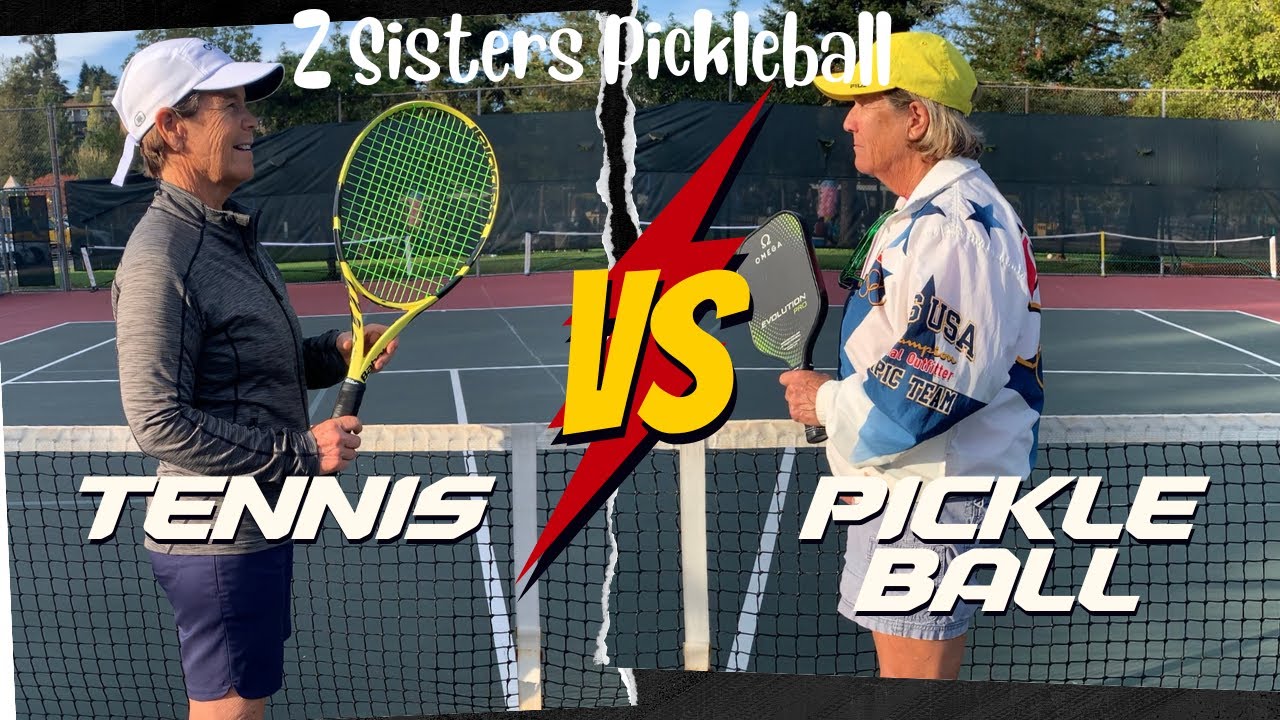
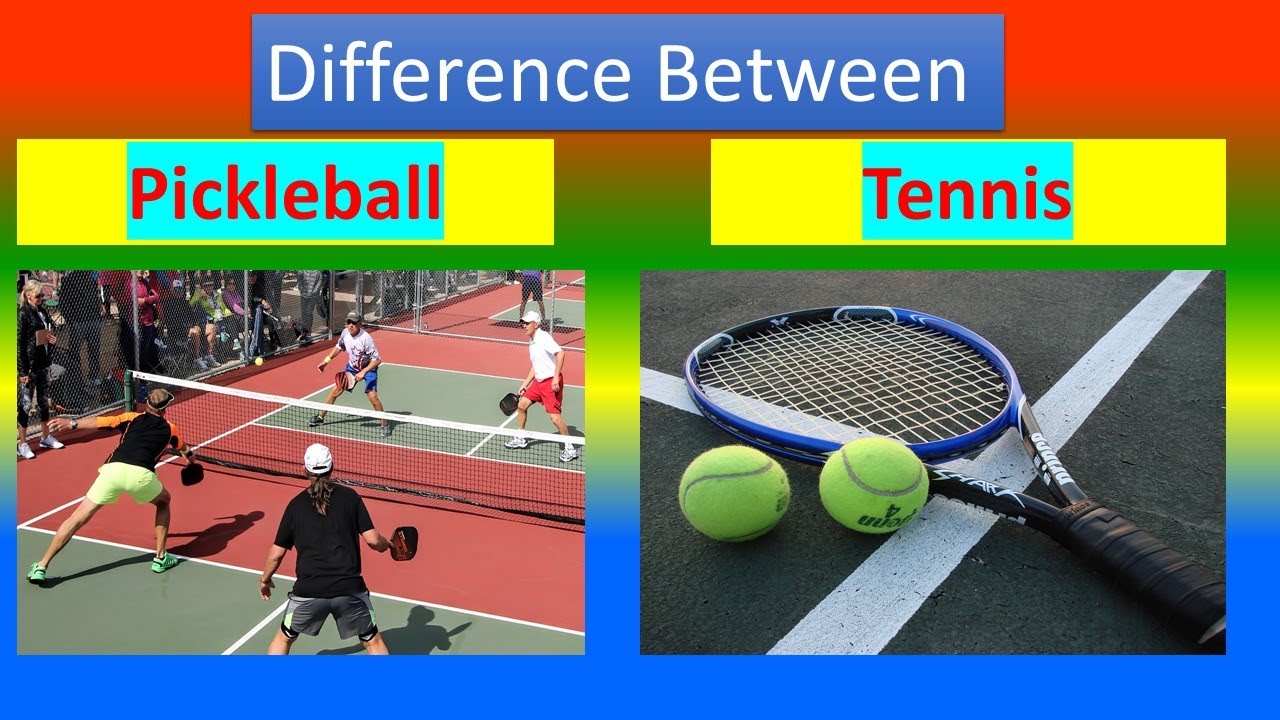
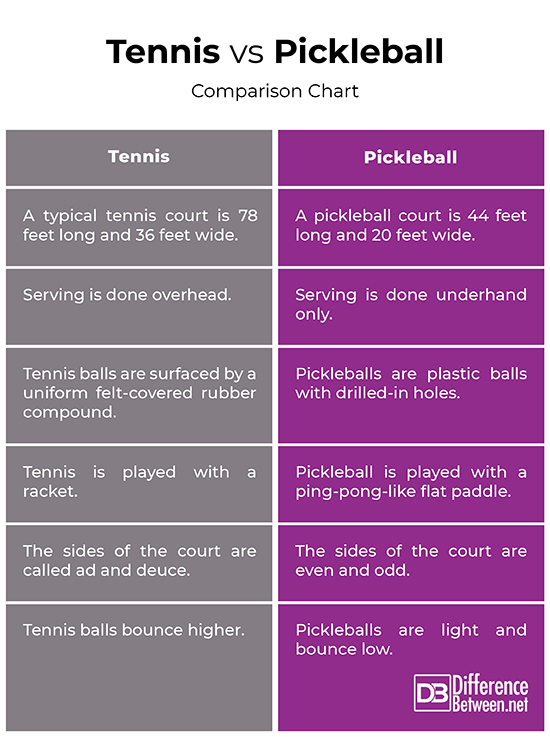
If you want a fast answer to what is the difference between pickleball and tennis, start with the court. A pickleball court is 20 by 44 feet for both singles and doubles. A tennis court is 27 by 78 feet for singles and 36 by 78 feet for doubles. The size gap changes how you move, hit, and plan points.
Key layout differences you will feel on day one:
- Non-volley zone in pickleball: 7 feet from the net on both sides. You cannot volley there.
- Net height: pickleball is 36 inches at the sidelines and 34 inches at center. Tennis is 42 inches at posts and 36 inches at center.
- Space to defend: tennis asks for longer sprints and deeper recovery steps. Pickleball rewards quick reactions near the kitchen.
From my clinics, new players pick up pickleball footwork in an hour. Tennis spacing takes longer. The smaller pickleball court also means more touches per minute.
Equipment: Paddles vs Racquets and Balls
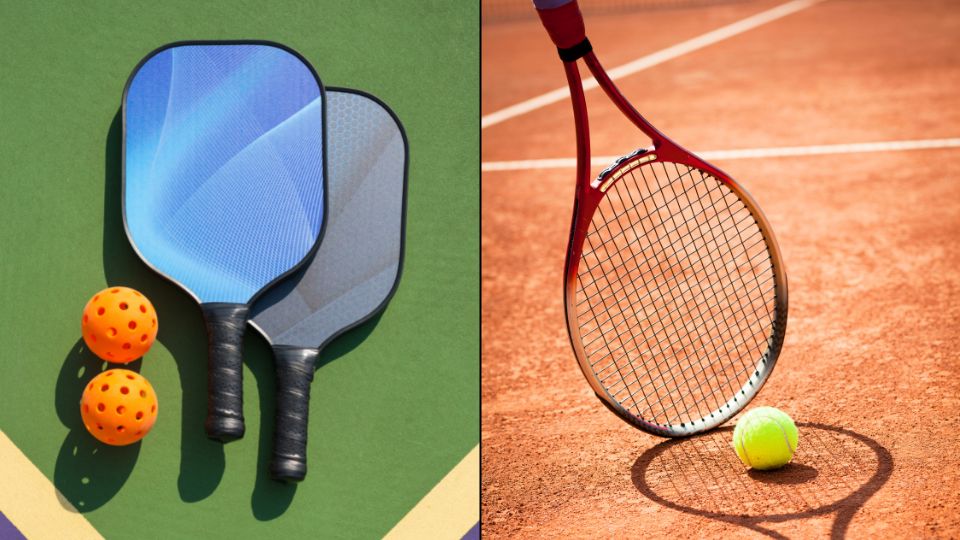
Another big part of what is the difference between pickleball and tennis is the gear. Pickleball uses a solid paddle with no strings. Tennis uses a strung racquet. That one detail changes feel, power, and spin.
What to know about paddles and racquets:
- Pickleball paddles: usually 7 to 8.5 ounces, composite or graphite faces, polymer cores. Typical length is about 15.5 to 16.5 inches.
- Tennis racquets: heavier overall, with strings that add spin and power. String tension and pattern shape ball flight and control.
What to know about balls:
- Pickleball balls: hard plastic with holes. Outdoor balls have more holes and fly faster. Indoor balls are softer and slower.
- Tennis balls: felt-covered, pressurized rubber. They bounce higher and are heavier off the strings.
Practical tip I teach new players:
- If your tennis shots fly long in pickleball, slow your swing. Focus on paddle face angle and a compact stroke.

Scoring and Rules
Understanding what is the difference between pickleball and tennis also means knowing the scoring and core rules. Standard pickleball scoring uses side-out scoring to 11 points, win by two. Only the serving team scores. Tennis uses games, sets, and matches. You score every point regardless of who serves.
Pickleball rules that shape play:
- Serve is underhand. Contact is below the waist, and you serve cross-court.
- Two-bounce rule: the serve and the return must bounce. After that, you can volley.
- Non-volley zone (kitchen): no volleys with feet on or in the zone.
Tennis rules that matter most:
- Overhand serve with toss and full motion.
- Games go 0, 15, 30, 40, game. Deuce requires two-point lead. Sets to six games, win by two, with tiebreaks in most formats.
I often see tennis players struggle with pickleball’s two-bounce rule. Once it clicks, their third-shot drops improve fast.
Play Style, Pace, and Strategy
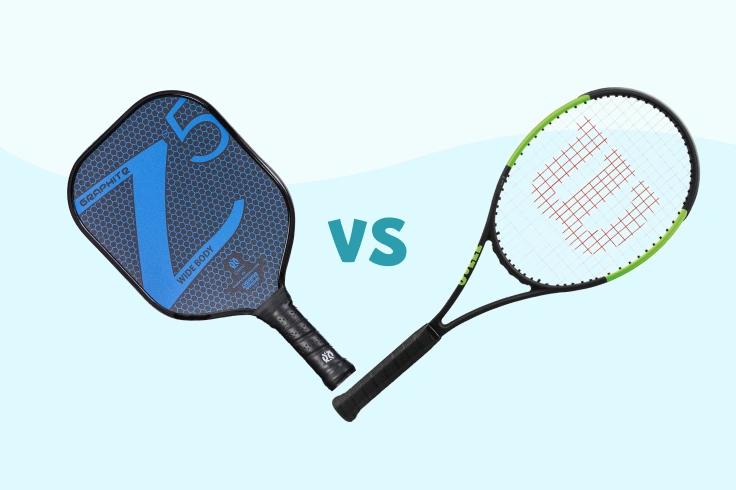
When you ask what is the difference between pickleball and tennis in feel, think rallies and reactions. Pickleball rewards soft touch, patience, and quick hands. Tennis rewards topspin drives, serves, and longer movement patterns.
How points unfold:
- Pickleball: dinks, resets, and the third-shot drop set up attacks. Hands battles at the kitchen decide many points.
- Tennis: serves, returns, and heavy forehands control space. Net play is key in doubles but less common in singles.
From experience, tennis baseliners love pickleball speed-ups at the net. But they must learn to soften the ball in transition. The mental switch from blast to blend is huge.
Physical Demands and Injury Risk
A practical angle on what is the difference between pickleball and tennis is how each sport stresses your body. Pickleball asks for fast starts, stops, and bends at the net. Tennis adds longer runs, overhead serves, and more torque.
Common strain points:
- Pickleball: calves, Achilles, and shoulders from quick bursts and overheads. Lateral elbow pain can appear with off-center hits.
- Tennis: elbows and shoulders from serves and topspin. Knees and hips from court sprints and changes of direction.
Safety tips I share with new players:
- Warm up with dynamic moves and light shadow swings.
- Wear court shoes with lateral support.
- Build volume slowly. Add rest days, especially after long doubles sessions.

Learning Curve and Accessibility
If your main question is what is the difference between pickleball and tennis for beginners, the answer is time to fun. Pickleball is easier to start. The serve is simple, the court is small, and rallies come fast. Tennis asks for more skill to control depth, spin, and pace.
What this means for you:
- Pickleball: real rallies on day one. It feels social and rewarding right away.
- Tennis: steady rallies may take weeks. Coaching helps a lot early.
In mixed-level groups, I use mini-tennis drills or low-compression balls to bridge the gap. It speeds learning and reduces stress on joints.
Community, Culture, and Where to Play
Another way to see what is the difference between pickleball and tennis is the social setup. Pickleball thrives on open play. You rotate in with new partners every few points. Tennis often uses bookings, leagues, and fixed doubles groups.
How to find games:
- Pickleball: local parks, community centers, open-play boards, and apps. Show up, stack paddles, and rotate in.
- Tennis: club ladders, USTA leagues, city programs, school courts, and reservation apps.
I love how pickleball welcomes new faces fast. Tennis groups are great too, but they often form around schedules and ratings.

Cost Comparison
For budget-minded players, what is the difference between pickleball and tennis can show in cost. Pickleball gear is simple and tends to be cheaper over time. Tennis adds stringing and ball costs.
Typical costs in the US:
- Pickleball: paddles $60 to $200. Balls are inexpensive and last several sessions. Portable nets $150 to $250 if you host.
- Tennis: racquets $100 to $250. Strings $20 to $50 per restring. New balls for match play add up.
Money-saving tips:
- Demo before you buy. Many shops and clubs offer trials.
- For tennis, restring by play hours, not by months. Fresh strings play better and may prevent injury.

Which Sport Is Right for You?
Here is a simple way to decide based on what is the difference between pickleball and tennis and your goals.
Choose pickleball if:
- You want fast fun with a short learning curve.
- You enjoy social, quick-turn doubles.
- You need a lower-mileage workout for joints.
Choose tennis if:
- You love longer rallies and the serve-return battle.
- You want more cardio and court coverage.
- You enjoy singles tactics and spin-heavy strokes.
Practical path I suggest:
- Try both in the same week. Play open pickleball once. Book a beginner tennis clinic once.
- Notice which one makes you smile more and leaves you sore in a good way.
- Start with two sessions per week. Add one as you adapt.
Frequently Asked Questions of what is the difference between pickleball and tennis
What is the difference between pickleball and tennis for beginners?
Pickleball is easier to start because the court is smaller and the serve is simple. Tennis takes longer because timing, spin, and footwork matter more.
Is pickleball less intense than tennis?
It depends. Points are shorter, but reactions are fast and frequent. Tennis often demands more running and overhead serves, which feels more intense to many players.
Can tennis players switch to pickleball easily?
Yes, but they must learn soft hands and the two-bounce rule. Most tennis players improve fast once they practice dinks and third-shot drops.
Which is better for seniors: pickleball or tennis?
Most seniors prefer pickleball because it is joint-friendly and social. Tennis is great too, but it can be harder on knees and shoulders.
What gear do I need to start each sport?
For pickleball, get a paddle, a few balls, and court shoes. For tennis, get a racquet, balls, and court shoes; budget for strings later.
Conclusion
Both sports are fun, social, and great for fitness. The big picture is simple: pickleball offers quick wins and fast friends, while tennis brings longer rallies and deeper stroke play. If you still wonder what is the difference between pickleball and tennis for your life, test both and let your joy decide.
Set a date this week to try each sport once. Note how your body feels and how much you smile. Then commit to four weeks of regular play. Ready to dig deeper? Subscribe for drills, gear guides, and step-by-step practice plans.