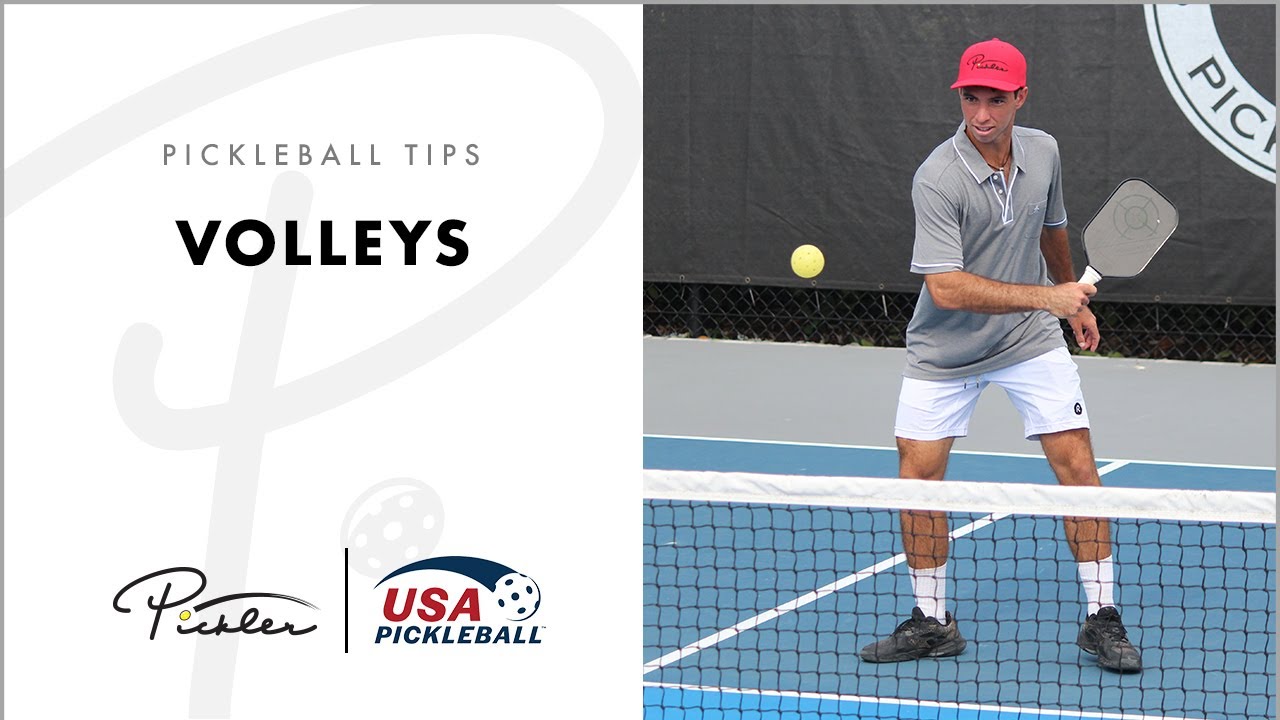
Volleying in pickleball means hitting the ball out of the air before it bounces.
If you want fast points and clean control, you need to master volleying. In this guide, I’ll break down what is volleying in pickleball, how it works in real games, and the exact rules that trip players up. You’ll learn mechanics, strategy, drills, and pro-level tips that I use when coaching and competing.
What is volleying in pickleball?
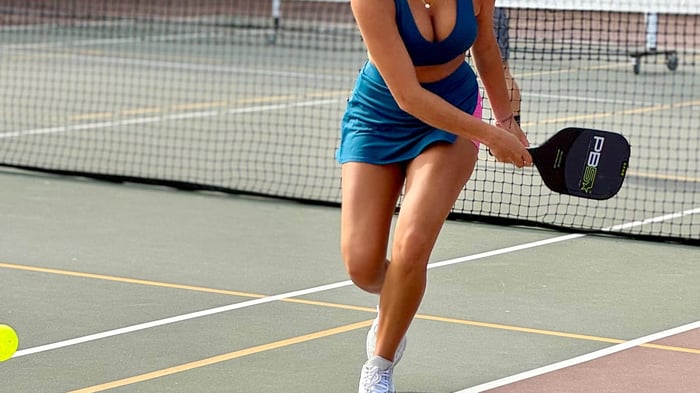
When you ask what is volleying in pickleball, the core idea is simple. A volley is any shot struck in the air before the ball bounces. That is different from a groundstroke, which is hit after a bounce, and a dink, which usually bounces in the non-volley zone.
The official rulebook defines a volley this way, and it shapes court tactics. Volleys help you take time away from your opponent. They let you apply pressure at the non-volley line without giving ground.
If you hear players say “stay up,” they mean get to the kitchen line and win with volleys. Learning what is volleying in pickleball gives you the tools to do that with control, not chaos.
The non-volley zone (kitchen) rules that control volleys
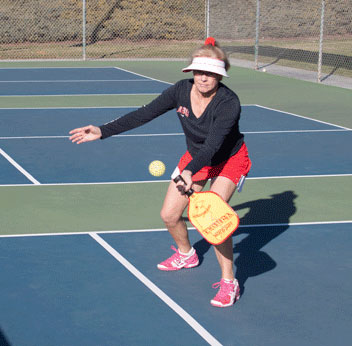
You cannot talk about what is volleying in pickleball without the kitchen. The non-volley zone, or NVZ, is the seven-foot area on each side of the net. You cannot volley while touching the NVZ or its line.
Key kitchen rules you must know:
- You cannot volley with your feet on the NVZ line or inside the NVZ.
- If your momentum after a volley carries you into the NVZ, it is a fault.
- Anything you wear or carry counts. If your hat, paddle, or body touches the NVZ due to the volley, it is a fault.
- You can enter the NVZ anytime to hit a ball that has bounced.
- A jump volley is legal only if you take off from outside the NVZ and land outside it.
These rules come straight from the sport’s rulebook. Learn them early. They define what is volleying in pickleball and where you can attack.

Mechanics of a clean volley
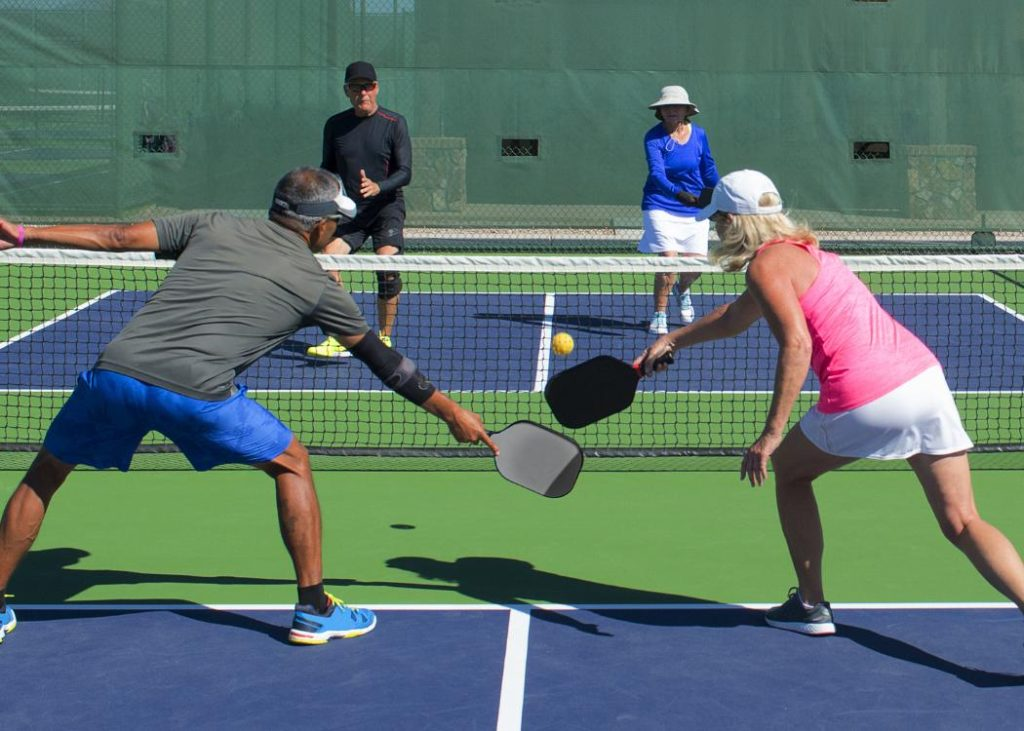
Great volleys look calm, not wild. When you answer what is volleying in pickleball in real play, it starts with body basics.
Simple setup steps:
- Grip: Use a continental grip. It works for forehand and backhand without changes.
- Stance: Feet shoulder-width. Knees soft. Chest up. Paddle in front at about chest height.
- Split step: Hop lightly as your opponent hits. Land balanced so you can move in any direction.
- Contact: Short stroke. Meet the ball in front of your body. Think “catch and push,” not “swing hard.”
- Follow-through: Small, firm push to the target. Keep your head still.
My coaching cue is soft hands, strong core. That blend keeps the paddle steady on hard drives but allows touch on resets. It is a simple way to master what is volleying in pickleball without overthinking.
Types of volleys and when to use each
Players ask me what is volleying in pickleball when facing different speeds. The answer changes with the volley type. Use the right tool for the ball in front of you.
- Block volley: Minimal swing. Use it on fast drives to absorb pace. Aim low to the middle or at feet.
- Punch volley: Short, firm push. Use it when the ball is chest high and you want to attack.
- Roll volley: Add topspin with a gentle brush. Use it to dip the ball at opponents’ feet.
- Drop volley (reset): Soften the hands. Let the ball die into the kitchen to slow a firefight.
- Swing volley: Bigger swing on a high floater. Drive it to open space but keep control.
I coach players to master the block and drop first. Then add punch and roll for offense. This path builds a clear sense of what is volleying in pickleball across speed ranges.
Strategy: where and when to volley in singles and doubles
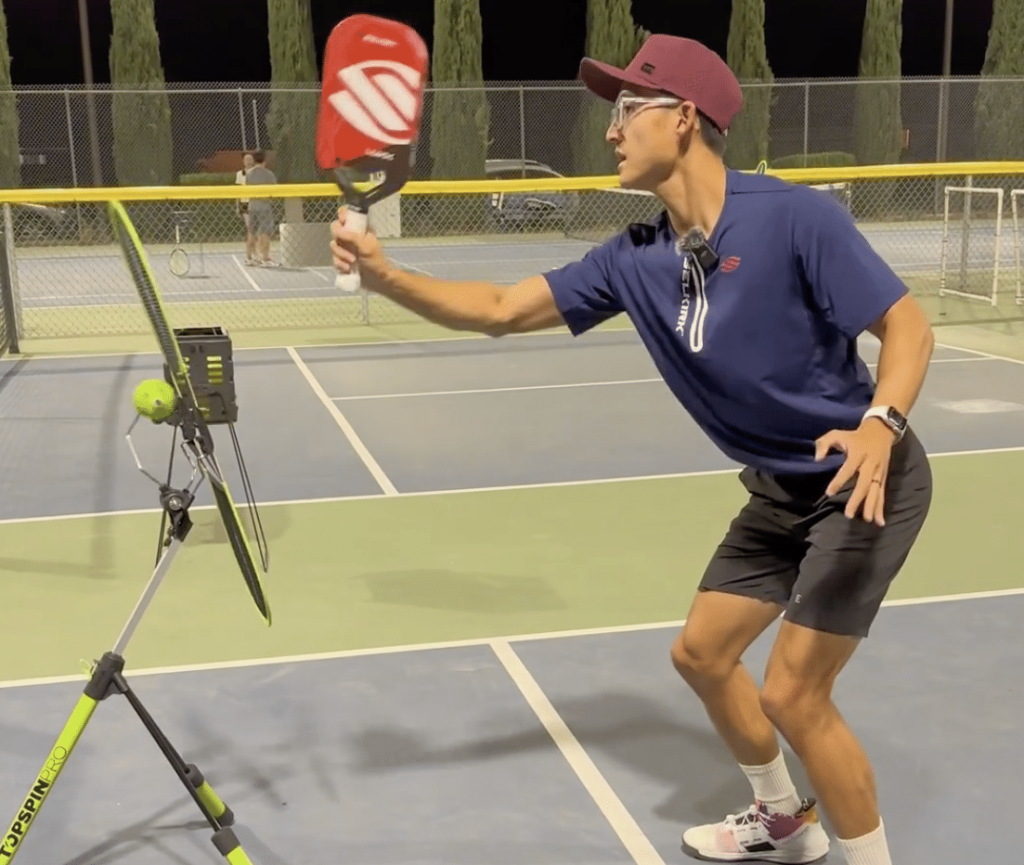
Strategy answers the deeper part of what is volleying in pickleball. It is not only a shot. It is a plan.
Targets and choices:
- Aim at feet. A ball at the shoelaces is hard to lift.
- Attack the paddle-side shoulder. That is the weakest zone for many players.
- Go down the middle in doubles. Middle shots cause doubt and fewer angles back.
- Use depth. Deep volleys push opponents off the kitchen line.
Position and teamwork:
- Get to the kitchen line as a pair. Win the line, win the rally.
- Poach when you read a weak pop-up. Call “mine” early to avoid clashes.
- In singles, protect your line first. Use sharp angles only when set.
The smart player knows that what is volleying in pickleball is part speed and part patience. Choose the safe ball to attack. Let out balls go. And never give up your line for a low-percentage swing.

Faults and common mistakes to avoid
Understanding what is volleying in pickleball also means knowing what not to do. Faults kill momentum and confidence.
Common issues and fixes:
- Kitchen toe fault: Players forget the line is part of the NVZ. Keep your toes an inch behind it.
- Big swings: Long swings lead to pop-ups. Use short strokes and a firm wrist.
- Flat feet: No split step means late contact. Time your hop as the ball crosses the net.
- Hitting out balls: If the ball is shoulder high and rising, often let it go.
- Contact too close to the body: Reach out to meet the ball in front. That keeps the angle and power.
I once lost a game on three kitchen faults in four points. The fix was simple. I marked a small “no step” zone with tape in practice. That cured it fast.
Drills to build fast, soft, and accurate volleys
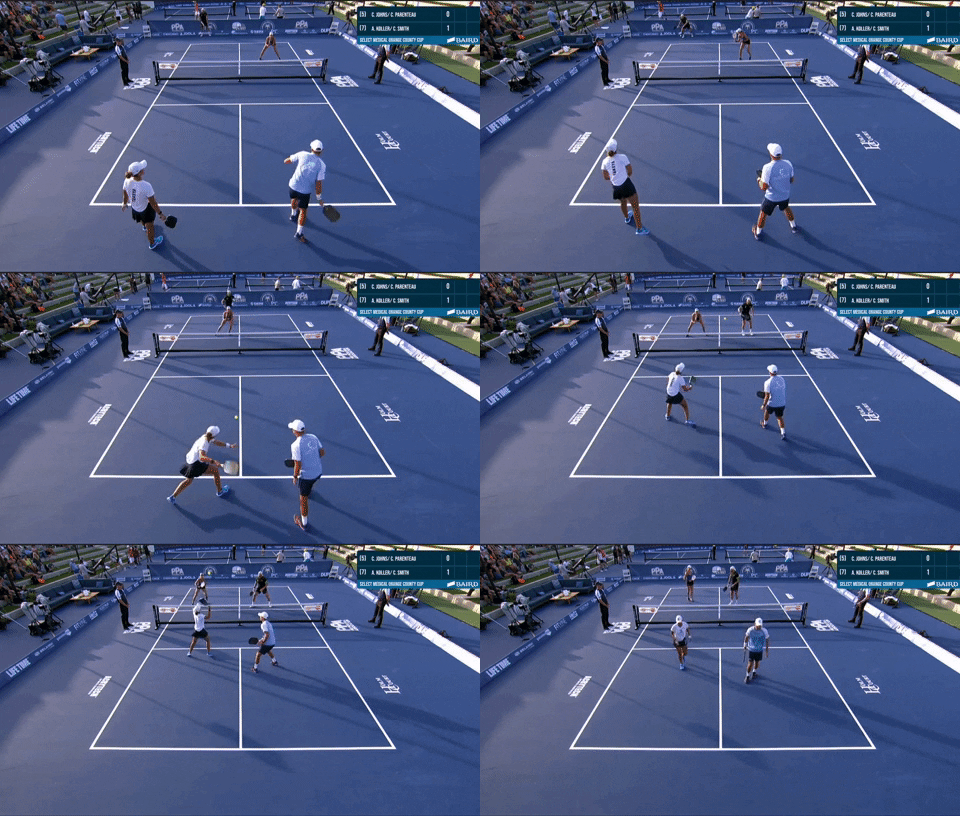
If you want to feel what is volleying in pickleball under pressure, drill it. Keep drills short, focused, and fun.
Try these:
- Wall blocks: Stand 10 feet from a wall. Tap the ball 100 times with a tiny stroke. Keep it at chest height.
- Partner rapid fire: One feeds firm balls from the baseline. You block from the kitchen. Switch roles every 60 seconds.
- Ladder control: Place four targets in the kitchen. Punch one to each in order. Repeat five sets.
- Seven-ball pattern: Alternate block, punch, roll, drop, then repeat the first two. This builds quick decisions.
- Split-step metronome: Partner calls “hit.” You split on the call and catch a tossed ball with your paddle face.
Use a light grip pressure, about a three out of ten. That alone can transform your touch.

Gear and paddle choices that help your volley game
Gear will not replace skill. But the right tools make what is volleying in pickleball feel easier.
What to consider:
- Grip size: Use a size that lets you keep a relaxed hold without slipping.
- Paddle face: Raw carbon or textured faces help with bite on roll volleys.
- Core and weight: A thicker core softens impact for better blocks. A head-light setup improves hand speed at the net.
- Overgrip: Fresh, tacky overgrips prevent twists on hard hits.
- Shoes: Court shoes with good lateral grip help you stop short of the kitchen line.
Test paddles with a simple volley drill before you buy. Feel counts more than specs.
Rules clarifications and edge cases
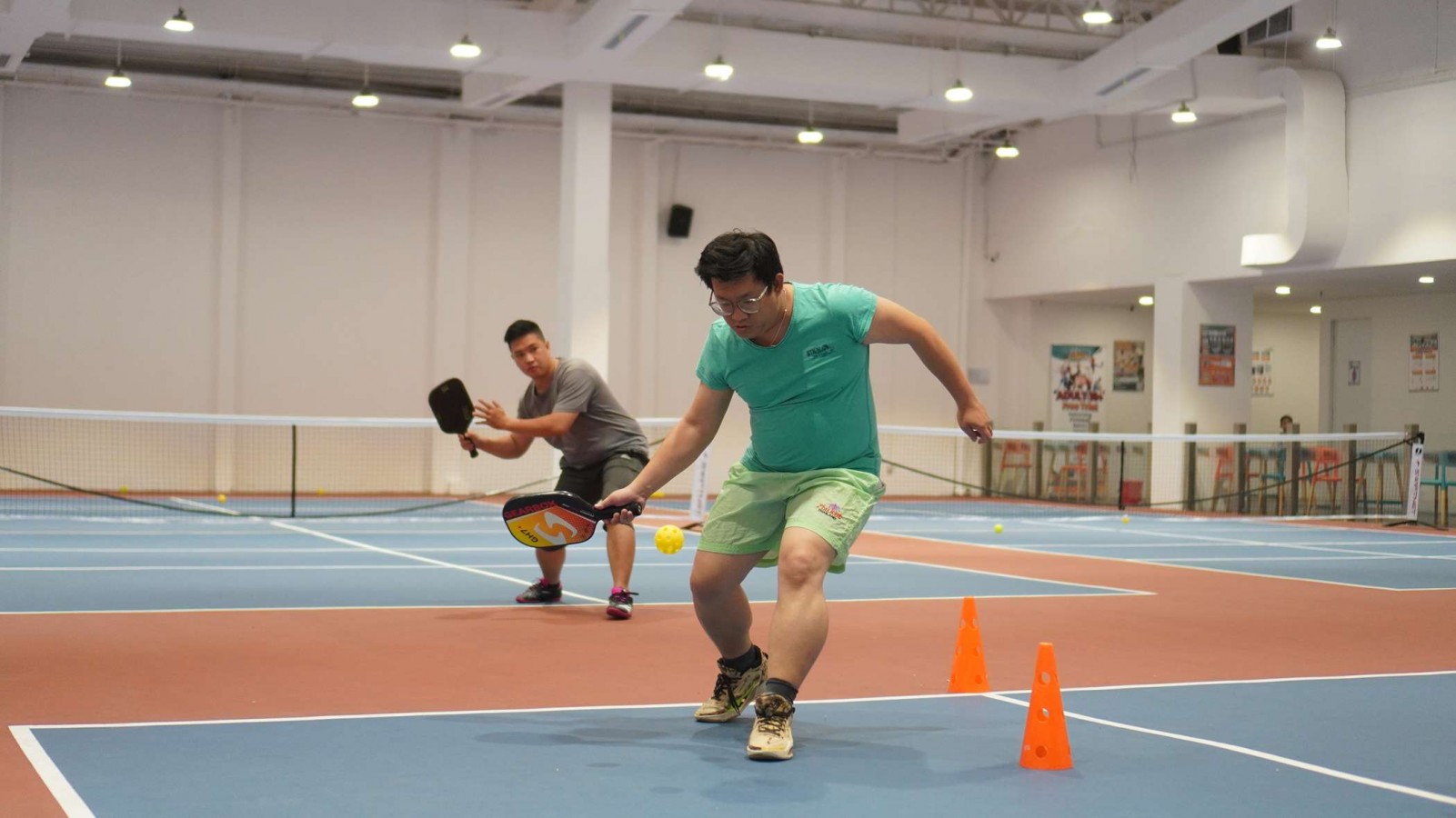
Knowing the edges of the rules boosts your confidence about what is volleying in pickleball.
Helpful clarifications:
- Jump volleys by the kitchen are legal if you take off and land outside the NVZ.
- If your hat or paddle touches the NVZ after a volley due to your momentum, it is a fault.
- You may reach over the net only after the ball has crossed or bounced on your side. For volleys, you cannot strike the ball on your opponent’s side.
- Double hits are allowed if they occur in a single, continuous motion on one attempt.
- An Erne is a legal volley taken outside the sideline near the net. You must avoid the NVZ during the shot.
When unsure, assume the stricter read until you can confirm with the rulebook. It keeps you honest and avoids avoidable faults.
Frequently Asked Questions of what is volleying in pickleball
What is volleying in pickleball in one sentence?
A volley is any shot you hit out of the air before the ball bounces. It is key for fast, offensive play at the kitchen line.
Can I step into the kitchen after a volley if I already hit the ball?
No. If your momentum from the volley carries you into the non-volley zone or its line, it is a fault. You must reestablish outside before the volley and after it.
Is a jump volley over the kitchen legal?
Yes, if you take off and land outside the NVZ. Touching the line or NVZ at any point during the volley action is a fault.
Where should I aim most volleys?
Aim at feet, the middle, or the paddle-side shoulder. These spots force weak replies and reduce sharp angles back.
Should I volley every ball at the kitchen line?
No. If the ball is dropping low or looks like it will land out, let it bounce or let it go. Smart choices define what is volleying in pickleball at higher levels.
What grip works best for volleys?
A continental grip. It lets you switch between forehand and backhand without changing hand position.
How do I stop popping the ball up on volleys?
Shorten your swing, soften your grip, and keep contact in front. Aim lower over the net and target the middle third of the court.
Conclusion
Volleying is the heartbeat of fast pickleball. Now you know what is volleying in pickleball, how the kitchen rules shape it, and how to use mechanics, targets, and drills to own the net. Start with a calm block, add a steady drop, then build your punch and roll.
Take this plan to your next session. Pick two drills, log 10 minutes, and track your errors. Ready for more tips like this? Subscribe for weekly pickleball guides or drop a comment with your biggest volley challenge.