Pickleball uses a hard, hollow plastic ball with holes, designed for indoor or outdoor play.
If you want a no-fluff guide to what kind of ball is used in pickleball, you’re in the right place. I’ve tested more balls than I can count in leagues, clinics, and cold early mornings. Below, I break down the exact specs, when to use indoor vs outdoor balls, top models, and how to choose the right one for your court and climate. You’ll finish this article knowing exactly what kind of ball is used in pickleball and why it matters to your game.

What is a pickleball ball made of?
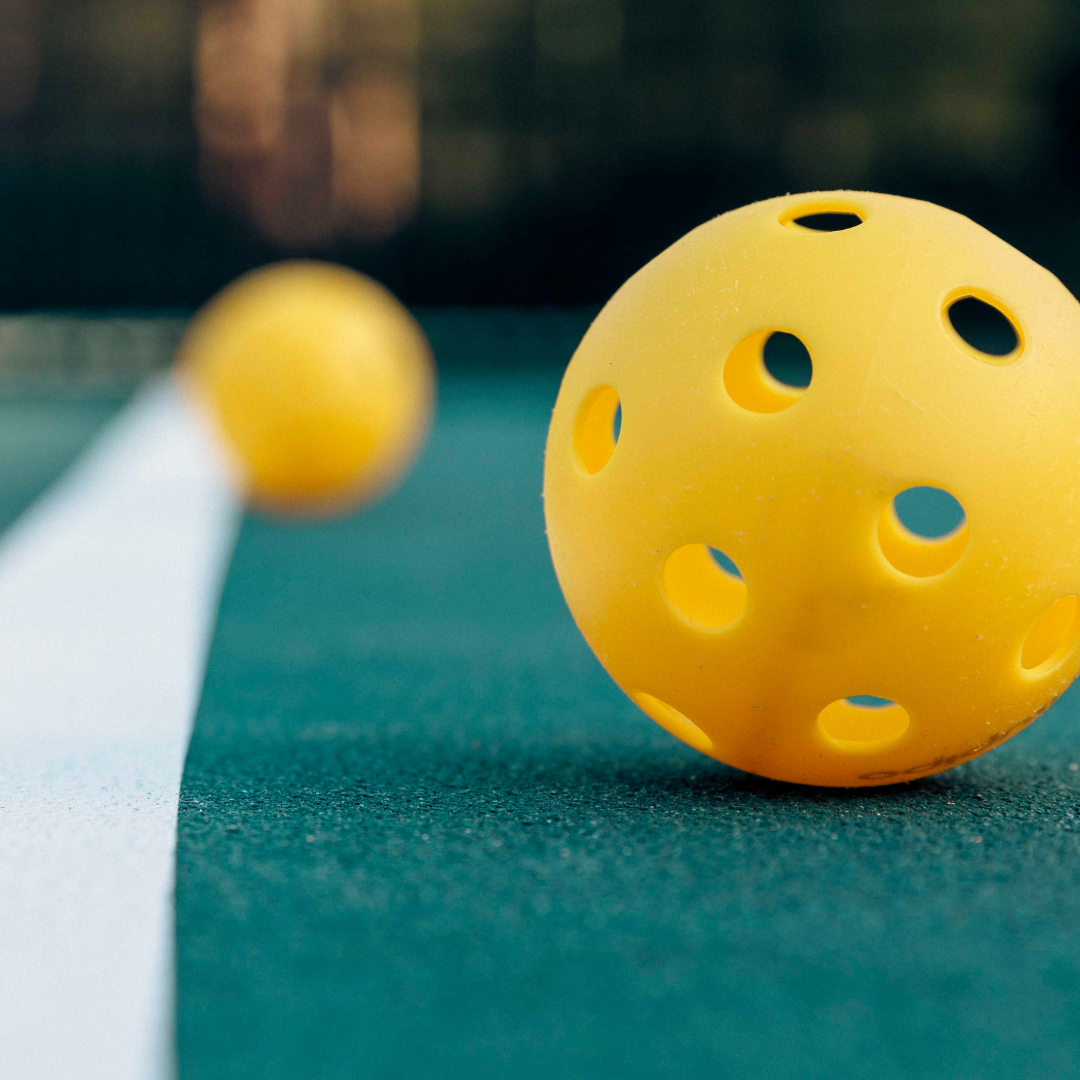
A pickleball ball is a seamless or seamed, hard plastic shell that is hollow inside. It looks like a whiffle ball but is denser and more consistent. The surface is smooth, and the circular holes control flight and speed. When people ask what kind of ball is used in pickleball, this is the essential build they mean.
Most approved balls are injection-molded from a durable polyethylene blend. Some brands use a two-piece design with a visible seam. Others are seamless for more uniform play. Both can be excellent if they meet performance standards.
Indoor vs outdoor pickleball balls
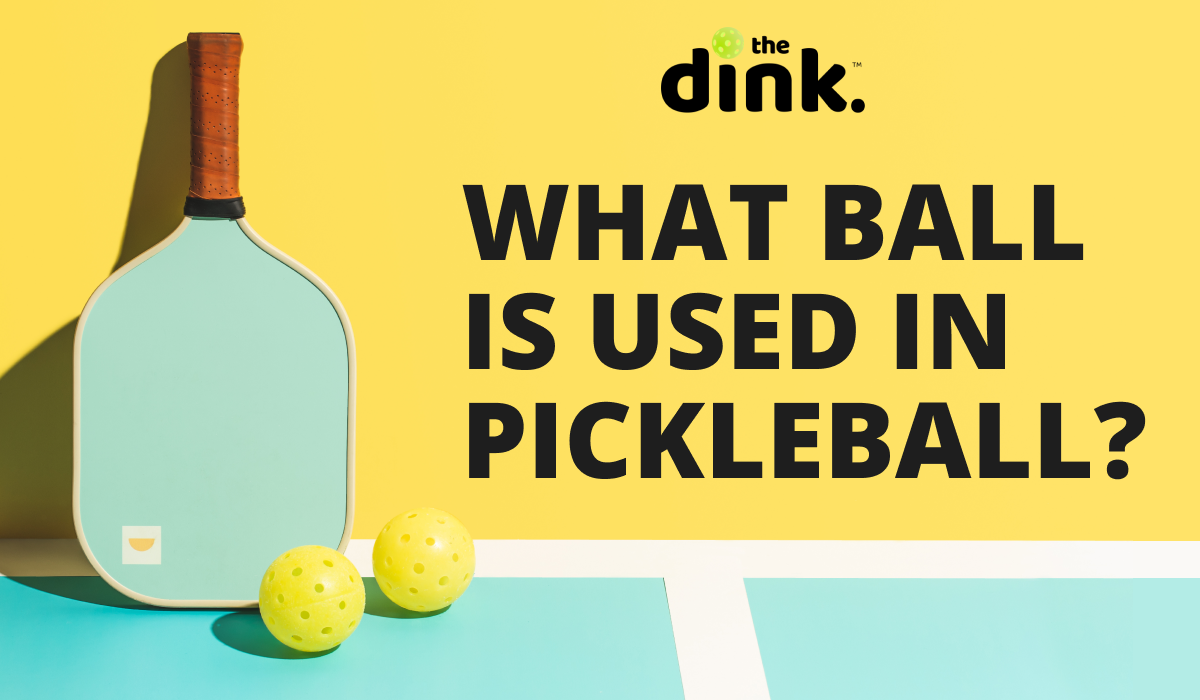
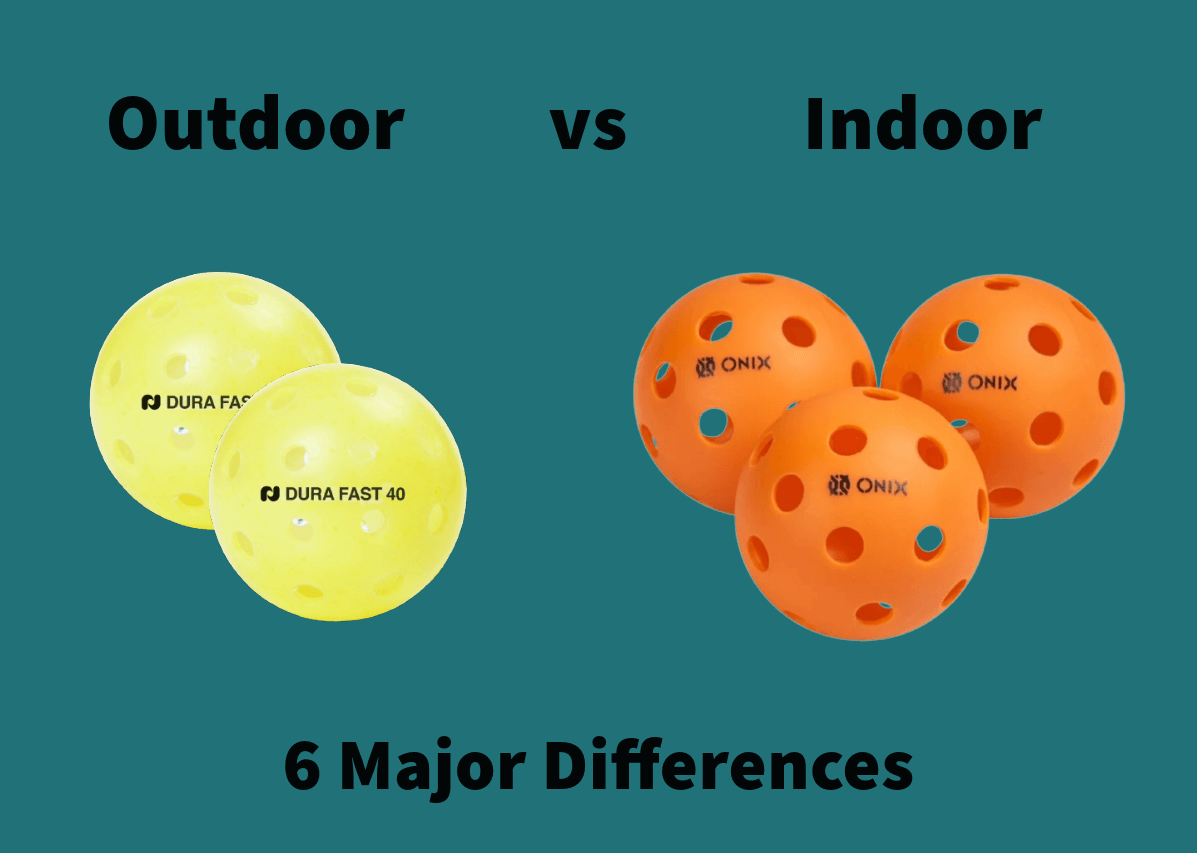
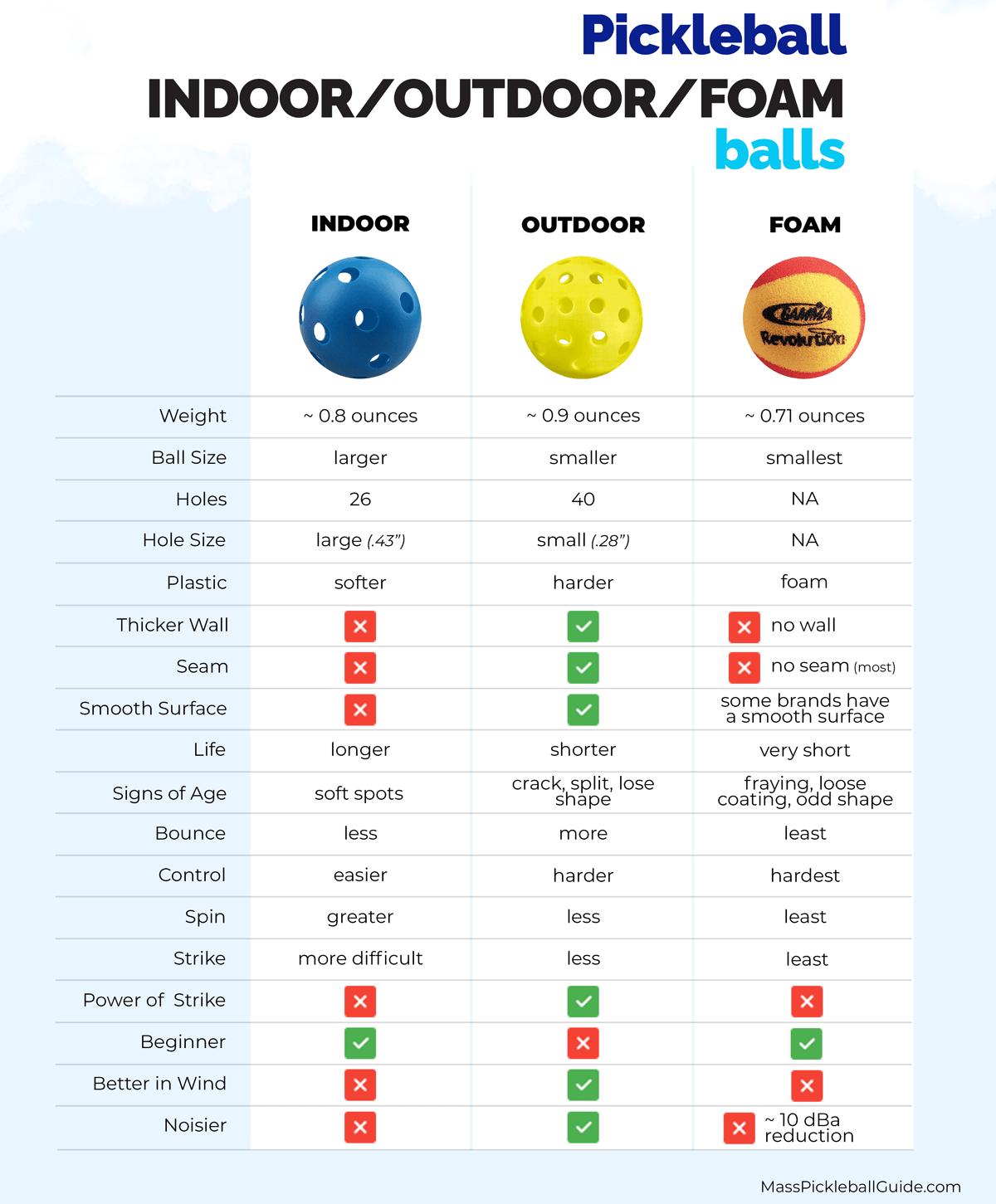
Indoor and outdoor balls look similar, but they play very differently. Indoor balls usually have 26 large holes, feel a bit softer, and are easier to control. They play quieter and slower. Outdoor balls usually have 40 smaller holes, a harder shell, and fly faster with a lower bounce arc.
If you wonder what kind of ball is used in pickleball on a windy day, choose an outdoor 40-hole ball. The smaller holes help cut through wind. For gyms or wooden floors, use the softer indoor model. It grips the surface better and tames skids.
Official size, weight, and bounce standards
USA Pickleball approval focuses on size, weight, bounce, and surface. These numbers keep play fair across brands and courts.
- Diameter should be about 2.87 to 2.97 inches.
- Weight should be about 0.78 to 0.935 ounces.
- Bounce should be about 30 to 34 inches when dropped from 78 inches onto a smooth surface.
- Surface should be smooth and uniform, with no sharp textures or rough seams.
When you ask what kind of ball is used in pickleball for tournaments, it is one that meets these standards and appears on the approved list. The ball must also be a uniform color with a clear brand mark.

Hole patterns, seams, and colors
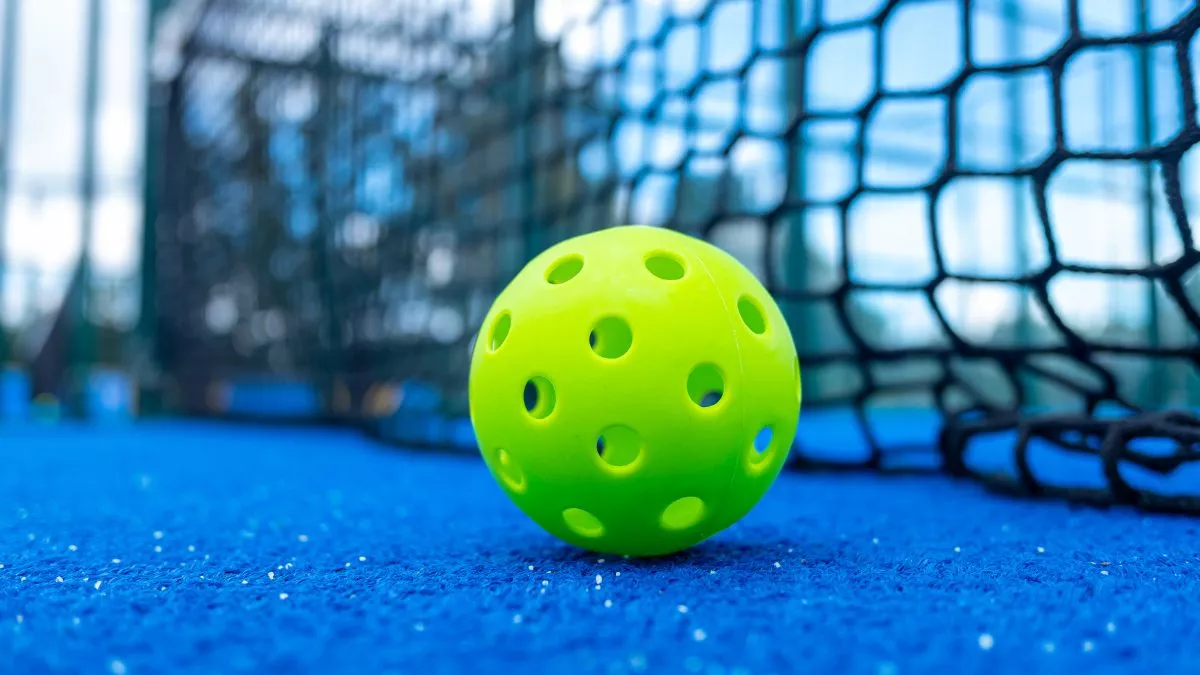
Hole count affects flight and feel. Indoor balls tend to have fewer, larger holes and a bit of flex. Outdoor balls use more, smaller holes for stability. Most approved balls you see have 26 or 40 holes.
Seams matter too. Two-piece balls can “egg” or split if the seam is weak, especially in cold weather. Seamless balls aim for longer life and a truer roll. Bright colors like neon yellow, orange, and lime are common outdoors, while lighter colors can help indoors. If someone asks what kind of ball is used in pickleball that shows up well on court, go with a bright, high-contrast color for your background.
How to choose the right ball for your game
Pick the ball based on surface, weather, and your style. A simple filter makes the choice easy.
- Court type: Use an outdoor ball on asphalt or concrete. Use an indoor ball on wood or synthetic gym floors.
- Weather: In wind, pick a 40-hole outdoor ball. In extreme heat, choose a ball known for tougher plastic. In cold, a slightly softer shell reduces cracks.
- Skill goals: Want control and longer rallies? Try an indoor-style ball or a softer outdoor model. Want speed and put-away power? Use a crisp, hard outdoor ball.
- Visibility: Choose a bright color that contrasts with your court and walls.
I keep two options in my bag. On cool mornings, a softer outdoor ball cuts down on cracks. On hot afternoons, I switch to a hard outdoor model for cleaner volleys. If you ask me what kind of ball is used in pickleball for most rec games outside, I’ll say a durable 40-hole ball in neon yellow.
Popular pickleball ball brands and models
You will see a few names again and again at parks and events. The best choice can vary by region, temp, and court.
- Outdoor favorites: Dura Fast 40, Franklin X-40, JOOLA Primo, Core Outdoor.
- Indoor favorites: Franklin X-26, Onix Fuse Indoor, Selkirk indoor models.
- All-around rec options: Many brands offer “hybrid” or “recreational” balls that play fine for casual games.
In my leagues, Franklin X-40 holds up well for mixed-level play. For tournaments, many still use Dura Fast 40 because it is fast and rewards clean contact. If your search is what kind of ball is used in pickleball at higher levels, check the event’s ball choice before you practice.
Care, storage, and lifespan tips
A few small habits can double the life of your balls. I learned these the hard way after cracking fresh sleeves in winter.
- Store at room temp. Avoid a hot car or a freezing garage.
- Rotate balls between games to spread wear.
- Rinse dirt and dust with warm water. Let them air dry.
- Replace “mushy” balls that stop bouncing true or sound dull.
- Keep a mix of indoor and outdoor balls in your bag.
When friends ask what kind of ball is used in pickleball that lasts longer in cold, I suggest a slightly softer outdoor model and warm it in a pocket before play.

Common mistakes and myths
Players often struggle not because of skill, but because the ball is wrong for the setting.
- Using an indoor ball outside. It floats, wobbles in wind, and scuffs fast.
- Playing an outdoor ball in a gym. It skids and feels too fast.
- Ignoring temperature. Cold makes plastic brittle. Heat can soften it.
- Chasing “seamless only” or “seamed only” myths. Quality varies by brand and batch.
If you still wonder what kind of ball is used in pickleball across all courts, the answer is “it depends.” Match the ball to the surface and conditions, and your game will feel smoother at once.
Testing your ball at home
Quick checks help you spot duds before a match.
- Bounce test: Drop from shoulder height. A good ball bounces true and straight.
- Spin test: Give it a gentle spin on a flat surface. Watch for wobble.
- Sound test: Tap the ball with your paddle. A crisp pop is usually a good sign.
- Shape check: Roll it on the floor. If it veers, it may be warped.
These tests back up what kind of ball is used in pickleball by rules and by feel. If a ball fails, swap it out before it ruins a rally.
Frequently Asked Questions of what kind of ball is used in pickleball
What’s the difference between indoor and outdoor pickleball balls?
Indoor balls have 26 larger holes and a softer feel for control. Outdoor balls have 40 smaller holes and a harder shell for speed and wind stability.
What size and weight should a pickleball ball be?
Approved balls are about 2.87 to 2.97 inches in diameter. They weigh about 0.78 to 0.935 ounces.
How many holes does a pickleball ball have?
Most indoor balls have 26 larger holes. Most outdoor balls have 40 smaller holes, but exact counts can vary by brand.
Which ball is used in tournaments?
Events list their official ball in advance. Common outdoor picks include Dura Fast 40 and Franklin X-40, while indoor events often choose 26-hole models.
How long does a pickleball ball last?
Outdoor balls can crack sooner, especially in cold weather. Indoor balls often last longer but can go soft and lose bounce over time.
What color ball should I use?
Pick a color that stands out against your court and walls. Neon yellow is a safe outdoor choice; brighter colors help visibility indoors too.
Can I use the same ball for indoor and outdoor play?
You can, but it won’t play its best. For the best results, match the ball type to the surface and conditions.
Conclusion
Now you know exactly what kind of ball is used in pickleball and how it changes your game. Choose indoor or outdoor models based on court, weather, and feel, and stick to balls that meet official size, weight, and bounce standards. Small choices like color and storage can boost visibility, control, and durability.
Take this to the court today. Try two approved balls side by side and note the difference in speed, spin, and bounce. Want more guides like this? Subscribe, share this article with your pickleball group, or leave a comment with your go-to ball and why.