Court-specific shoes with non-marking rubber soles and strong lateral support work best.
If you wonder what kind of shoes for pickleball will help you move, stop, and pivot with control, you need court shoes built for quick cuts. I’ve logged countless games and gear tests, and I’ve seen how the right pair boosts confidence and reduces strain. In this guide, we’ll unpack what kind of shoes for pickleball truly work, why they work, and how to pick a pair that fits your game, your court, and your feet. Expect clear tips, easy checks, and real examples you can use today.
:max_bytes(150000):strip_icc():focal(1454x0:1456x2)/peo-pickleball-shoes-test-asics-gel-resolution-9-rafa-soriano-17_crop-1-217e986ae4bf4b78b84896614b0fb799.jpeg)
How pickleball movement shapes shoe needs
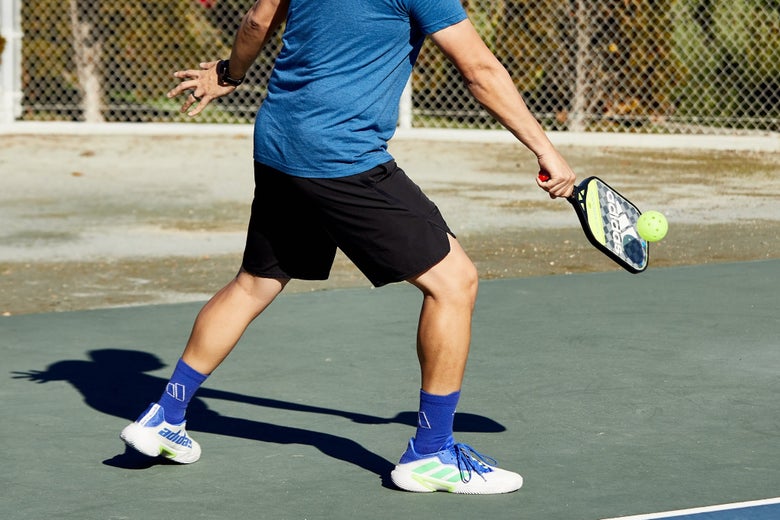
Fast shuffles. Split steps. Sudden stops. That is daily life in pickleball. If you ask what kind of shoes for pickleball handle all that, look for stable, court-ready designs.
Pickleball loads your ankles and knees with side-to-side moves. You need a shoe that stays steady when you plant and push. A running shoe wants to go forward. A court shoe wants to hold firm in every direction.
Key movement needs:
- Lateral stability The shoe should resist rolling at the ankle.
- Torsional control A midfoot shank keeps the shoe from twisting.
- Traction with release Grip must be strong yet allow clean pivots.
- Low-to-the-ground feel A lower stack helps balance and quick cuts.
- Toe protection A drag guard saves the upper during lunges.
From my own play, the biggest change came from a firm heel counter and a wider base. My push-offs felt clean, and my landings felt sure. That is the base case answer to what kind of shoes for pickleball you should choose.
Court shoes vs running shoes for pickleball
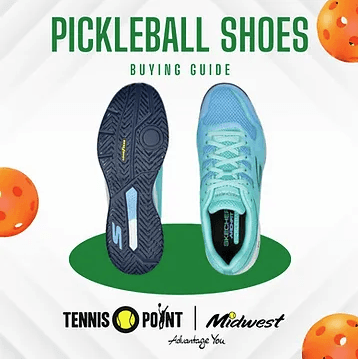
Many players start with what they own. But what kind of shoes for pickleball should you wear if you want less risk and more control? Court shoes win.
Why court or tennis shoes beat running shoes:
- Running shoes are soft and tall. They cushion forward motion but can roll in hard cuts.
- Court shoes sit lower and wider. They protect the ankle in shuffles and stops.
- Outsoles differ. Court shoes use patterns that grip on wood, acrylic, or asphalt.
Volleyball shoes can work indoors. They grip on gym floors and feel light. Outdoors, they wear faster. If you are unsure what kind of shoes for pickleball will last, start with tennis or all-court shoes.

Key features to look for in pickleball shoes
Let’s make a checklist. If you ask what kind of shoes for pickleball are worth your money, these features matter most.
Must-have features:
- Non-marking rubber Needed for indoor play and most clubs.
- Herringbone or modified herringbone outsole Great all-around traction.
- Reinforced toe and medial side Helps with toe drags and slides.
- Midfoot shank Improves support and reduces foot fatigue.
- Firm heel counter Holds the rearfoot steady on cuts.
- Wider base flares at the forefoot Adds lateral security.
- Breathable yet durable upper Mesh with TPU overlays balances air flow and strength.
- Moderate cushioning Protects joints without adding wobble.
- Secure lacing Forefoot lockdown should feel snug but not tight.
Try-this test in store:
- Do 10 side shuffles. If your foot tips or slides, skip that model.
- Do 5 lunges and hold. Check toe room and heel hold.
- Pivot on the ball of your foot. You should feel grip, then smooth release.
These points are the heart of what kind of shoes for pickleball will keep you quick and safe.
Right outsole for your court surface
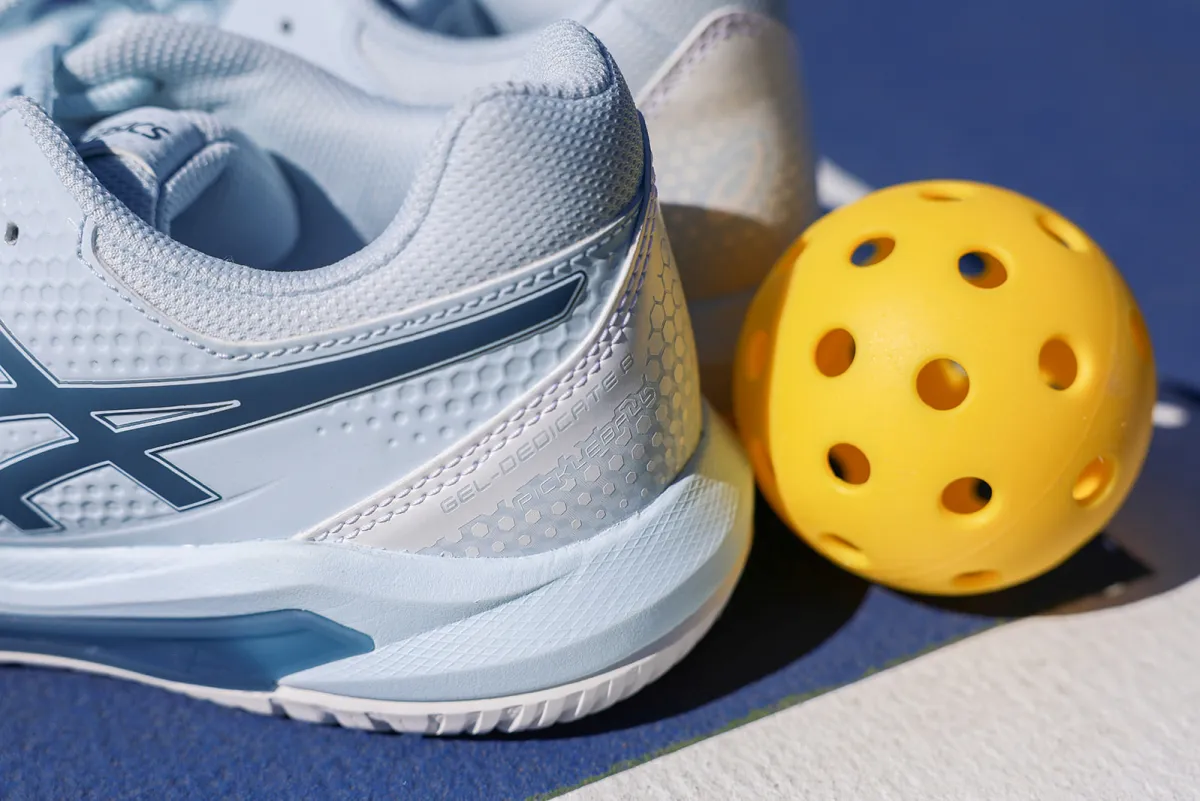
Surface matters. If you wonder what kind of shoes for pickleball work best indoors versus outdoors, match rubber and tread to the floor.
Indoor courts (wood or PVC):
- Gum or soft non-marking rubber Grips well on smooth floors.
- Finer tread lines Maximizes contact and bite.
- Lighter builds Keep you springy for fast rallies.
Outdoor courts (acrylic over concrete, or asphalt):
- Harder rubber Slows wear on rough surfaces.
- Deeper herringbone Helps dust management and durability.
- More toe and medial guard Protects from harsh scrapes.
Mixed play tip:
- If you play both, pick a durable all-court outsole. Carry a second pair if you can. This one small step can double the life of your shoes.
These choices fine-tune what kind of shoes for pickleball will match your court and style.

Fit, size, and foot type guidance
Even the best shoe fails if it does not fit. So, what kind of shoes for pickleball fit right? Aim for secure, not tight.
Simple fit rules:
- Length Leave a thumbnail space in front of your big toe.
- Width The midfoot and heel should feel hugged, not squeezed.
- Lockdown Use a runner’s loop at the top eyelets to stop heel slip.
Foot type tips:
- Flat feet Seek a firm midfoot, a real shank, and moderate arch support. Consider orthotics if needed.
- High arches Add a bit more cushion and a shaped insole. Keep lateral support high.
- Wide feet Look for wide sizes. A cramped forefoot kills agility.
Break-in plan:
- Wear them at home for an hour.
- Play one light session.
- Then go full tilt. This is the safest path to find what kind of shoes for pickleball keep you pain free.
Budget and durability: value picks and lifespan
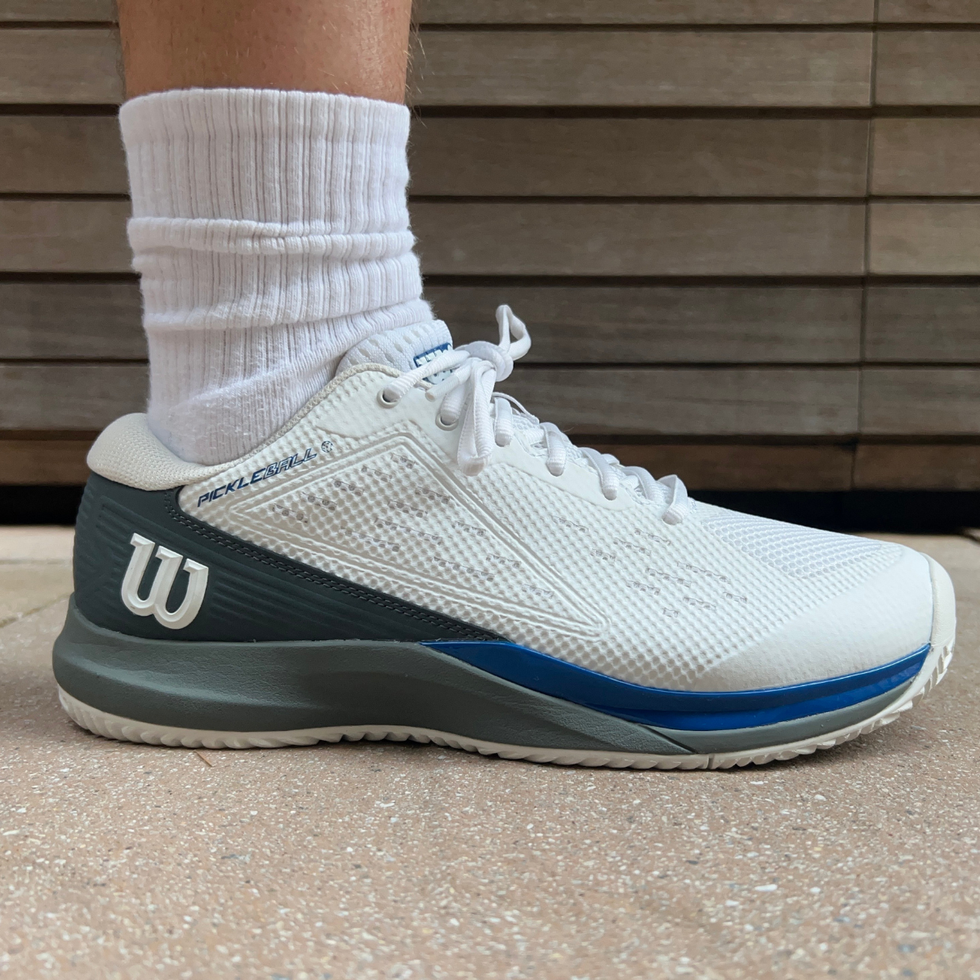
Price does not equal play skill. What kind of shoes for pickleball give value? Look at rubber life and support first.
Helpful ranges:
- Entry to mid-tier 70 to 110 dollars. Solid for most players.
- Premium 120 to 160 dollars. Often better rubber and lockdown.
- Pro-level over 160 dollars. Niche build, lighter, or special uppers.
How long do they last?
- Indoor use Many pairs last 6 to 9 months with weekly play.
- Outdoor use Expect 3 to 6 months if you play often. Rough courts eat rubber.
Signs you need a new pair:
- Bald tread at the ball of the foot.
- Sidewall creases that feel soft in cuts.
- New aches in the knees or heels after games.
Smart saver tip:
- Rotate two pairs. They dry out and rebound better between sessions. It doubles comfort and extends life. This is a proven answer to what kind of shoes for pickleball last longer for active players.
Care, rotation, and injury prevention
Care is simple. It also works. If you ask what kind of shoes for pickleball stay fresh and safe, the ones you treat well do.
Care steps:
- Air them out Remove insoles and let them dry after play.
- Clean the outsole Wipe dust so traction stays sharp.
- Replace insoles every few months Cheap and effective comfort.
Play-safe habits:
- Warm up with light shuffles and calf raises.
- Use lace-locking for heel hold.
- Consider light ankle sleeves if you have a history of sprains.
My routine is easy. I rotate two pairs, wipe the soles, and do 2 minutes of mobility before play. My feet feel better, and my legs thank me. These tiny habits unlock what kind of shoes for pickleball feel great game after game.

Frequently Asked Questions of what kind of shoes for pickleball
Can I wear running shoes for pickleball?
You can, but it is not ideal. Running shoes are too soft and tall for hard cuts, which can raise your risk of rolling an ankle.
Are tennis shoes good for pickleball?
Yes. Tennis and all-court shoes are built for lateral moves and quick stops, which matches pickleball demands very well.
How often should I replace pickleball shoes?
Replace them when tread goes smooth or support feels mushy. Many players replace pairs every 3 to 6 months with regular play.
What outsole works best for indoor courts?
Non-marking gum or soft rubber with a fine pattern works best on wood and gym floors. It gives bite without scuffing.
What shoes help with plantar fasciitis?
Look for firm heel counters, moderate heel cushion, and strong arch support. Add an insole with heel cup if you need more control.
Do I need non-marking soles?
Most indoor gyms require non-marking soles. Even outdoors, non-marking rubber is common and works well.
Are volleyball shoes okay for pickleball?
Indoors, yes, many models feel great. Outdoors, the softer rubber can wear fast, so choose tennis or all-court models instead.
Conclusion
Pickleball rewards quick feet, steady balance, and smart choices. Now you know what kind of shoes for pickleball support sharp cuts, clean stops, and safe pivots. Choose a court shoe with real lateral support, a stable base, and the right outsole for your court.
Try on, test your shuffles, and trust the fit. Rotate pairs, care for them, and listen to your feet. Ready to move better? Use this guide, pick your pair, and share your experience or questions in the comments.