
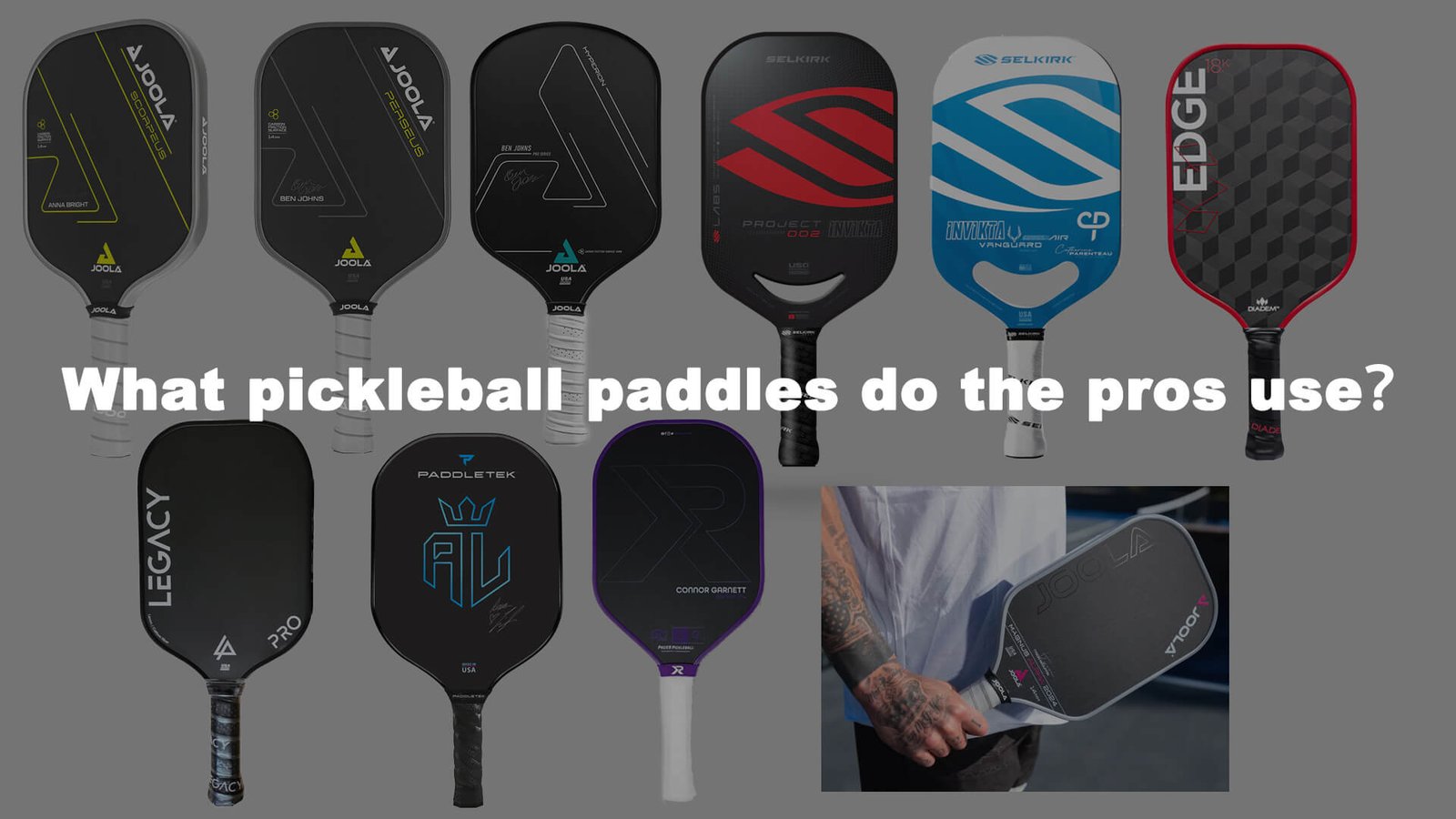
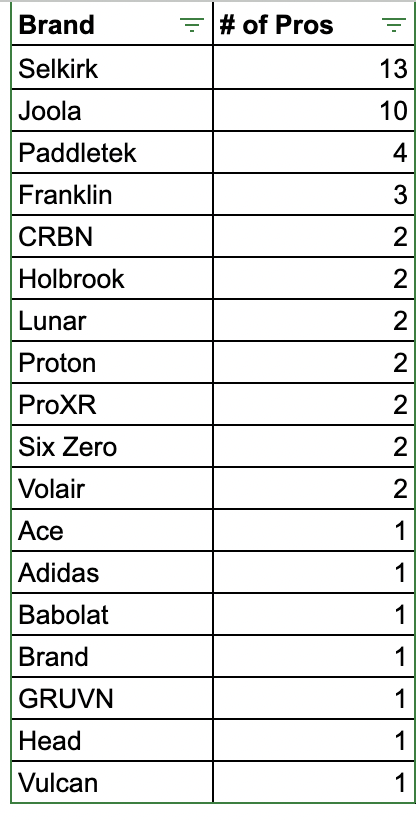
Top pros use signature paddles from JOOLA, Selkirk, Paddletek, Franklin, Engage, Gearbox, and ProXR.
If you have wondered what pickleball paddles do the pros use, you are not alone. I test gear for a living, play tournaments on weekends, and talk shop with coaches and sponsored players. In this guide, I break down what pickleball paddles do the pros use today, why they choose them, and how you can pick a setup that feels pro-level without breaking your game or your budget.
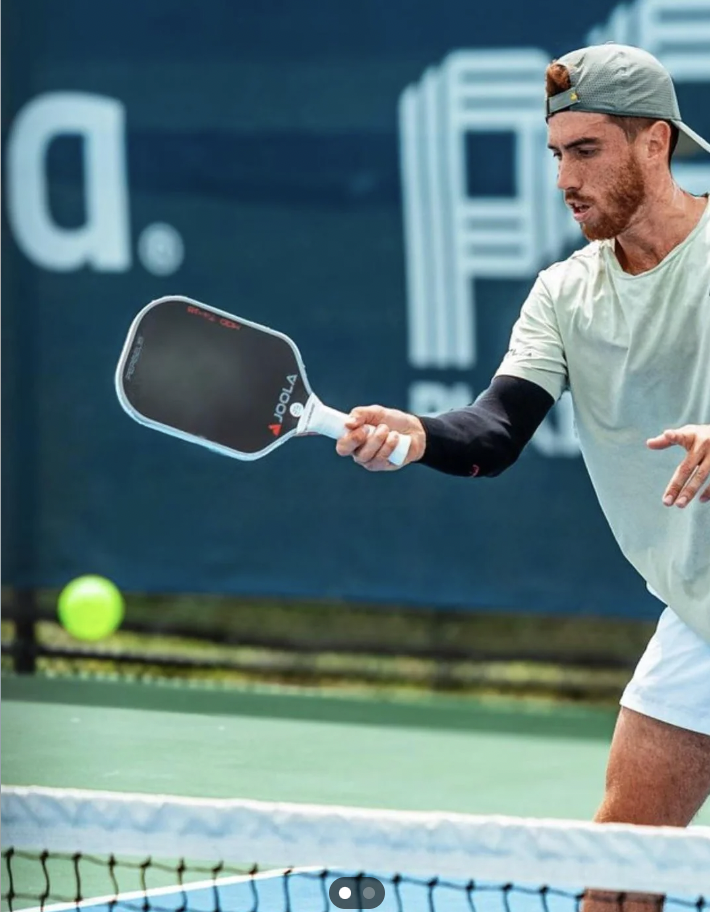
The short list: what pickleball paddles do the pros use right now
Here is a clear snapshot of what many top players are swinging as of this season. Gear can change fast, but these models are common on tour.
- Ben Johns: JOOLA Perseus 16 and other JOOLA variations. He helped design the Perseus for balanced power and control.
- Anna Leigh Waters: Paddletek Bantam ALW-C (various thickness options). Lively feel with fast hands strength.
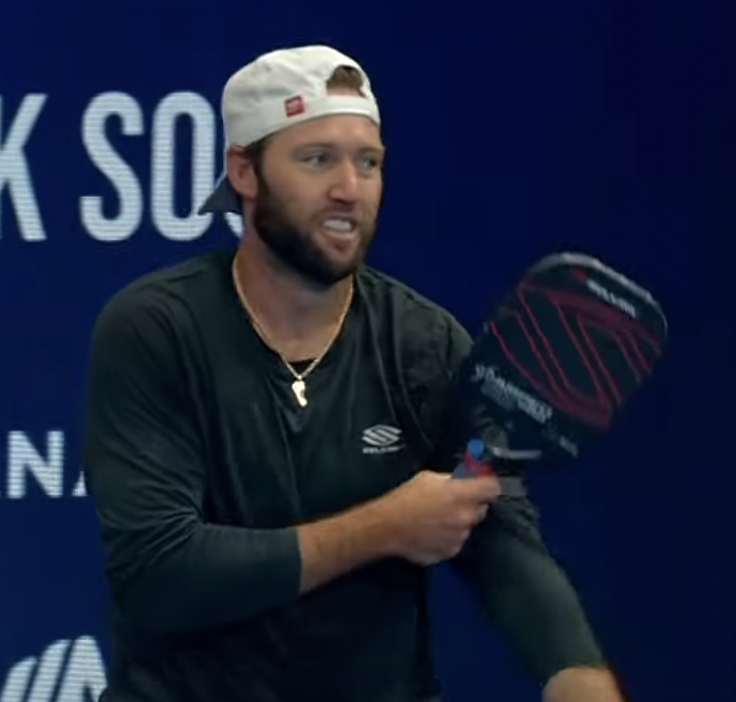
- Tyson McGuffin: Selkirk Vanguard Power Air Invikta or Selkirk Luxx Control Air. He rotates based on event needs.
- Collin Johns: JOOLA Scorpeus 16. Stable, soft, and spin-friendly for dinking and resets.
- JW Johnson: Franklin Carbon STK series. Smooth, fast at the net, and easy to flick.
- Jorja Johnson: Franklin Carbon STK series. Light, whippy, and reliable across the kitchen.
- Zane Navratil: ProXR Zane Signature. Noted for the unique handle shape that helps spin and wrist action.
- Dekel Bar: Engage Pursuit Pro and Pursuit MX lines. Elongated reach with explosive drives.
- Catherine Parenteau: Selkirk Luxx Control Air or other Selkirk control-focused frames. Great touch and consistency.
- Gearbox team pros: Gearbox Pro Control and Pro Power lines. Solid, one-piece carbon feel with a crisp response.
Remember, sponsorships matter. What pickleball paddles do the pros use will often reflect brand deals, signature models, and custom builds. Most pros also fine-tune weight and balance with lead tape, so the retail paddle you buy is only the starting point.
How pros choose a paddle
When people ask what pickleball paddles do the pros use, they really want to know why. Pros pick paddles that amplify their strengths and protect their weaknesses.
- Power vs control: Power helps on serves, drives, and counters. Control helps with resets, dinks, and blocks.
- Spin: Raw carbon faces and textured coatings raise spin, which helps hook drives and drop volleys.
- Sweet spot size: A big, forgiving sweet spot reduces mishits under pressure.
- Swingweight and balance: Lower swingweight moves faster for hand battles. Higher swingweight adds plow-through for drives and deep returns.
- Shape and handle length: Elongated paddles add reach and leverage. Longer handles help two-handed backhands.
- Build rules: USA Pickleball sets size and surface limits. Pros stay within these so their paddles are approved for play.
If you watch a pro warm-up, you will see them test blocks, drops, dinks, and counters. The paddle that feels “automatic” in those drills is the one that stays. What pickleball paddles do the pros use depends on this feel as much as any spec sheet.
Paddle tech explained in plain English
If you want a smarter answer to what pickleball paddles do the pros use, you need a quick tech primer.
- Core thickness: 16 mm cores are softer and control-focused. 13 to 14 mm cores feel poppier and faster.
- Face material:
- Raw carbon fiber: Grippy and consistent spin, softer touch, top choice for many pros.
- Fiberglass: Lively pop and put-away power, less dwell time.
- Hybrid or Kevlar blends: Try to blend speed, spin, and durability.
- Thermoforming: Heat bonding around the edge boosts stiffness and power. It can raise swingweight and stability.
- Edge guard vs edgeless: Edge guards protect the face and help durability. Edgeless can feel faster but may chip if abused.
- Handle and foam injections: Perimeter foam or injected rails improve stability and enlarge the sweet spot.
Most signature pro paddles use raw carbon faces, 16 mm cores, and some thermoforming. That blend gives a stable block, heavy spin, and predictable touch. That is why when you ask what pickleball paddles do the pros use, you see the same construction pop up across brands.

Pro setups and common mods
Two players can use the same retail model and have it feel totally different. Here is how pros tune their gear.
- Lead tape:
- 2 to 4 grams at 12 o’clock adds power and depth on drives.
- 1 to 2 grams split at 10 and 2 o’clock improves stability on off-center hits.
- 2 to 6 grams stacked low on the throat keeps swingweight modest but calms vibration.
- Overgrips and grip size:
- One or two tacky overgrips keep the handle dry and boost control.
- Thicker grips reduce wrist snap but can steady blocks.
- Weight targets:
- Doubles specialists often land near 8.2 to 8.6 ounces.
- Singles players may go heavier for reach and power.
- Edge guard tape:
- Protects the face from court rash and keeps spin texture intact longer.
From my tests, a JOOLA Perseus 16 at 8.4 ounces with 2 grams at 12 gives easy depth on thirds. A Selkirk Luxx Control Air with 2 grams each at 10 and 2 feels like a wall on counters. These small tweaks explain why what pickleball paddles do the pros use can be the same model name but never the exact same feel.

Tested insights from the court
I rotate paddles during league nights and track results after each match. The patterns are clear.
- Raw carbon faces create reliable spin that helps shape drops and topspin dinks. Measured spin from modern raw carbon builds often sits in a high, consistent range.
- 16 mm control frames help me win more dinking exchanges and make resets safer. I float fewer balls long under stress.
- Lighter swingweight wins hand battles. Heavy swingweight wins drive wars. Picking your fights matters more than chasing “the best” paddle.
- Elongated shapes bail me out when I get stretched wide. Standard shapes feel more stable on blocks in middle exchanges.
This is why what pickleball paddles do the pros use varies by event and matchup. On slower courts or with softer balls, I grab power. In windy days or against bangers, I switch to control and stability.

How to pick a paddle like a pro
You can answer what pickleball paddles do the pros use and still pick the wrong one for you. Use this quick process.
- Define your goal. More put-away power, or fewer unforced errors at the kitchen.
- Match thickness to need. Choose 16 mm for control or 14 mm for pop and speed.
- Pick a shape. Elongated for reach and drives, standard for blocks and hands.
- Aim for the right swingweight. If you lose speed at the net, go lighter. If your drives sit up, go heavier.
- Demo two to three paddles. Test drops, dinks, blocks, speed-ups, and third shots.
- Tune with tape. Add 2 grams at 12 if you need depth. Split at 10 and 2 for stability.
- Lock it in for a month. Give your muscle memory time before you change again.
Budget also matters. Mid-price raw carbon paddles can perform close to tour models. Durability, warranty, and customer service matter too. The best answer to what pickleball paddles do the pros use should not push you into a paddle you cannot control or replace.

Common myths about what pickleball paddles do the pros use
Let’s clear the air so you can shop smarter.
- Myth: The most expensive paddle is always best. Reality: Feel and fit beat price. Many mid-tier paddles play great.
- Myth: Pros use stock paddles. Reality: Most add lead tape, custom grips, and sometimes special layups.
- Myth: Thinner is always more powerful. Reality: Placement and swingweight also drive power.
- Myth: Spin is only about surface texture. Reality: Stiffness, dwell time, and technique matter as much.
- Myth: One paddle covers all styles. Reality: Doubles and singles can need different shapes and balances.
Understanding these myths helps translate what pickleball paddles do the pros use into a smarter choice for your game.
Frequently Asked Questions of what pickleball paddles do the pros use
Do pros use heavier or lighter paddles?
Most land in the 8.2 to 8.6 ounce range after adding tape. Singles players sometimes go heavier for reach and drive depth.
Are pro paddles legal for amateur play?
Yes, if they appear on the USA Pickleball approved list. Always check the stamp or the brand’s approval page.
Do pros prefer raw carbon or fiberglass?
Raw carbon dominates for spin and control. Some power hitters still like fiberglass for pop and fast counters.
How often do pros switch paddles?
Some stick with one model for a season. Others swap based on surface, ball, weather, or small performance tweaks.
Can I play like a pro with the same paddle?
You can get closer in feel, but technique and footwork matter more. Use the paddle to support your strengths, not to replace practice.
Conclusion
Now you know what pickleball paddles do the pros use, why they use them, and how they tune them to win points that matter. Use the build basics, the tuning tips, and the short demo plan to lock in a setup that boosts your strengths today. Try two paddles, add a little tape, and track a week of results. Then commit and let your game grow. If this helped, share it with a partner, subscribe for new gear breakdowns, or drop your current setup in the comments so we can compare notes.