Most pickleball games go to 11 points, win by two, using side-out scoring.
If you’re new and wondering what score does pickleball go to, you’re not alone. I’ve taught countless beginners, and scoring is the first thing they ask. In this guide, I’ll break down what score does pickleball go to in simple terms, with real court examples, pro tips, and the latest rule nuances so you can play with confidence from your very next game.

Pickleball scoring basics: what score does pickleball go to?
In most casual and tournament matches, games go to 11 points and you must win by two. That means 11–9 is fine, but 11–10 is not. Only the serving team scores in standard side-out scoring.
In some formats, you’ll play one game to 15 or 21, still win by two. Organizers often pick those for time management. The official rulebook confirms this, and most clubs follow the same approach.
If you keep asking what score does pickleball go to, remember this simple rule of thumb:
- Recreational play: 11, win by two, best two out of three is common.
- Tournaments: 11, win by two (best of three), or single games to 15 or 21.
- No cap unless an event posts one in advance.
Doubles vs singles: how the score call works
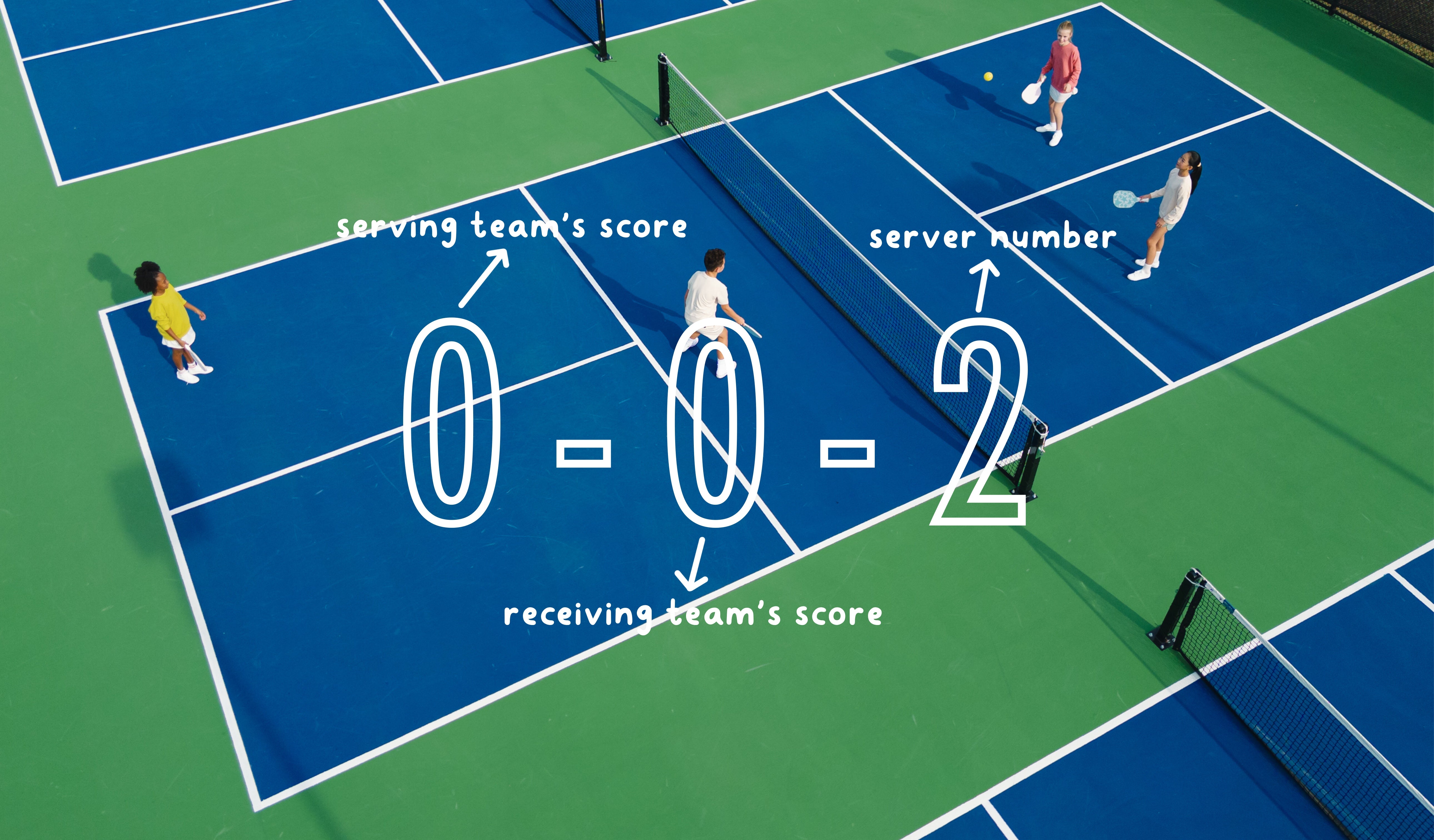
Doubles uses a three-number call: server score, receiver score, server number. The server number is 1 or 2. At the start of the game, the score is called 0-0-2. That signals the first side only gets one server to begin.
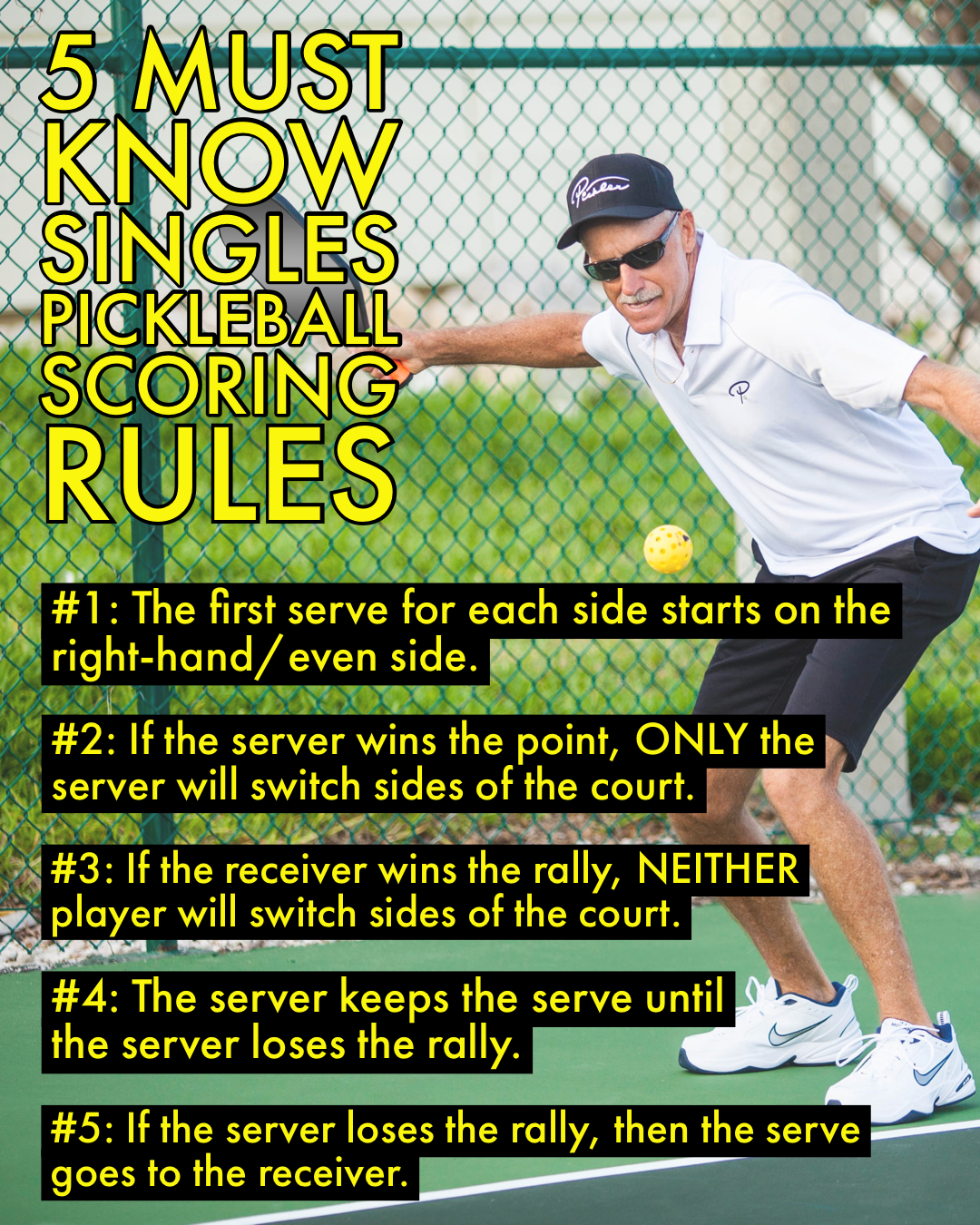
Singles is simpler. You call two numbers: server score, receiver score. Only one server, so no third number.
Here is how to call it during play:
- Doubles example: 6-4-1 means the serving team has 6, receivers have 4, and server 1 is serving.
- Singles example: 9-7 means server has 9, receiver has 7.
- Faults or rallies end with either a point to the server (if they won the rally) or a server switch/side-out (if they lost the rally).
When you explain what score does pickleball go to to a new partner, always pair it with the proper call. It makes rotations smooth and avoids arguments.

Side-out vs rally scoring: when each is used
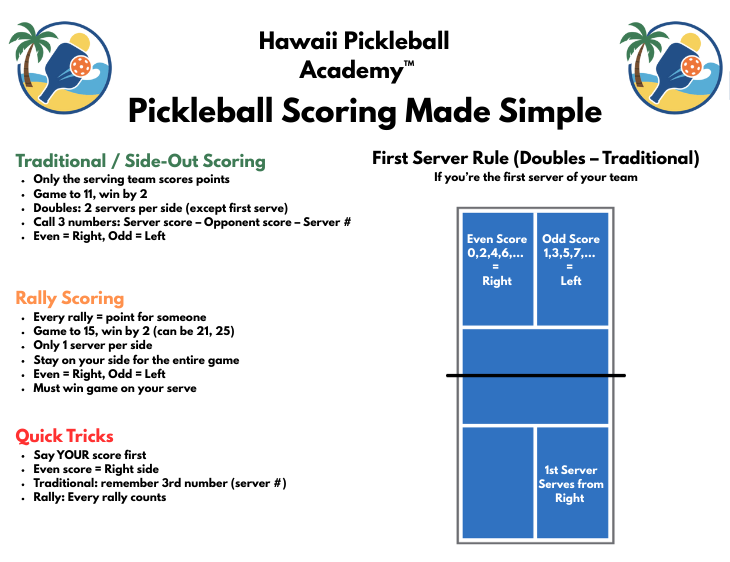
Traditional pickleball uses side-out scoring. Only the serving team can score. If the serving team loses the rally, the serve moves to the next server or to the other team.
Some leagues and team events use rally scoring. In rally scoring, every rally gives a point to the rally winner, no matter who served. Many TV-friendly events use rally scoring to 21, win by two, with special “freeze” rules near the end to keep things fair and exciting.
So, what score does pickleball go to under rally scoring? Most often 21, win by two. But at your local courts, standard side-out to 11 is still the norm.

Win by two, caps, and tiebreak rules
Win by two is the default. If the game is to 11 and the score reaches 10–10, play continues until one team leads by two points. Some events set a cap, like first to 15, no matter the spread. That must be posted in advance.
Tiebreak formats vary:
- Best-of-three to 11: If tied 1–1 in games, the third game also goes to 11, win by two.
- Single-game draws: Often to 15 or 21, win by two.
If you keep asking what score does pickleball go to when both sides are hot, the answer is simple: play on until someone leads by two, unless a posted cap applies.

How to keep score on court step by step
Here is a quick, reliable process I teach beginners.
- Before the first serve
- In doubles, decide which partner serves first on each side.
- Call the score as 0-0-2 to start.
- During the game
- Call the score before every serve, loud and clear.
- Doubles: server score, receiver score, then 1 or 2.
- Singles: server score, receiver score.
- After each rally
- If the serving team wins the rally, add a point and keep serving.
- If the serving team loses, in doubles switch to the second server. If the second server loses, it’s a side-out.
- Service rotation
- In doubles, serving team players switch sides after they win a point.
- The receiving team does not switch on a side-out. They switch only when they win a point on their own serve.
If someone asks mid-match what score does pickleball go to, pause and clarify the target and the win-by-two rule so everyone is aligned.

Common mistakes and easy fixes
I see the same few errors over and over. Here is how to fix them fast.
- Forgetting win by two
- Fix: Announce “game to 11, win by two” before the first serve.
- Wrong server or wrong side
- Fix: Use the even-odd rule. If your score is even, you should be on the right/even court. If odd, left/odd court.
- Misstating the server number in doubles
- Fix: Remember the start is 0-0-2. After that, the first server is “1,” the partner is “2.”
- Not calling the score
- Fix: Build a habit. Breathe, call it, then serve.
- Confusion about lets
- Fix: There are no service lets in official play now. If the serve clips the net and lands in, it’s live.
When we run beginner clinics, we repeat what score does pickleball go to several times, then do short games to 5 with the same rules. Confidence grows fast because the structure is simple.
Tournament vs recreational scoring formats
Recreational play most often goes to 11, win by two. It’s fast, fun, and keeps games moving when courts are busy. Some clubs run ladder nights with single games to 15 to save time.
At sanctioned events, you’ll often see:
- Best two of three, games to 11, win by two.
- Switch ends between games. If a third game is needed, switch ends at 6.
- Single-game brackets or backdraws to 15 or 21, win by two.
- End changes at halfway points: to 15 switch at 8, to 21 switch at 11.
If you are unsure what score does pickleball go to for your bracket, ask the desk or read the event sheet before warmups.
Quick drills to master scoring
These simple drills build scoring habits fast.
- Call-and-catch drill
- Stand on the baseline with a partner.
- One player calls a correct score sequence for five imaginary rallies.
- The other checks it, then swap roles.
- Mini-games with constraints
- Play games to 5, win by two.
- Server must call the full score correctly before the point counts.
- Rotation rehearsal in doubles
- Serve two balls each, rotate through 1 and 2.
- Track who should be on the even or odd side based on the score.
Each drill reinforces what score does pickleball go to and how to say it with no stress. After a few reps, the numbers become second nature.

Frequently Asked Questions of what score does pickleball go to
Does pickleball always go to 11?
Most casual and many tournament games go to 11, win by two. Some events choose a single game to 15 or 21 to manage time.
Can you win 11–10 in pickleball?
No. You must win by two in standard formats. If it’s 10–10, play continues until one team leads by two.
Who can score in standard pickleball?
Only the serving team can score in side-out scoring. If the server loses the rally, they lose the serve or it becomes a side-out.
What is the starting score in doubles?
It starts at 0-0-2. This means the first serving team gets only one server to begin the game.
Is there rally scoring in pickleball?
Yes, but mostly in special leagues or team events. Rally scoring usually goes to 21, win by two, and every rally earns a point.
When do players switch ends?
In best-of-three to 11, you switch ends between games and at 6 in game 3. In single games to 15 or 21, you switch at 8 or 11.
Are service lets replayed?
No. Official rules say a serve that touches the net and lands in is live. Keep playing.
What score does pickleball go to in singles?
Singles uses the same targets as doubles. Most games go to 11, win by two, with some formats using 15 or 21.
How do I explain scoring to a new partner?
Say, “We’ll go to 11, win by two. I’ll call server score, receiver score, then 1 or 2.” That covers what score does pickleball go to and how calls work.
Do clubs ever cap the score?
Some do, but it must be posted. If capped at 15, for example, the first to 15 wins even if not by two.
Conclusion
You now know what score does pickleball go to in every common setting: usually 11, win by two, and sometimes 15 or 21 for single-game formats. Call the score before every serve, remember the even-odd rule for court positions, and keep the game moving with clear communication.
Take this to the court today. Try a quick best-of-three to 11 with a friend, call every score out loud, and watch your confidence soar. Want more guides like this? Subscribe for weekly tips, or drop your questions in the comments so I can help you fine-tune your game.