
Choose court shoes with lateral support, durable herringbone outsole, and non-marking grip.
If you want to know what shoes are good for pickleball, you are in the right place. I test shoes weekly on indoor wood and outdoor asphalt courts. Here, I explain what matters, why it matters, and how to pick the best pair for your feet. Stick with me, and you will know exactly what shoes are good for pickleball and how to buy with confidence.

What shoes are good for pickleball: the features that matter most
If you ask what shoes are good for pickleball, start with court shoes. Court shoes are built for side steps, stops, and fast cuts. Running shoes are not. They flex forward, not side to side.
Look for a stable base. A wider outsole keeps you upright on hard stops. A firm heel counter holds your heel in place. This helps cut the risk of ankle rolls.
Pick the right traction. A herringbone or modified herringbone grip works on both indoor and outdoor courts. It gives a clean bite without locking your foot. For indoor wood, soft gum rubber sticks well. For outdoor asphalt, a tougher rubber lasts longer.
Choose balanced cushioning. Too soft feels nice at first, but it can feel wobbly on quick cuts. A mix of a firm midsole with a soft top layer works best. Your knees and heels will thank you on long open play days.
Check durability points. Look at the toe wrap, the medial drag guard, and the forefoot rubber. These areas take the most wear on dinks, lunges, and slides.
Fit is king. Your big toe should not touch the front. Leave a thumb’s width. The midfoot should be snug, not tight. The heel should not slip.
Key checklist when deciding what shoes are good for pickleball:
- Non-marking rubber to protect indoor courts and keep you welcome at gyms
- Lateral support with a stable sidewall and a locked-in heel
- Durable outsole with a herringbone or modified herringbone tread
- Balanced cushioning that protects without feeling mushy
- A fit that holds the midfoot and leaves space for the toes
Indoor vs outdoor: match the shoe to the surface
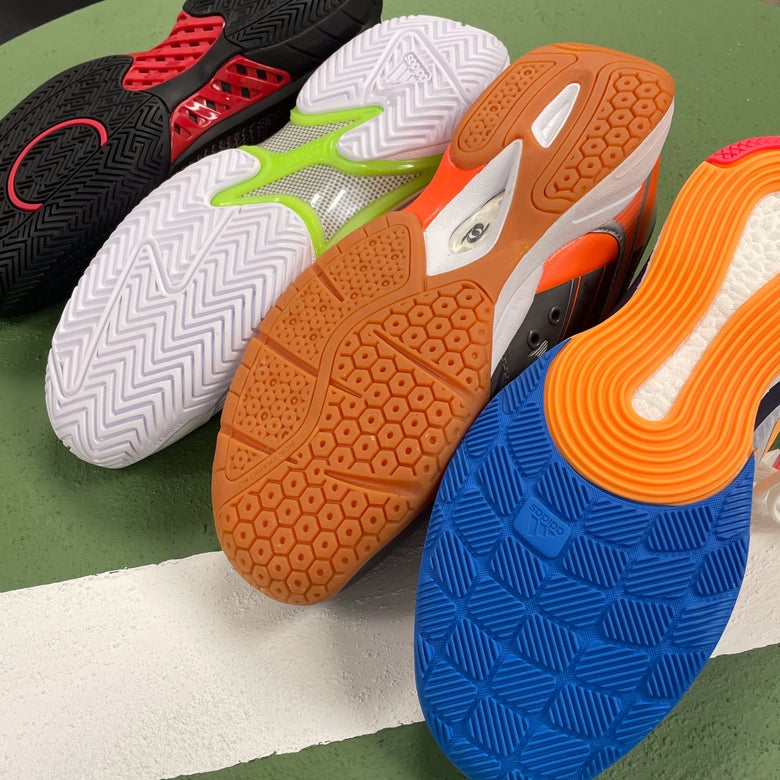
Indoor courts need grip without scuffing. Gum rubber is great here. It is sticky and helps on quick split steps. But gum rubber wears fast outside.
Outdoor courts are rough and dusty. Go with harder rubber and deeper tread. The shoe will last longer and keep better grip when chalk dust builds up.
So, what shoes are good for pickleball if you play both? Look for a hybrid court shoe. It has a sturdy herringbone outsole and a reinforced toe. It works on indoor wood and outdoor asphalt for most players.

Court shoes vs running shoes vs tennis shoes
Here is the simple truth. When people ask what shoes are good for pickleball, I do not say running shoes. Running shoes are made for forward motion. They flex and compress for heel-to-toe flow. On a side cut, they can tip or stretch too much.
Court and tennis shoes shine on lateral moves. They have sidewalls, midfoot shanks, and firm heel cups. They also use non-marking rubber that grips in many angles.
If you already own tennis shoes, you are close. Many tennis models work great for pickleball. Look for ones with solid lateral support and a stable forefoot.
How to get the right fit and comfort
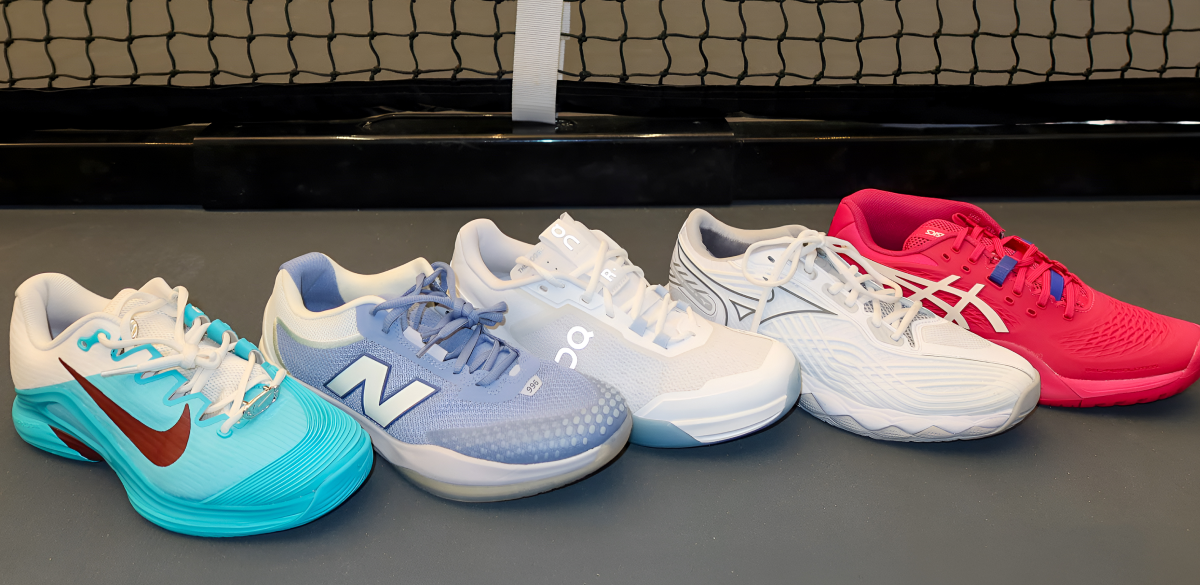
Comfort is not a luxury. It is performance. If someone asks what shoes are good for pickleball, I say the pair that fits you right.
Use this quick fit plan:
- Try shoes at the end of the day when your feet are slightly swollen
- Wear the socks you play in and bring your insoles if you use them
- Check for a thumb’s width in front of your big toe
- Make sure the midfoot feels locked in with no heel lift
Different foot shapes need different lasts. Wide feet like a roomy toe box. Narrow feet need a snug midfoot wrap. High arches may like a bit more cushioning under the heel. Flat feet may prefer firmer support and a stable base.
Injury prevention: protect your feet, ankles, and knees
Good shoes help lower injury risk. Sports medicine research shows that lateral stability and a supportive heel reduce ankle sprains. A stable base helps your knee track better on cuts and stops.
If you struggle with plantar fasciitis, a supportive midfoot and a slight heel drop can help. Use cushioned insoles if needed, but keep the shoe stable. Soft is not always safer. Stable and cushioned is the sweet spot.
So what shoes are good for pickleball if you have sore heels or arches? Choose a court shoe with a sturdy shank, a firm heel counter, and medium cushioning. Replace worn shoes on time to keep support fresh.
Surface and weather tips for better traction
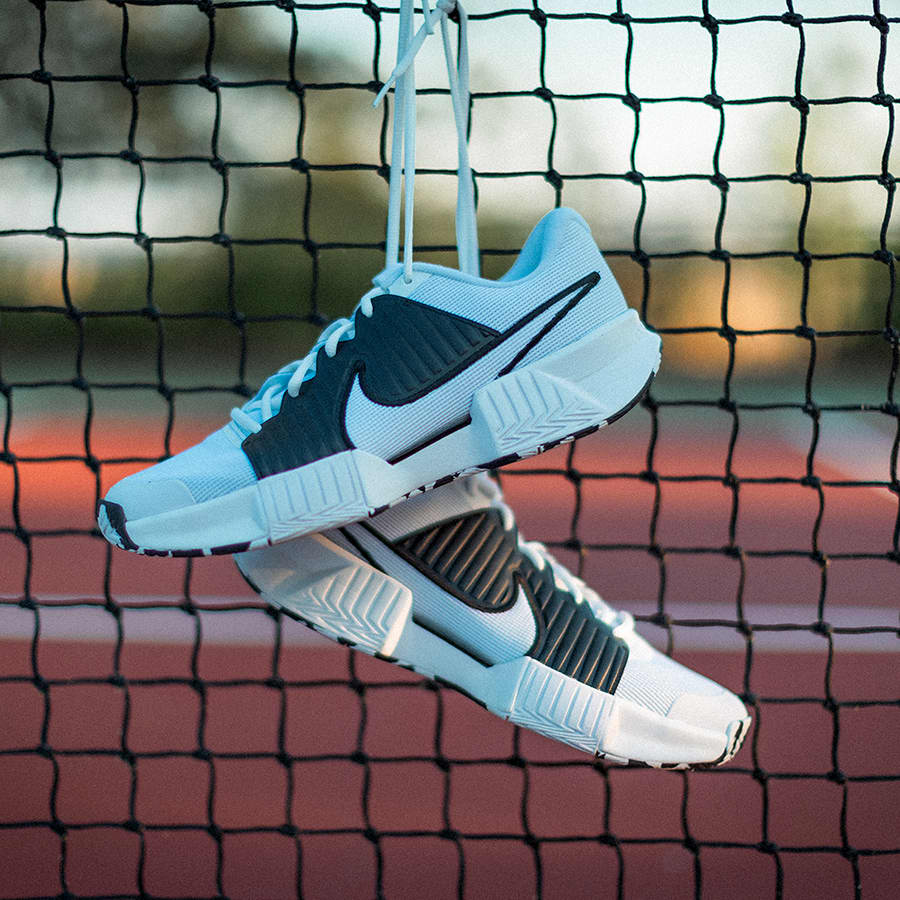
Hot courts can soften rubber. Grip may feel slick. Dusty courts lower friction too. Wipe your outsole on a damp towel during changeovers. It takes ten seconds and can save a point.
If you wonder what shoes are good for pickleball on slippery indoor floors, try gum rubber or a softer indoor compound. For gritty outdoor courts, pick a harder rubber and deeper tread. Keep a spare pair in your bag for wet mornings or evening dew.
Care, cleaning, and when to replace your shoes
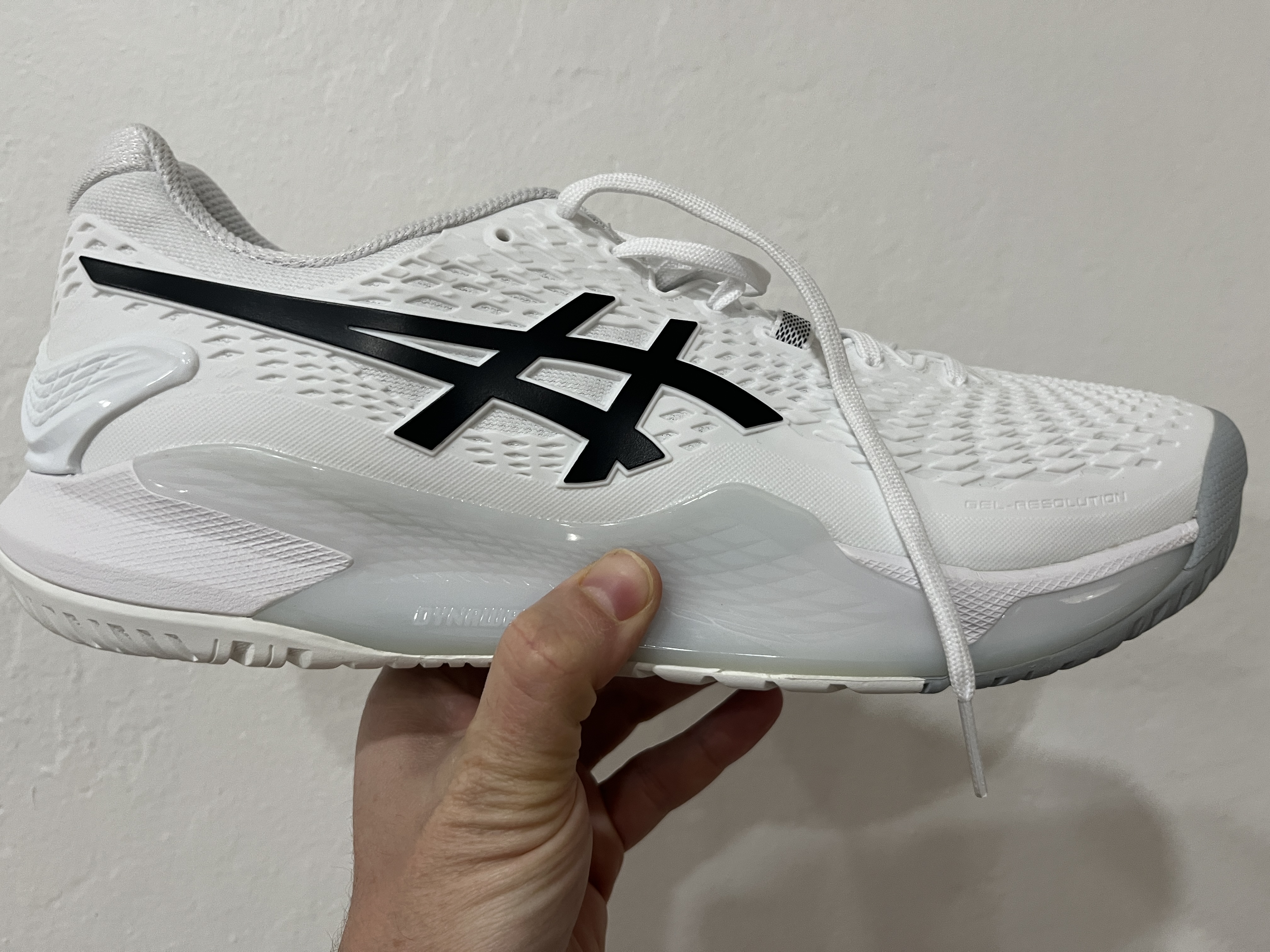
Clean shoes grip better. Dirt fills the tread and cuts traction. Tap soles together after games. Use a soft brush to clear dust. Wipe with a damp cloth when needed.
Rotate two pairs if you play often. Foam rebounds better with rest. This keeps support steady from game to game.
Most players should replace shoes every 60 to 90 hours of court time. If the tread is bald at the ball of your foot, it is time. If your heels ache after play, the midsole may be done.
Budget and value: where to spend and where to save
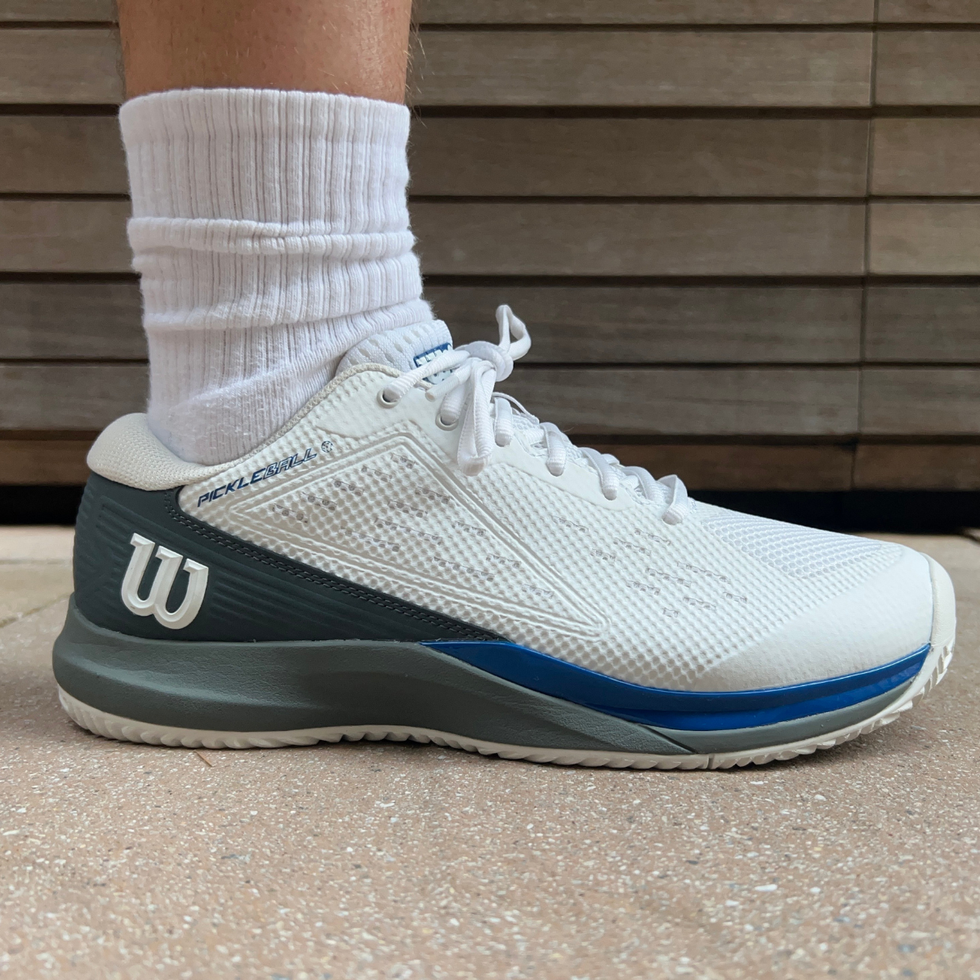
You do not need the priciest pair to play well. Focus on fit, stability, and grip. That is the answer to what shoes are good for pickleball at any price.
Typical price ranges:
- Entry level: Solid support, basic cushioning, good for new players
- Mid tier: Better foam, stronger rubber, and extra toe protection
- Premium: Light build, advanced foams, and top durability
If you slide a lot, spend on outsole durability. If your knees get sore, invest in better cushioning and support. If you ask what shoes are good for pickleball on a tight budget, choose last year’s model. You often get the same tech for less.
Real-world notes from the court: what I learned the hard way
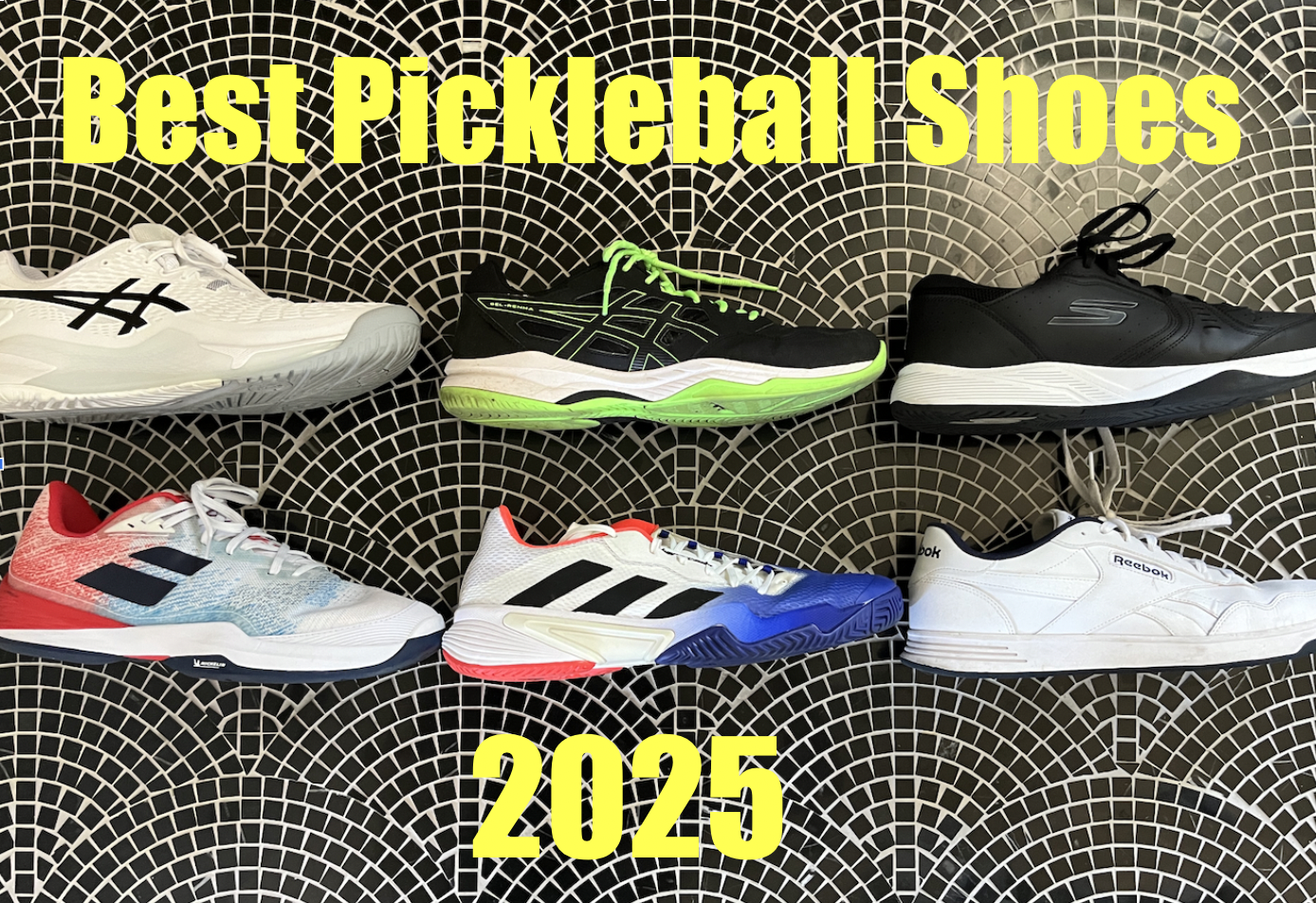
I once showed up in a cushy running shoe for a quick hit. I felt fast for five minutes. Then I slid on a wide dink and rolled my ankle. Lesson learned. Since then, I only play in stable court shoes.
I also learned that the best shoe is the one you forget you are wearing. When a pair is right, I focus on the ball, not my feet. That is my test when I decide what shoes are good for pickleball. If I do not notice the shoe mid-rally, it is a winner.
Another tip. Do not chase the lightest shoe if you drag your toes. A few extra grams in the toe cap can save you money and pain.
Frequently Asked Questions of what shoes are good for pickleball
Are running shoes okay for pickleball?
Running shoes are not ideal. They lack lateral support and can twist on side cuts, which raises injury risk.
What outsole pattern works best for pickleball?
Herringbone or modified herringbone grips well on most courts. It gives solid traction while allowing smooth pivots.
How often should I replace pickleball shoes?
Plan on every 60 to 90 hours of play. Replace sooner if tread is bald or your feet feel sore after normal sessions.
Do I need different shoes for indoor and outdoor play?
It helps if you play both often. Indoor calls for softer rubber, while outdoor needs tougher rubber and thicker tread.
Can insoles help with foot pain in pickleball?
Yes, supportive insoles can reduce heel and arch pain. Make sure they fit flat in the shoe and do not lift your heel too high.
What socks pair best with pickleball shoes?
Use moisture-wicking crew socks with light padding. They reduce blisters and help lock the heel.
What shoes are good for pickleball if I have wide feet?
Look for court shoes with a wide option and a roomy toe box. A stable base with a snug heel will still keep you secure.
Conclusion
Great shoes boost your game and protect your body. Now you know what shoes are good for pickleball and how to spot the right pair for your feet, your surface, and your budget. Pick for stability, grip, and fit, then get out and play.
Ready to level up? Try these tips on your next court day, track how your body feels, and share your results. Want more gear guides and simple skill tips? Subscribe and drop your questions in the comments.