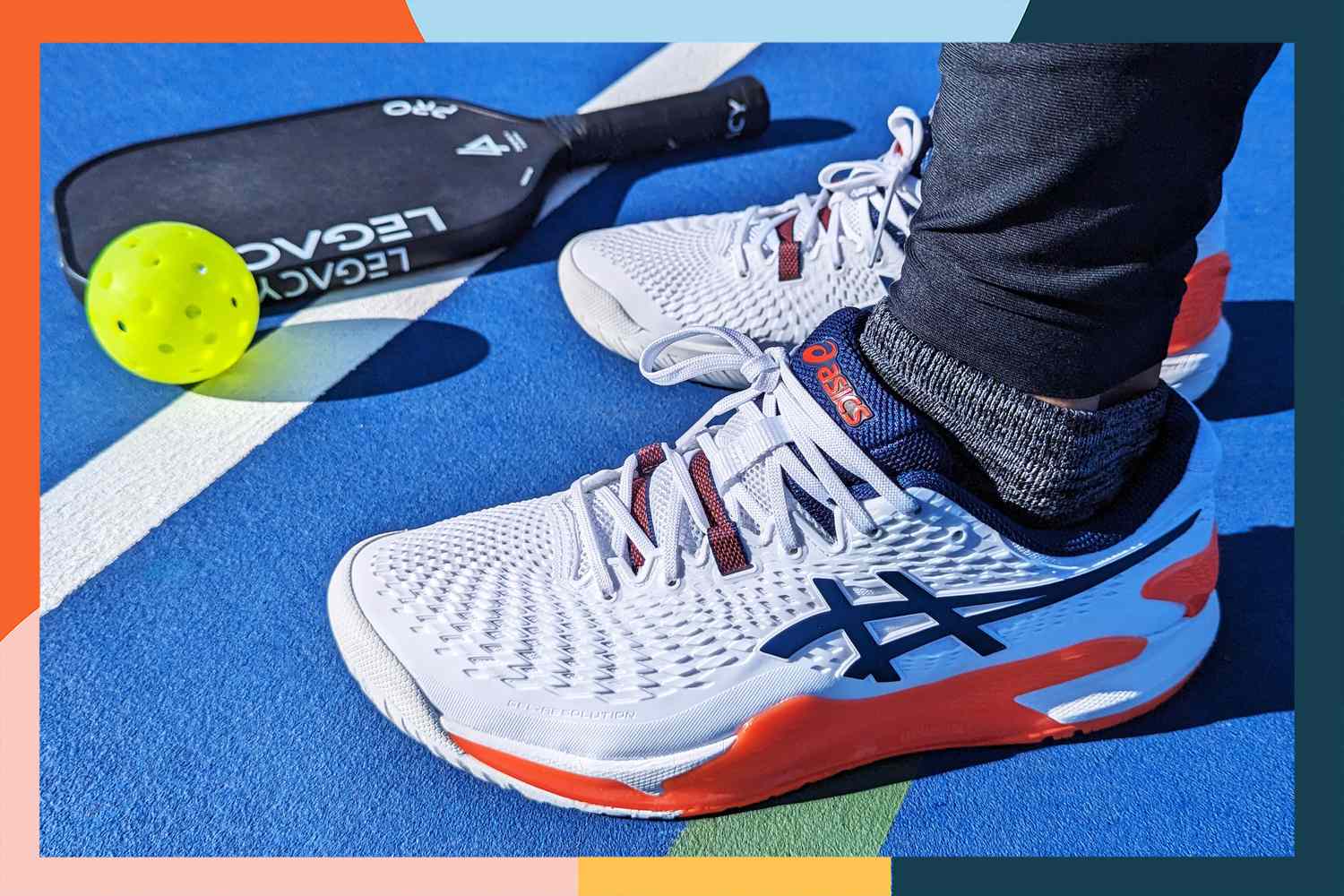
Stable court shoes with non-marking rubber and strong lateral support work best.
If you want to know what shoes for pickleball give you the edge, you are in the right place. I coach, play, and test gear for clubs and rec groups. This guide shows you how the game stresses your feet, what parts of a shoe matter most, and how to match models to your court and your body. By the end, you will know exactly what shoes for pickleball fit your style, your court, and your budget.
How pickleball movement shapes your shoe needs
Pickleball is fast side to side. You split step, push off, stop hard, and change direction. You lunge and reach at the kitchen. You also drag your toe on dinks and slides.
These moves demand a stable base. You need a firm heel, a locked midfoot, and a grippy sole that does not mark the court. If you are asking what shoes for pickleball keep you stable, think court shoes built for lateral load, not soft running shoes.

Key features to look for in pickleball shoes
You have many options, but a few parts make the most difference. Here is what to check and why it matters for what shoes for pickleball you buy.
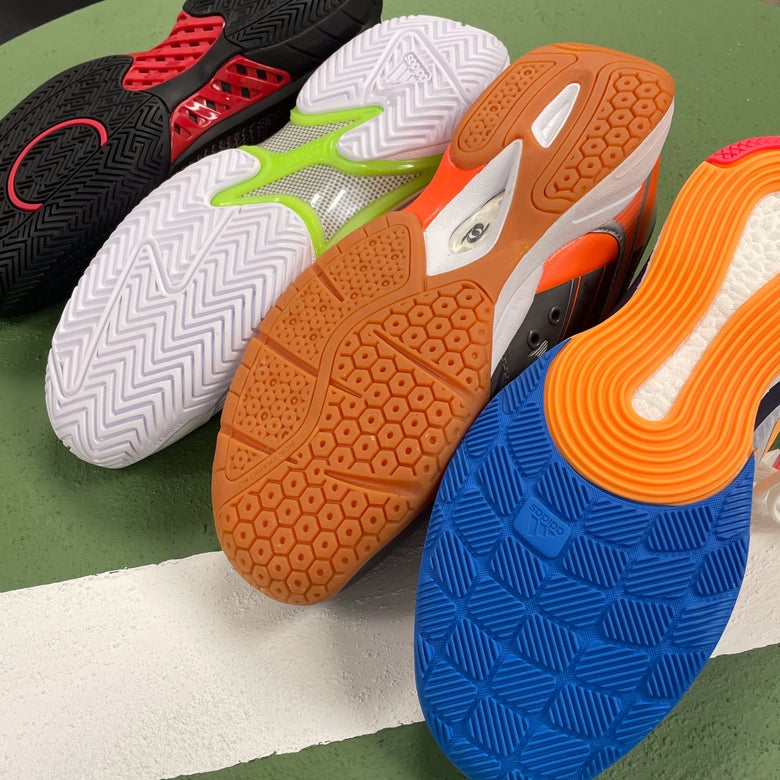
- Outsole grip and pattern. Look for non-marking rubber. For outdoor, a dense herringbone or modified herringbone grips acrylic and concrete. For indoor, gum rubber grips wood and vinyl.
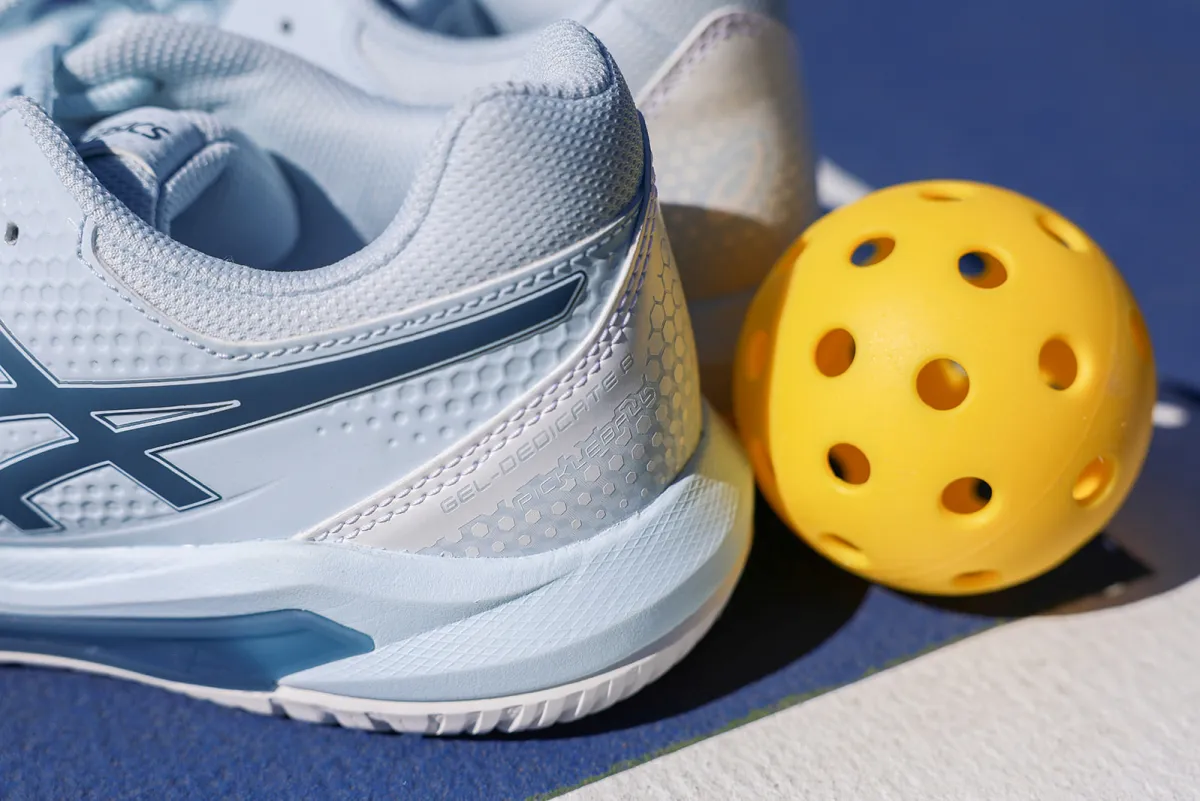
- Lateral support. A sturdy heel counter, a midfoot shank, and sidewall outriggers help stop ankle rolls. You should feel safe on hard cuts.
- Cushioning that is not too soft. You want shock control for joints. But foam that is too soft can feel tippy. A medium-firm ride works best for quick stops.
- Upper durability. A reinforced toe cap protects against toe drags. Added rubber or TPU at the forefoot helps the shoe last longer.
- Fit and lockdown. Your heel should not slip. Your midfoot should feel hugged. You should have a thumb’s width at the toes.
- Breathability and weight. Mesh helps on hot days. But make sure it still has structure on the sides.
- Build cues for long wear. Thick rubber at high-wear zones and a wrapped midsole edge can add months of play.
Indoor vs. outdoor: match outsole to your court
Your court type affects grip, wear, and safety. Choosing what shoes for pickleball starts with where you play most.
Indoor courts
If you play on wood, tile, or sport-court, gum rubber is king. It bites in, yet releases for pivots. Look for a smooth or fine pattern with a pivot circle under the forefoot. These shoes feel light and quick.
Outdoor courts
On concrete or acrylic, you need harder rubber and more tread. A deep herringbone holds the paint and dust. A beefy toe guard saves you from harsh toe drags outside. These shoes are a bit heavier but far tougher.
Mixed play or travel
Split time across surfaces? You can rotate two pairs. Or pick a balanced all-court outsole. If you are unsure what shoes for pickleball to choose for mixed use, go with an outdoor court shoe. It will last longer on rough ground.
Weather matters too. Heat softens foam and can make rubber tacky. Cold can stiffen shoes. Do not play on wet courts. Even the best outsole will slip.
 volleyball shoes for pickleball?”
style=”max-width: 100%; height: auto; border: 2px solid black; border-radius: 10px; display: block; margin: 0 auto;”
loading=”lazy”
/>
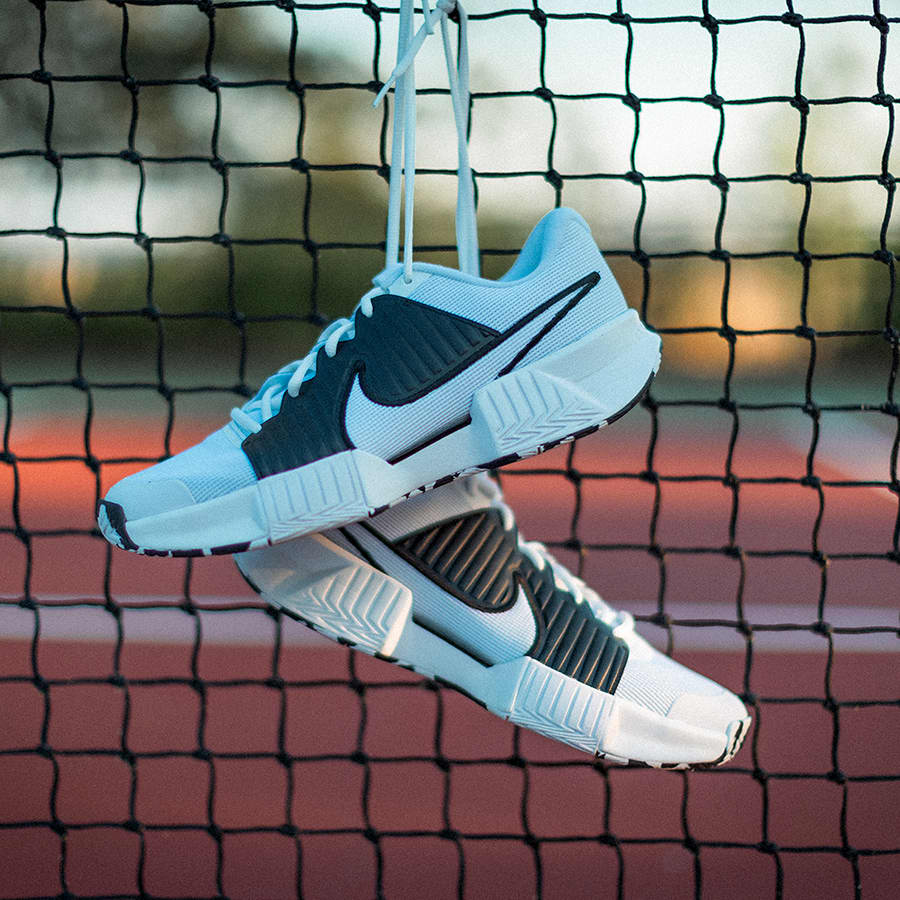
Can you wear tennis or volleyball shoes for pickleball?
This is a top search: what shoes for pickleball if you already own tennis or volleyball shoes?
Tennis shoes are a strong choice, especially outdoors. They are built for lateral moves and have tough rubber. Many players use them with great results.
Volleyball shoes shine on indoor courts. They have gum rubber and fast response. But they can wear out fast outdoors.
Running shoes are a no. They are made for forward motion. Their soft foam and curved edges can wobble on side cuts. Cross-trainers sit in the middle. Some are okay for beginners, but true court shoes are safer and more stable.

Fit guide: get the right size and shape
Great shoes that do not fit are bad shoes. When you ask what shoes for pickleball are best, the true answer is the pair that fits you well.
- Measure both feet at day’s end. Feet swell after play.
- Try shoes with your match socks. Stand, squat, and do a few side steps.
- Check length. You should have a thumb’s width at the big toe.
- Check width. Your forefoot should feel snug, not squeezed. No numb toes.
- Heel lock. No lift when you cut or stop.
- Lacing. Use runner’s loop to lock the heel. Adjust midfoot tension to taste.
If you wear orthotics, bring them. Remove the stock insole and test the fit. Some brands offer wide options. New Balance and K-Swiss often fit wide feet well. ASICS and Mizuno often run a bit more narrow.

What shoes for pickleball for your foot type and needs
Your body and play style guide your pick. Match your needs to features.
- Flat feet or need support. Look for a firm midfoot shank and a stable base. A slightly higher drop can ease the Achilles.
- High arches. You may like more forefoot cushioning and a shaped insole for pressure relief.
- Knee or back sensitivity. Stable shoes with moderate cushioning help. Avoid very soft, high stack models.
- Toe draggers. Seek reinforced toe caps and durable forefoot rubber.
- Heavy or powerful players. Choose a sturdier build with dense rubber. It will last longer and feel secure on hard plants.
- Beginners. Pick a mid-price court shoe with solid support. Learn footwork without fighting your shoes.
- Hot climates. Breathable mesh with sidewall support. Rotate pairs to dry between sessions.
These tips make what shoes for pickleball far less confusing. Match the feature to the problem you want to solve.

Common mistakes to avoid
Small errors can lead to sore feet and short shoe life. Avoid these pitfalls.
- Playing in running shoes. They feel comfy but are not safe on lateral cuts.
- Buying too big. Extra length causes sliding and black toenails on stops.
- Ignoring the outsole. The wrong rubber for your court leads to slips or fast wear.
- Skipping toe protection. Toe drag eats mesh fast.
- Not rotating pairs. A wet midsole breaks down faster and smells worse.
How long should your pickleball shoes last?
It depends on body weight, court type, and play hours. As a rough guide, expect 60 to 100 hours of play from most court shoes. Outdoor play on rough acrylic tends to sit at the low end.
Watch for signs that it is time to replace. Outsole bald spots. Midsole creases that do not bounce back. New aches in knees or heels after games. If you are not sure what shoes for pickleball need a refresh, check the tread under the big toe and ball of the foot. That is where it goes first.
Care, rotation, and budget tips
Good care stretches your budget and keeps your feet happy.
- Rotate pairs. Let foam rebound for 24 to 48 hours between hard sessions.
- Air dry after play. Pull out insoles. Do not leave shoes in a hot car.
- Clean the outsole. Brush off dust to keep grip strong, especially outdoors.
- Relace before games. Fresh laces hold better and improve lockdown.
- Budget smart. You can find past-season models at a discount. The tech is still sound.
If you need to choose what shoes for pickleball on a tight budget, pick a sturdy outdoor court shoe. It will work on most surfaces and last longer.
Real-world examples I recommend by need
These are models I have used or seen hold up well in club play. Availability changes fast, so try on for fit.
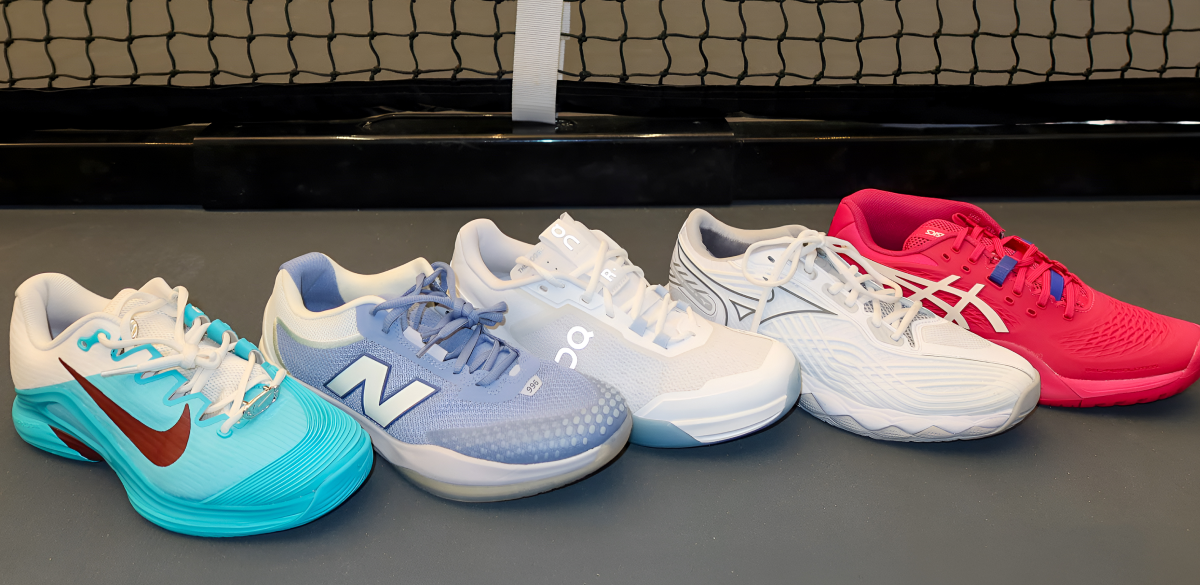
- Outdoor durability. Tennis-style court shoes with dense herringbone and toe armor work best. Examples include models like ASICS Gel-based court lines, K-Swiss Express Light Pickleball, or Wilson Rush Pro.
- Indoor grip. Volleyball or indoor court shoes with gum rubber feel great. Look at Mizuno Wave indoor lines or ASICS indoor court options.
- Wide fit. New Balance court shoes often come in 2E and 4E. K-Swiss also runs roomy.
- Lightweight feel. Some Babolat and Nike speed models feel fast, but check stability.
- Budget picks. Last year’s versions from major brands can be 30 to 40 percent off.
In testing, I run a five-minute court drill in each pair. I do side shuffles, figure-eights, and hard stops. If a shoe slides or my heel lifts, it is out. This simple test helps answer what shoes for pickleball actually work under pressure.
Quick answers to scenarios
If you want a fast path to what shoes for pickleball to grab, match your case to a feature.
- New player, outdoor rec play. Choose a tennis-style court shoe with herringbone grip and a firm heel.
- Indoor league, wood floor. Go with a gum rubber indoor shoe with a pivot point.
- Toe drag on dinks. Seek a reinforced toe cap and durable forefoot rubber wrap.
- Knee soreness after games. Try a stable shoe with medium cushioning and a slight heel drop.
- Hot summer doubles. Pick breathable mesh with sidewalls and rotate two pairs.
Frequently Asked Questions of what shoes for pickleball
Can I use running shoes for pickleball?
Running shoes are not ideal. They lack lateral support and can roll on side cuts, which raises injury risk.
Do I need different shoes for indoor and outdoor courts?
It helps. Gum rubber grips indoor floors, while harder herringbone rubber lasts longer and grips better outside.
How often should I replace my pickleball shoes?
Most players replace them every 60 to 100 hours. Watch for worn tread, flattened foam, or new aches after play.
Are tennis shoes good for pickleball?
Yes, especially outdoors. Tennis shoes are built for lateral moves and have tough rubber that holds up on acrylic courts.
What if I have wide feet?
Look for wide sizes or brands known for roomy fits. Try on with your game socks and make sure your toes are not squeezed.
How tight should pickleball shoes be?
They should feel snug in the heel and midfoot, with a thumb’s width at the toes. No heel slip on cuts and no numbness.
Conclusion
Pickleball rewards quick feet and safe stops. The right shoes give you grip, support, and comfort so you can play more and avoid aches. Focus on court-ready stability, the right outsole for your surface, and a fit that locks in without pain.
Take the next step today. Try two or three pairs, run a short court test, and pick what feels stable and secure. If this guide helped you decide what shoes for pickleball to buy, share it with a partner, subscribe for more gear tips, or drop your questions in the comments.