Pickleball uses a perforated, lightweight plastic ball, with indoor and outdoor versions.
If you are new to the sport, you might wonder what type of ball is used in pickleball and why it matters. I test gear for leagues and coach new players, and I can tell you the ball changes everything. From bounce to spin to sound, the right choice helps you play better and have more fun. Read on for a clear guide that answers what type of ball is used in pickleball with science, field notes, and simple tips.

What is a pickleball, exactly?
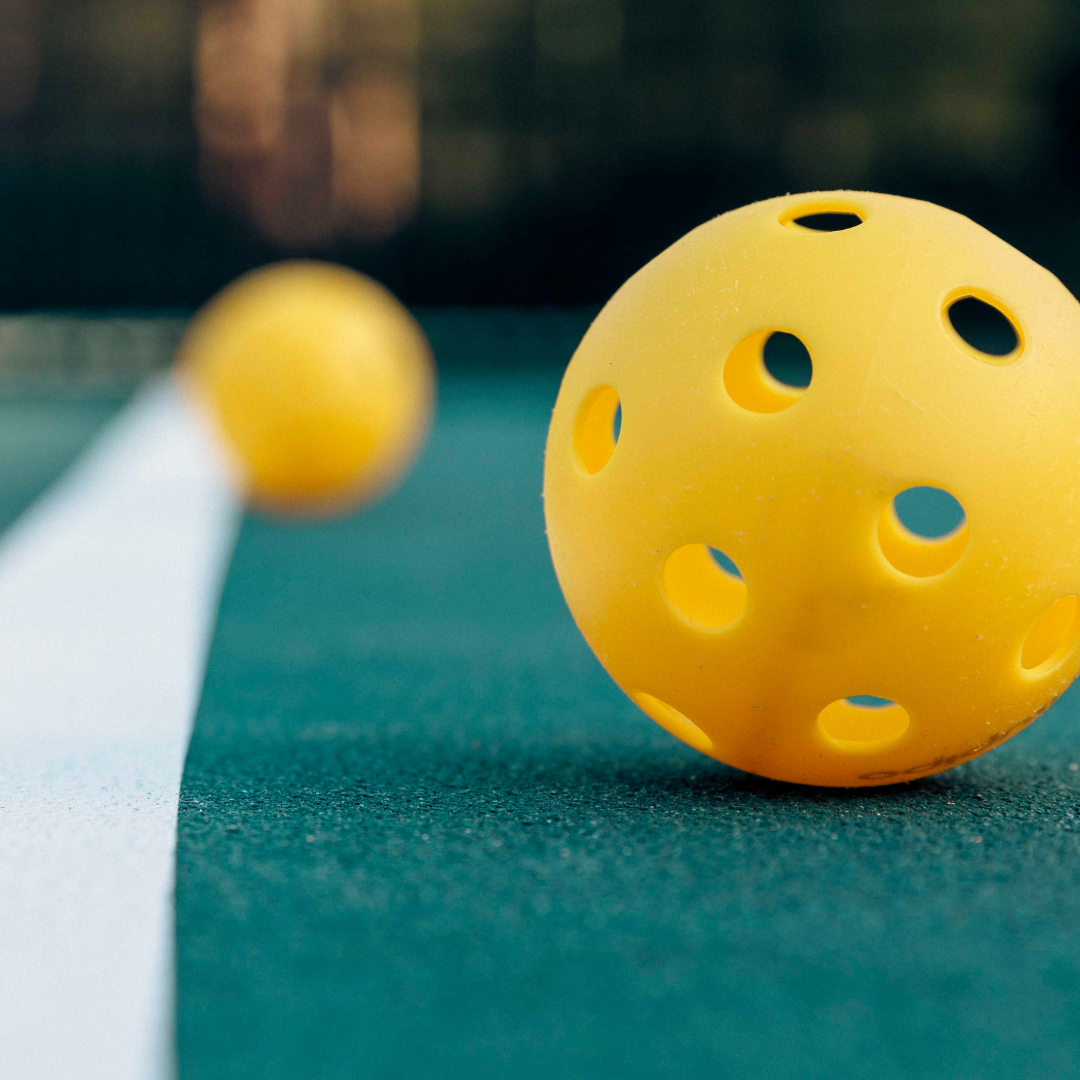
A pickleball is a hard, hollow, molded plastic ball with round holes. It looks like a wiffle ball, but it is heavier, smoother, and built to a tighter standard. That is the short frame answer to what type of ball is used in pickleball.
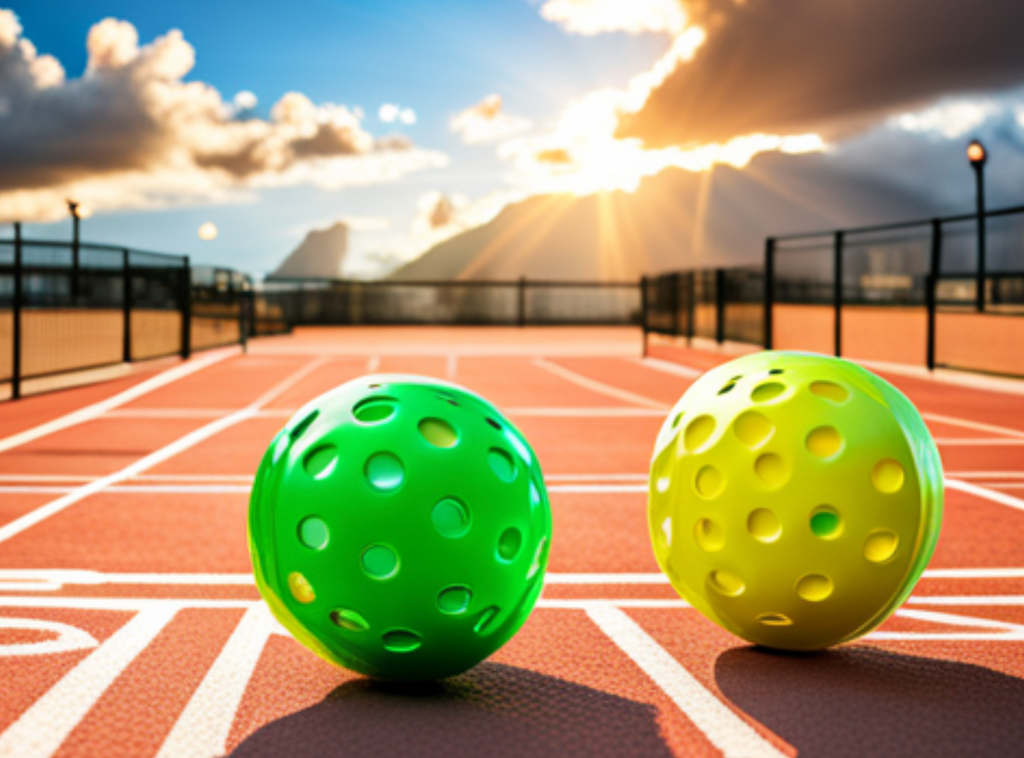
The ball is seamless or has a fused seam. The surface is smooth to keep flight fair. Color is usually bright for visibility, like yellow, neon, or orange.

Indoor vs outdoor balls: the key differences
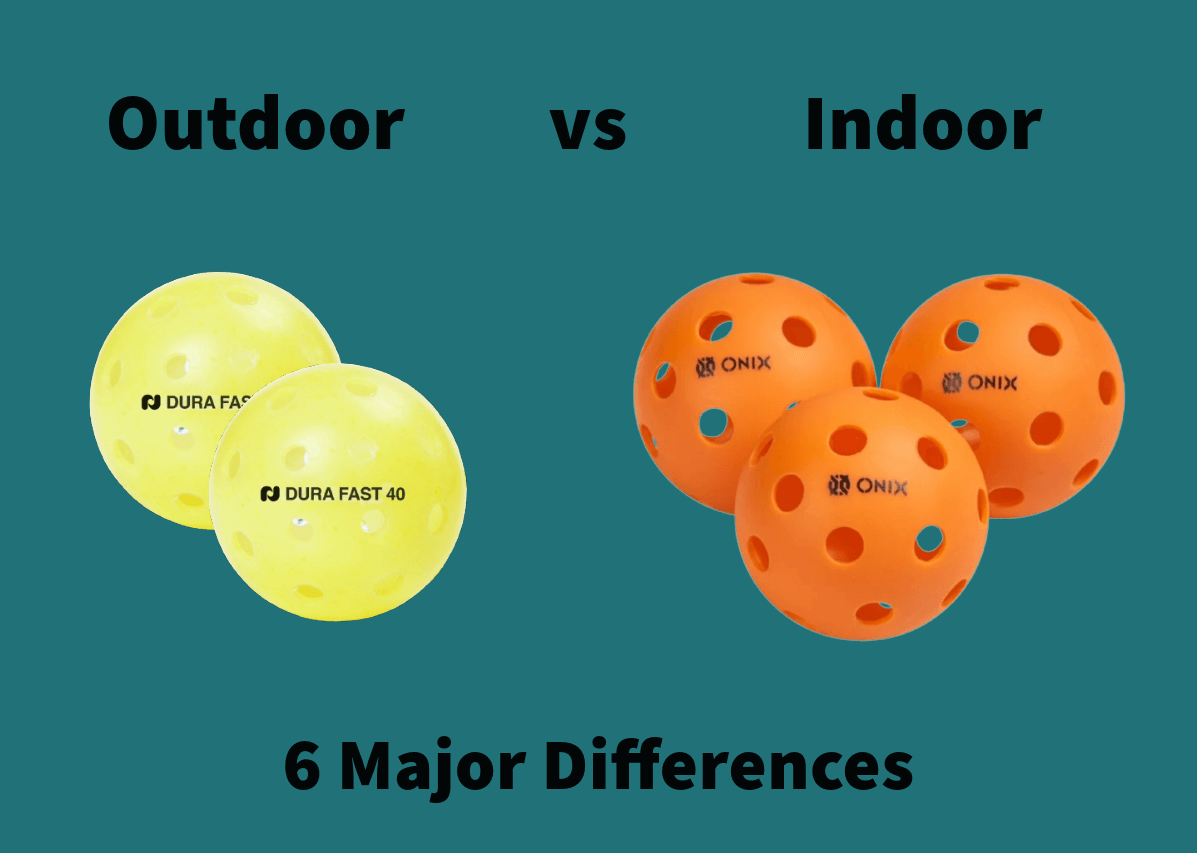
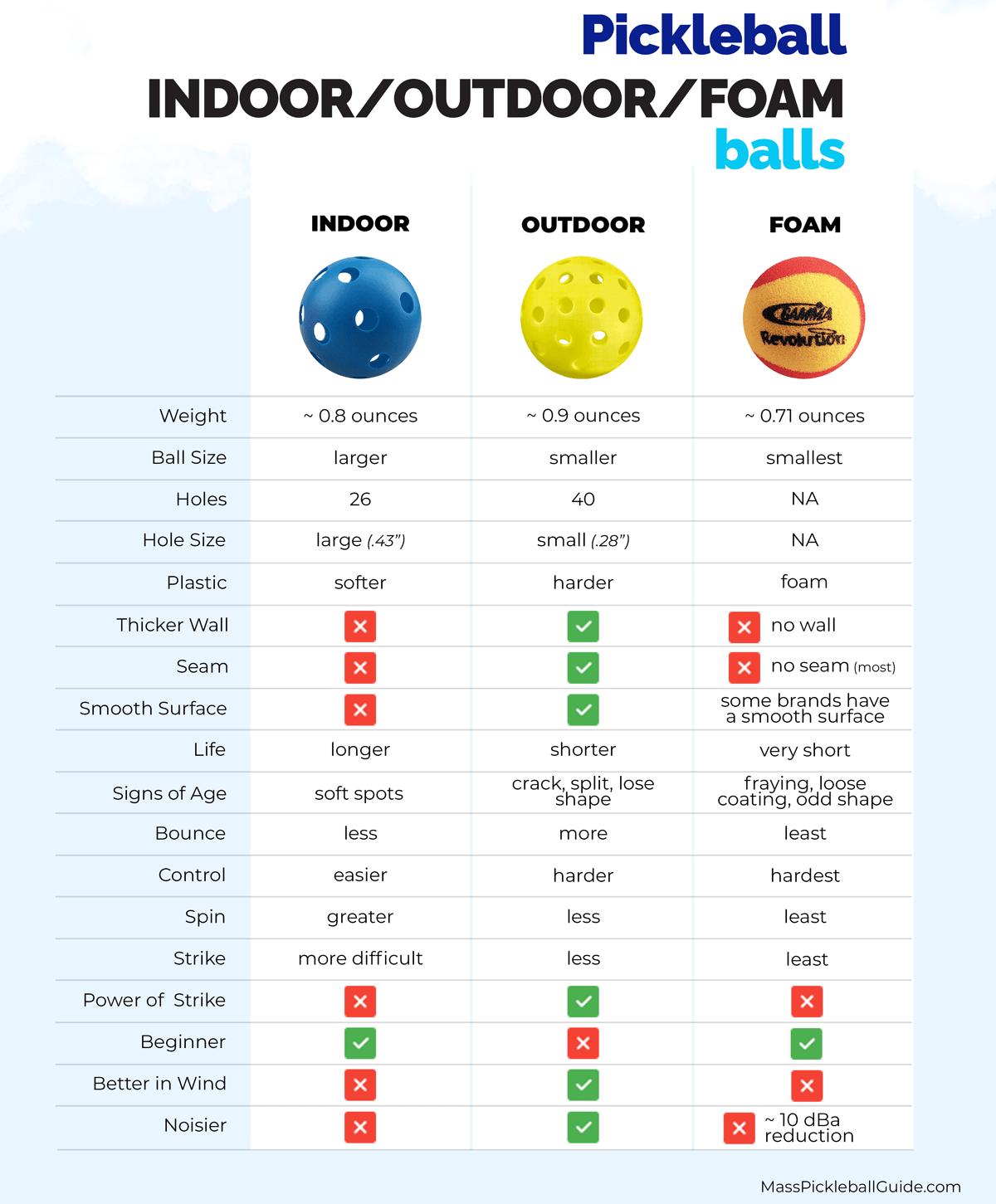
Indoor and outdoor balls are not the same. Indoor balls are a bit softer and have fewer, larger holes, often 26. They move slower, grab the paddle easier, and are great on gym floors. They also crack less on wood floors.
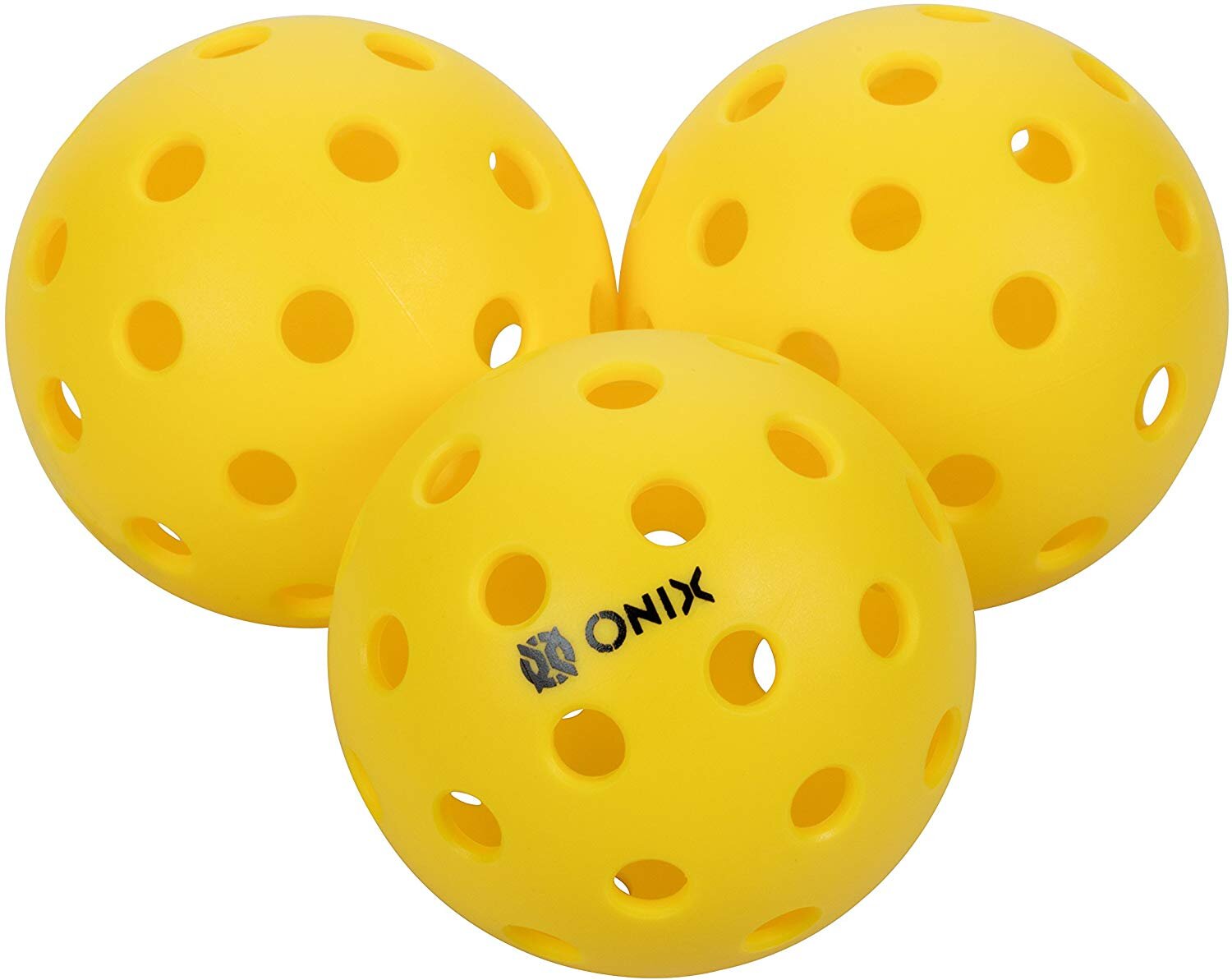
Outdoor balls are harder and heavier with more, smaller holes, often 40. They cut through wind and play fast on concrete or asphalt. When people ask what type of ball is used in pickleball for parks or tournaments, this is the usual pick.
Official specs and standards to know
USA Pickleball sets the specs for approved balls. Key numbers help you spot quality.
- Diameter is about 2.87 to 2.97 inches.
- Weight is about 0.78 to 0.935 ounces.
- Bounce is 30 to 34 inches when dropped from 78 inches on a test surface.
- The ball must be one color, smooth, and round with no cracks.
These rules keep play fair and safe. When in doubt about what type of ball is used in pickleball for sanctioned play, check the USA Pickleball Approved Ball List.
How to choose the right ball for your court and climate
Pick based on surface, weather, and level. That is how you solve what type of ball is used in pickleball for your day.
- Hot weather. Use a firmer outdoor ball that will not turn mushy in heat.
- Cold weather. Softer balls last longer. Warm balls in a pocket before play.
- Windy days. Choose a smaller-hole outdoor ball for stable flight.
- Slick indoor floors. An indoor ball with larger holes grips better and slows rally pace.
If you play both inside and outside, keep a sleeve of each type. It solves what type of ball is used in pickleball without stress.

Popular balls and how they feel in real play
I rotate balls each week across parks and gyms. Here is how the most used options feel in hand and on court.
- Dura Fast 40. Very fast and firm. Great pop. Can crack sooner in cold.
- Franklin X-40. Stable flight. Good all-round outdoor choice. Common at events.
- Selkirk Pro S1. True bounce and durable shell. Bright color helps tracking.
- Onix Fuse Indoor. Softer touch. Good for gym floors and soft resets.
- Jugs Indoor. Softer and slower. Great for new players, but not for most events.
For events, ask which ball is set. That answers what type of ball is used in pickleball that day and lets you train with it first.
Care, storage, and lifespan tips
Small habits extend ball life and keep bounce true.
- Store at room temperature. Avoid hot car trunks or freezing garages.
- Rinse dirt with mild soap and water. Dry fully before use.
- Rotate balls every few games to even wear.
- Check for cracks, egging, or soft spots. Toss any ball that feels off.
These steps keep your answer to what type of ball is used in pickleball simple: a round, firm, clean ball that meets the spec.
How I test balls for feel, speed, and flight
I use a short routine to compare models side by side. It is quick and fair.
- Drop test. From net height to check bounce height and sound.
- Dink ladder. Ten soft dinks crosscourt to feel control.
- Drive and block. Five hard drives, five blocks to test pop and stability.
- Spin check. Topspin roll and slice to gauge grip and skid.
- Wind loop. Outdoor in light wind to see drift and wobble.
This method shows me what type of ball is used in pickleball for each setting, not just by brand, but by match needs.
Common mistakes and myths to avoid
Many new players grab the wrong ball for the day. That is easy to fix.
- Using a tennis or wiffle ball. Neither is built to pickleball specs.
- Keeping cracked balls in play. They fly odd and can injure eyes.
- One-ball-for-all. Indoor and outdoor balls act very different.
- Ignoring temperature. Cold snaps break balls fast.
Once you spot these traps, what type of ball is used in pickleball becomes a smart choice, not a guess.

Buying tips and smart budgets
You do not need the most expensive ball to play well. You need the right match.
- Buy approved balls for events. Practice with the event ball.
- Get color that suits your court. Neon on dark courts, yellow on light courts.
- Buy in bulk to save. Balls wear out, so spares help.
- Test two brands. Run a simple head-to-head and keep notes.
These tips lock in what type of ball is used in pickleball for your court, skill, and cost.
Frequently Asked Questions of what type of ball is used in pickleball
Is a pickleball the same as a wiffle ball?
No. A pickleball is heavier, smoother, and built to strict specs. A wiffle ball is lighter and not approved for play.
How many holes are in a pickleball?
Indoor balls often have 26 larger holes. Outdoor balls often have 40 smaller holes for stable flight.
What color pickleball should I buy?
Choose bright colors for contrast with your court and sky. Yellow and neon are common and easy to track.
How long does a pickleball last?
Outdoor balls can crack in cold or after hard play. Indoor balls often last longer, but replace any ball that feels soft or egged.
Are tournament balls different from rec balls?
Some brands overlap, but events pick a specific model. Always practice with the event ball to match speed and bounce.
Can kids or beginners use the same balls?
Yes, but softer indoor balls are kinder for control and learning. They reduce sting and slow the rally pace.
Do temperature changes affect the ball?
Yes. Heat softens and raises bounce, while cold makes balls brittle and lowers bounce. Store at room temperature.
Conclusion
The right ball makes your game smoother, safer, and more fun. Now you can answer what type of ball is used in pickleball with confidence and pick the best fit for your court, weather, and style. Try two approved balls this week, note the feel, and build a go-to choice for each setting. Want more gear guides and drills? Subscribe and drop your questions in the comments so I can help you dial in your play.