The best pickleball paddle is the one that fits your swing, goals, and grip.
If you came here wondering what type of pickleball paddle is best, you are in the right place. I test paddles weekly with players from beginner to 5.0, and I’ll help you match your paddle to your game. We will cut through the noise, compare materials and shapes, and use simple rules so you can choose with confidence.
How to decide what type of pickleball paddle is best for you
The right paddle starts with your needs. Ask how you win points now, and how you want to win six months from now. If you love fast hands and soft drops, choose control and feel. If you hit drives and putaways, lean toward power and stability.
Use this quick map to guide you:
- If you are new or coming back from injury, pick a light to midweight paddle with a soft polymer core.
- If you want control and spin, look for raw carbon fiber surfaces with a midweight build.
- If you want power and reach for singles, choose an elongated shape and mid to heavy weight.
- If you play fast hands at the kitchen, choose a balanced paddle with a standard shape and medium swing weight.
Here is the plain truth about what type of pickleball paddle is best. The best paddle is the one that keeps your misses small and your strengths big. Start with fit and comfort, then add the features that help your style.

Paddle materials explained
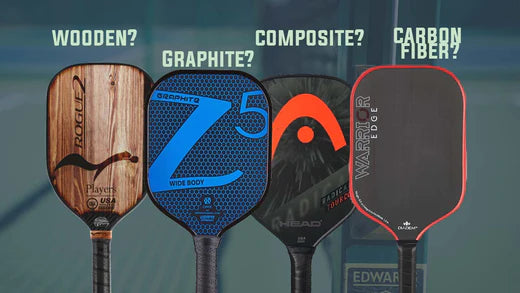
Paddle face and core materials shape how a paddle plays. Think of the core as the engine and the face as the tires.
- Polymer honeycomb core is the most common. It is quiet, soft, and forgiving. It reduces shock and is easy on elbows and wrists.
- Nomex honeycomb core is hard and loud. It gives more pop but less dwell time.
- Aluminum cores are rare. They feel soft but can dent and lose pop over time.
Face materials matter for spin and feel.
- Raw carbon fiber offers excellent spin and touch. It holds the ball a split second longer.
- Fiberglass gives pop and easy power but can launch balls if you swing big.
- Hybrid or composite blends try to balance spin, pop, and feel.
Surface texture affects spin. Governing rules limit roughness, so brands use legal textures and weaves to grab the ball. If you ask what type of pickleball paddle is best for spin, raw carbon faces are a safe bet across brands.
Weight, balance, and swing feel
Weight changes how a paddle moves and how your joints feel after a long session.
- Light paddles, around 7.3 to 7.6 ounces, move fast and help with hand battles. They offer less stability on blocks.
- Midweight paddles, around 7.7 to 8.2 ounces, balance control and power for most players.
- Heavy paddles, around 8.3 ounces and up, boost power and stability. They can stress the elbow if your form is shaky.
Swing weight matters as much as static weight. It tells you how heavy the paddle feels while moving. A head-heavy paddle can tire your forearm. A head-light paddle is quick but may flutter on hard drives. If you wonder what type of pickleball paddle is best for joint comfort, choose a midweight paddle with neutral balance and add a cushioned overgrip.
Personal tip from testing hundreds of games: if you tape lead on the head, add a little to the throat too. This keeps balance friendly and stops wrist strain.

Shape and size: standard vs elongated
Paddle shape affects sweet spot, reach, and forgiveness.
- Standard shape offers the biggest sweet spot and high stability near the kitchen. It is great for doubles and for newer players.
- Elongated shape gives more reach and leverage. It helps on serves, drives, and singles defense. The sweet spot is higher and narrower, so mishits punish more.
USA Pickleball sets size rules for length and width combined. Brands tune shapes within that limit. If you ask what type of pickleball paddle is best for singles, elongated wins often. If you live at the kitchen line, standard is king.
Surface, spin, and dwell time
Spin comes from friction, compression, and how long the ball stays on the face.
- Raw carbon texture boosts friction. It helps with topspin rolls, slices, and kick serves.
- Fiberglass can be slick but lively. Some textured fiberglass still spins well.
- Thermoformed carbon builds add power and stability at the edge. Many now include foam around the perimeter to raise stability and sweet spot.
If your game leans on roll volleys and dipping dinks, you may feel that what type of pickleball paddle is best is one with raw carbon and a plush core. If you flat hit and like pace, a poppy fiberglass face can feel perfect.

Grip size, handle length, and comfort
Grip size changes control and comfort. A grip that is too big locks the wrist. One that is too small strains your forearm.
- Most players fit 4.125 to 4.375 inches. Add an overgrip if you are between sizes.
- Extended handles help two-handed backhands and add leverage on rolls.
- Thicker grips reduce shock and arm fatigue.
If you have tennis elbow or wrist pain, lighten the paddle, add a soft overgrip, and check your technique. When friends ask me what type of pickleball paddle is best to reduce pain, I suggest a midweight, soft-core, raw carbon paddle with a cushioned grip.
Matching paddle to player type
The best way to decide what type of pickleball paddle is best is to pair it with your game plan.
- New players need forgiveness and feel. Pick a midweight, standard shape, soft polymer core, and a medium grip.
- Control players aim for drops and resets. Choose raw carbon, midweight, and neutral balance.
- Power players drive and finish. Go for thermoformed carbon, slightly heavier weight, and an elongated shape.
- Singles players need reach and depth. Pick elongated, mid to heavy weight, and a stable core.
- Doubles strategists need hands and touch. Choose standard shape, midweight, and a large sweet spot.
One of my students moved from a poppy fiberglass to a raw carbon midweight. His unforced errors dropped in a week. For him, that change made what type of pickleball paddle is best very clear.

Budget, value, and durability
You can find great paddles at many price points.
- Entry level gives solid polymer cores and composite faces. Good to learn basics.
- Mid tier adds raw carbon and better build quality. These often hit the sweet spot for value.
- Premium paddles bring advanced layups, foam walls, and tighter quality control. Expect better stability and feel.
Durability varies. Raw carbon faces keep spin longer than painted textures. Edge guards protect faces from chipping. Edgeless designs feel clean but can wear sooner on scrapes. If price is a factor, ask what type of pickleball paddle is best per dollar, not only the most hyped.
A simple on-court test plan
Try before you buy if you can. Use this 15-minute test.
- Dink for two minutes. Check touch and height control.
- Reset volleys from the transition zone. Note forgiveness on mishits.
- Third-shot drops and drives. Feel launch, arc, and depth.
- Block hard shots. Watch stability and twist.
- Serves and returns. Check spin and power without over-swinging.
- Hand battles at the kitchen. Judge speed and confidence.
If a paddle makes your misses small without effort, that is a strong sign of what type of pickleball paddle is best for you right now.
Common mistakes to avoid
I see the same pitfalls over and over.
- Chasing hype instead of fit. A pro’s paddle may not suit your swing.
- Going too heavy too soon. It can strain your arm and slow hands.
- Ignoring grip size. Comfort is performance.
- Skipping spin tests. Texture varies a lot between models.
- Not revisiting needs. Your answer to what type of pickleball paddle is best can change as your game grows.
Care, maintenance, and small upgrades
Good habits make paddles last and feel better.
- Wipe the face with a damp towel after play. Dust kills spin.
- Store in a cover away from heat. Trunk heat weakens glue and cores.
- Replace overgrips often. Fresh grip lowers tension in your hands.
- Add edge tape or guards if you scrape courts often.
With care, you can keep spin, pop, and feel for many months. That means more data on what type of pickleball paddle is best for your game over time.
Frequently Asked Questions of what type of pickleball paddle is best
What type of pickleball paddle is best for beginners?
Choose a midweight polymer core with a standard shape and comfortable grip. It is forgiving, quiet, and helps you learn control before power.
What type of pickleball paddle is best for spin?
Raw carbon fiber faces usually produce the most reliable spin. Pair it with a midweight build so you can swing fast without losing control.
What type of pickleball paddle is best for tennis elbow?
Select a midweight paddle with a soft polymer core, neutral balance, and a cushioned overgrip. Avoid very head-heavy builds and very stiff cores.
What type of pickleball paddle is best for singles play?
Go with an elongated shape for reach and a slightly higher weight for depth and stability. Make sure the swing weight still feels manageable.
What type of pickleball paddle is best on a budget?
Look for mid-tier raw carbon models with solid build quality. They deliver strong spin and control at a fair price.
What type of pickleball paddle is best for power hitters?
Thermoformed carbon paddles with foam walls and higher stability usually give more pop. A heavier build boosts plow-through on drives and serves.
Conclusion
You now have a clear, simple way to answer what type of pickleball paddle is best for your game. Match materials, weight, shape, and grip to your goals, then test on court to confirm the fit. Let performance, comfort, and smaller misses guide the choice.
Take the checklist to your next demo day or local shop. Try two or three paddles and trust what feels right. When you find your match, share your results and questions in the comments so others can learn from your experience.